What the record is and where it came from
A 1982 hip-hop record produced by Clifton ‘Jiggs’ Chase and Ed ‘Duke Bootee’ Fletcher. Sylvia Robinson added Melle Mel’s pre-existing rhyme to complete it. It is not a group album — only Melle Mel raps lead.
How it sounds, and how it was made
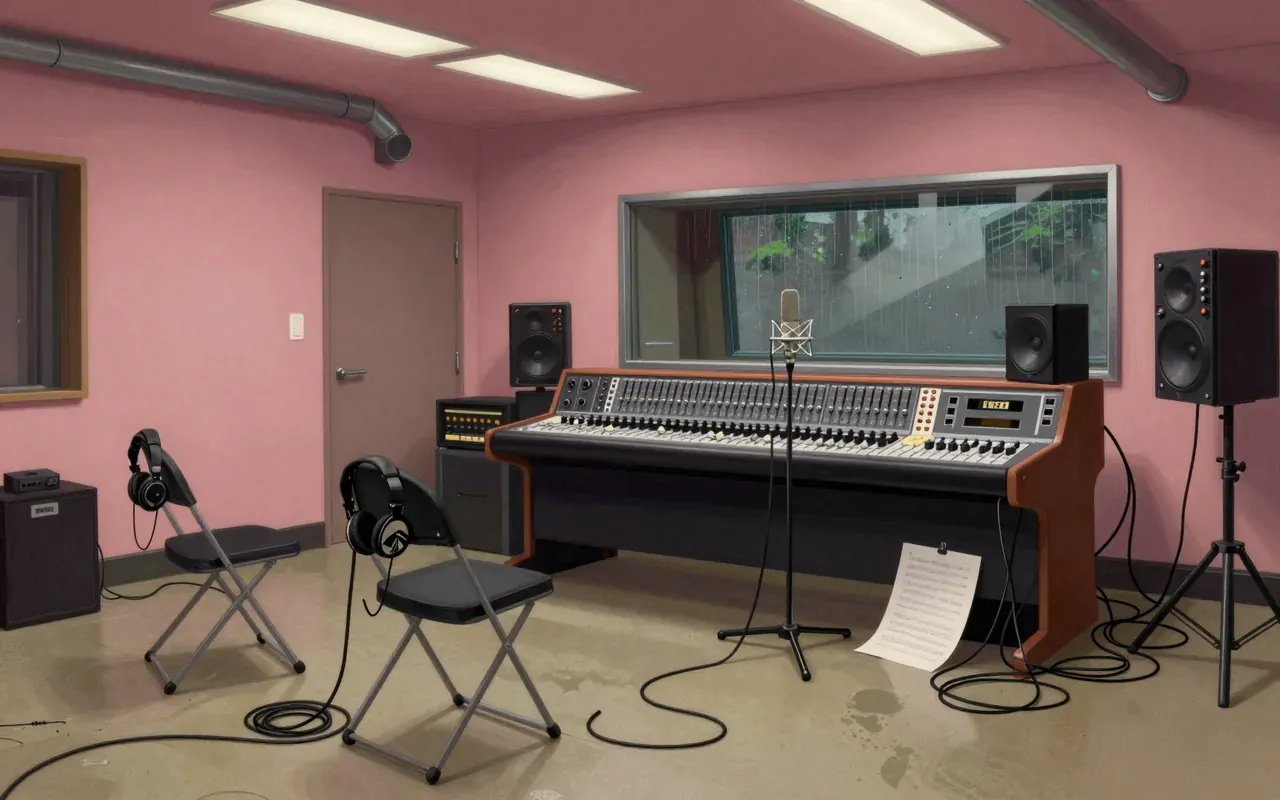
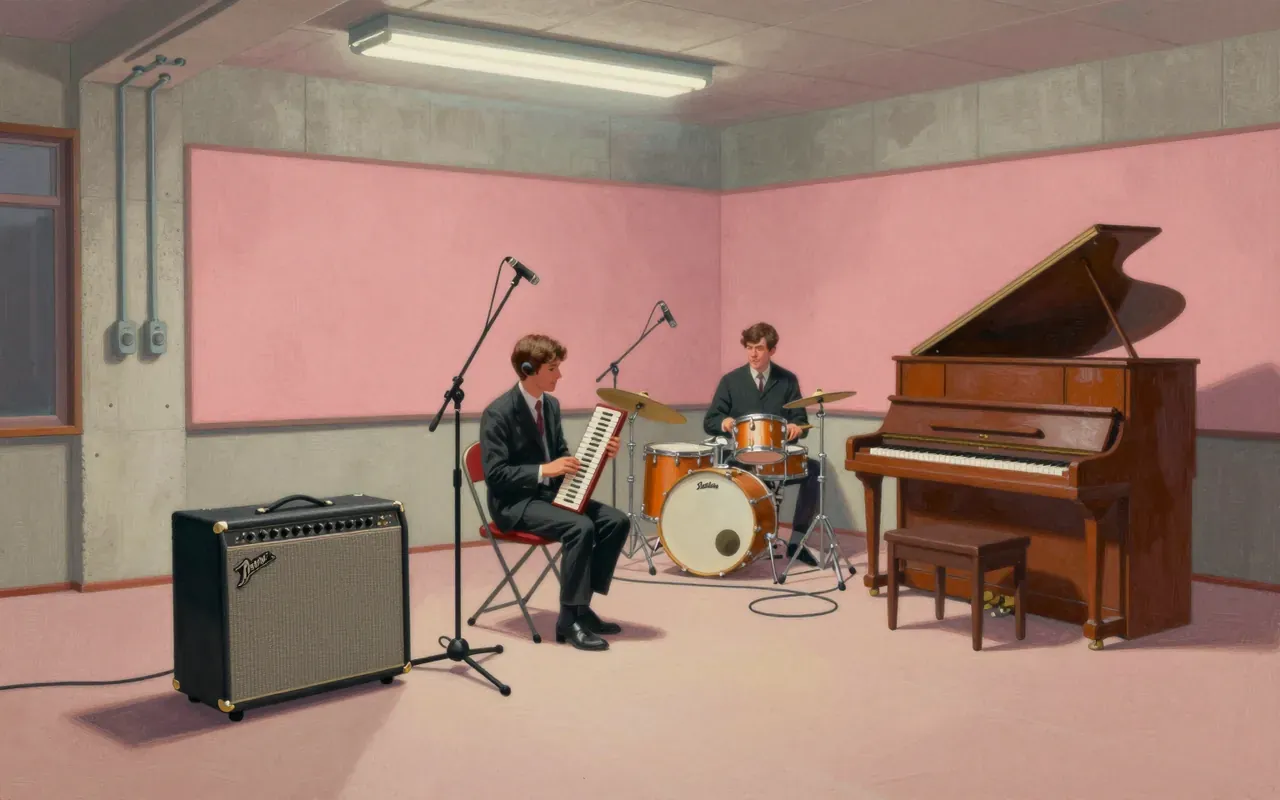
The record uses a drum machine, synthesiser bassline, and sparse piano stabs. Melle Mel’s voice is dry, close-mic’d, and unadorned. No live drums, no guitar, no strings. The production leaves space — silence is structural. Background vocals appear only at the end of ‘The Message’.
What lands
Melle Mel’s delivery lands: clipped, urgent, unsentimental. The synth bassline lands: repetitive, low, unrelenting. The title track lands: seven minutes long, one idea sustained without variation.
What does not
It does not feature Grandmaster Flash on turntables. It does not include raps from other Furious Five members. It does not use samples from soul or funk records. It does not resolve its tension.
The ideas inside it
It names poverty, police surveillance, broken infrastructure, and psychological strain in inner-city life. It does not offer solutions. It refuses uplift. It treats despair as factual, not metaphorical.
Who should hear it, and who should not
People who want to hear how hip-hop sounded before it became rhythm-first. People who care about how production choices serve subject matter. Not people looking for virtuosic flows, melodic hooks, or studio polish.
Is it worth your time
Yes. It is the first hip-hop record to treat urban decay as subject matter rather than backdrop. Its sound is minimal but deliberate. Its influence is documented, not assumed.