Saved
Pop · Hip-hop

The Writing’s on the Wall

This album doesn’t sing about love—it audits it.

Worth your time?4.5/5Yes.Hear the whole thing.What works, what does not, who it is for ↓
8:54in productionCh. 1 · Four Writers, Not One Frontwoman/ 8:54 · ceiling 15 min
4 chapters · 8:54Ceiling 15:00

The brief is written and checked. The video joins this page when it is cut.4 chapters · 2 min read · 8:54 planned

Read the brief

Destiny's Child's second album is a tightly wound, studio-crafted pivot—built on rewritten lyrics, Houston sessions, and a single track that redefined everything.

Chapters & takeaways4
  1. 0:57
    Four Writers, Not One Frontwoman

    Every voice on this record is credited, rewritten, and accounted for.

  2. 2:30
    The Pivot in Houston

    One song—'Bug a Boo'—redefined the album’s rhythm, phrasing, and concept.

  3. 4:22
    From Warmth to Wire

    They left neo-soul behind to build something sharper, drier, and more precise.

  4. 5:41
    Hair Salon Realism

    The lyrics came from real women talking about real money and real men.

1 more chapterFewer chapters
Running order17
  1. 01
    Intro (The Writing’s on the Wall)2:06
  2. 02
    So Good3:14
  3. 03
    Bills, Bills, Bills4:16
  4. 04
    Confessions4:57
  5. 05
    Bug a Boo3:32
  6. 06
    Temptation4:06

    Heard in The Good, the Bad and the Ugly

  7. 07
    Now That She’s Gone5:35
  8. 08
    Where’d You Go4:15
  9. 09
    Hey Ladies4:16
  10. 10
    If You Leave4:35
  11. 11
    Jumpin, Jumpin3:50
  12. 12
    Say My Name4:31

    Heard in Homecoming: A Film by Beyoncé (2019)Streetwise (1984)

  13. 13
    She Can’t Love You4:05
  14. 14
    Stay4:51

    Heard in Get on the Bus (1996)Polladhavan (2007)A Star Is Born (2018)What Men Want (2019)

  15. 15
    Sweet Sixteen4:13
  16. 16
    Outro (Amazing Grace Dedicated to Andretta Tillman)2:38
  17. 17
    Get on the Bus4:44

    Heard in Get on the Bus (1996)Why Do Fools Fall in Love (1998)Michael Jackson's Ghosts (1996)

Film placements are the ones described in each film's own entry, so the list is partial rather than complete.

Worth your time?

Yes. Hear the whole thing.

4.5/ 5
What works
  • 'Bills, Bills, Bills'
  • 'Say My Name'
  • 'Bug a Boo'
What does not
  • neo-soul
  • unrevised demos
  • vocal intimacy
Hear it if
  • producers
  • songwriters
  • R&B listeners open to rhythmic recalibration
Skip it if
  • fans expecting continuity with the debut
Who should hear it, and who should skipHide who it is for
The written brief2 min read

What the record is and where it came from

It is Destiny’s Child’s second studio album, recorded primarily in Houston from October 1998, released on July 27, 1999. It is a deliberate sonic departure from their debut, built on heightened creative control: the four members co-wrote 11, 10, 9, and 8 tracks respectively, and rewrote collaborator-provided lyrics to match their lived experience.

How it sounds, and how it was made

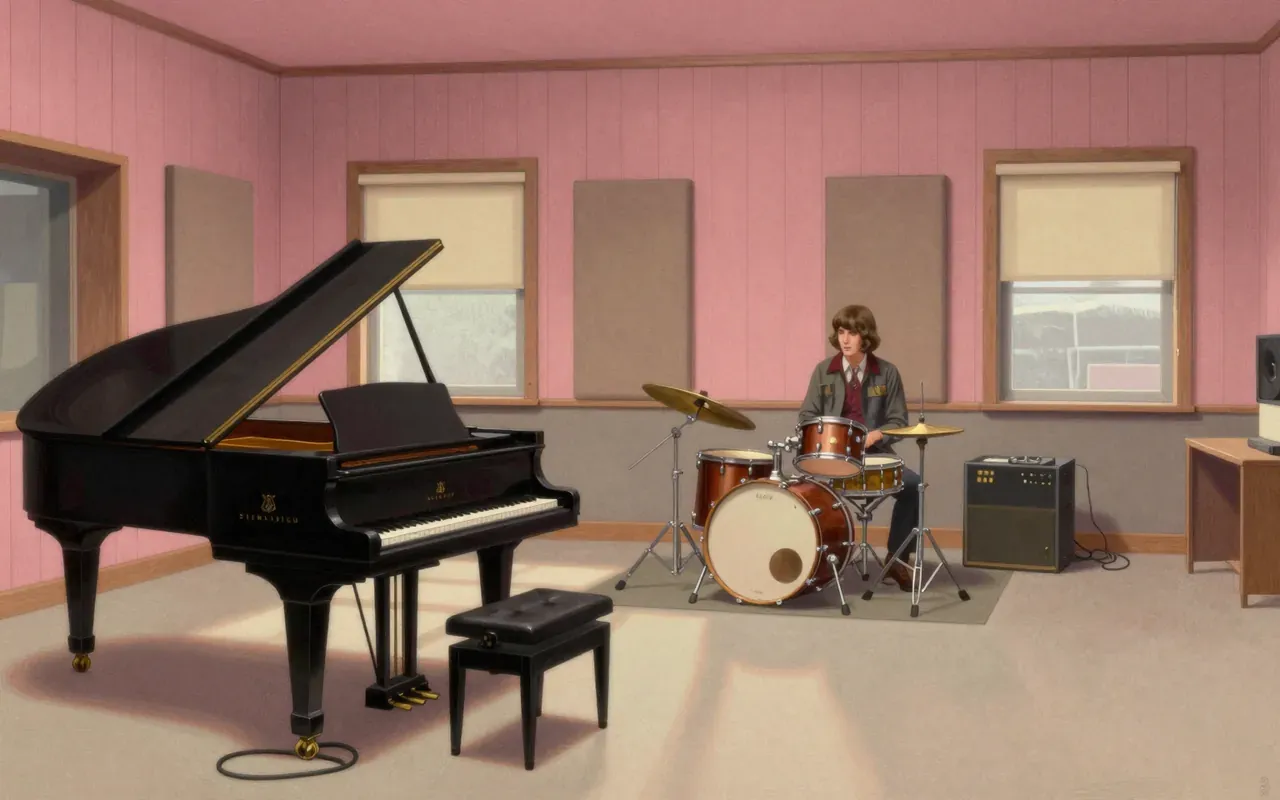
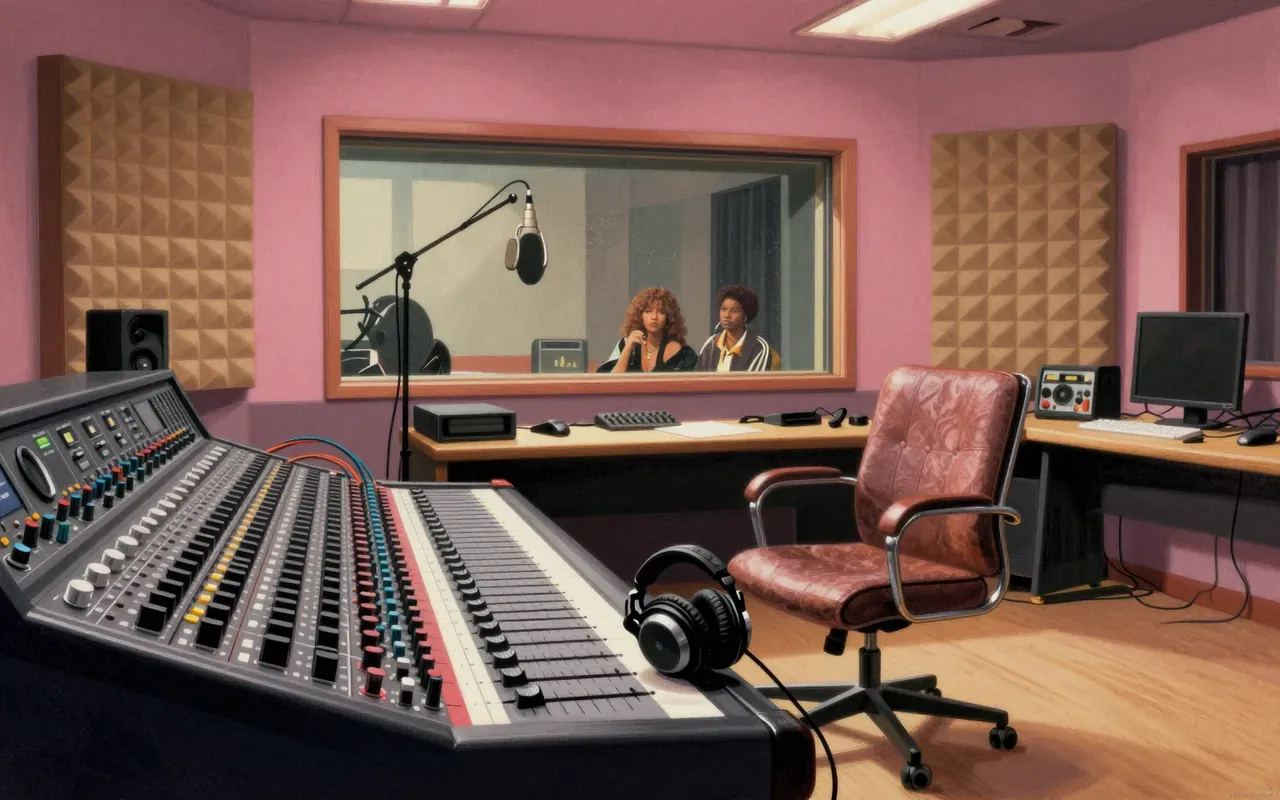
It sounds like Houston studios in late 1998: skittering quadruple-time beats, stuttering vocal phrasing, and tightly stacked harmonies. Kevin ‘She’kspere’ Briggs and Kandi Burruss co-produced five tracks—including ‘Bug a Boo’—after the group pivoted the entire album around that song’s rhythm and attitude. Rodney Jerkins reworked ‘Say My Name’ at Pacifique Recording Studios in North Hollywood after the group rejected its original mix. Missy Elliott recorded in NYC and LA; D’Wayne Wiggins in Houston and Oakland; Daryl Simmons in Atlanta; Next and Chad Elliott across NYC, Dallas, and Atlanta. No tempo, key, or mic is stated—only the rooms, the collaborators, and the decision to rebuild the record around one track’s groove.

What lands

‘Bills, Bills, Bills’ lands as the first Billboard Hot 100 number-one for the group—its clipped staccato bassline and conversational cadence make debt feel immediate and gendered. ‘Say My Name’ lands with its revised vocal production: LaShawn Daniels’ work turns hesitation into structure. ‘Bug a Boo’ lands as the album’s pivot point—its rhythm and phrasing define what follows.

What does not

It does not sustain the neo-soul texture of the debut. It does not feature unrevised producer demos. It does not treat the vocal as a singular instrument—it fractures it across stutters, call-and-response, and interlocking counter-lines. It does not leave space for ambiguity: every lyric is declarative, every beat intentional, every exit rehearsed.

The ideas inside it

The ideas are drawn from real conversations at Tina Knowles’ hair salon: grievances about men, financial hardship, emotional betrayal. The record frames female solidarity as tactical—not sentimental—and suspicion as a first principle. Every song is a negotiation: who pays, who stays, who names, who leaves. There is no romance without audit.

Who should hear it, and who should not

Producers should hear it for its vocal stacking and rhythmic recalibration. Songwriters should hear it for its salon-derived specificity. Anyone who thinks R&B vocals must be smooth or soulful should hear it to unlearn that assumption. Fans of the debut’s neo-soul warmth should not expect continuity—this is not that record.

Is it worth your time

Yes—if you want to hear how a group seized control of its sound by rewriting lyrics, rejecting mixes, and building an album around a single rhythmic idea. It is not worth your time if you expect neo-soul continuity or unmediated vocal intimacy—the debut’s warmth is gone, replaced by clipped consonants, synthetic basslines, and layered vocal production that treats harmony as architecture, not atmosphere.

Same genre · Pop4 of 178
10:20
Fine LineHarry Styles · 2019Fine Line is a studio-recorded, emotionally direct pop record shaped by personal rupture and musical lineage. Its power lies in tactile choices — the dulcimer’s resonance, the room’s air, the decision to let a piano note decay instead of cutting it. It refuses to resolve its contradictions. That is its line — fine, deliberate, and held.
10:32
21Adele · 201121 is Adele’s 2011 album, written and recorded in response to her breakup with her first serious partner — a relationship that began in April 2009 and ended shortly after. Early attempts to write an upbeat, contemporary follow-up to '19' failed due to lack of inspiration, leading Adele to cancel sessions. Production resumed immediately after the split, with songs channeling heartbreak and depression. The album’s sound draws on classic and contemporary country and roots music, influenced by Nashville music she heard on her 2008–09 US tour — a sound she found exciting precisely because it was unfamiliar. Its title reflects her age and personal growth over the prior two years.
11:04
The StrangerBilly Joel · 1977The Stranger is Billy Joel’s fifth studio album, released on September 29, 1977. It was recorded over three weeks in mid-1977 with his touring band—DeVitto, Stegmeyer, and Cannata—and session guitarists. It was produced by Phil Ramone, marking the start of a five-album collaboration.
9:16
FlyDixie Chicks · 1999Fly is the Dixie Chicks’ 1999 sophomore Monument Records album, produced by Blake Chancey and Paul Worley, with five co-written tracks, string arrangements by Dennis Burnside on 'Without You', Keith Urban’s guitar on 'Some Days You Gotta Dance', and controversy sparked by 'Goodbye Earl' and 'Sin Wagon'.
Up next in Music

Thelonious Himself

Thelonious Monk · 1957 · 10:06

Monk’s piano doesn’t accompany the song — it dismantles it and rebuilds the pieces into something stricter.

10:06