Come Dance With Me!
Frank Sinatra · 1959
A 1959 Frank Sinatra album that dominated charts and awards but leaves its sound undocumented.
A 1959 Frank Sinatra album that dominated charts and awards but leaves its sound undocumented.

Come Fly With Me is a 1958 concept album by Frank Sinatra arranged by Billy May as a musical world tour. It reached number one on the Billboard album chart for five weeks and was nominated for Album of the Year at the inaugural Grammy Awards. Seven songs were recorded in a single session on May 29; 'Lush Life' was abandoned for being too technically demanding. The title track was written for Sinatra and became one of his best-known standards.
Frank Sinatra Sings for Only the Lonely is a 1958 Capitol Records studio album defined by its torch-song repertoire, emotionally charged context—including Sinatra’s recent divorce and Riddle’s personal losses—and distinctive recording practices involving separate mono and stereo sessions with differing microphone setups. Its arrangements, crafted by Nelson Riddle, feature expressive instrumental solos by Harry Edison, Ray Sims, and Bill Miller. Though initially recorded with Riddle, the usable tracks came from a session led by Felix Slatkin, and the album marked the end of Capitol’s era of dual-format separate-recording techniques. The original stereo release omitted two tracks present on the mono version, and the album won the Grammy Award for Best Album Cover in 1959. It is widely regarded as one of Sinatra’s most introspective and artistically cohesive works, with Sinatra himself naming it his favorite album in the mid-1970s. The front cover, painted by Nicholas Volpe, depicts Sinatra as a sullen, Pagliacci-like clown, and the back cover features a lamppost—a recurring visual motif in Sinatra’s album art. The album was recorded during the transitional period when stereo was entering the marketplace, and Capitol’s engineering choices—including the use of eight microphones for mono and two or three for stereo—produced audible differences between formats, with audio engineer Steve Hoffman favoring the mono version. The album’s emotional gravity, arrangement precision, and sonic craftsmanship collectively establish it as a landmark in vocal jazz and concept-album history. The album’s legacy includes critical acclaim, chart success, and enduring cultural resonance, notably being named No. 1 on Q magazine’s list of the '15 Greatest Stoner Albums of All Time'.
A lean, guitar-forward rock ’n’ roll record defined by who played — and who didn’t — rather than what was said.
Karen Dalton’s 1969 debut is a document of extraction: voice, guitar, banjo, bass, all captured in one night after deception and intervention. It refuses studio convention. It offers no comfort, no clarity, no finish — only presence, weight, and the sound of someone singing as if no one were listening.

Morning Phase is a companion piece to Sea Change. It uses nearly all the same musicians. It was recorded across three phases: Nashville (2005), Third Man Records (2012), and Los Angeles (early 2013). It features orchestral arrangements by Beck’s father. It is folk-infused. It shares mood and genre with Sea Change.
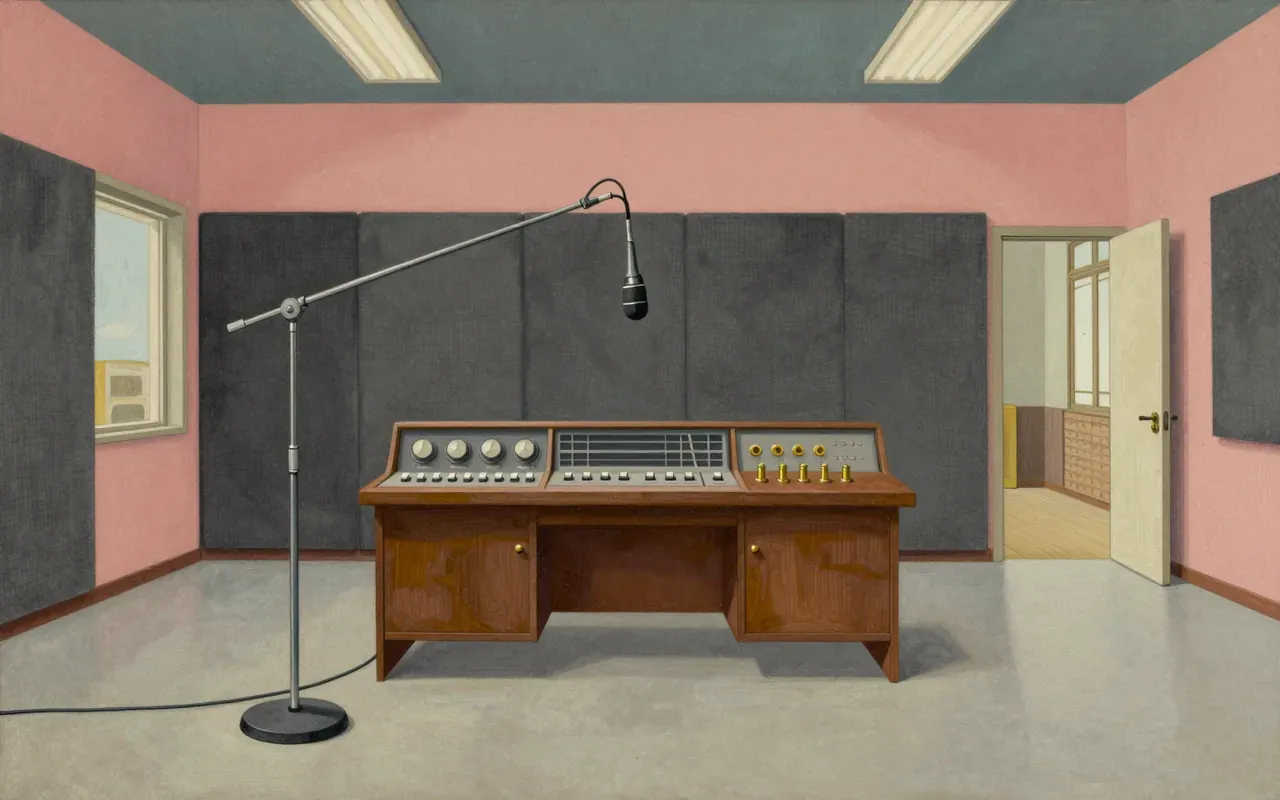
Smiley Smile is the Beach Boys’ 1967 retreat into domesticity — recorded in six weeks at Brian Wilson’s home studio using radio gear, a detuned piano, Baldwin organ, electronic bass, and found percussion. It abandons Smile’s scale for fragmentation, replaces session players with the band themselves, and credits production to the full group for the first time. Its sound is lo-fi, stoned, and intimate — vocals captured in a pool and shower, tape spliced and pitch-shifted, arrangements stripped to organ chords and bass grooves. It landed at number 41 in the US and baffled fans and critics alike. It is essential for anyone studying how pop adapts when ambition outpaces execution.
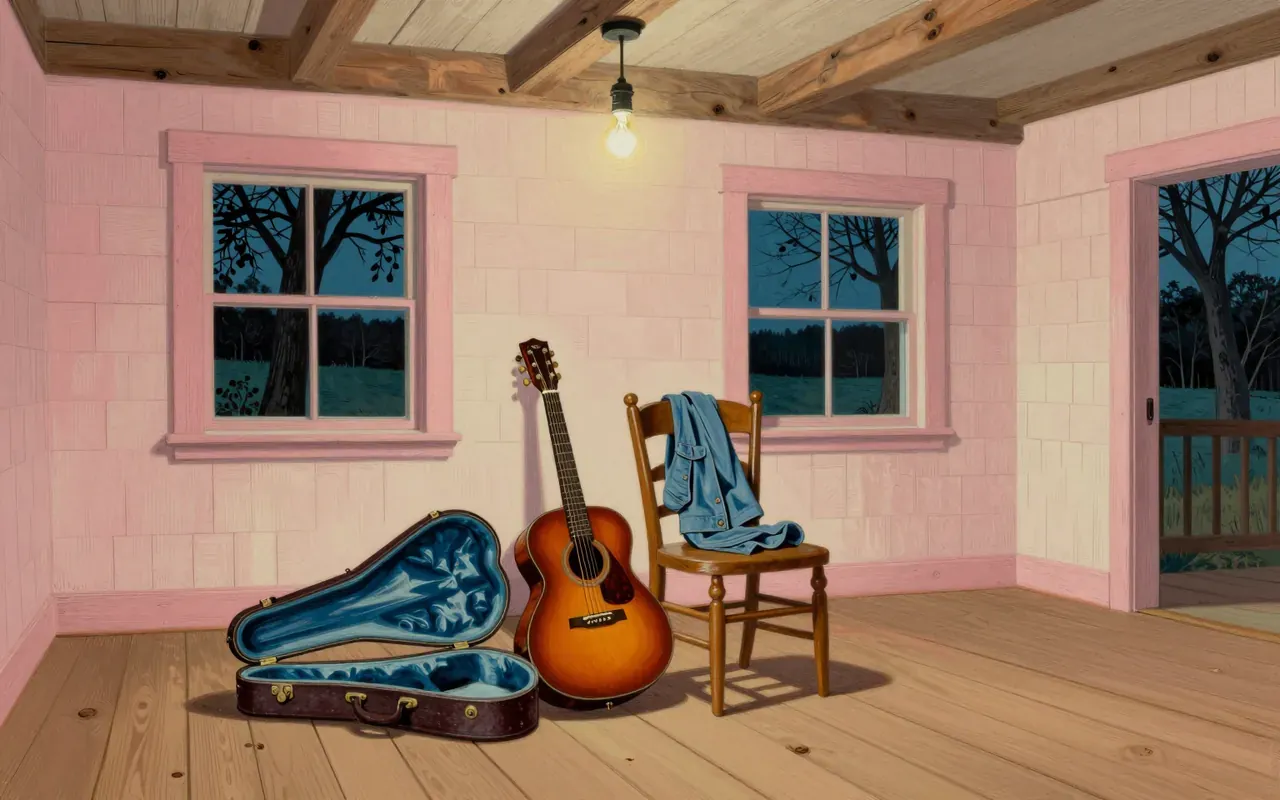
Tragic Songs of Life is the Louvin Brothers’ 1956 Capitol debut—a concept album of tragic heartbreak, misfortune, and murder ballads, performed by Charlie (vocals, guitar) and Ira (vocals, mandolin), with Paul Yandell on guitar and Ken Nelson producing. It is rooted in country music, with no verified use of bluegrass or gospel instrumentation beyond the stated roles.
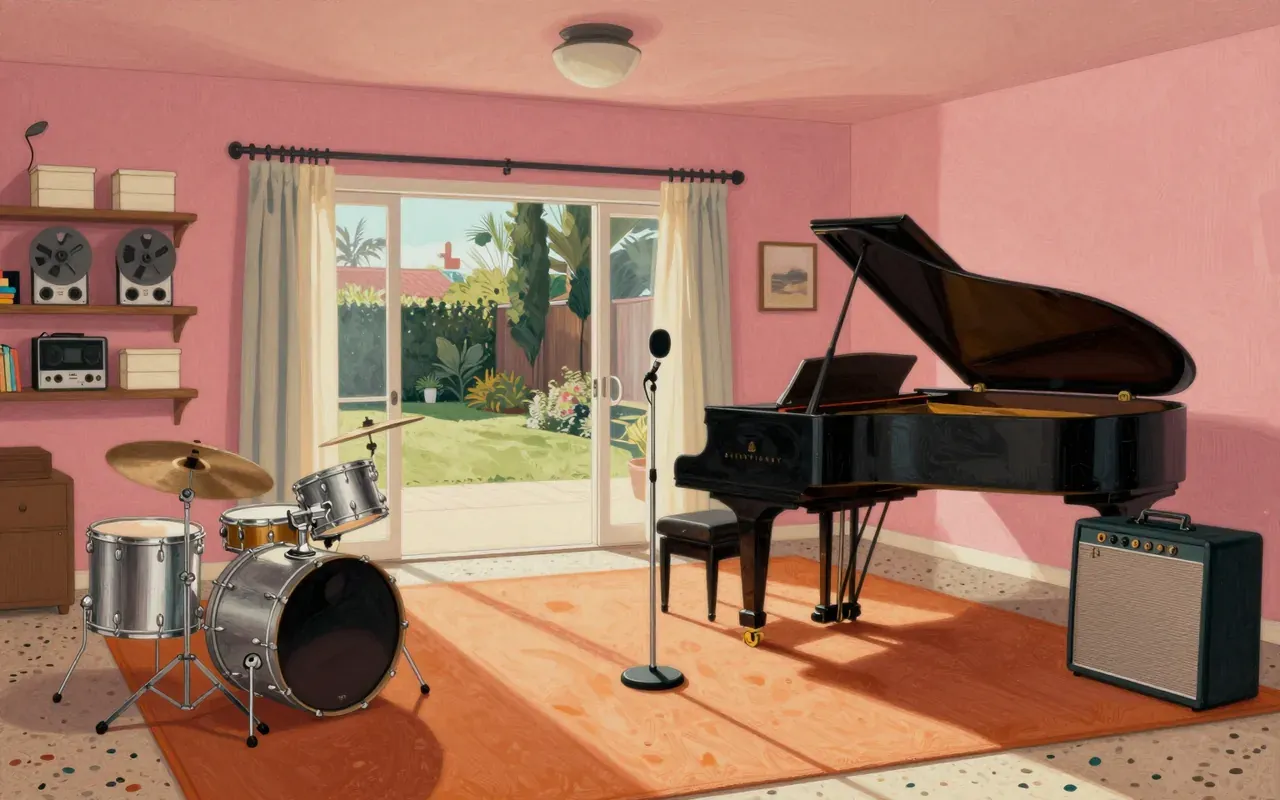
Wild Honey is a soul record blending pop and R&B. Recorded mostly at Brian Wilson’s home studio. A deliberate departure from Pet Sounds and Smile. A self-conscious return to rock-band fundamentals.
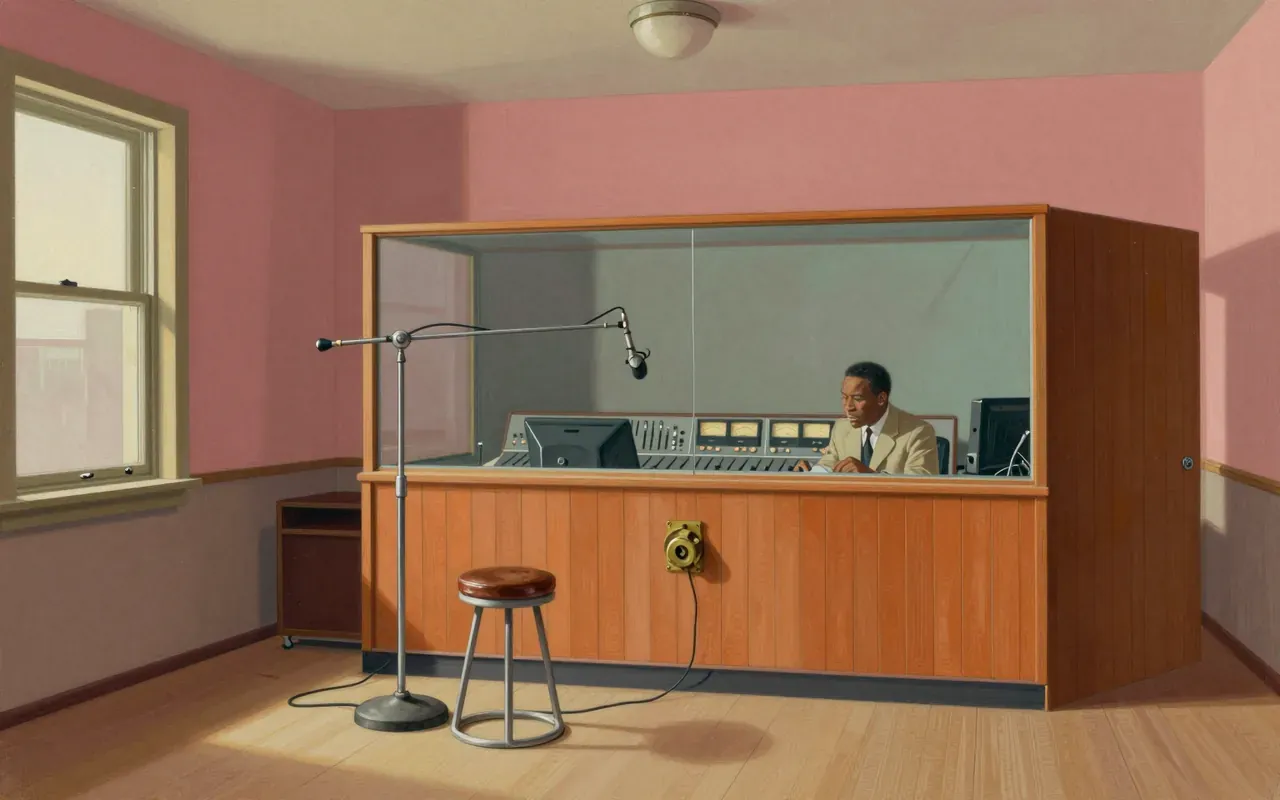
Birth of the Cool is a foundational, studio-made statement — not a live document, not a commercial success, but a precise, collaborative reworking of jazz’s expressive grammar. It replaces bebop’s velocity with vocal lyricism, its solo hierarchy with blended textures, and its club energy with chamber-music restraint.
Happy Trails is a constructed live album — not a document, but a collage. It uses Fillmore recordings as source material, then edits, scores, overdubs and juxtaposes them to make something new: rhythmic, theatrical, and self-aware.
Heart Like a Wheel is a technically exact, commercially dominant country-rock record from 1974. It prioritises vocal clarity, instrumental definition, and radio-ready pacing over mood, risk, or ambiguity. Every sound serves the song’s emotional architecture — nothing more, nothing less.

Ill Communication is the Beastie Boys’ fourth studio album, co-produced by the band and Mario Caldato, Jr., recorded between 1993 and 1994 at Tin Pan Alley and G-Son Studios. It expands on their live-instrument approach begun with Check Your Head, incorporating hip-hop, punk rock, jazz, and funk, and reflects influences from Miles Davis’s On the Corner and Agharta. Contributions include live instrumentation from Money Mark, Eric Bobo, and Amery Smith, plus guest vocals from Q-Tip and Biz Markie. The 'Sabotage' backing track—built around MCA’s fuzzed and twangy bass—was laid down at Tin Pan Alley and sat unused for a year under the working title 'Chris Rock' before final vocals were added. The album was released on May 23, 1994, and received widespread critical acclaim for its stylistic range and synthesis of the group’s earlier impulses with matured musicianship and lyrical depth. Its artwork features a 1964 Bruce Davidson photograph and Alex Grey’s 'Gaia'.
A monophonic 12-inch LP recorded in five late-night sessions in a small Hollywood studio. Sparse arrangements. No brass or strings on early tracks. Sinatra’s voice — maturing, controlled, rhythmically agile — carries the weight. Sequenced as 'the Ava album'. Melancholy is structural, not decorative.
Meet the Beatles! is a commercially urgent, sonically direct US debut album — not a UK album repackaged. It foregrounds three current singles, omits five covers from With the Beatles, and uses duophonic stereo where real stereo masters were unavailable. Every instrument and voice belongs to the four Beatles, recorded live in a dry, intimate room. It is pop as propulsion — not nostalgia, not artifice, not myth.

Nick of Time is Bonnie Raitt’s tenth studio album, released March 21, 1989. Produced by Don Was, it features a smooth and understated rock sound rooted in Raitt’s earlier laid-back blues rock style. There is grit in her singing and playing, even when surfaces are clean. The album explores blues rock, country, R&B, and pop. It was built around stripped-down arrangements developed first in demos at Was’ home studio, then recorded live over one week at Ocean Way Recording in Los Angeles. There is less production and less slickness — a return to Raitt’s roots. It was her first sober album and first Capitol Records release, reaching number one on the U.S. album chart and selling over five million copies in the U.S. It marked the debut of her enduring rhythm section with Ricky Fataar and James 'Hutch' Hutchinson.
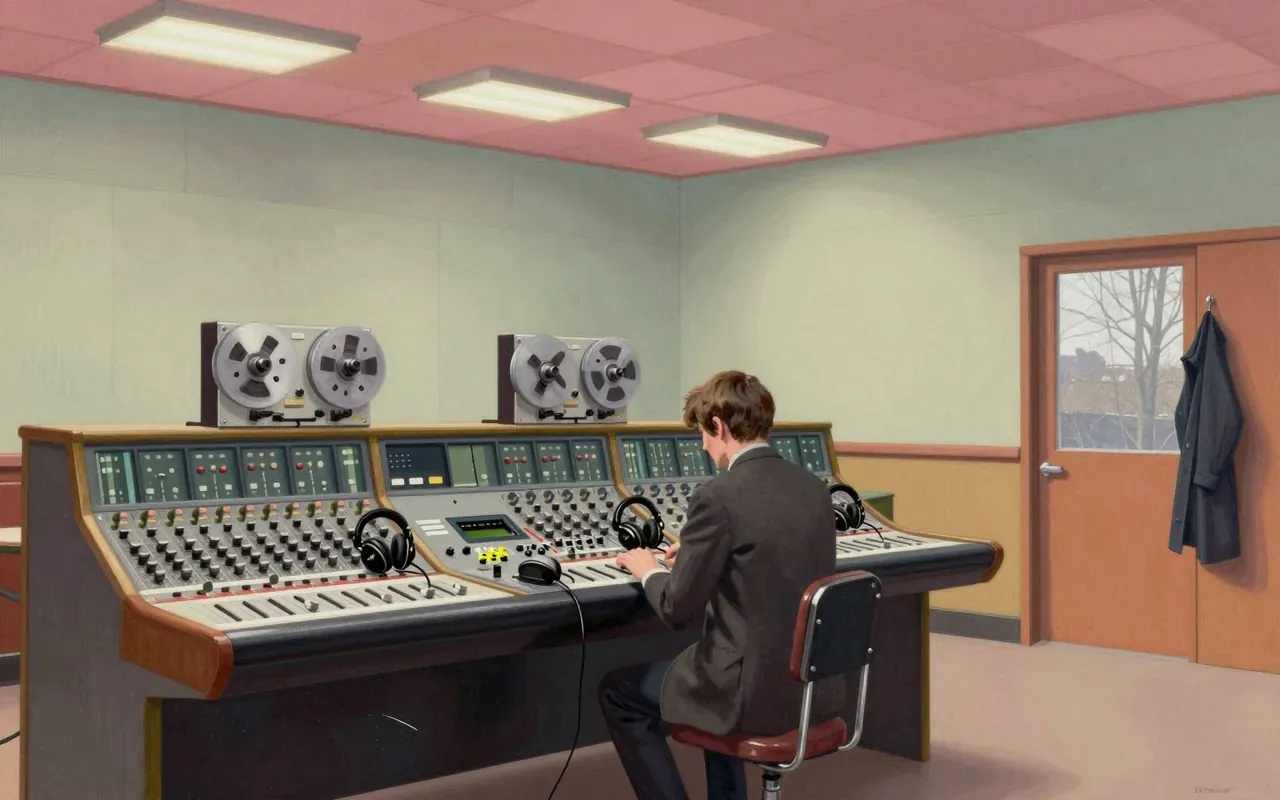
Rubber Soul is the Beatles’ sixth studio album, recorded at EMI Studios in London between 12 October and 15 November 1965. It was their first album made without concurrent live, radio, or film commitments — a shift that enabled intensive focus on arrangement and studio craft. Norman Smith engineered his final Beatles album here before promotion to producer. Thirteen days of recording (113 hours) and six days of mixing (17 hours) produced a record where the sitar debuted on 'Norwegian Wood', lyrics grew artful enough for fans to study, and Harrison and Starr both identified it as a turning point — 'the departure record'. Critics hailed its maturity and complexity. It is not psychedelic, orchestral, or technically experimental beyond the sitar; its innovation lies in intent, not gadgetry.
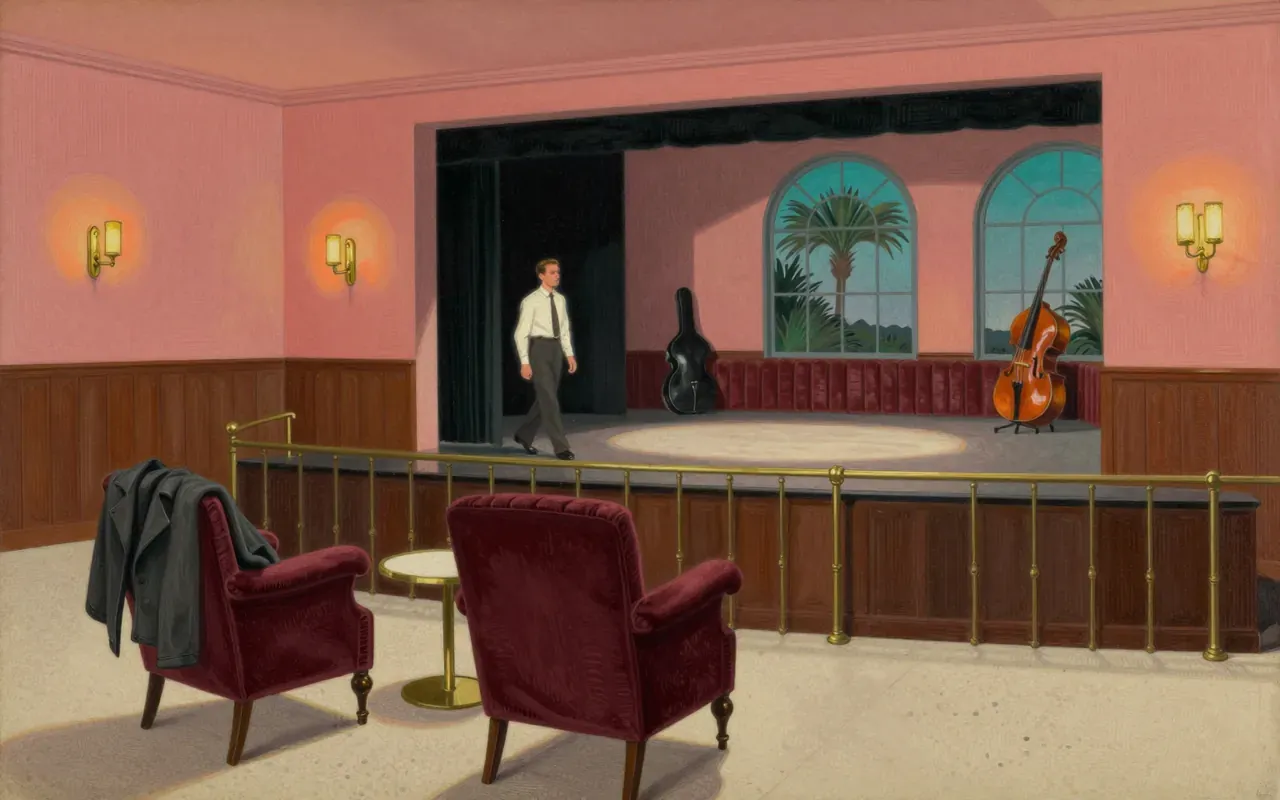
Songs for Swingin’ Lovers! is Frank Sinatra’s tenth studio album and fourth for Capitol Records, released in March 1956. Arranged by Nelson Riddle, it departs from the introspective tone of In the Wee Small Hours in favour of exuberant, jazz-inflected interpretations of pop standards. Recorded in February 1956 in the newly opened Capitol Records Building studios, it features a 56-piece symphonic orchestra. ‘I’ve Got You Under My Skin’ required 22 takes to perfect. A slow ballad, ‘Memories of You’, was recorded but omitted to preserve the album’s uptempo, swinging concept — ‘We’ll Be Together Again’ stands alone as the sole ballad. The album was the first to top the UK Albums Chart upon its July 1956 launch.

Woodface is Crowded House’s third studio album, released in July 1991. It emerged after Capitol rejected early recordings by Neil Finn, Paul Hester, and Nick Seymour. Neil then incorporated songs co-written with Tim Finn during their Finn Brothers sessions — on condition Tim joined the band as a full member.

Rust in Peace is Megadeth’s 1990 studio album, recorded at Rumbo Recorders in March 1990. It is the first Megadeth album completed with a producer who wasn’t fired — Mike Clink — though Mustaine later said most of the work was done by himself, Max Norman, and engineer Micajah Ryan.
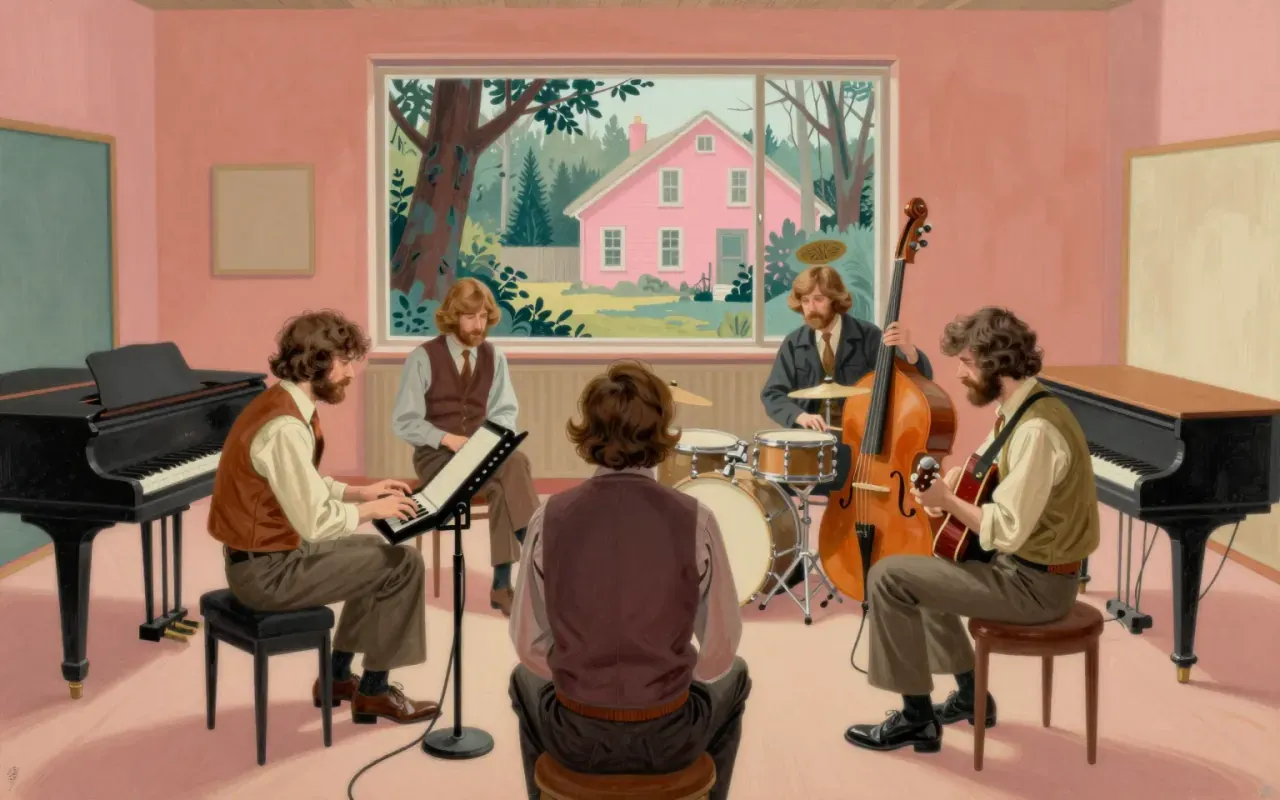
Recorded live with minimal overdubbing after years spent behind Bob Dylan, Music From Big Pink lets Rick Danko, Levon Helm and Richard Manuel trade lead vocals over Garth Hudson's organ and Robbie Robertson's economical guitar, trading psychedelic ambition for a communal, backward-looking sound that quietly reshaped rock's direction.
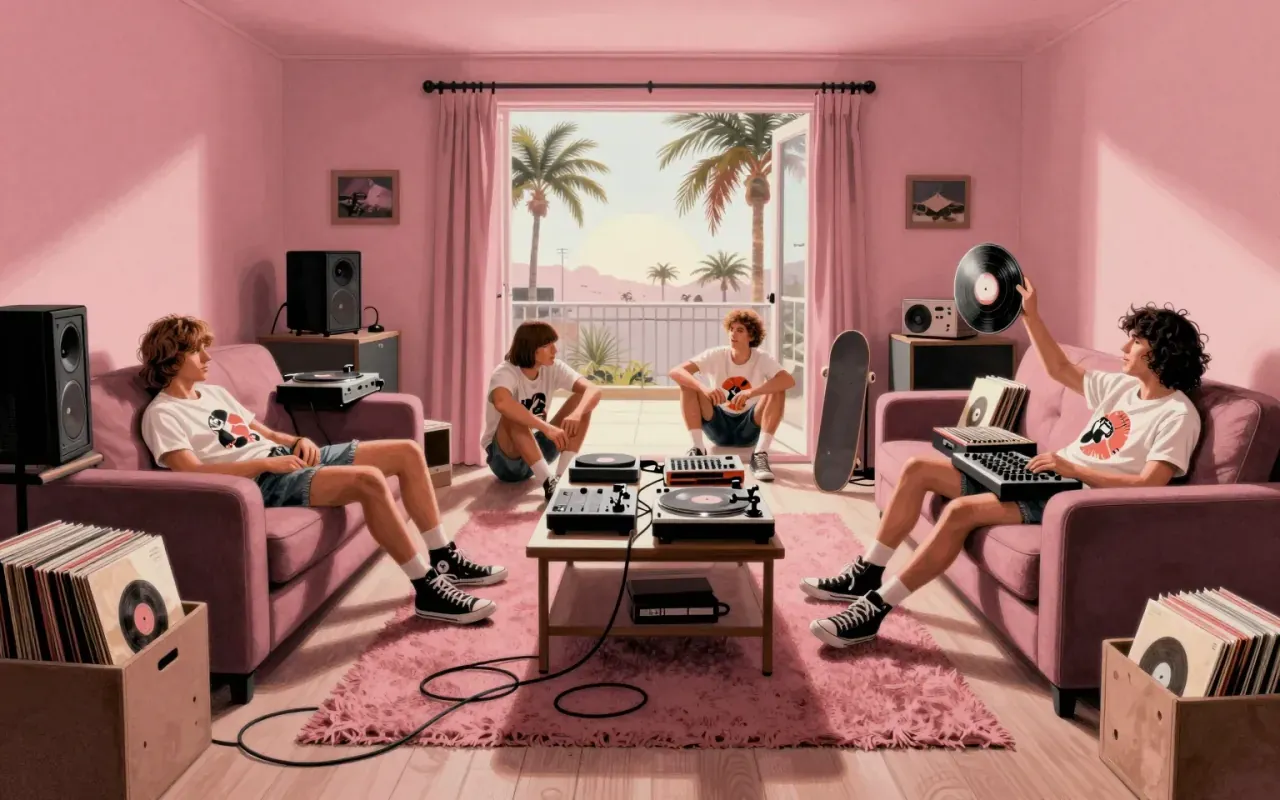
Recorded with the Dust Brothers in a Los Angeles apartment and mixed at the Record Plant, Paul's Boutique layers over a hundred samples from funk, soul, rock and jazz beneath the Beastie Boys' densest, most reference-packed writing, a commercial miss on release that became hip-hop's most studied sample record.
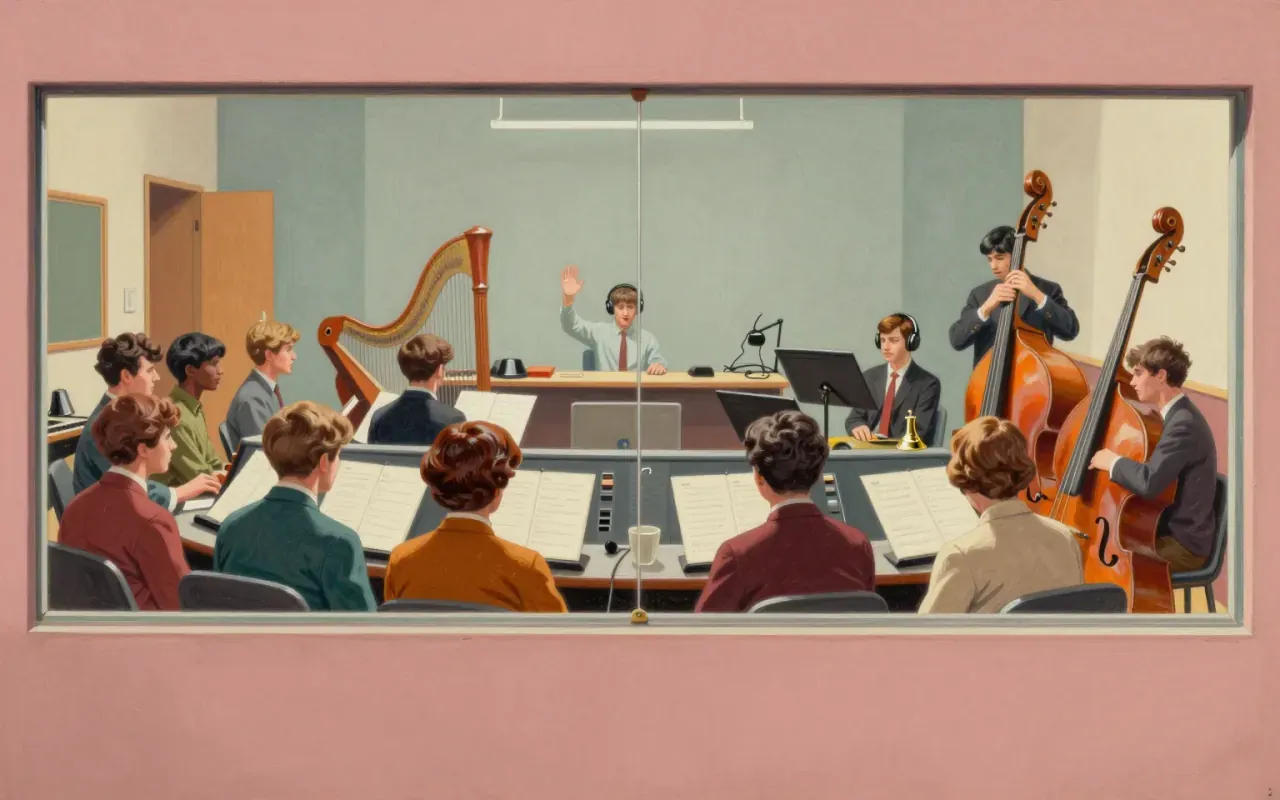
Written mostly with advertising lyricist Tony Asher after Brian Wilson stepped back from touring, this eleventh Beach Boys album replaced the group's own playing with hired Los Angeles session musicians and spent an unprecedented budget chasing a more introspective, orchestrally arranged kind of pop than the band had attempted before.
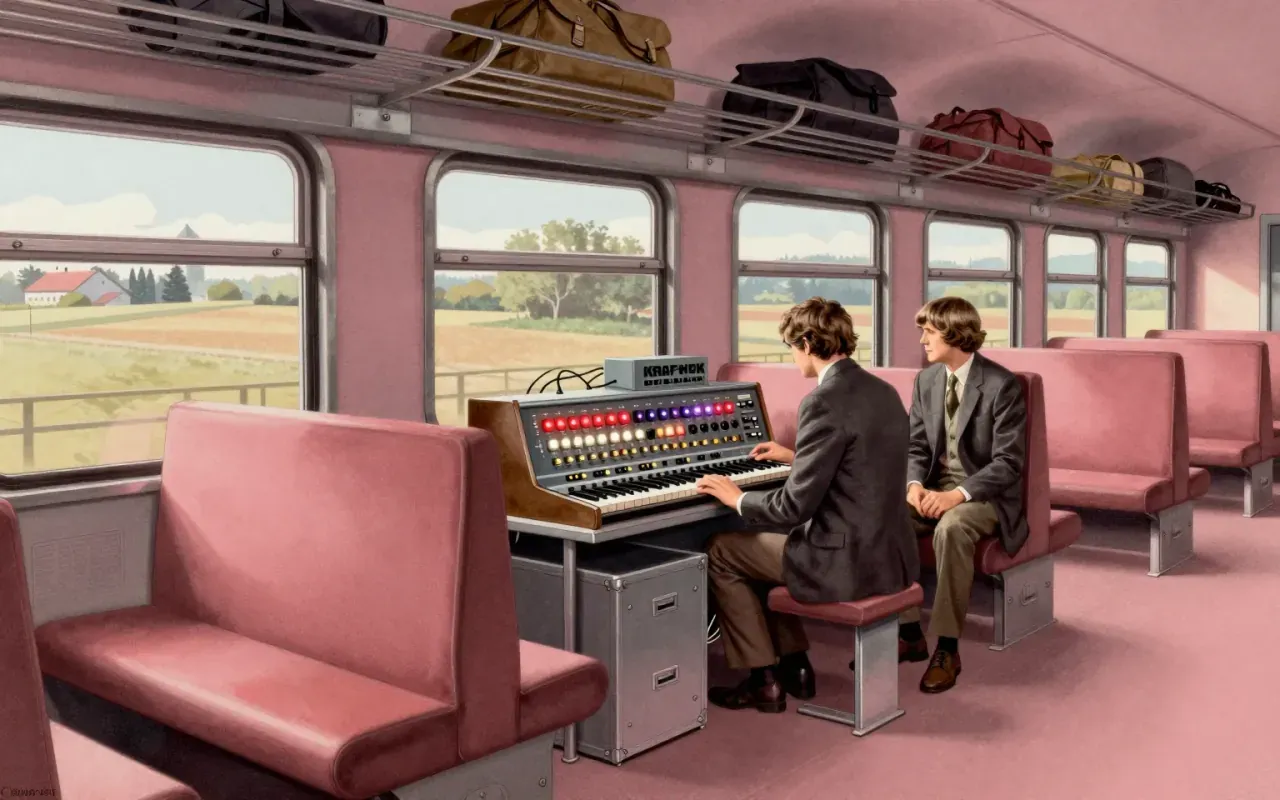
Recorded at the band's own Kling Klang facility in Düsseldorf and finished with sessions in Hamburg and Los Angeles, this sixth Kraftwerk album refines the group's earlier improvised style into tight, sequenced songcraft. Built around a new custom sequencer and versions cut separately in German, English and French, it turns a train service into a symbol for a Europe the band wanted to claim as their own, apart from war-era associations attached to their earlier work.