What the record is and where it came from
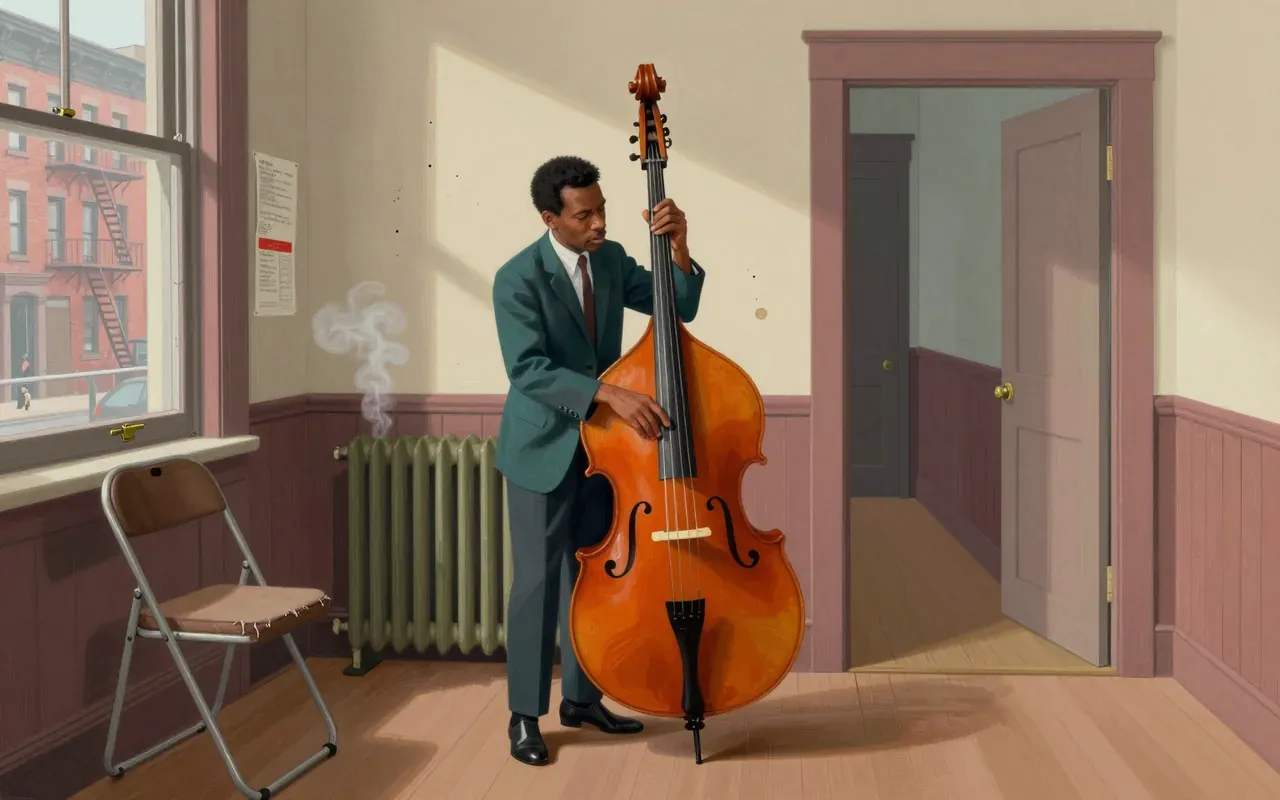
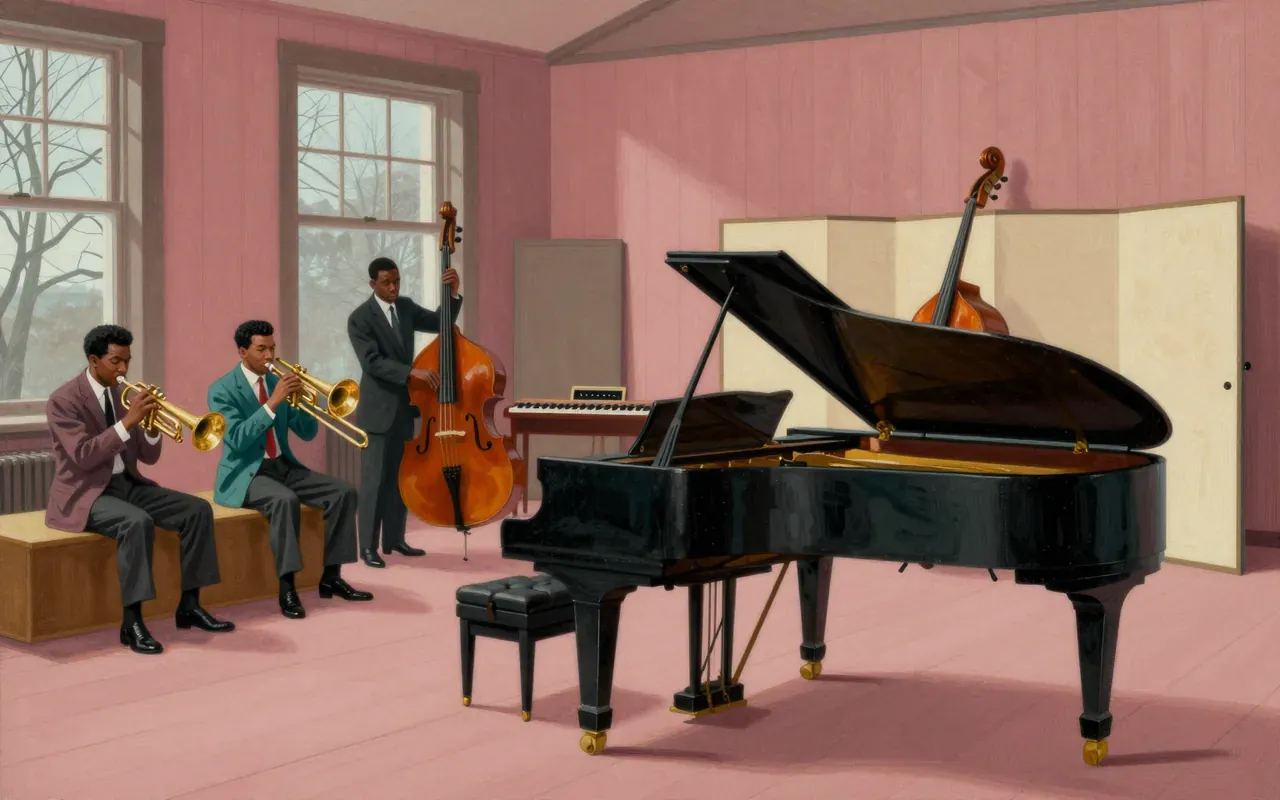
Recorded and released in 1963, The Black Saint and the Sinner Lady is a continuous composition divided into tracks and movements, partly conceived as a ballet. Charles Mingus worked with an eleven-piece band and co-orchestrator Bob Hammer. The album’s unit is the whole developing work.
How it sounds, and how it was made
The orchestral approach combines jazz with classical, African and Spanish elements. Different instrumental groupings can change the sense of scale within the ensemble. The dance conception gives a useful way to follow the music’s shifts without expecting each track to establish an unrelated song.
What lands
The long form allows contrasts to acquire meaning through return and juxtaposition. A passage can feel different because of what surrounds it, rather than because a soloist has introduced a new tune. The performance and orchestration have to work together to sustain that continuity.
What does not
The density can be difficult to navigate on a first listen. Someone accustomed to a head-solo-head sequence may find fewer familiar signposts. The work’s psychological framing can also tempt listeners to search for a complete verbal explanation where the musical relationships remain more useful.
The ideas inside it
Composition can organise emotional movement without requiring a literal story. The ballet connection suggests bodies and changing relations, but it does not demand that every instrumental event be translated into a named character or incident.
Who should hear it, and who should not
Hear it when you can give a whole album the attention usually reserved for one extended piece. It is a poor fit for a casual selection of detached tracks.
Is it worth your time
Yes. Follow the changing orchestral weight and the continuity between movements. Those relationships are the clearest entrance into its ambition.