What the record is and where it came from
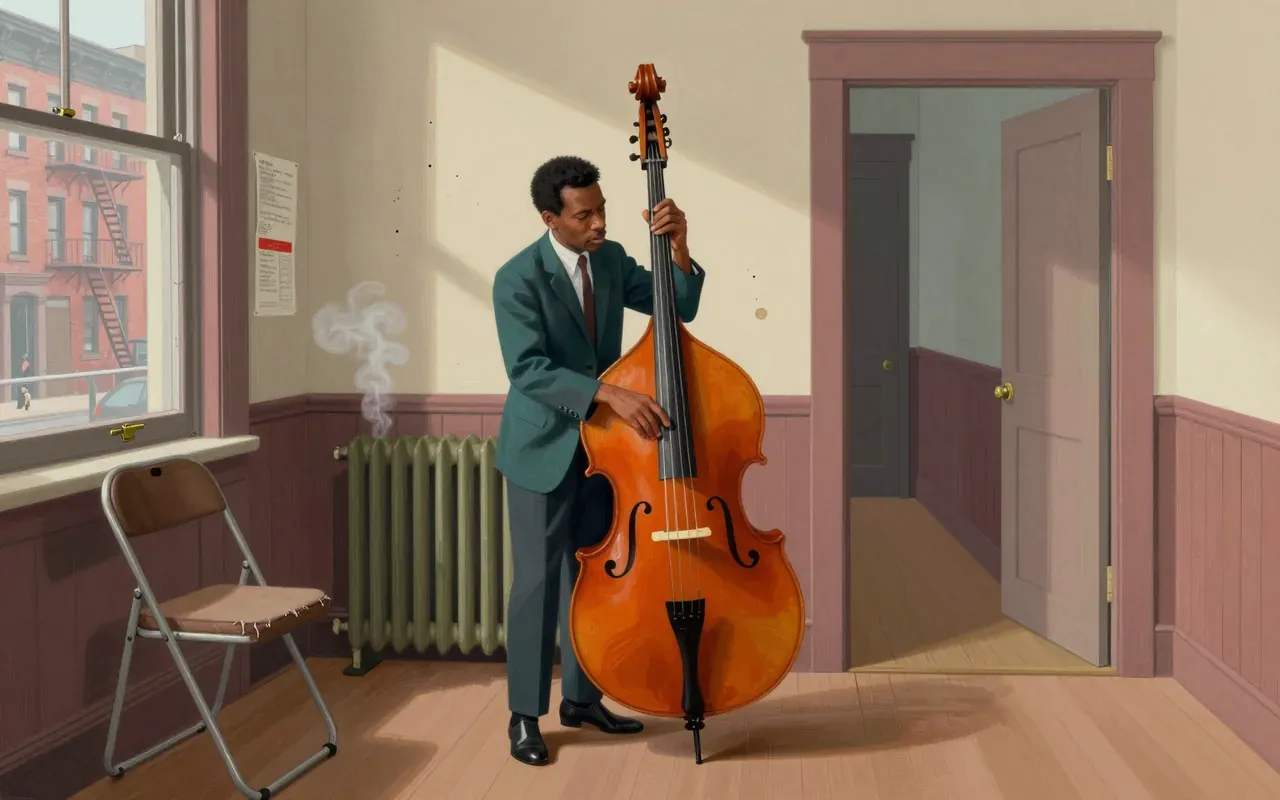
Blues & Roots was recorded in February 1959 and released in 1960. Nesuhi Ertegun encouraged Mingus to foreground the blues after criticism that his music did not swing enough. Mingus accepted the focus while insisting it represented only one part of his musical world.
How it sounds, and how it was made
Two alto saxophones, tenor, baritone and two trombones give the ensemble substantial weight around bass, piano and drums. Dannie Richmond supplies the drums, with Horace Parlan and Mal Waldron sharing the piano role across the programme. The horn combination favours a strongly collective presence.
What lands
“Wednesday Night Prayer Meeting” and “Moanin’” make the record’s purpose apparent. “My Jelly Roll Soul” gives the historical references another focus. The ensemble’s force shows how a familiar source language can support a distinctly personal way of organising musicians.
What does not
The density can feel overpowering, particularly when individual lines are difficult to separate. The deliberately focused programme also gives a partial view of Mingus. Hearing it as proof that his other work should have stayed within these terms would misunderstand the project’s premise.
The ideas inside it
Roots can be a place to work from rather than a boundary to obey. The record demonstrates an investment in blues and church-derived expression without making those resources the limit of a composer’s ambition.
Who should hear it, and who should not
Hear it if you enjoy a jazz ensemble acting with collective weight. It is less suitable when you want a consistently quiet, transparent small-group sound.
Is it worth your time
Yes. Listen for the different horn registers inside the massed sound; their organisation makes the energy intelligible.