What the record is and where it came from
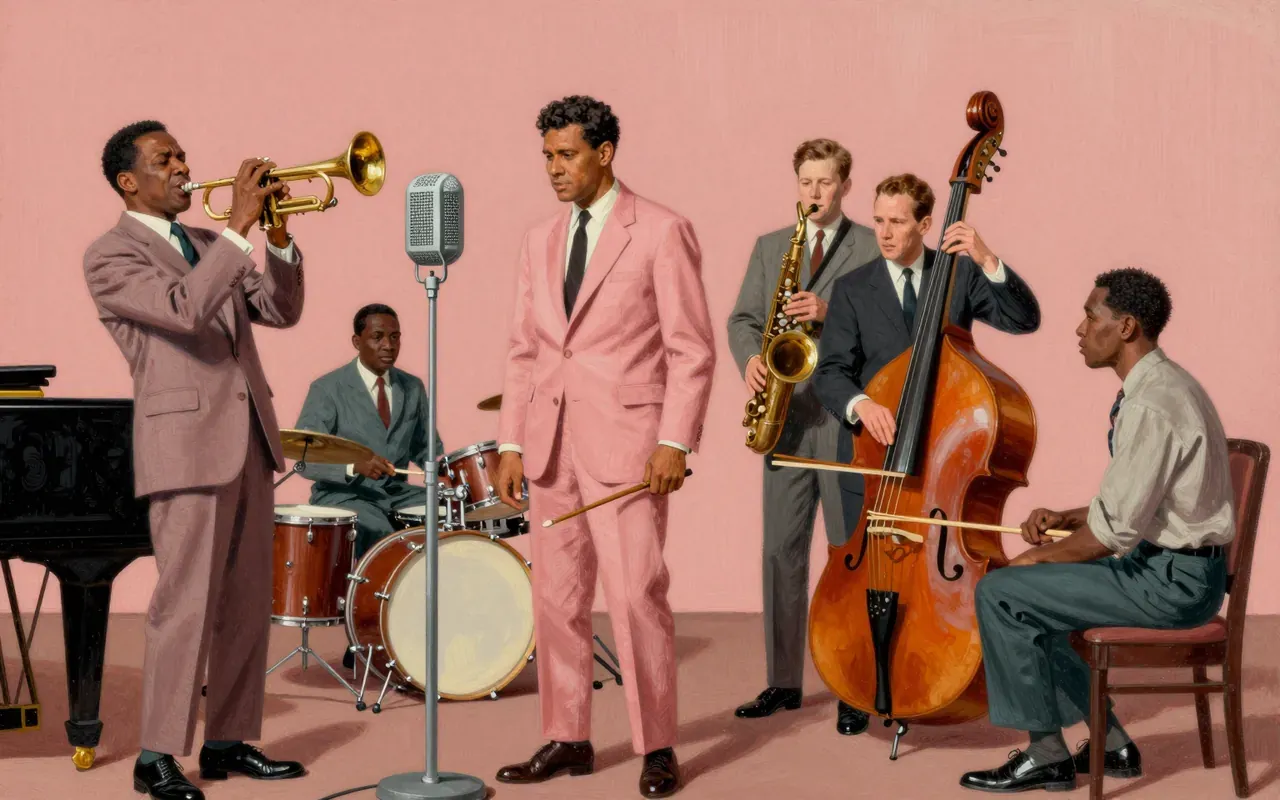
Recorded at Rudy Van Gelder’s Englewood Cliffs studio in 1959, this Blue Note album presents Horace Silver in quintet and trio settings. Blue Mitchell and Junior Cook supply trumpet and tenor saxophone; Eugene Taylor and Louis Hayes join Silver in the rhythm section. The title’s two ensemble sizes describe a meaningful change in perspective.
How it sounds, and how it was made
With the horns present, piano participates in an ensemble with two other prominent melodic voices. In the trio, the same pianist, bassist and drummer carry the whole performance. That contrast makes the record useful for hearing Silver as both a player and a bandleader.
Listen for what the smaller setting exposes and what the larger setting makes possible. The relationship among the musicians is more informative than treating every track as another piano feature.
What lands
The continuity of the rhythm section gives the change of scale a clear point of comparison. The album can present a fuller ensemble and then ask three of those players to stand on their own. The attraction is the balance between a leader’s identity and the resources of a working group.
What does not
This is a record to approach for the organisation of a small ensemble. If your priority is the disruption of familiar jazz roles, its virtues may seem too settled. Listening only for individual solos also risks overlooking the decisions that make the group coherent.
The ideas inside it
Leadership can be heard in the choice of setting as well as in the amount a musician plays. Silver’s piano remains central, but the record’s personnel and contrasting formats make the band itself part of his expression.
Who should hear it, and who should not
Hear it if you want to compare trio and quintet playing without changing the central rhythm section. It is a focused starting point for listening to Silver beyond a single familiar composition.
Is it worth your time
Yes. Follow one instrument through the change of ensemble size. The question of how its responsibilities change gives the album an immediate listening purpose.