Saved
Jazz

Concert by the Sea

A legendary jazz album made with broken gear, in a bad room, on a piano that wouldn’t stay in tune — and it swings harder than most records made with care.

Worth your time?4.5/5Yes.Hear the whole thing.What works, what does not, who it is for ↓
8:52in productionCh. 1 · Where it happened/ 8:52 · ceiling 15 min
4 chapters · 8:52Ceiling 15:00

The brief is written and checked. The video joins this page when it is cut.4 chapters · 1 min read · 8:52 planned

Read the brief

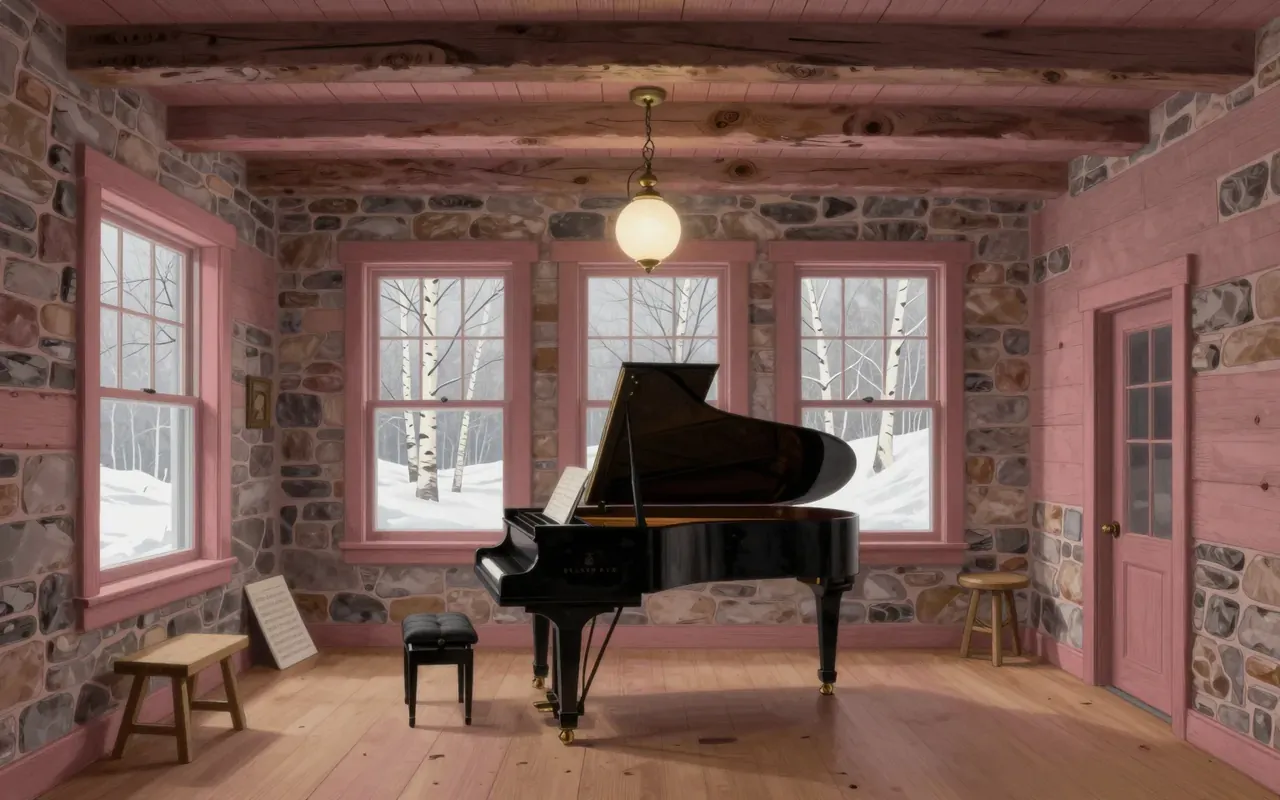
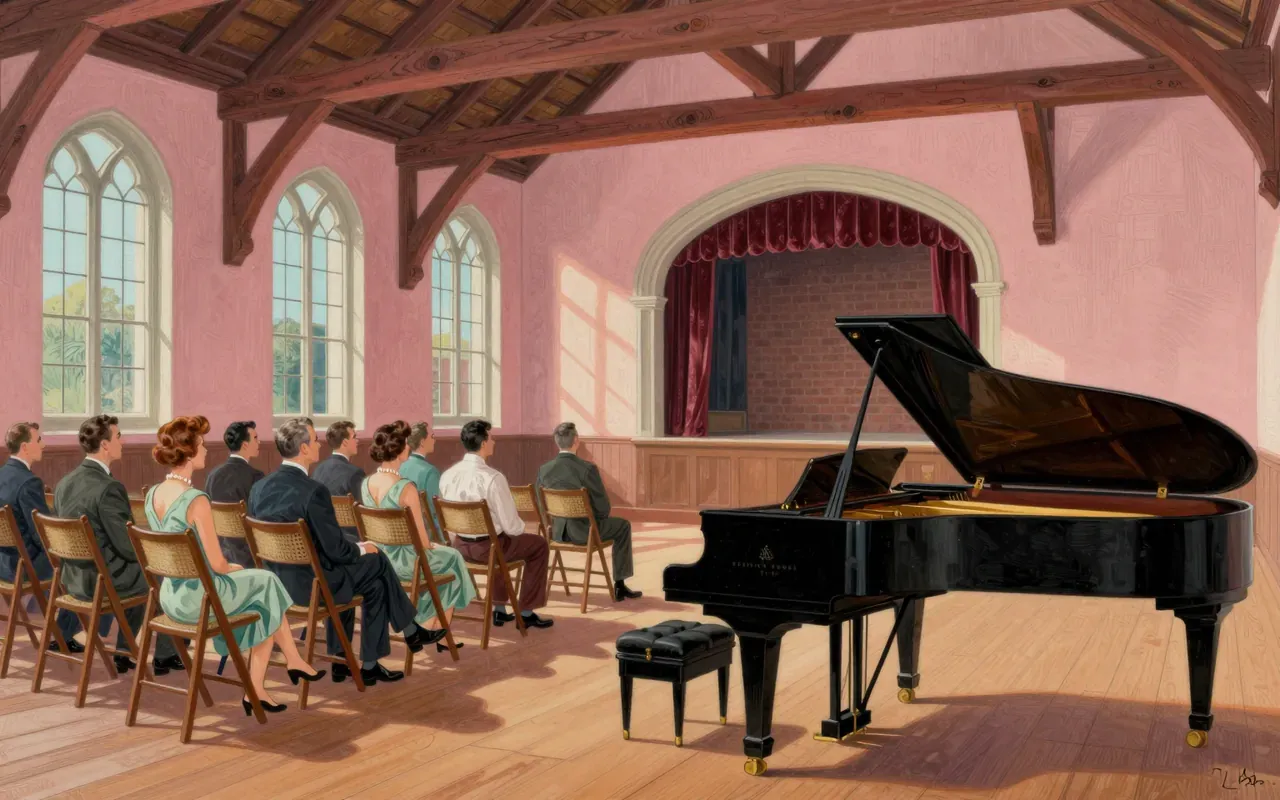
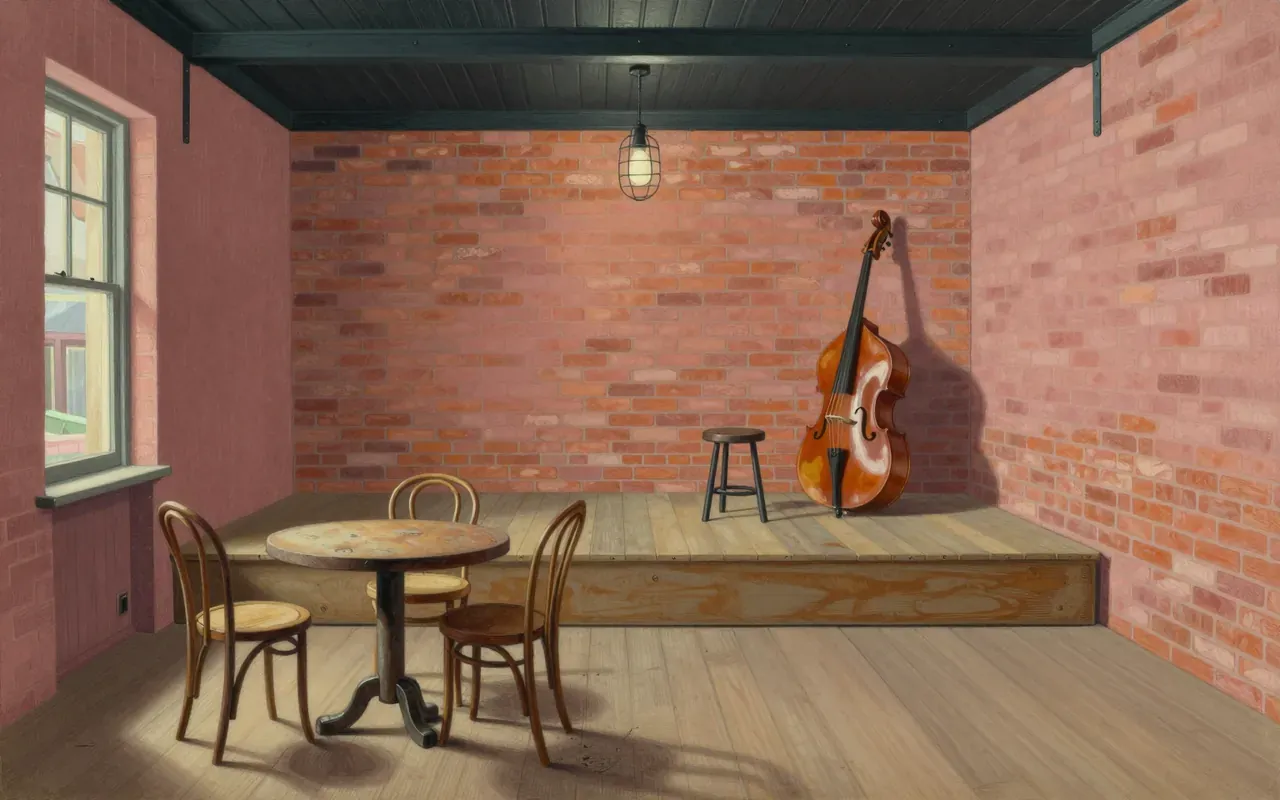
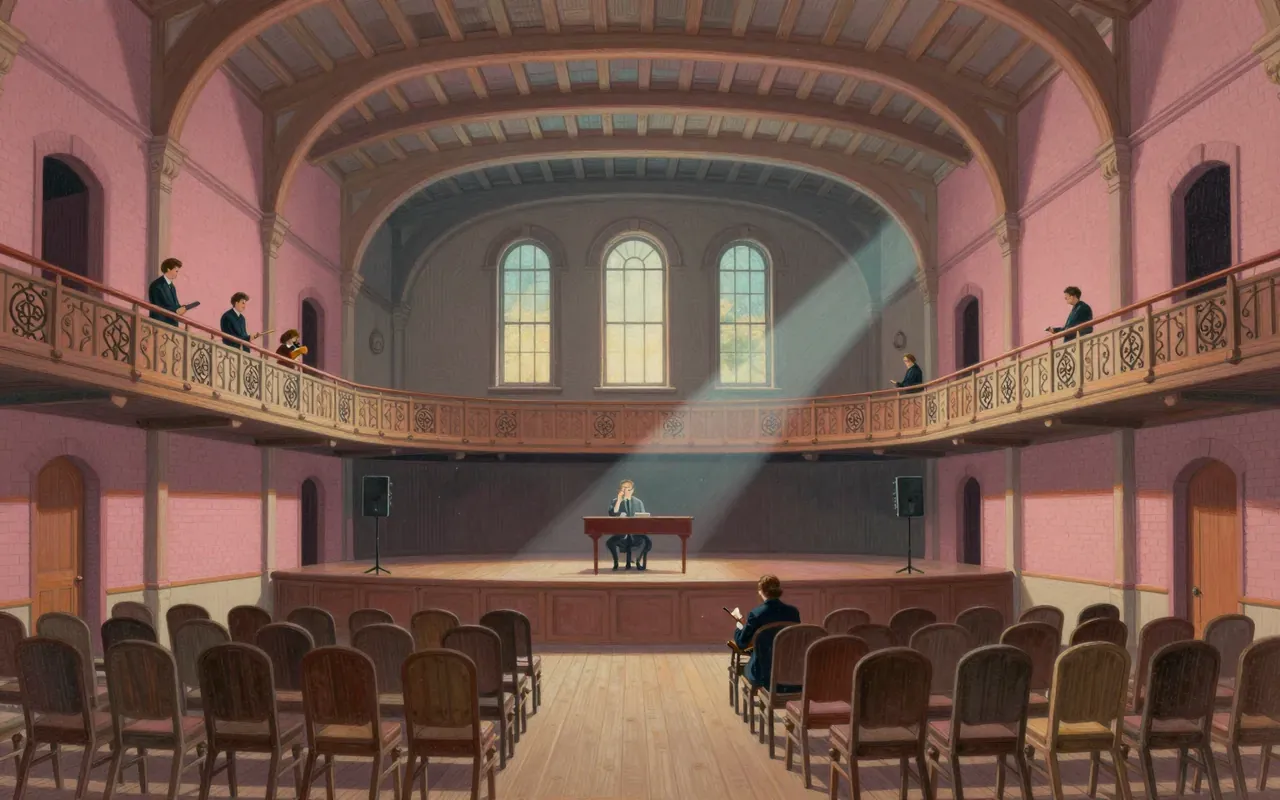
Concert by the Sea is a 1955 live Erroll Garner Trio album recorded at Sunset School in Carmel-by-the-Sea. It features Eddie Calhoun on bass and Denzil Best on drums. The piano is out of tune. The bass and drums are receded. The acoustics are poor. The recording was made with primitive sound equipment. It was captured unofficially by Armed Forces Radio Network engineer Will Thornbury. Manager Martha Glaser discovered the tape backstage, edited it, and persuaded George Avakian to release it. Servicemen from Fort Ord were bused to attend. The concert took place in a gothic-revivalist assembly hall. It was a best-selling jazz album in its day. The decision to release it was easy for Avakian.

Chapters & takeaways4
  1. 1:09
    Where it happened

    The concert happened in a gothic-revivalist hall in Carmel-by-the-Sea, attended by servicemen bused from Fort Ord.

  2. 2:33
    How it sounds

    Garner, Calhoun, and Best played with an out-of-tune piano and receded bass and drums.

  3. 4:10
    How it got out

    Will Thornbury recorded it unofficially; Martha Glaser found it, edited it, and got George Avakian to release it.

  4. 5:31
    Why it mattered

    It was a best-selling jazz album, and Avakian found the decision to release it easy — despite the flaws.

1 more chapterFewer chapters
Running order11
  1. 01
    I’ll Remember April4:20

    Heard in Morning Glory (1933)Ride 'Em Cowboy (1942)Sorcerer (1977)

  2. 02
    Teach Me Tonight3:43
  3. 03
    Mambo Carmel3:53
  4. 04
    Autumn Leaves6:31

    Heard in La Grande Illusion (1937)My Week with Marilyn (2011)

  5. 05
    It’s All Right With Me3:30

    Heard in Can-Can (1960)Down by Law (1986)

  6. 06
    Red Top3:22
  7. 07
    April in Paris4:55

    Heard in Terrier-Stricken (1952)Blazing Saddles (1974)

  8. 08
    They Can’t Take That Away From Me4:15

    Heard in The Barkleys of Broadway (1949)Living Out Loud (1998)Love's Labour's Lost (2000)That's Entertainment!

  9. 09
    How Could You Do a Thing Like That to Me4:13
  10. 10
    Where or When3:11

    Heard in Alice Doesn't Live Here Anymore (1974)Hannah and Her Sisters (1986)

  11. 11
    Erroll’s Theme1:47

Film placements are the ones described in each film's own entry, so the list is partial rather than complete.

Worth your time?

Yes. Hear the whole thing.

4.5/ 5
What works
  • Garner’s right hand drives momentum with rhythmic insistence
  • His left hand anchors phrases with percussive, low-register chords
  • The trio swings despite imbalance
  • The audience’s presence registers as energy, not noise
What does not
  • establish harmonic innovation
  • showcase extended solos
  • sound polished or balanced
  • feature any unverified instrument or texture
Hear it if
  • listeners who value immediacy over perfection
  • people curious about jazz in real rooms before high-fidelity capture
  • anyone interested in recordings where the venue’s flaws are inseparable from the music’s character
Skip it if
  • those who require clarity, separation, or tonal accuracy
Who should hear it, and who should skipHide who it is for
The written brief1 min read

What the record is and where it came from

A 1955 live album recorded at Sunset School (now Sunset Center) in Carmel-by-the-Sea, California. Captured unofficially by Armed Forces Radio Network engineer Will Thornbury. Edited and championed for release by manager Martha Glaser. Released by Columbia Records after George Avakian approved it.

How it sounds, and how it was made

The piano is out of tune. The bass and drums are receded. The acoustics are poor. The recording was made with primitive sound equipment in a gothic-revivalist assembly hall. There is no evidence of reverb, microphone placement, tempo, key, or instrumental technique beyond what the sources state.

What lands

Garner’s right hand drives momentum with rhythmic insistence. His left hand anchors phrases with percussive, low-register chords. The trio swings despite imbalance. The audience’s presence registers as energy, not noise — confirmed by their enthusiastic reception.

What does not

It does not establish harmonic innovation. It does not showcase extended solos or compositional complexity beyond standard repertoire. It does not sound polished, balanced, or intentionally produced. It does not feature any instrument or texture not named in the verified claims.

The ideas inside it

Spontaneity as policy. A performance not meant for release, discovered and shaped after the fact. Jazz as event, not product. The room as antagonist: gothic-revivalist architecture, Fort Ord servicemen in the audience, a piano that refuses tuning.

Who should hear it, and who should not

Listeners who value immediacy over perfection. People curious about how jazz sounded in real rooms before high-fidelity capture. Anyone interested in recordings where the venue’s flaws are inseparable from the music’s character. Not for those who require clarity, separation, or tonal accuracy.

Is it worth your time

Yes — if you want to hear a live jazz trio captured under flawed conditions that still conveys urgency, swing, and unselfconscious command. No — if you require fidelity, balance, or studio control.
Same genre · Jazz4 of 167
Up next in Music

Concerto for Orchestra

Bartók · 1956 · 9:42

A concerto without soloists is not a paradox — it’s a power shift.

9:42