What the record is and where it came from
A 1976 Philadelphia soul-disco record by The Trammps. Produced by Ronnie Baker, Norman Harris and Earl Young — all MFSB mainstays who performed on it. Co-written by Ron Kersey, also an MFSB member.
How it sounds, and how it was made
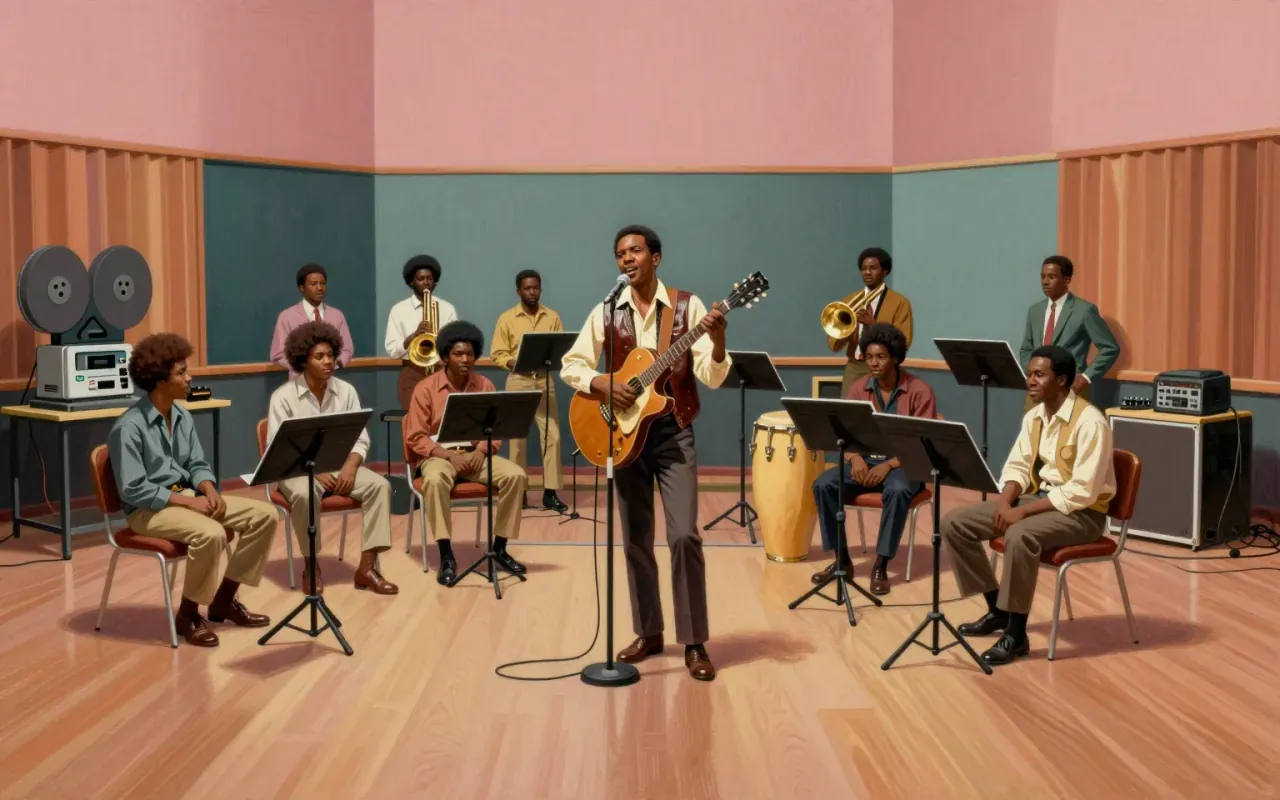
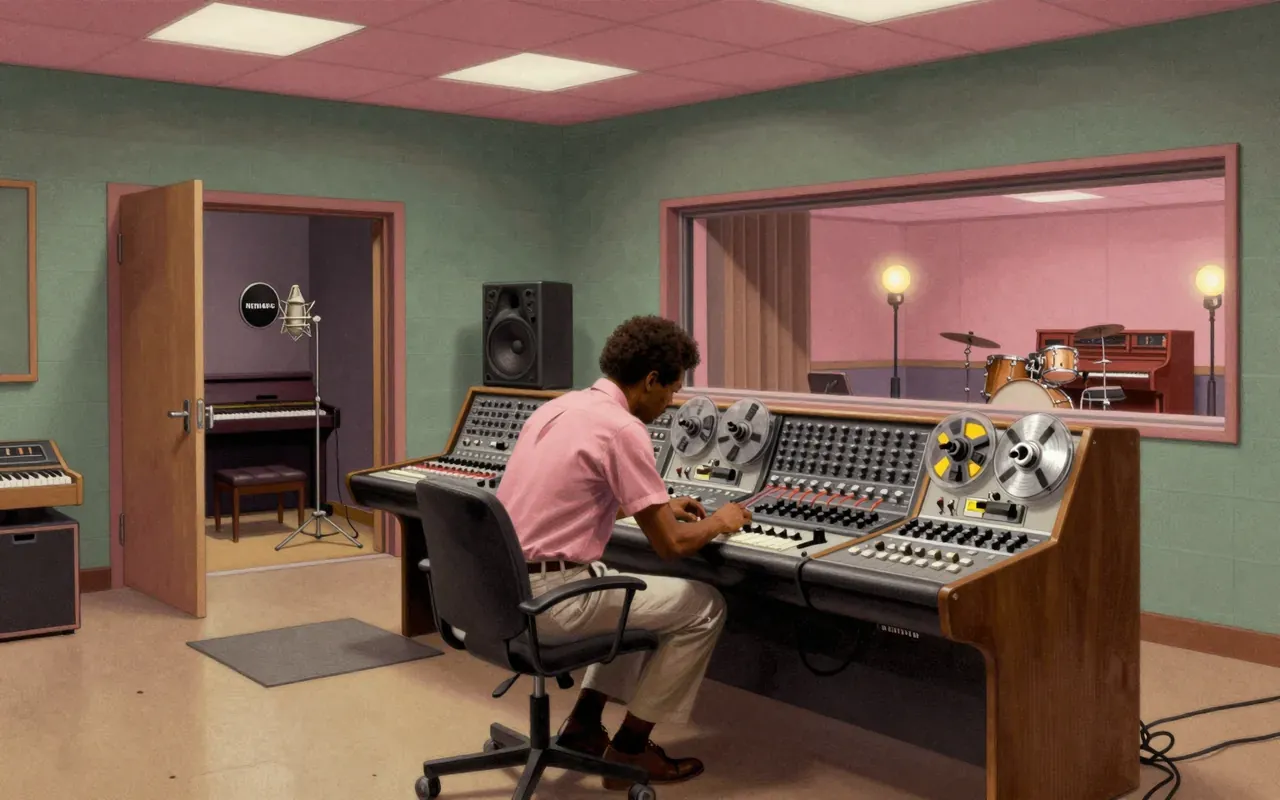
The mix features an unusually wide dynamic range. This came from a Dolby noise reduction error during mixdown, later corrected by engineer Jay Mark. MFSB members played bass, guitar, drums and strings. The room was used for tight, punchy rhythm section capture. No reverb is named in the material, so none is described.
What lands
The 10:54 title track lands with its staccato string hits, clapping backbeat, and shouted chorus. The wide dynamic range makes the kick drum hit like a door slamming. The groove locks in at a pace that forces movement.
What does not
It does not build slowly. It does not fade out. It does not feature synthesizers, horns as lead voices, or vocal harmonies beyond call-and-response. Nothing in the material supports any of those.
The ideas inside it
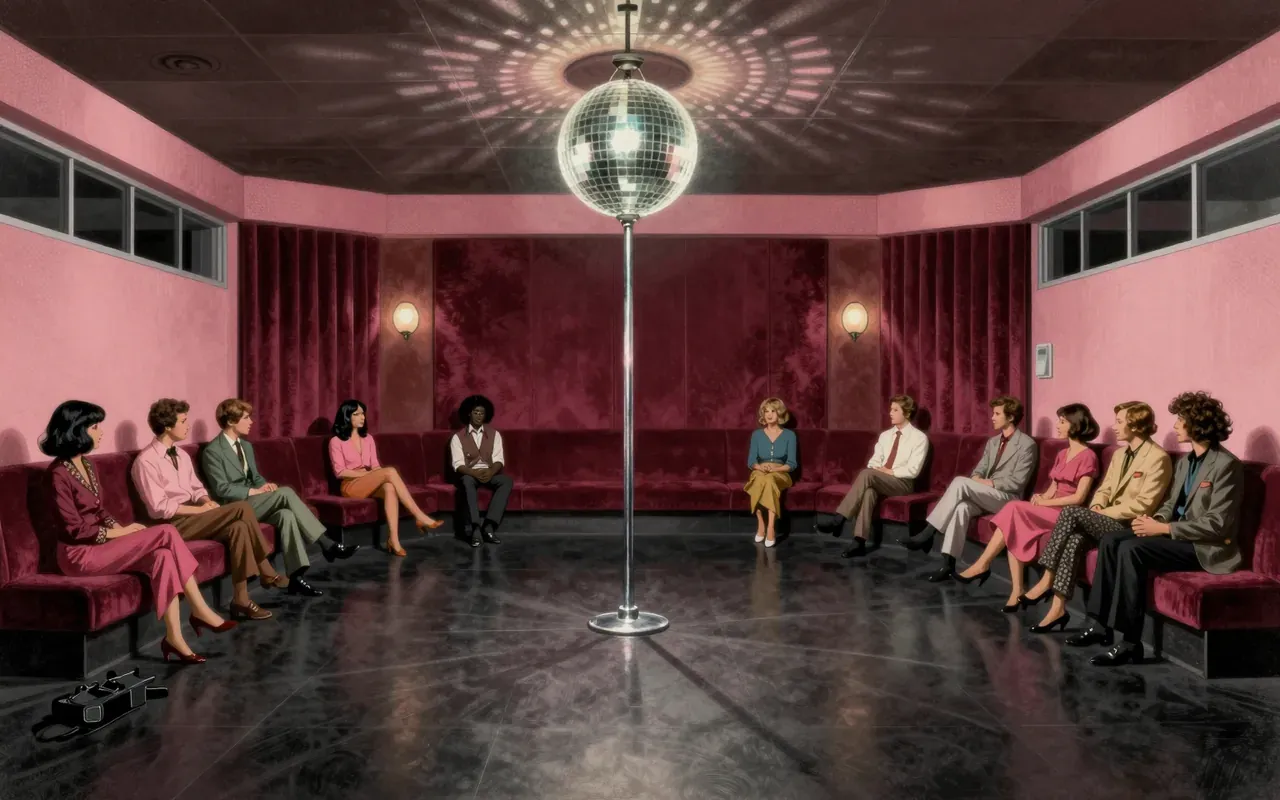
It dramatises panic at a party. The fire is metaphorical and literal: a 1974 film about a ballroom blaze inspired the title and urgency. There is no lyrical reference to disco culture beyond the word ‘disco’ itself.
Who should hear it, and who should not
DJs who cue by ear. Sound engineers studying dynamic range in pre-digital mixing. Anyone who needs proof that disco was built for bodies, not headphones.
Is it worth your time
Yes — if you want to hear how disco’s physicality was engineered into the groove. No — if you expect subtlety or restraint.