What the record is and where it came from
A 1975 debut album anchored by a single idea: Donna Summer’s 1974 proposal to Giorgio Moroder and Pete Bellotte, developed into an overtly sexual disco track inspired by Jane Birkin and Serge Gainsbourg’s ‘Je t’aime… moi non plus’. It began as a demo intended for another artist, became a European curiosity, then a US disco imperative after Neil Bogart demanded a longer version.
How it sounds, and how it was made
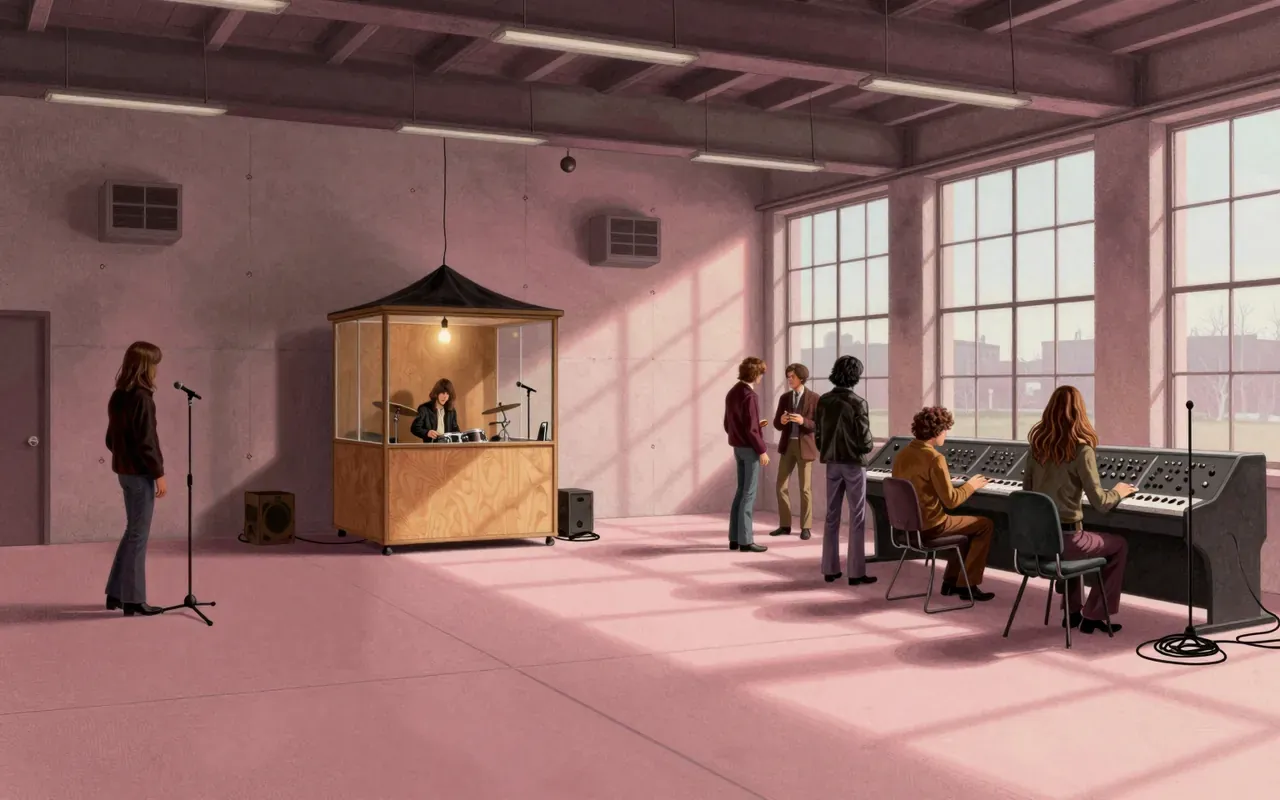
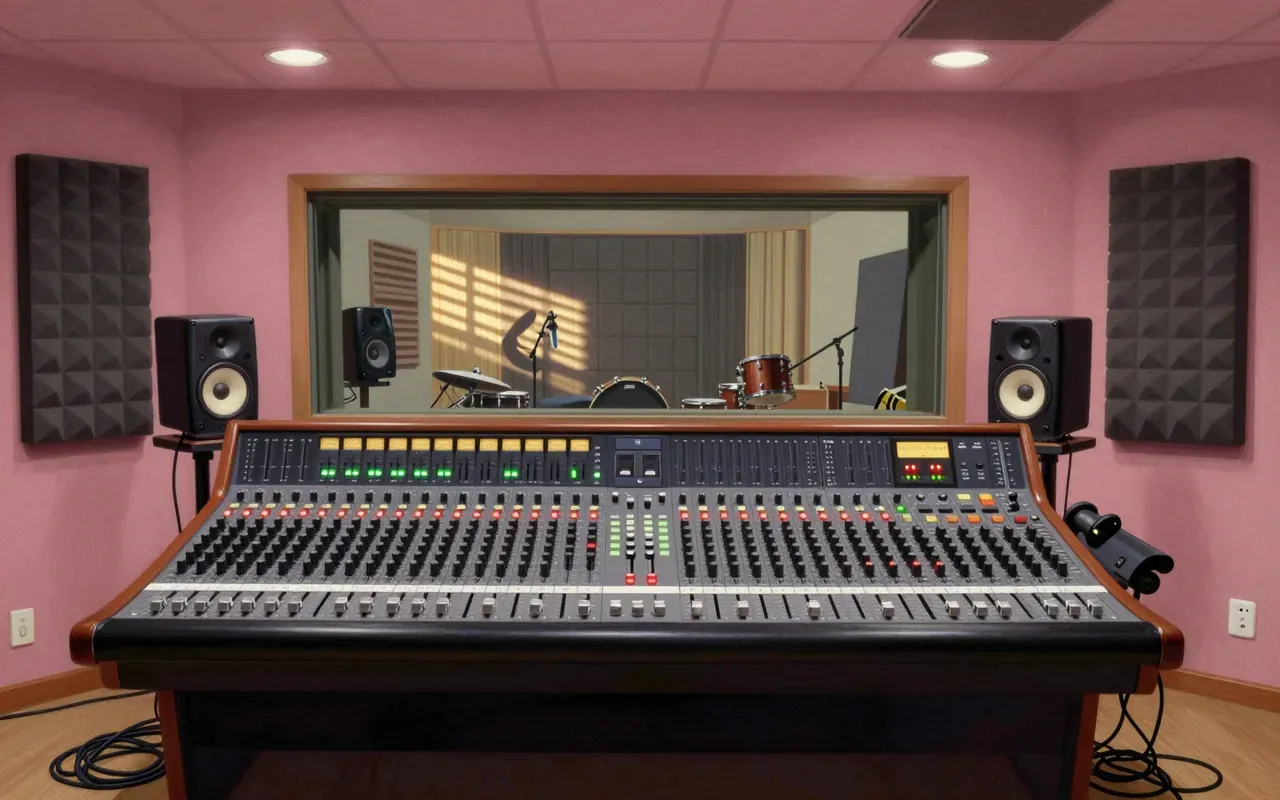
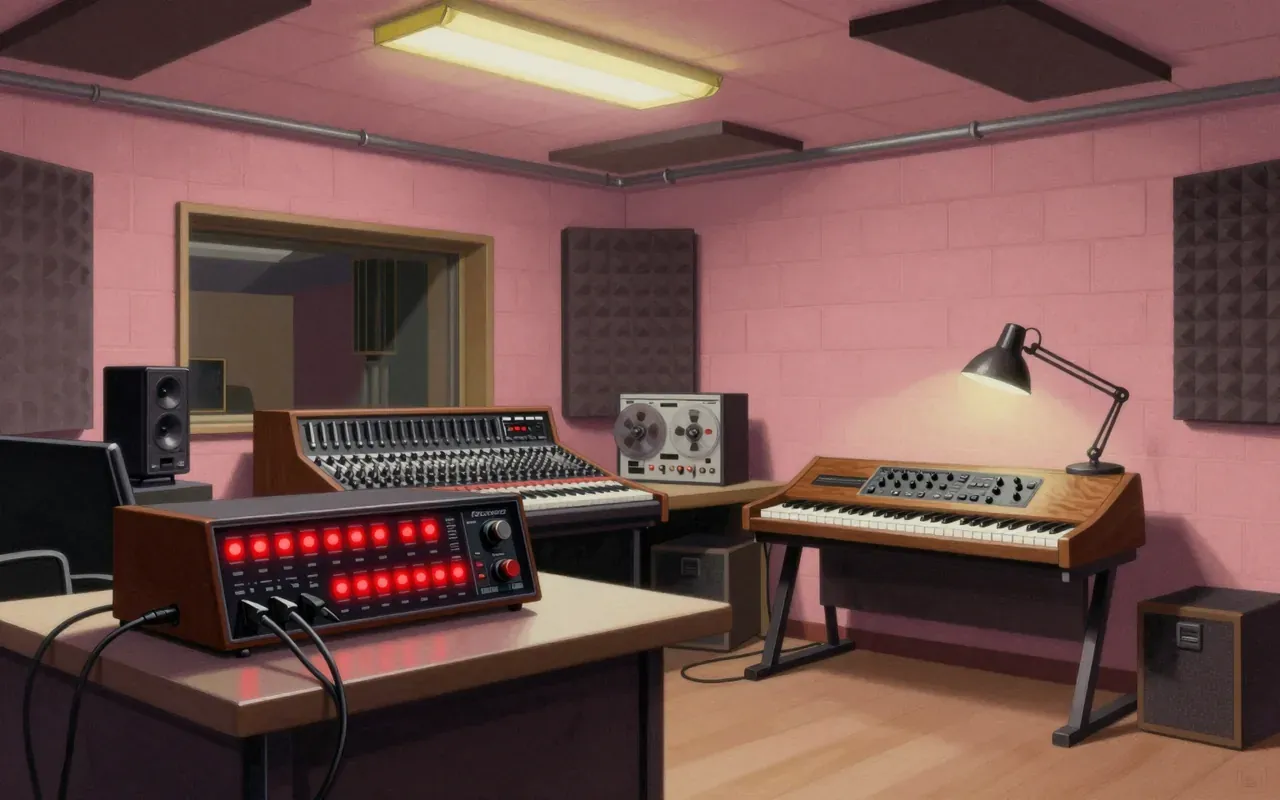
A 16-minute disco track built on a steady four-on-the-floor pulse, layered with synthesised bass, sparse piano chords, and Donna Summer’s voice — breathy, whispered, moaning, improvised — recorded in a dry studio space with minimal reverb. Moroder and Bellotte gave Summer no fixed lyrics, only a concept and direction to embody Marilyn Monroe in sexual ecstasy. Her vocal performance was captured live in one take, with orgasmic moans insisted upon by Moroder after initial resistance.
What lands
The moans land. The tempo lands. The repetition lands. The shift from demo to anthem lands — because it was played all night at industry parties before Casablanca even signed it. The 16-minute version lands as a functional object for discos, not a listening experience for home stereo.
What does not
It does not develop harmonically. It does not feature live drums, guitar solos, or orchestral swells. It does not resolve lyrically or narratively. It does not separate verse from chorus — it sustains a single state across 16 minutes.
The ideas inside it
Sex as rhythm. Female pleasure as nonverbal, cyclical, unapologetically physical. Disco as a space where desire is engineered into duration. The studio as a chamber for role-play: Monroe’s persona, Birkin’s precedent, and Summer’s own voice fused into a new kind of vocal instrument.
Who should hear it, and who should not
DJs building a set around physical release. Students of studio-as-character. Anyone tracing how female voice entered electronic dance music as texture, not just melody. Not listeners seeking lyrical clarity, dynamic contrast, or instrumental virtuosity.
Is it worth your time
Yes — if you want to hear the first fully realised disco record built around female subjectivity as sonic texture, not just theme. No — if you expect tight songcraft, instrumental interplay, or variation beyond repetition and escalation.