What the record is and where it came from
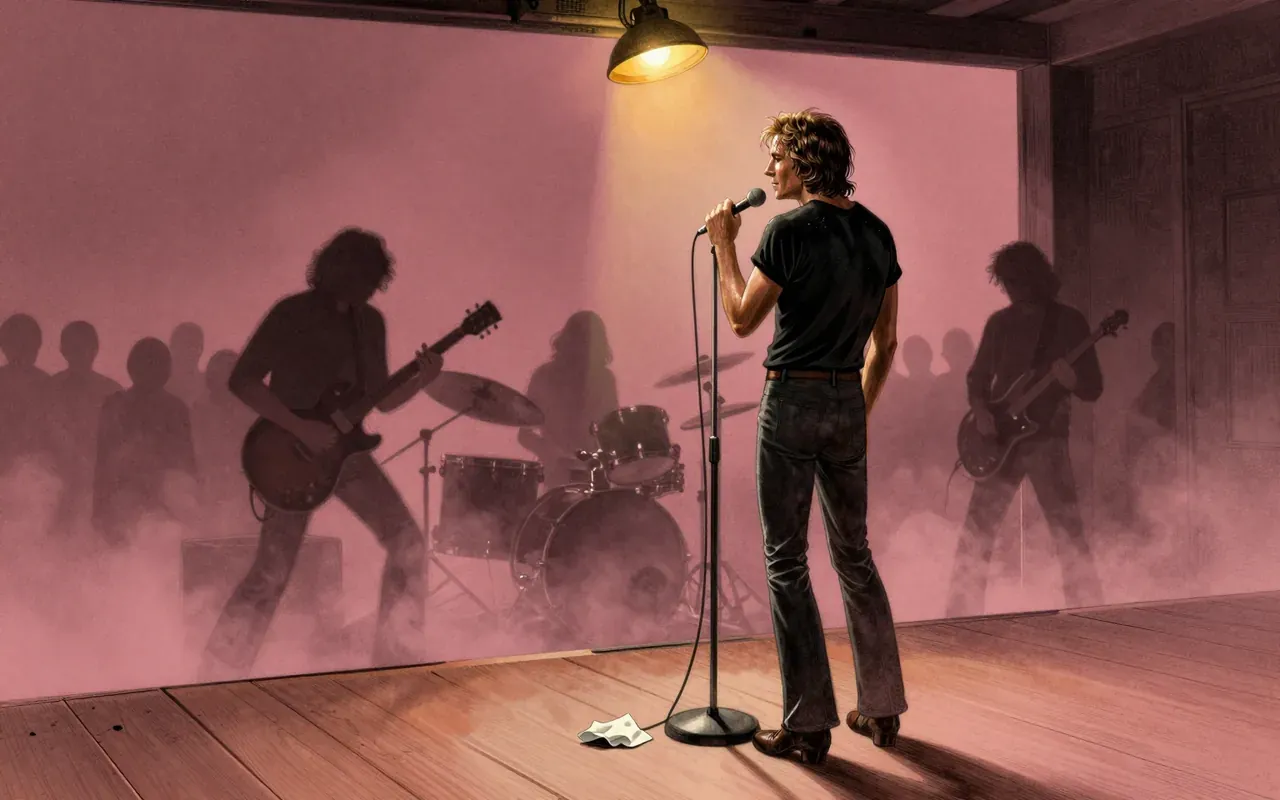
Released in 1979, Highway to Hell was AC/DC’s first album with producer Robert John “Mutt” Lange and their last with singer Bon Scott. Its place before Scott’s death can make it seem like a farewell, but the working project was a band refining its approach for a wider audience.
How it sounds, and how it was made
Lange worked closely on performances and arrangements, including Scott’s vocal technique and the backing vocals. The added control gave the songs another degree of definition while retaining the band’s guitar-based attack.
The musical vocabulary stays concentrated: riffs, a firm rhythm section, lead guitar and a vocal that needs to cut through them. Variation has to come from the way those resources are organised, rather than from introducing a new instrumental world for every track.
What lands
The title track is the clearest point of entry, with “Touch Too Much” offering another example of the album’s attention to vocal presentation. “If You Want Blood (You’ve Got It)” turns a demand for intensity into a song title that also describes the band’s public bargain.
There is value in how quickly the music declares its purpose. A listener can recognise the central idea without the arrangement becoming merely an introduction to a solo. The songs carry the record’s identity.
What does not
The restricted palette makes repetition an obvious risk. Several songs return to appetite and sexual pursuit, and their perspective can feel more tiresome than mischievous. Anyone who wants the lyrics to open out into complicated characters will find less to work with than someone listening for the band.
The ideas inside it
Precision can support an impression of abandon. The production history suggests that apparently unforced impact can require patient correction, rehearsal and choices about emphasis. The record’s directness is a result worth distinguishing from simplicity of execution.
Who should hear it, and who should not
Hear it if hard rock’s pleasure for you lies in a recognisable riff becoming a complete song. It offers less to listeners whose main interest is adventurous instrumentation or reflective lyric writing.
Is it worth your time
Yes. Pair the title track with “Touch Too Much,” then hear the original ten tracks. The album demonstrates how much a focused band can gain from tightening the presentation of what it already does well.