What the record is and where it came from
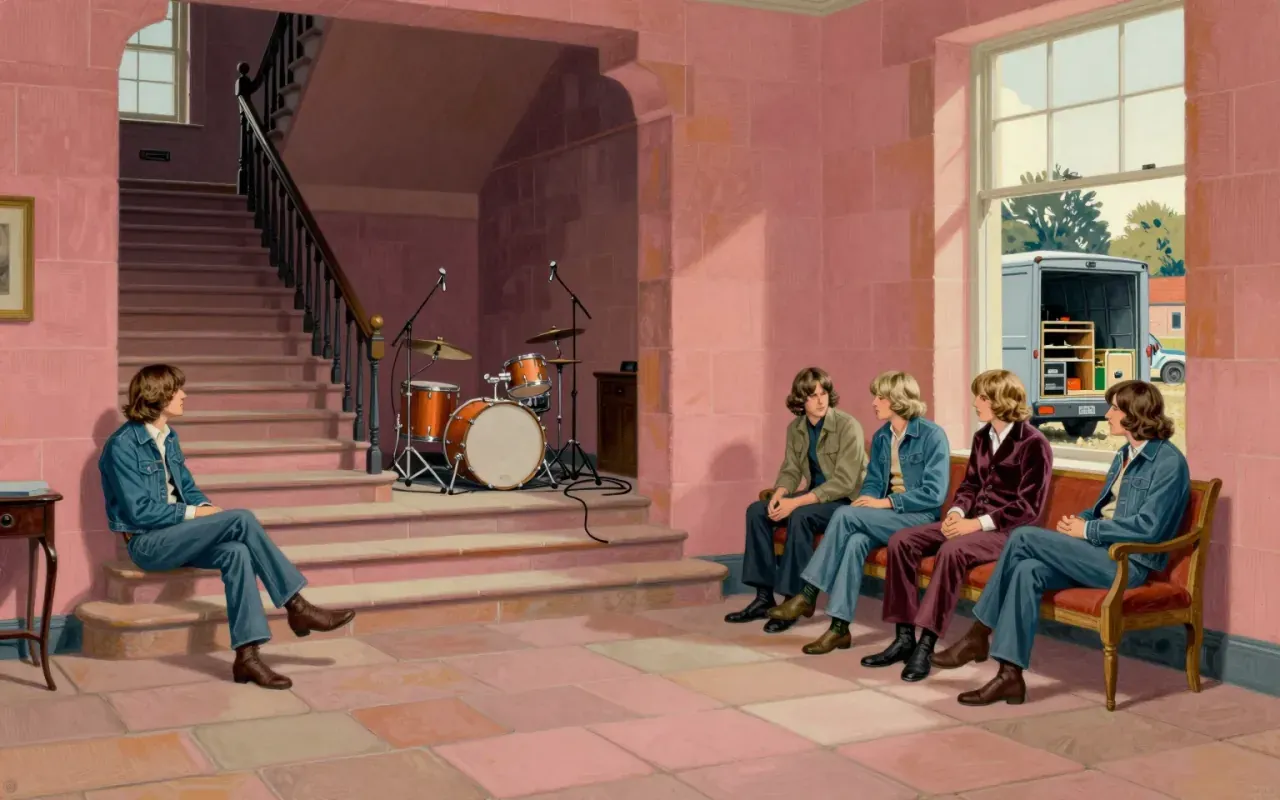
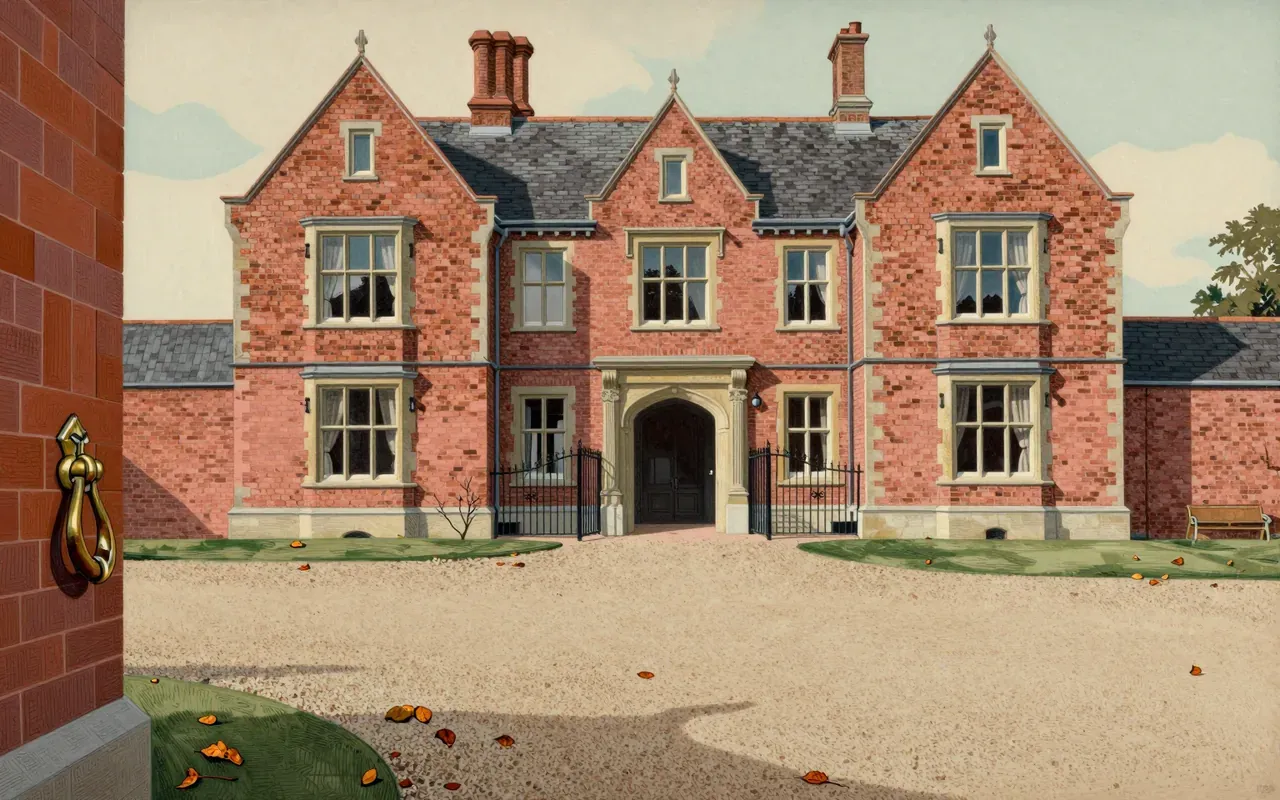
Houses of the Holy is Led Zeppelin’s 1973 studio album, recorded primarily in April 1972 at Mick Jagger’s Stargroves manor house in Hampshire using the Rolling Stones Mobile Studio. Additional sessions occurred at Olympic Studios and Electric Lady Studios during their 1972 North American tour. It was produced by Jimmy Page and engineered by Eddie Kramer. It is the band’s only Atlantic Records release before founding Swan Song, the first with full printed lyrics, and the first with a non-eponymous title and Hipgnosis-designed packaging.
How it sounds, and how it was made
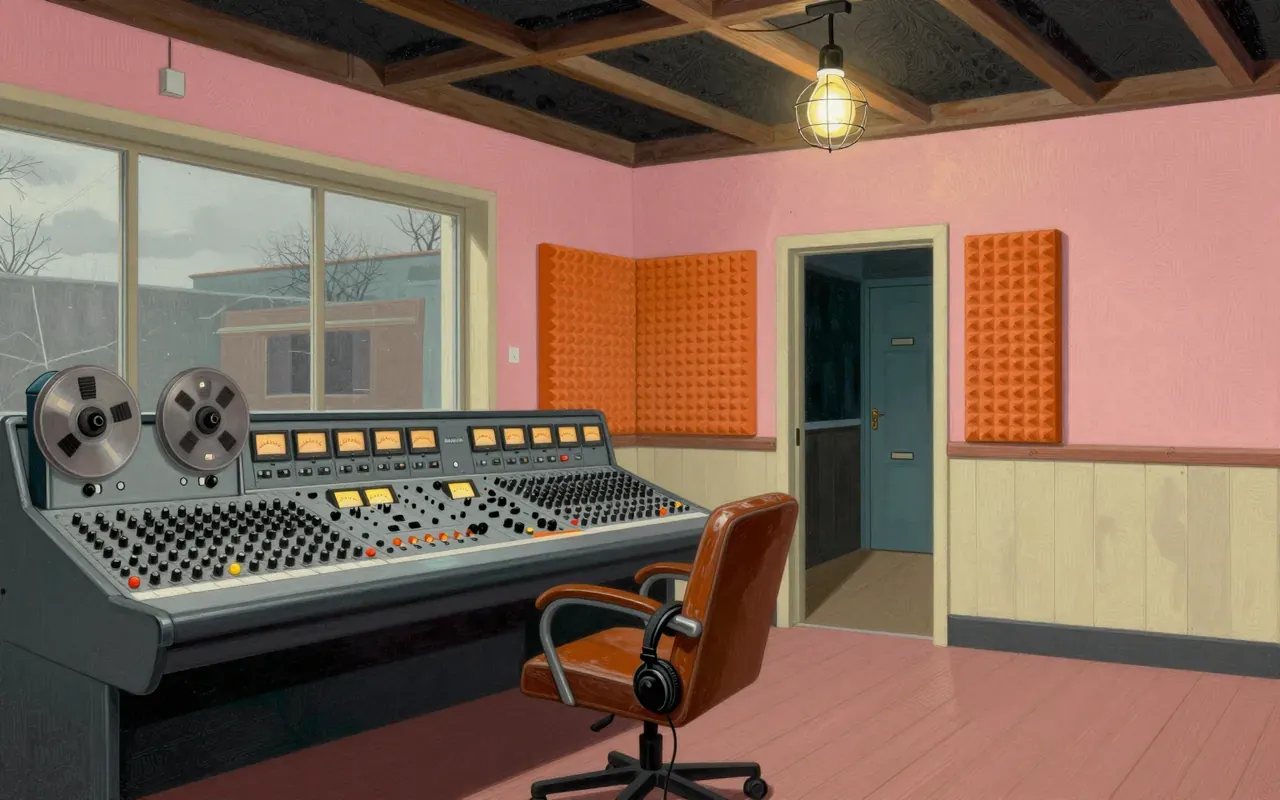
It sounds like a band trading blues-rock grit for studio precision and genre play. The Rolling Stones Mobile Studio captured performances at Stargroves’ manor house—dry, clear, and spatially defined. Page’s home-studio arrangements arrived with non-standard tunings, layered guitar parts, and dynamic shifts. Jones added mellotron and synthesizers. Bonham’s drumming pivots between swing, funk off-beats, and heavy rock grooves. Kramer’s engineering foregrounds separation: bass lines breathe, cymbals ring, vocals float without reverb. No tape saturation, no room bleed beyond what the manor’s acoustics gave. The sound is deliberate, uncluttered, and texturally distinct per track.
What lands
‘The Song Remains the Same’ lands with its tight, ascending riff and Plant’s clipped phrasing—no fade, no sprawl. ‘Over the Hills and Far Away’ lands with its acoustic intro resolving into layered electric guitars and precise tempo shift. ‘D’yer Mak’er’ lands with its reggae skank stripped to bass-and-snare skeleton. ‘No Quarter’ lands with its slow, detuned bass line and Jones’s mellotron swells—no guitar solo, no climax, just sustained unease.
What does not
It does not sound like Led Zeppelin’s first two albums. There is no blues distortion, no raw club-room compression, no extended blues jams built on repetition. It does not rely on vocal histrionics or guitar solos as climax. It does not use orchestration, strings, or backing choirs. It does not feature improvisation as structure—it uses jamming as source material, then edits and arranges.
The ideas inside it
The idea that genre is a set of tools, not a cage. That home studios enable compositional rigour before arrival. That a mobile unit can be a creative constraint—not a compromise. That clarity and eclecticism are compatible. That a record can be unified by execution, not style.
Who should hear it, and who should not
Producers who work with mobile units. Guitarists who tune outside standard intervals. Bass players studying how to anchor genre shifts. Anyone who thinks ‘eclectic’ means ‘incoherent’—this record proves otherwise. It is not for listeners who require consistent tone, linear narratives, or vintage lo-fi warmth.
Is it worth your time
Yes—if you want to hear how four musicians used location, preparation, and gear to expand rock’s vocabulary without abandoning control. It rewards attention to arrangement, not just riff. It is not background music. It is not nostalgic. It is functional studio craft made audible.