What the record is and where it came from
This 1962 album selects three performances from Coltrane’s November 1961 Village Vanguard engagement. Bob Thiele produced and Rudy Van Gelder recorded the concerts. It is distinct from later Vanguard releases and the larger archive eventually issued from the same run.
How it sounds, and how it was made
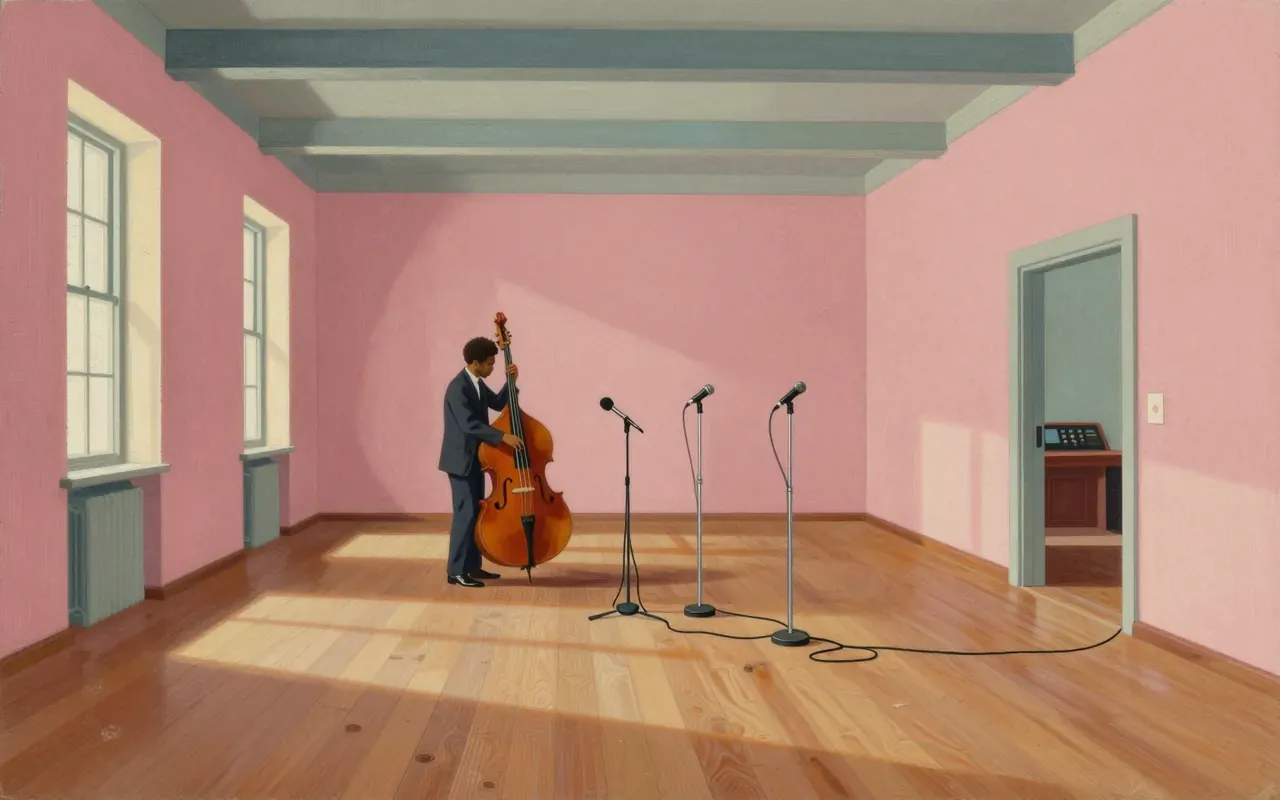
Eric Dolphy’s bass clarinet joins “Spiritual,” while piano appears on the original first side. “Chasin’ the Trane” reduces the group to Coltrane’s tenor, Jimmy Garrison’s bass and Elvin Jones’ drums. Removing piano changes the harmonic support available to the saxophonist.
What lands
The trio performance gives the album its most concentrated challenge, with the three musicians sustaining a long exchange from minimal personnel. “Softly, as in a Morning Sunrise” supplies a different frame. The contrast makes instrumental subtraction something the listener can follow across the programme.
What does not
The intensity and duration can be wearing, especially if the trio’s persistent exploration feels less like development than pressure. The original selection also gives only a partial view of the engagement. Familiarity with other Vanguard albums can create mistaken expectations about what is included.
The ideas inside it
Freedom can begin with a concrete change in accompaniment. The record makes the removal of one instrument consequential, exposing how musicians negotiate continuity when a familiar source of harmonic definition is absent.
Who should hear it, and who should not
Hear it if you want to follow Coltrane into a demanding live setting. It is less appropriate when warmth, brevity or consistent instrumentation is the main priority.
Is it worth your time
Yes. Hear the three performances as contrasting setups before moving to the complete concert archive.