musicbriefs
1:56in production/ 1:56 · ceiling 15 min
Rock

McCartney

A home-recorded debut puts finished songs beside the pleasures and limits of working alone.

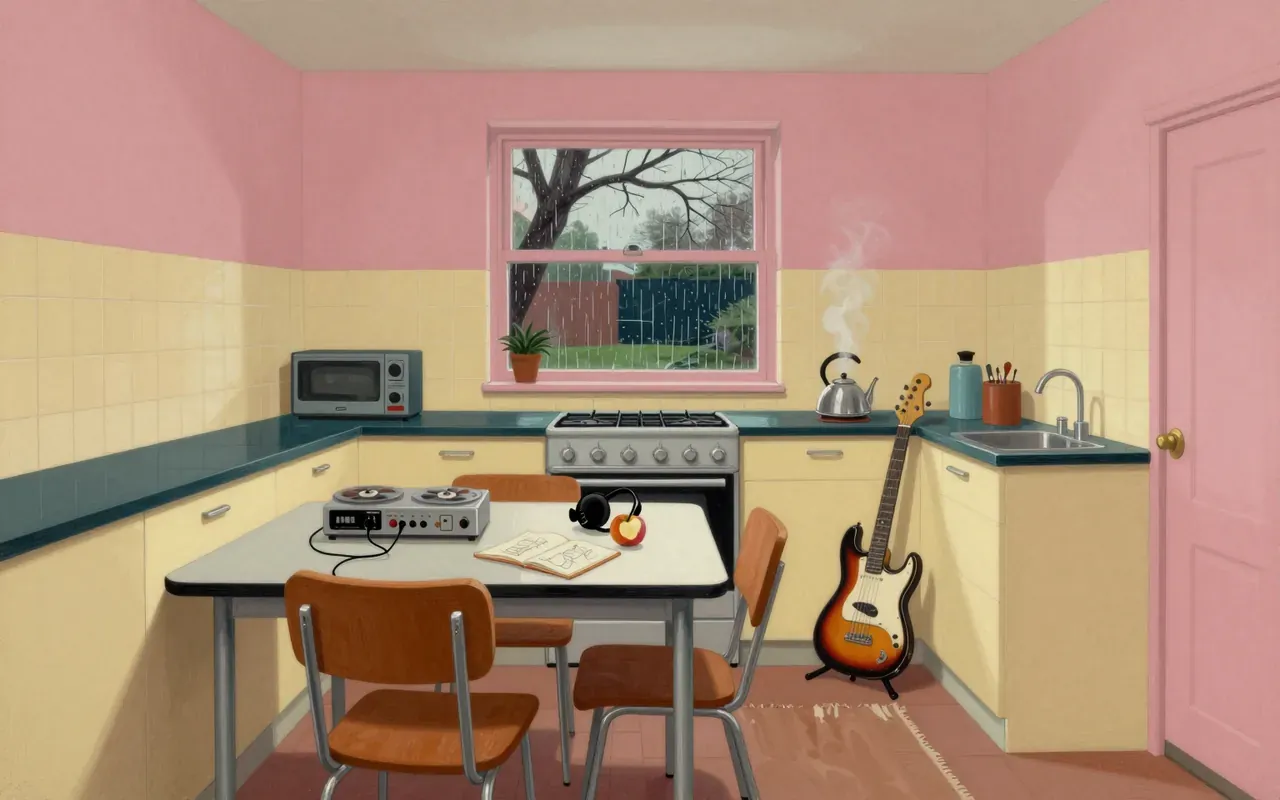
McCartney was released in April 1970 during the Beatles' breakup. Much was recorded privately at home on basic equipment, with further work in professional studios. Apart from Linda McCartney's occasional vocals, Paul performed the album alone through overdubbing.

Worth your time?

Yes. Hear the whole thing.

What works
    What does not
      Hear it if
      • Listeners interested in informal recording and McCartney’s multi-instrumental work
      Skip it if
      • Listeners expecting a uniformly polished Beatles-scale album
      The written brief1 min read

      What the record is and where it came from

      McCartney was released in April 1970 during the Beatles’ breakup. Much was recorded privately at home on basic equipment, with further work in professional studios. Apart from Linda McCartney’s occasional vocals, Paul performed the album alone through overdubbing.

      How it sounds, and how it was made

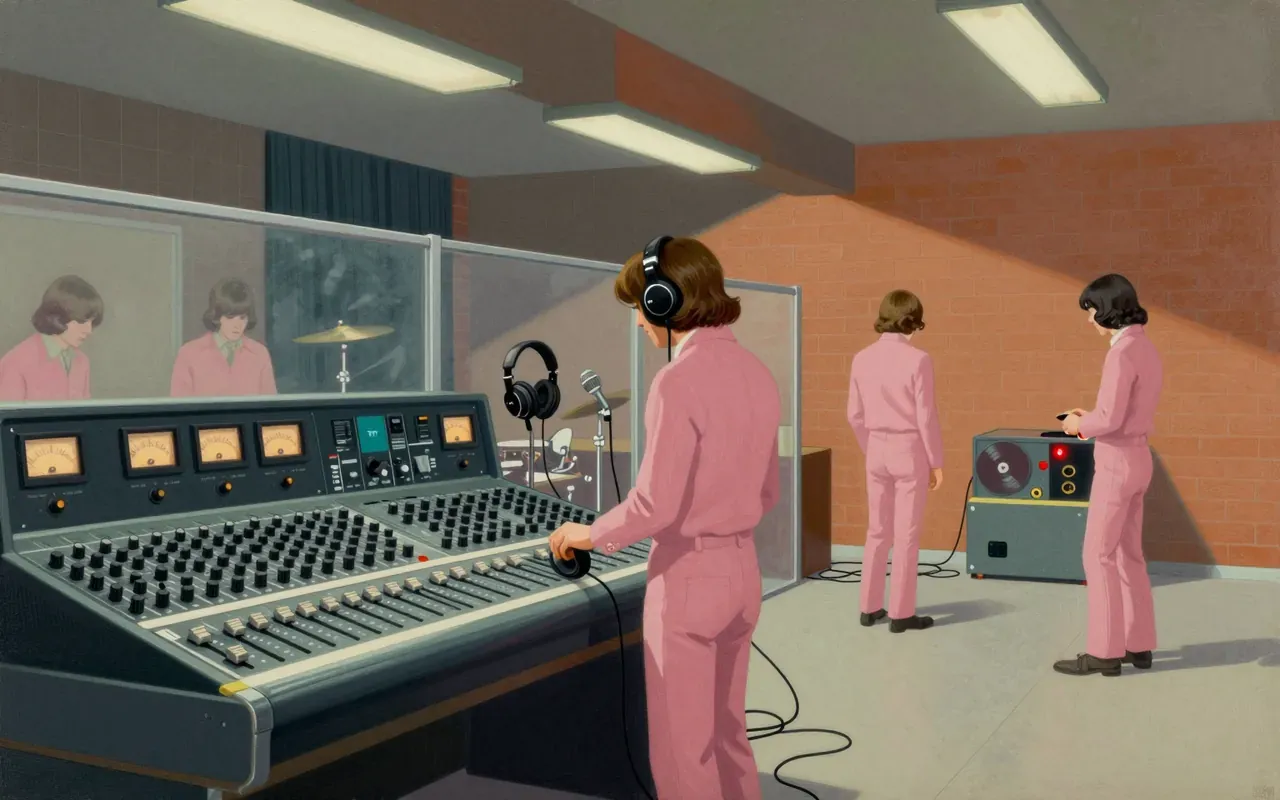
      Guitars, bass, drums, piano, organ and other instruments are layered on four-track tape. The loose arrangements preserve the scale of the working process. A single musician occupying several roles gives the record continuity, but also a different kind of interaction from a band.

      What lands

      “Maybe I’m Amazed” shows that a strongly formed song can emerge from this setting. The smaller and less finished pieces offer another pleasure: hearing a capable musician explore without every idea becoming a formal statement. The contrast is integral to the album’s character.

      What does not

      Some fragments feel underdeveloped beside the strongest material. Informality does not make every sketch equally interesting, and listeners expecting consistent completion may find the record frustrating. The surrounding breakup history can lend importance to passages that remain slight on their own.

      The ideas inside it

      Working alone changes both freedom and resistance. The record offers room for unguarded invention, while making audible what may be missing when other musicians are not present to challenge or extend an idea.

      Who should hear it, and who should not

      Hear it if process and atmosphere can matter alongside finished songs. It is less rewarding when you want a consistently elaborate studio production.

      Is it worth your time

      Yes, selectively for some listeners. The strongest song justifies entry; the informal pieces determine whether the whole album will stay with you.
      Same genre · Rock4 of 319
      9:18
      …And Justice for AllMetallica · 1988…And Justice for All is Metallica’s 1988 studio album, recorded January–May at One on One Recording Studios in Los Angeles. It is defined by its dry, sterile production, inaudible bass, clicking drums, and thin guitar buzz—results of a methodical, instrument-by-instrument process overseen partly by Flemming Rasmussen (who joined six weeks in) and mixed by Thompson and Barbiero in Rasmussen’s absence. Jason Newsted recorded bass alone. Hetfield prioritised a hard vibe over singing. The album premiered at Brooklyn’s L’Amour in September 1988.
      2:02
      White Blood CellsThe White Stripes · 2001White Blood Cells was recorded over three days in Tennessee and released in 2001. Jack White produced the duo's third album as it moved further toward garage rock. The compressed schedule was intended to preserve tension rather than allow every part to settle into polish.
      11:37
      LoadedThe Velvet Underground · 1970Loaded is the Velvet Underground’s final studio album with Lou Reed and Sterling Morrison, recorded in 1970 under explicit commercial pressure from Cotillion Records to produce radio-friendly hits. It features studio-crafted pop-rock arrangements, edited for brevity and hook repetition, with Doug Yule assuming central creative and vocal roles in the absence of Maureen Tucker (on maternity leave) and Sterling Morrison (attending college). Lou Reed disavowed the final mix and sequencing, particularly the excision of the 'heavenly wine and roses' bridge from 'Sweet Jane', though Doug Yule contends Reed himself made those edits to meet hit criteria. The album is the band’s most accessible, yet also their most contested — a document of compromise, not collapse.
      10:56
      A Rush of Blood to the HeadColdplay · 2002A Rush of Blood to the Head is Coldplay’s second studio album, recorded in Liverpool after relocating from London in September 2001. It follows their global success with Parachutes and 'Yellow'. The album was produced by Ken Nelson and features 11 tracks, including 'In My Place', 'Clocks', and 'The Scientist'. It was inspired by urgency, heartbreak, and impulse — themes reflected in both lyrics and musical texture. The recording process was collaborative and focused, with Martin and Buckland developing ideas independently on weekends before presenting them to the full band each Monday. 'Politik' was recorded two days after 9/11; 'Clocks' emerged late in the process from a spontaneous piano riff. The album won the Grammy Award for Best Alternative Music Album in 2003 and Record of the Year for 'Clocks' in 2004. It was certified 12-times platinum in the UK and sold over 17 million copies worldwide.
      Up next in Music

      Metal Box

      Public Image Ltd · 1979 · 1:58

      PiL give abrasive guitar and an unsettled voice a powerful bass-led structure.

      1:58