What the record is and where it came from
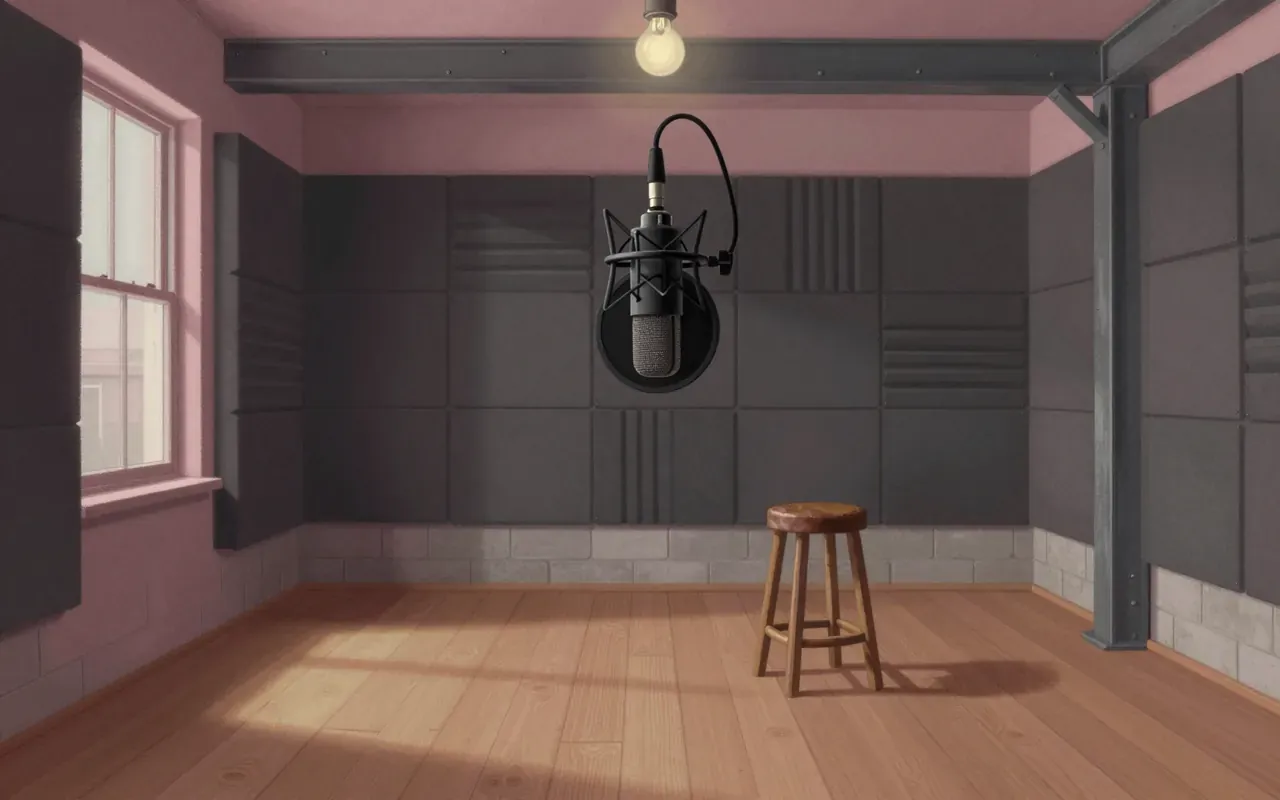
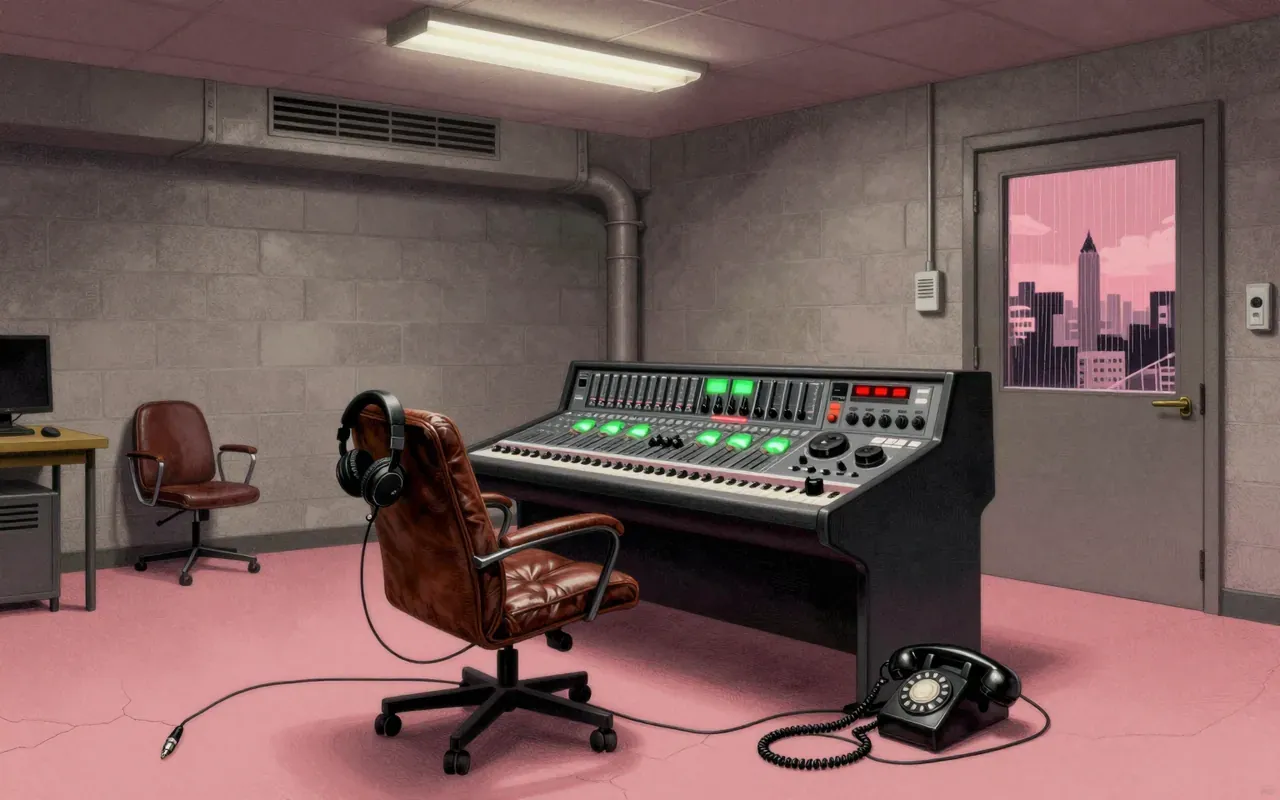
A 1996 hip-hop album built from fragmented, competitive, geographically dispersed production — recorded at D&D Studios, mixed at Platinum Island, with beats formed elsewhere and vocals captured on tour and across New York studios.
How it sounds, and how it was made
The beats were made separately — at Knobody’s mother’s home, during Ski’s sessions with Camp Lo, and in competitive submissions between Ski and Clark Kent. Vocals were tracked across studios: D&D, Giant, Progressive Music in Tampa. The ‘Brooklyn’s Finest’ session shifted mid-recording from D&D to Giant for the chorus. Jay-Z and Biggie improvised live, without writing. No instruments, tempos, keys or production techniques beyond those named in the material are verifiable.
What lands
The improvisational tension of ‘Brooklyn’s Finest’. The contrast between Knobody’s 1994 home-made beat and Mary J. Blige’s Tampa-recorded vocals on ‘Can’t Knock the Hustle’. Ski’s beats landing over Clark Kent’s because they arrived first.
What does not
It does not establish Nas’s presence — he was scheduled for two tracks but never recorded. It does not sound like a unified studio project — its beats and vocals were scattered across locations and timelines. It does not rely on written verses.
The ideas inside it
Ambition as negotiation. Status as performance. Rap skill as something proven in real time, not declared. Loyalty and rivalry as interchangeable pressures.
Who should hear it, and who should not
Producers interested in how beats circulate before vocals. Rappers who work off the cuff. Anyone tired of origin myths that ignore where and how records are actually made. Not for listeners who need sonic cohesion or narrative continuity.
Is it worth your time
Yes — if you want to hear how competitive beat-making, multi-studio vocal tracking, and unscripted chemistry between rappers shaped a record that treats rap as craft, not myth.