musicbriefs
Saved
Hip-hop

The Blueprint

This isn’t a comeback — it’s a blueprint for how to build a rap album from scratch, in real time, with no filler and no forgiveness.

Worth your time?4.5/5Yes.Hear the whole thing.What works, what does not, who it is for ↓
11:18in productionCh. 1 · Two Weeks, Two Studios/ 11:18 · ceiling 15 min
4 chapters · 11:18Ceiling 15:00

The brief is written and checked. The video joins this page when it is cut.4 chapters · 1 min read · 11:18 planned

Read the brief

The Blueprint is a 2001 New York hip-hop album built on soul samples, recorded in two weeks, anchored by four producers — Kanye West, Just Blaze, Bink, and Eminem — and defined by its refusal to waste a second.

Chapters & takeaways4
  1. 1:26
    Two Weeks, Two Studios

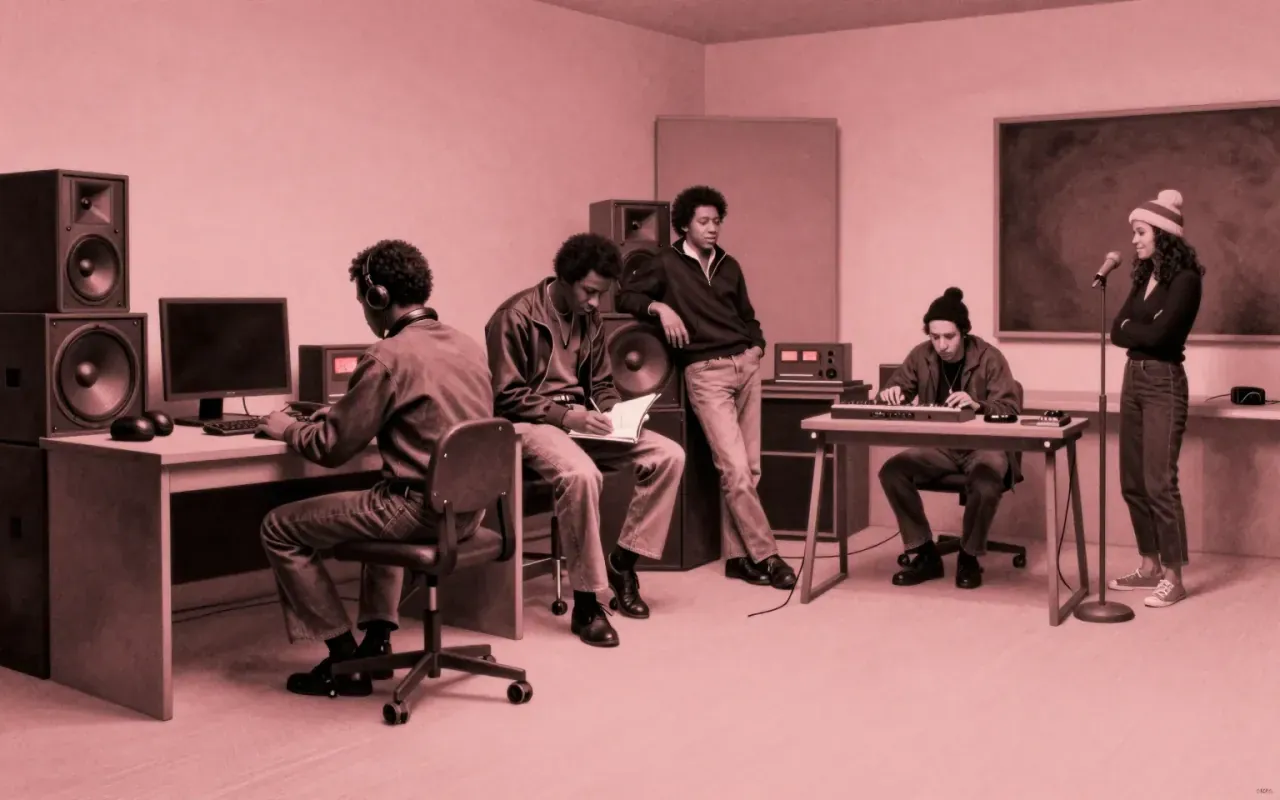
    Recorded in two weeks across two New York studios — speed as discipline, not compromise.

  2. 3:33
    Soul as Scaffolding

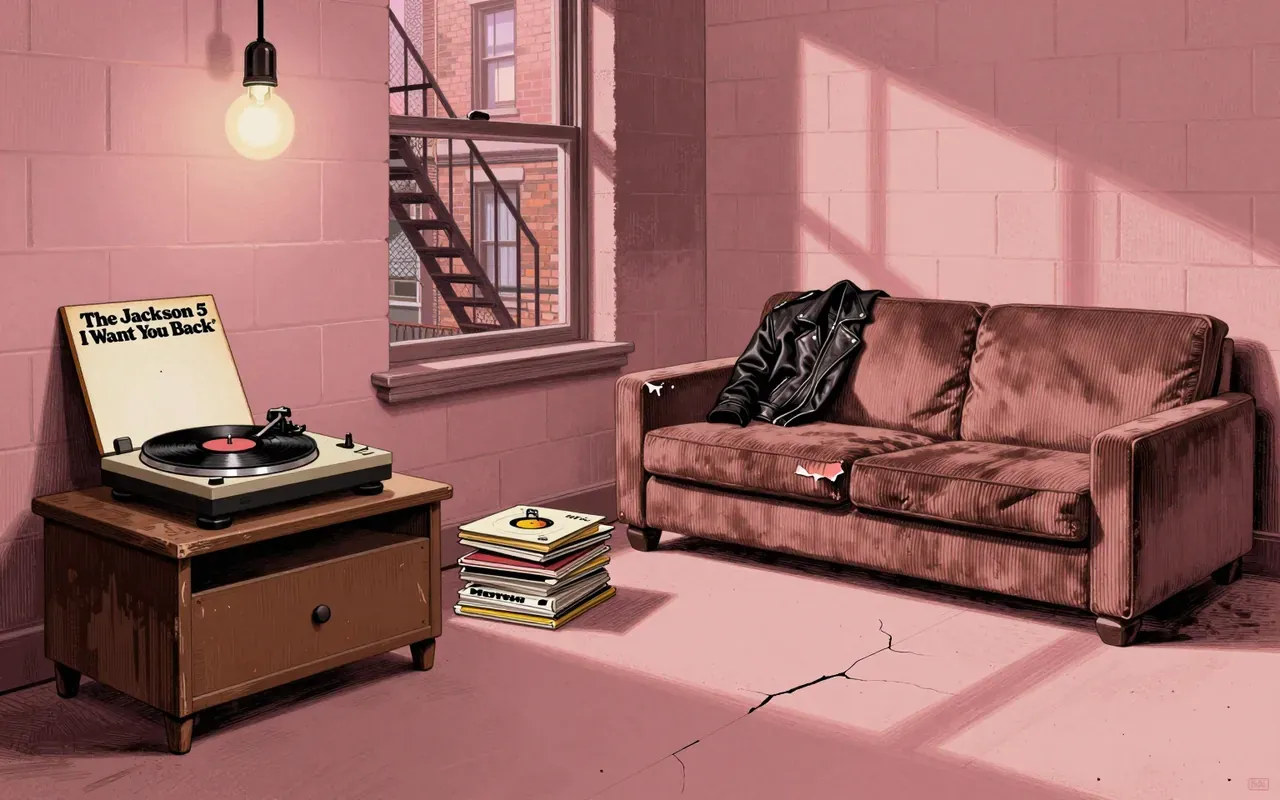
    Soul samples aren’t decoration — they’re structural elements, sourced from Al Green, Bobby "Blue" Bland, David Ruffin, and The Jackson 5.

  3. 4:54
    Sampling as Surgery

    Kanye West built ‘Takeover’ and ‘Izzo’ from The Doors, KRS-One, and The Jackson 5 — not as homage, but as raw material.

  4. 6:04
    One Guest, One Rule

    ‘Renegade’ is the only track with another rapper on verses — and it’s the only one produced by Eminem.

Running order15
  1. 01
    The Ruler’s Back3:49
  2. 02
    Takeover5:13

    Heard in Black Adam (2022)

  3. 03
    Izzo (H.O.V.A.)4:01
  4. 04
    Girls, Girls, Girls4:35
  5. 05
    Jigga That Nigga3:24
  6. 06
    U Don’t Know3:19

    Heard in Homecoming: A Film by Beyoncé (2019)

  7. 07
    Hola’ Hovito4:33
  8. 08
    Heart of the City (Ain’t No Love)3:43

    Heard in American Gangster (2007)

  9. 01
    Never Change3:58
  10. 02
    Song Cry5:02

    Heard in The Lost Boys (1987)

  11. 03
    All I Need4:28

    Heard in Over the Top (1987)The Lion King 1½ (2004)Spencer (2021)

  12. 04
    Renegade5:38

    Heard in Mufasa: The Lion King (2024)

  13. 05
    Blueprint (Momma Loves Me)3:41
  14. 06
    Breathe Easy (Lyrical Exercise)
  15. 07
    Girls, Girls, Girls (Part 2)4:14

Film placements are the ones described in each film's own entry, so the list is partial rather than complete.

Worth your time?

Yes. Hear the whole thing.

4.5/ 5
What works
  • 'Takeover'
  • 'Izzo (H.O.V.A.)'
  • 'Song Cry'
What does not
  • build atmosphere
  • blur lines between verses and hooks
  • soften its voice for radio or mythmaking
Hear it if
  • producers
  • rappers who write first
  • anyone who thinks sampling is nostalgia
Skip it if
  • listeners who need world-building
  • listeners who need texture
  • listeners who need ambiguity
The written brief1 min read

What the record is and where it came from

A 2001 New York hip-hop album built on soul samples, recorded in two weeks, anchored by four producers — Kanye West, Just Blaze, Bink, and Eminem — and defined by its refusal to waste a second.

How it sounds, and how it was made

It sounds like soul records played back through a New York studio in 2001 — vinyl crackle, vocal fragments from Al Green and The Jackson 5 stitched into drum loops, drums that hit hard but leave space. It was made fast: nine songs in two days across Manhattan Center and Baseline Studios, with Kanye West and Just Blaze handling most of the production using vintage soul samples as raw material.

What lands

‘Takeover’ lands — its Doors and KRS-One samples cut like switchblades, its Bowie interpolation sharpening the blade. ‘Izzo (H.O.V.A.)’ lands — the Jackson 5 sample is bright, immediate, turned into a launchpad. ‘Song Cry’ lands — Just Blaze’s beat holds still while Jay-Z’s voice frays.

What does not

It does not build atmosphere. It does not blur lines between verses and hooks. It does not soften its voice for radio or mythmaking.

The ideas inside it

It establishes Jay-Z as a writer who treats rap like architecture: every bar must bear weight, every sample must serve the line, every diss must land like a verdict. It rejects mystique in favour of craft.

Who should hear it, and who should not

Producers should hear it. Rappers who write first should hear it. Anyone who thinks sampling is nostalgia should hear it. Listeners who need world-building, texture, or ambiguity should not.

Is it worth your time

Yes — if you want to hear how hip-hop reassembled soul’s emotional grammar into something lean, declarative, and rhythmically uncluttered.
Same genre · Hip-hop4 of 113
Up next in Music

The Chronic

Dr. Dre · 1992 · 9:27

G-funk isn’t a style — it’s a room built for bass, breath, and one whistling synth line.

9:27