Quitting the road, inventing a new one
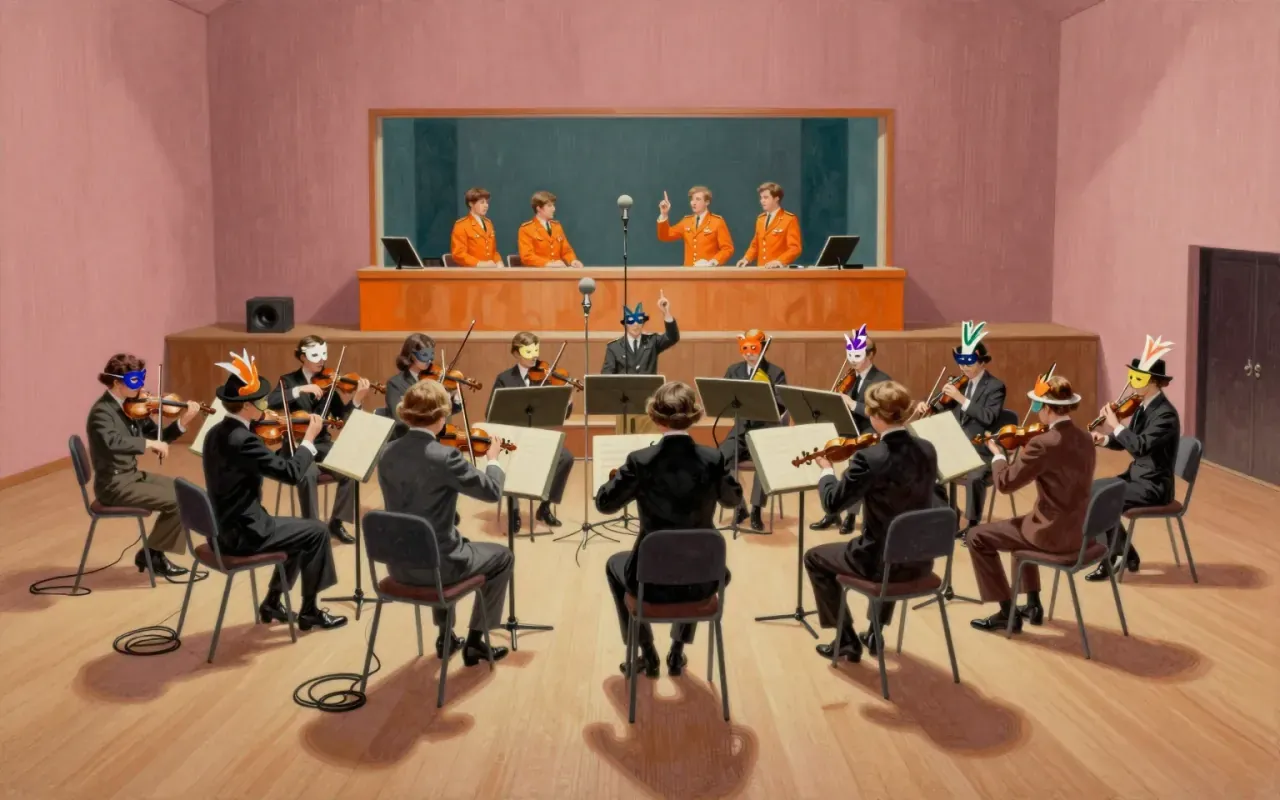
This eighth Beatles album appeared in May 1967, a year after the group permanently abandoned live performance following a tour scarred by security threats in Tokyo, a hostile reception in Manila, and controversy in America over a remark John Lennon had made comparing the band’s fame to religion. The three months off that followed sent each member in a different direction: George Harrison travelled to India to study sitar, Paul McCartney worked on a film score with George Martin and holidayed in Kenya, Lennon acted in a war film and began frequenting London’s art scene, and Ringo Starr stayed home with his family. It was McCartney, on a flight back to England that November, who proposed the idea that gave the sessions their loose organising device: a fictional Edwardian-styled band standing in for the Beatles themselves.
Open-ended nights at Abbey Road
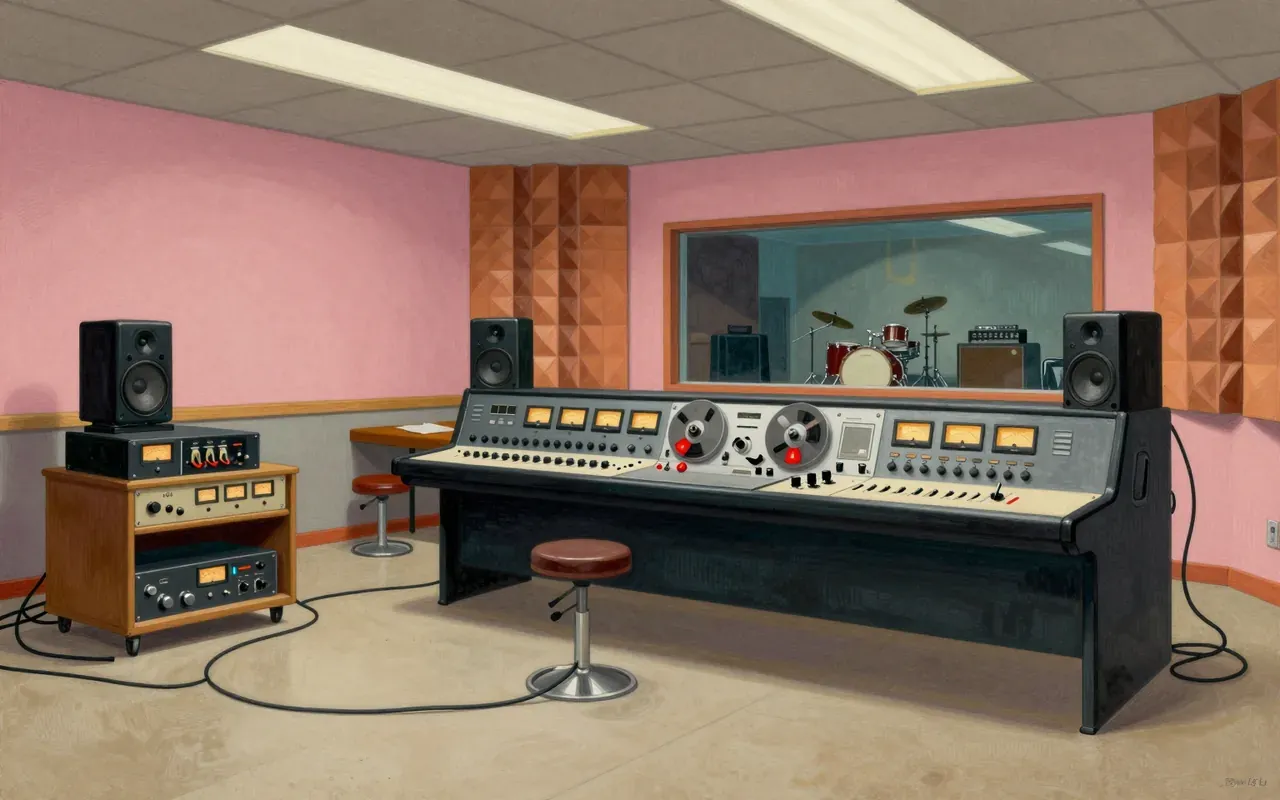
Sessions opened at Abbey Road in late November 1966 and ran on an open schedule, starting in the evening and continuing as late as the group wanted, backed by a budget with no fixed ceiling. Two early songs written around childhood memories, later issued as a single after pressure from the label, were left off the finished album entirely, freeing what remained to lean further into music hall, circus imagery and Indian classical sound. The record draws on sitar, tambura and dilruba on Within You Without You, harpsichord and mellotron elsewhere, and a specially engaged string and brass ensemble for the closing crescendo of A Day in the Life. McCartney increasingly recorded his bass part last, overdubbed after the rest of a track was finished, which let him build basslines more melodically adventurous than a typical rhythm part.
A crescendo, a whimsy, a cover
The record’s best moments justify its outsized reputation. The closing minutes of A Day in the Life, built from a slow orchestral climb into a single crashing chord, remain genuinely startling. When I’m Sixty-Four turns ageing into a small, funny piece of music-hall pastiche rather than a maudlin one. The Peter Blake and Jann Haworth sleeve, crowding the group among a tableau of historical and cultural figures, gave the record a visual identity as strong as its music and helped cement the idea of an album as a complete object rather than a delivery method for singles. Across the whole running order there is a confidence in orchestration and pacing that suggests a band no longer worried about whether a song could be played live.
A costume more than a story
The much-discussed concept is thinner than its reputation implies. Once the title track and its immediate reprise pass, the fictional band framing barely resurfaces, and most of the songs stand as individual pieces rather than parts of a continuous performance. Within You Without You’s extended Indian classical arrangement, however sincere, creates an abrupt tonal break from the music hall and pop songs around it, and a couple of the later side-two tracks feel like comfortable filler next to the two singles the group chose to release separately instead of including here. Anyone coming to the record expecting a tightly sustained story, rather than a loose costume the band puts on and quickly sets aside, will find the seams showing.
Hiding behind another band’s name
Underneath the theatrical dressing sits a fairly plain set of preoccupations: growing older, being watched, and the strangeness of extreme fame. Writing as a fictional troupe let four men already recognised everywhere they went sing about a lonely hearts club, a departing daughter, or a circus poster without it reading as autobiography, even when the material clearly drew on their own lives and childhoods. Paul McCartney’s growing dominance as the album’s chief creative force is audible in how much of the record he wrote and how closely he directed its arrangements, a shift from the balance that had held on earlier albums. The record’s willingness to blend a Victorian bandstand with sitar drones and orchestral dissonance also reflects the wider mixing of high and popular art running through London’s culture at the time.
For the studio-as-art crowd
This suits anyone interested in the moment popular music started being reviewed and discussed as seriously as any other art form, and in the production choices — open-ended sessions, orchestral overdubs, sound effects worked in almost as compositional elements — that made that shift possible. It is less rewarding for listeners who prefer the more compact, guitar-driven records the group had made only a year or two earlier, or who want a concept album whose narrative actually holds together from first track to last rather than announcing itself at the start and drifting elsewhere. Come to it for arrangement and ambition rather than for lyrical unity.
Still worth the fuss, mostly
Despite the thinness of its central conceit, the record earns its place among the most consequential pop albums made in Britain, both for what it attempted and for how thoroughly the wider culture responded to it. It remains genuinely pleasurable on its own merits too, particularly across its stronger first half and closing track, even if a small number of later songs feel like they are coasting on the momentum built elsewhere. Approach it as a landmark in how albums came to be made and marketed, and the occasional soft patch matters less than it otherwise might.