What the record is and where it came from
A purely country record, conceived as a multi-genre survey of 20th-century American popular music but abandoned early under Gram Parsons’ influence. Recorded in Nashville and Hollywood between March and May 1968. Released August 30, 1968. The first album widely labelled country rock by an internationally successful rock act.
How it sounds, and how it was made
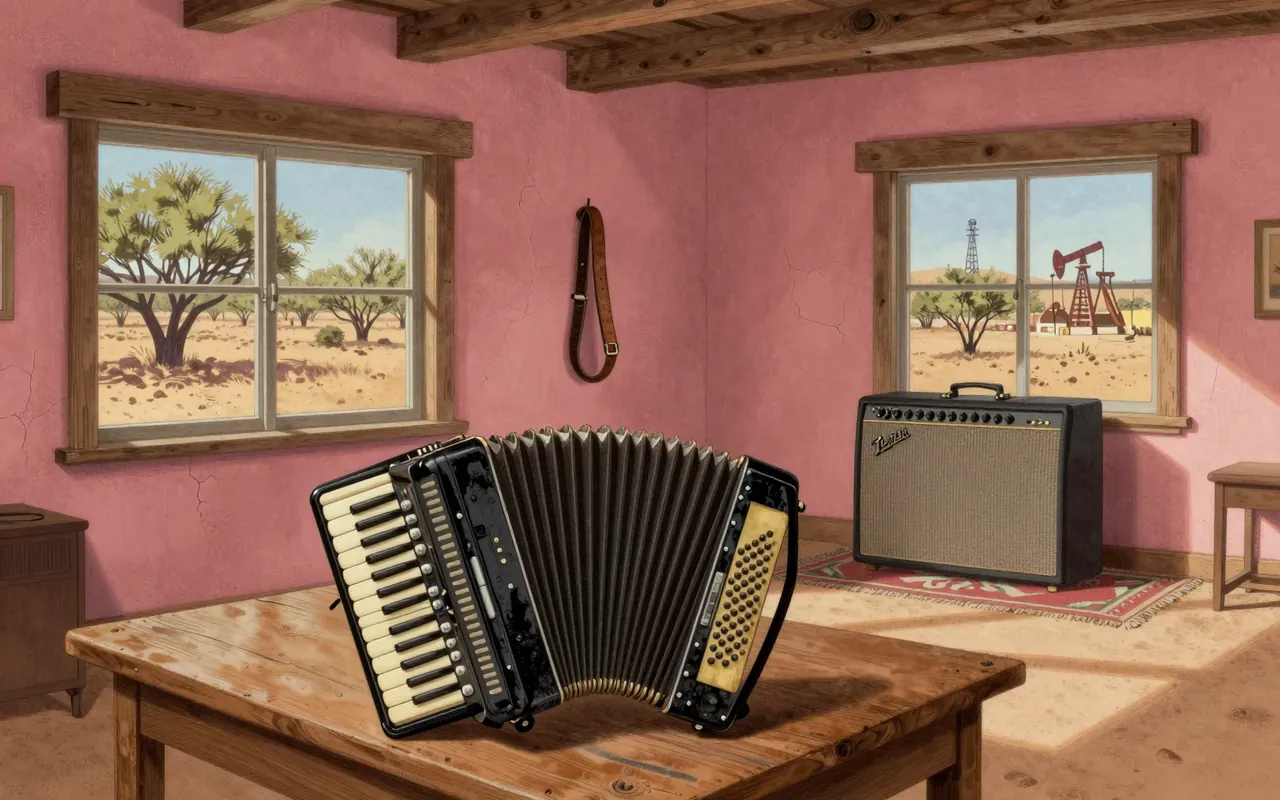
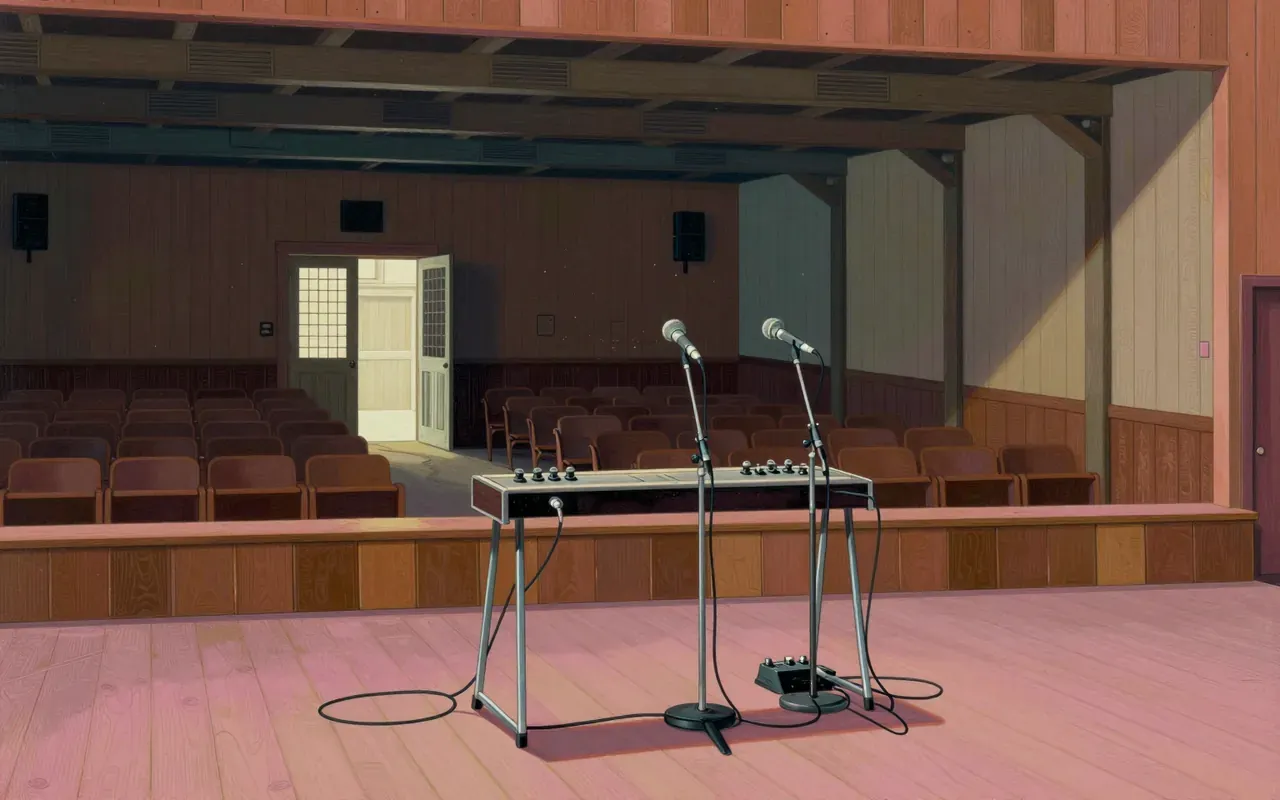
Recorded in two phases — six days in March 1968 at Columbia’s Studio A in Nashville’s Music Row, then overdubs and seven more songs in Hollywood from April to May — the album uses session musicians Lloyd Green, John Hartford, JayDee Maness, and Clarence White. It avoids psychedelic textures. Acoustic guitars, pedal steel, and restrained vocal harmonies dominate. No studio effects are named in the sources; no tempo, key, or microphone is specified. The room is Music Row’s Studio A — a commercial country recording space — and the production reflects that context: direct, unadorned, functional.
What lands
The Dylan covers — ‘You Ain’t Goin’ Nowhere’ and ‘Nothing Was Delivered’ — land as country because they were drawn from the Basement Tapes’ countrified sketches. ‘Hickory Wind’ and ‘One Hundred Years From Now’ land as Parsons originals rooted in country form. ‘Blue Canadian Rockies’, ‘I Am a Pilgrim’, and ‘The Christian Life’ land as classic country by virtue of authorship and lineage — Walker, traditional, Louvin Brothers.
What does not
It does not sound like psychedelia. It does not include jazz or rhythm and blues, despite the original multi-genre concept. It does not feature any instrument, effect, or technique outside what the sources name: acoustic guitar, pedal steel (via Lloyd Green), banjo (via John Hartford), and electric guitar (via Clarence White). It does not contain any unreferenced lyrical or musical abstraction.
The ideas inside it
It advances the idea that country music is American popular music — not a regional or reactionary genre, but a core strand of the national tradition. It treats country standards, contemporary country songs, and Dylan’s Basement Tapes as equally legitimate source material. It rejects the countercultural assumption that authenticity requires rebellion — instead locating it in restraint, reverence, and repertoire.
Who should hear it, and who should not
People who want to hear how country music was played in Nashville studios in 1968. People studying the institutional reception of genre crossing — how the Nashville establishment rejected it, and how the counterculture alienated itself from it. Not people looking for sonic experimentation, lyrical ambiguity, or studio invention.
Is it worth your time
Yes, if you want to hear how country music sounded in a Nashville studio in early 1968, filtered through a rock band’s discipline and Gram Parsons’ conviction. No, if you expect innovation in arrangement, rhythm, or studio craft — none is documented here. It is historically consequential, not sonically revelatory.