Saved
Prog & art rock · Psychedelia

The Who Sell Out

Pop art isn’t a style—it’s a broadcast frequency, and this album hijacks it.

Worth your time?4.5/5Yes.Hear the whole thing.What works, what does not, who it is for ↓
11:06in productionCh. 1 · A Broadcast, Not an Album/ 11:06 · ceiling 15 min
4 chapters · 11:06Ceiling 15:00

The brief is written and checked. The video joins this page when it is cut.4 chapters · 1 min read · 11:06 planned

Read the brief

The Who Sell Out is a 1967 concept album by The Who that parodies pirate radio, which had recently been outlawed in the UK. It features humorous jingles, mock commercials (including ads for canned milkshakes and the American Cancer Society), the mini rock opera 'Rael', and the single 'I Can See For Miles'. The band framed the project as an extension of their pop art identity, asserting that advertising was an artform and declaring, 'We don't change offstage. We live pop art.'

Chapters & takeaways4
  1. 1:17
    A Broadcast, Not an Album

    It is a pirate radio broadcast—structured, satirical, and legally timely.

  2. 2:59
    We Don’t Change Offstage

    The band treated advertising as art, not critique—and lived it offstage.

  3. 4:40
    Seven Studios, One Wrecked Tape

    It was built in fragments: jingles cut on 28 April, 'I Can See for Miles' tracked in May, 'Rael' ruined in July.

  4. 6:14
    Rael Is Broken, Not Designed

    The mini rock opera 'Rael' is real—but incomplete, not conceptual.

1 more chapterFewer chapters
Running order13
  1. 01
    Armenia City in the Sky3:38
  2. 02
    Heinz Baked Beans1:05
  3. 03
    Mary Anne With the Shaky Hand2:26

    Heard in The Who & Special Guests: Live at the Royal Albert Hall (2000)

  4. 04
    Odorono2:24
  5. 05
    Tattoo3:00

    Heard in The Who at Kilburn: 1977 (1977)Gothika (2003)

  6. 06
    Our Love Was3:14
  7. 07
  8. 08
    I Can’t Reach You3:30
  9. 09
    Medac0:57
  10. 10
    Relax2:39

    Heard in Jesus Christ Superstar (1973)

  11. 11
    Silas Stingy3:05
  12. 12
    Sunrise3:03

    Heard in Blowup (1966)Woodstock (1970)The Lion King 1½ (2004)One Perfect Day (2004)

  13. 13
    Rael (1 and 2)5:38

Film placements are the ones described in each film's own entry, so the list is partial rather than complete.

Worth your time?

Yes. Hear the whole thing.

4.5/ 5
What works
  • 'I Can See for Miles'
  • 'Armenia City in the Sky'
  • 'Odorono'
What does not
  • sustain its concept through every second
  • treat every song as equal to its jingles
  • make 'Rael' whole
Hear it if
  • people who listen to how records are built
  • people who hear studio craft as composition
Skip it if
  • people who need songs to stand alone
  • people who mistake pastiche for depth
Who should hear it, and who should skipHide who it is for
The written brief1 min read

What the record is and where it came from

A 1967 concept album parodying pirate radio, recorded after the Marine Broadcasting Offences Act outlawed it. It frames The Who as pop artists who treat advertising as art, not irony.

How it sounds, and how it was made

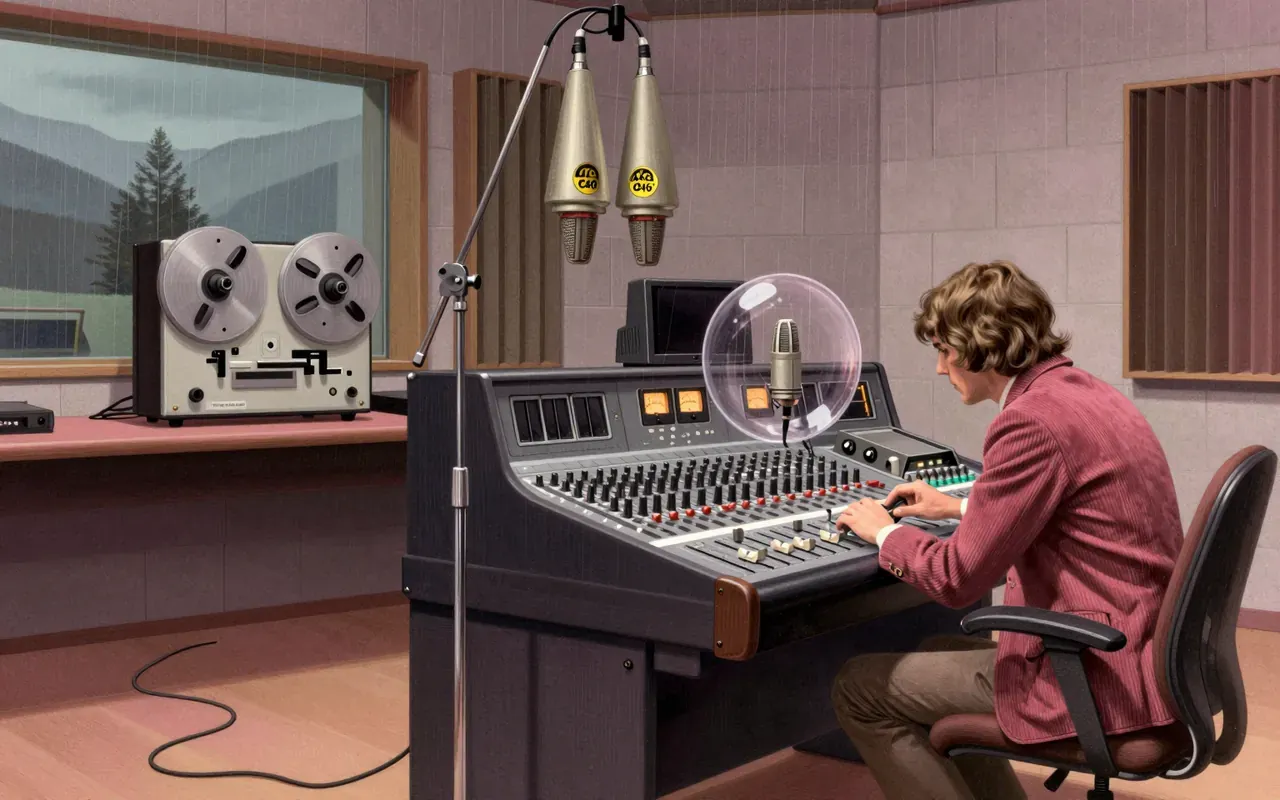
It sounds like a pirate radio station bleeding into the room: jingles cut in and out, commercials interrupt songs, tape hiss sits under everything. It was made across seven studios between April and November 1967, with extensive overdubbing, guest organ from Al Kooper on two tracks, and mono mixes of early versions of ‘I Can’t Reach You’, ‘Relax’, and ‘Rael’ cut at De Lane Lea on 5 July. A multi-track tape for ‘Rael’ was accidentally destroyed.

What lands

‘I Can See for Miles’ lands with brute force: a single that cuts through the satire like a blade. ‘Armenia City in the Sky’ lands with layered guitar textures and studio-as-instrument clarity. ‘Odorono’ lands as pure, dry wit—voice, bass, and silence doing all the work.

What does not

It does not sustain its concept through every second. The fake ads feel sharper than some songs. ‘Medac’ and ‘Heinz Baked Beans’ land as gags, not music. ‘Rael’ is fragmented—not because it’s ambitious, but because the tape was wrecked.

The ideas inside it

Advertising is art. Pirate radio is culture. Pop is not innocent. The band lives pop art offstage—so the record refuses to separate commerce from creation, satire from sincerity, jingle from song.

Who should hear it, and who should not

People who listen to how records are built—not just what they mean. Not people who need songs to stand alone, or who mistake pastiche for depth.

Is it worth your time

Yes—if you want to hear pop art as sonic architecture, not nostalgia. It rewards attention to how sound is framed, not just what it says.
Same genre · Prog & art rock4 of 76
9:43
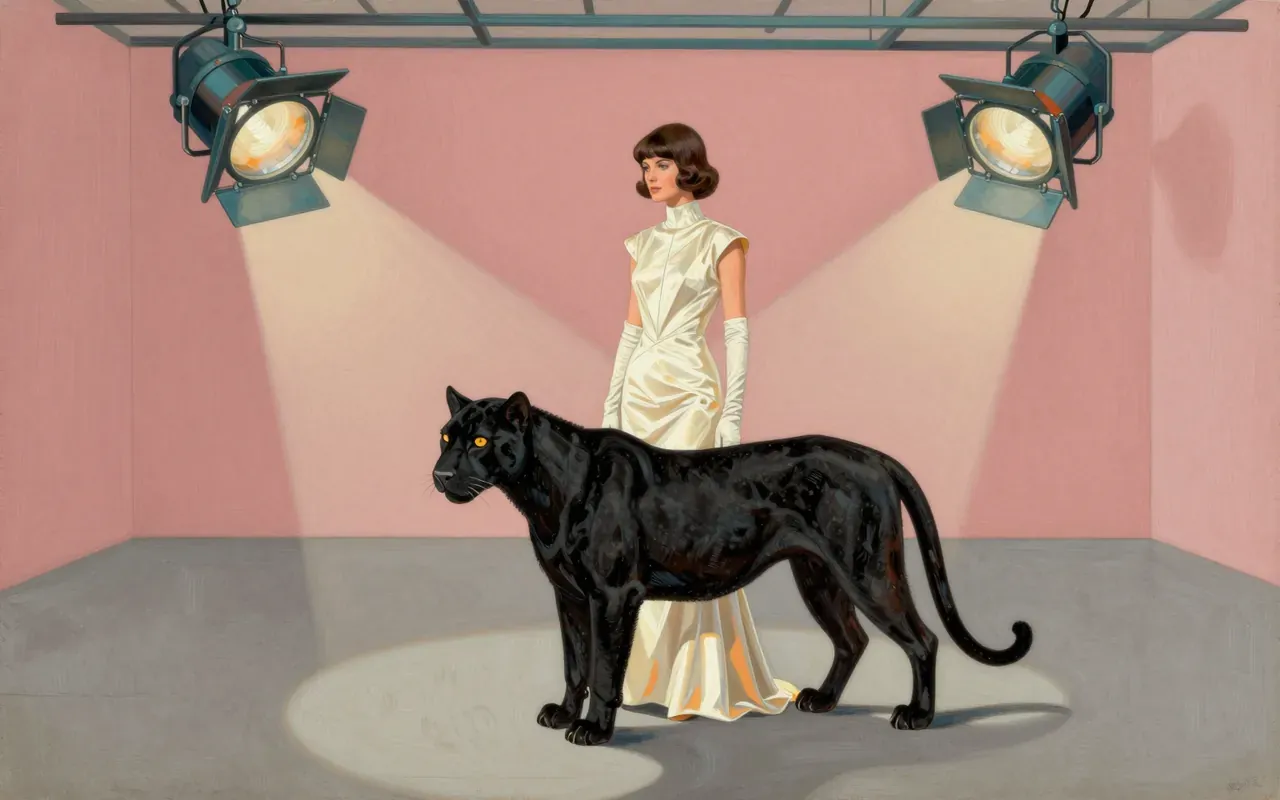
For Your PleasureRoxy Music · 1973For Your Pleasure is Roxy Music’s second studio album, released in March 1973. It was recorded in February 1973 at AIR Studios in Oxford Circus, London. Roxy Music self-produced it with Chris Thomas; John Middleton and John Punter handled audio engineering. The band spent more studio time on this album than on their debut, integrating Bryan Ferry’s songs with more elaborate production treatments. The title track ends with an elaborate fade-out using tape loop effects. Amanda Lear, Ferry’s girlfriend at the time, was photographed with a black jaguar for the front cover, while Ferry appears on the back cover as a dapper chauffeur standing behind a limousine. It marked the beginning of Roxy Music’s long, successful collaboration with producer Chris Thomas. It was promoted with the non-album single 'Pyjamarama'. It is the final Roxy Music album to feature Brian Eno, who departed soon after the supporting tour ended.
11:39
Ogdens’ Nut Gone FlakeSmall Faces · 1968Ogdens’ Nut Gone Flake is a 1968 Small Faces concept album — side one: six eclectic songs; side two: a narrated fairy tale about Happiness Stan. Recorded at Olympic and Trident Studios. Engineered by Glyn Johns. Features wah-wah Hammond organ, strings conducted by David McCallum Senior, and Stanley Unwin’s ‘Unwinese’ narration — developed from the band’s private language observed during sessions. Conceived on the Thames after a disastrous 1968 tour. Packaged in a circular tin mimicking an antique tobacco tin. Reached No. 1 in the UK for six weeks. Performed live in full only once — on BBC’s Colour Me Pop. A studio-bound zenith, both cohesive and unrepeatable.
11:01
Out of the BlueElectric Light Orchestra · 1977Out of the Blue is a double LP released in 1977. Written in three and a half weeks in a Swiss Alps chalet. Recorded over two months in Munich. A multi-platinum pop record built around weather, travel, and studio-as-instrument thinking.
11:18
Surf's UpThe Beach Boys · 1971Surf's Up is the Beach Boys' 1971 studio album, recorded intermittently between January and July 1971. Carl Wilson assumed de facto leadership and produced the bulk of the recordings, marking a shift from Brian Wilson’s earlier dominance. Brian Wilson was not especially active in the production, resulting in thinner vocal arrangements compared to Sunflower. Carl Wilson's first major solo compositions — 'Long Promised Road' and 'Feel Flows' — were recorded almost entirely by him. The title track 'Surf’s Up' was completed in June 1971 using archival recordings from late 1966, newly overdubbed by Carl and augmented with Moog and vocals. The album reflects a deliberate shift toward topical lyricism under Rieley’s influence, with socially conscious songs like 'Student Demonstration Time' and 'Don't Go Near the Water'. Brian contributed 'Til I Die', crafted over weeks amid existential crisis with drum machine, vibraphone, and organ, and co-wrote 'A Day in the Life of a Tree' with Jack Rieley, scored with antique and smaller pipe organs. Bruce Johnston wrote 'Disney Girls (1957)' in response to drug-affected youth in their audience, and Al Jardine contributed the Sunflower outtake 'Take a Load Off Your Feet' and co-wrote 'Lookin' at Tomorrow (A Welfare Song)' with Gary Winfrey.
Up next in Music

The World Is a Ghetto

War · 1972 · 8:02

A melancholy, slow-burning manifesto—not a party record, but a pavement-level portrait.

8:02