Saved
Topic

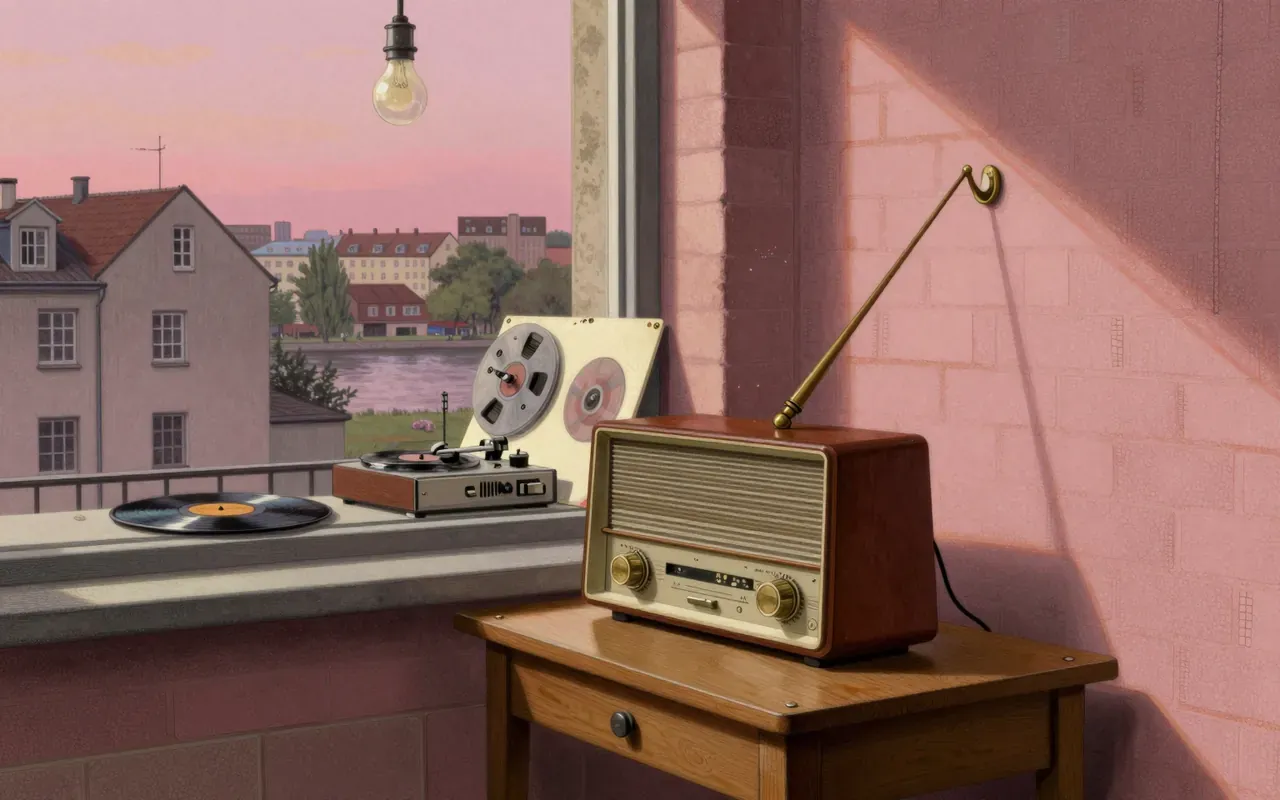
Radio

The first broadcast intimacy, still not superseded.

6
in music
9:59
average
60 min
in total
30
across the network
Radio across the network →
All briefs6
9:05

Gold: Greatest Hits

ABBA · 1992

ABBA Gold: Greatest Hits is a 1992 compilation album compiled by Chris Griffin, Jackie Stansfield, George McManus, Ingemar Bergman, and John Tobler, with sequencing designed as a radio show—opening with 'Dancing Queen' and closing with 'Waterloo'—and featuring representative tracks from nearly all ABBA studio albums up to that point. It draws on performances by Agnetha Fältskog, Anni-Frid Lyngstad, Björn Ulvaeus, and Benny Andersson, and was produced by Andersson and Ulvaeus, with engineering and remastering by Michael B. Tretow (1992), Jon Astley (1999–2004), and Henrik Jonsson (2008).
8:26

Movies

Holger Czukay · 1979

The record 'Movies' is verifiably a 1979 solo album by Holger Czukay, released after his departure from Can, and remastered in 2007. Its production method is inferable only as likely involving shortwave radio and tape splicing—because the source states those were Czukay’s trademarks across his solo work, though it never links them specifically to this album. Nothing else about its sound, personnel, studio, instrumentation, or intent is documented. Its title and track names evoke film, but the source material confirms no connection between the album and cinematic practice beyond that nominal link. The appearance of 'Hollywood Symphony' in later films involves entirely separate orchestral recordings—not Czukay’s version. There is no evidence of composition, performance, reception, or cultural impact beyond these bare facts.

10:56

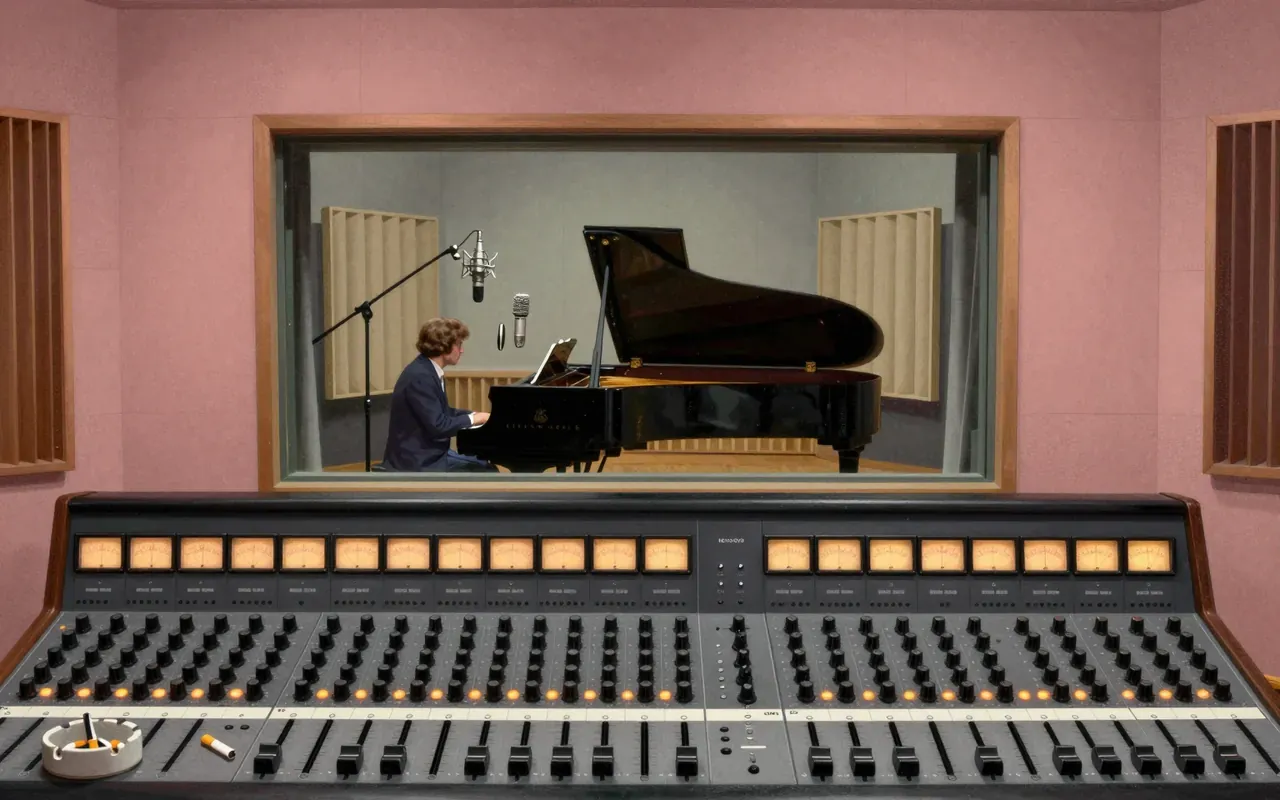
Songs for the Deaf

Queens of the Stone Age · 2002

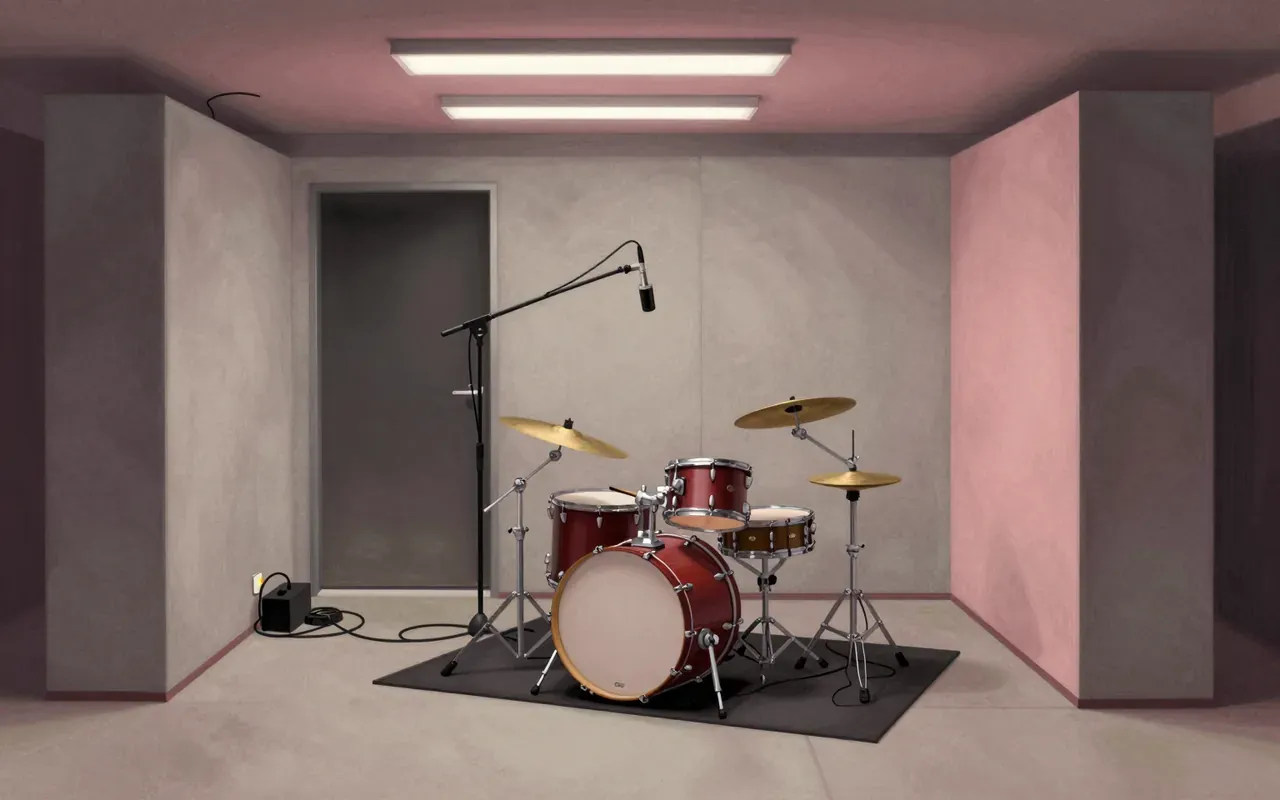
Songs for the Deaf is Queens of the Stone Age’s third studio album, released in 2002. It is structured as a loose concept record simulating a desert drive from Los Angeles to Joshua Tree, using faux-radio interludes. Dave Grohl’s drum parts were recorded twice per song — once with electronic cymbal pads and muted drums, once with live cymbals and dampened drums — then blended in a small, acoustically dead isolation booth to achieve a tight, punchy, claustrophobic sound. Several tracks are reworkings of earlier Desert Sessions recordings. The album was certified gold in 2003 with over 900,000 copies sold.

11:13

The Nightfly

Donald Fagen · 1982

The Nightfly is Donald Fagen’s 1982 debut solo album, released after Steely Dan’s 1981 breakup. It was inspired by his suburban adolescence in Kendall Park, New Jersey, and his teenage fascination with late-night radio. It was recorded in 1981–82 across studios in New York City and Los Angeles using 3M’s 32-track and four-track digital recorders—one of the earliest fully digital recordings in popular music. The core production team—Gary Katz, Roger Nichols, and Elliot Scheiner—reunited from Steely Dan’s prior sessions. Key session players such as Jeff Porcaro, Rick Derringer, and Larry Carlton were veterans of Steely Dan’s studio sessions. The album was certified platinum in the U.S., reached number 11 on the Billboard Top 200, spawned the Hot 100 top-30 single 'I.G.Y.', and earned a Grammy nomination for Album of the Year.

9:10

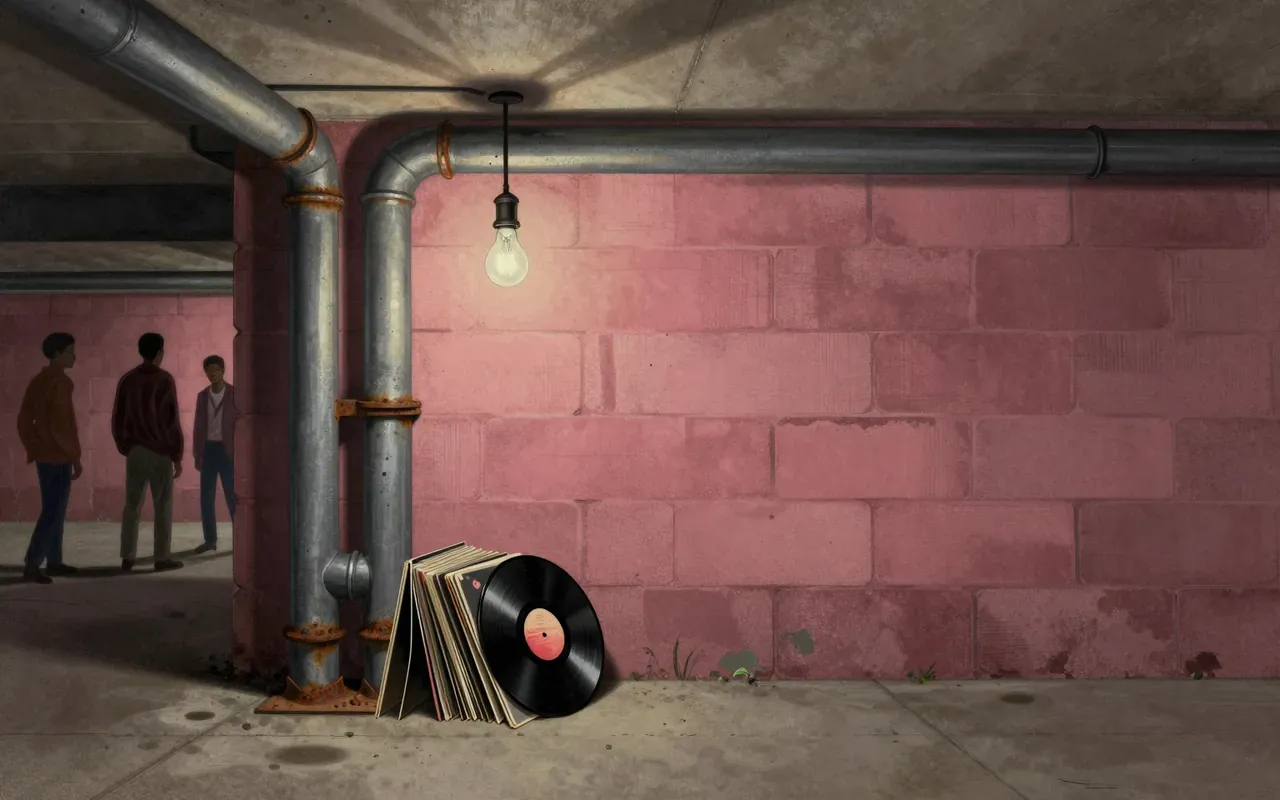
The Score

Fugees (Refugee Camp) · 1996

The Score is a 1996 hip-hop album recorded in a basement with live guitar, DJ scratches and heavy interpolation — structured like a radio play, not a collection of songs.

11:06

The Who Sell Out

The Who · 1967

The Who Sell Out is a 1967 concept album by The Who that parodies pirate radio, which had recently been outlawed in the UK. It features humorous jingles, mock commercials (including ads for canned milkshakes and the American Cancer Society), the mini rock opera 'Rael', and the single 'I Can See For Miles'. The band framed the project as an extension of their pop art identity, asserting that advertising was an artform and declaring, 'We don't change offstage. We live pop art.'