What the record is and where it came from
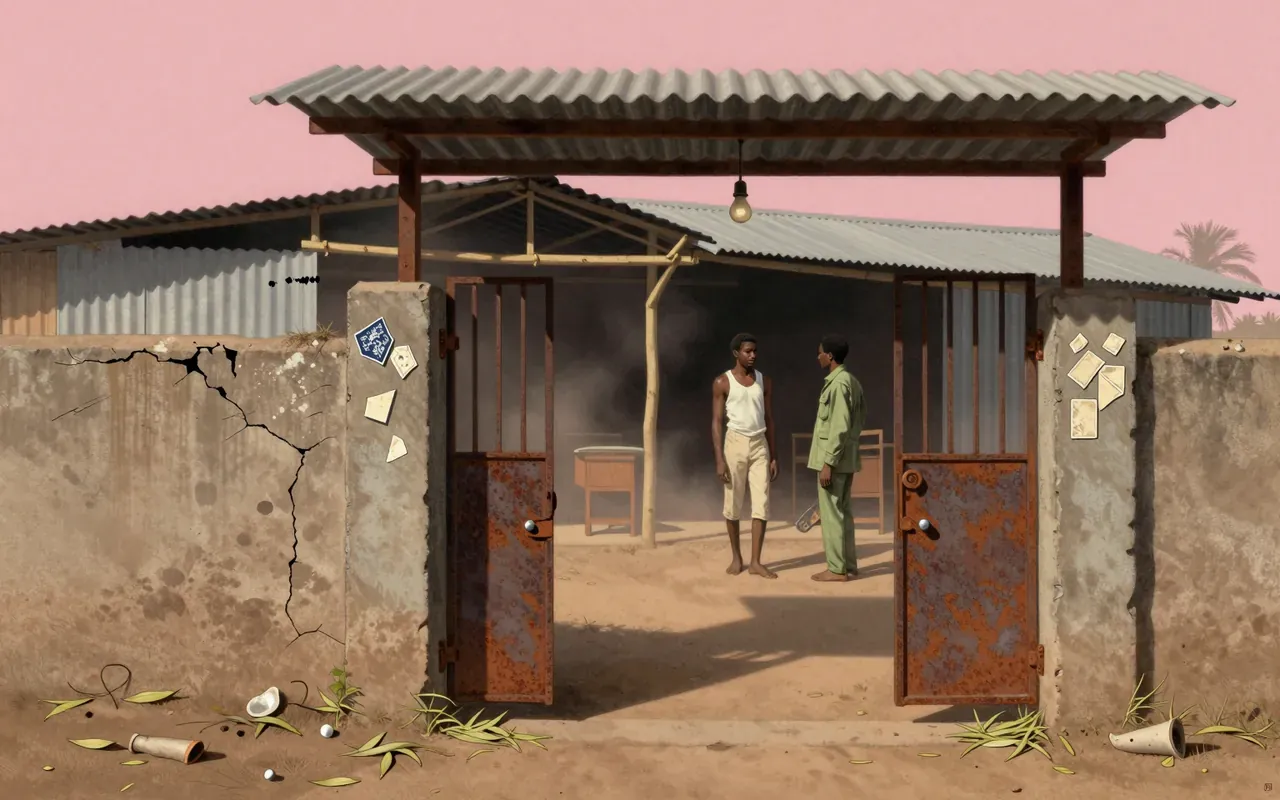
Recorded in 1979, Unknown Soldier addresses the attack on Fela Kuti’s Kalakuta community and the loss of his mother. The original programme divides a single extended work into instrumental and vocal portions. Its scale allows remembrance and accusation to become the purpose of a whole record.
How it sounds, and how it was made
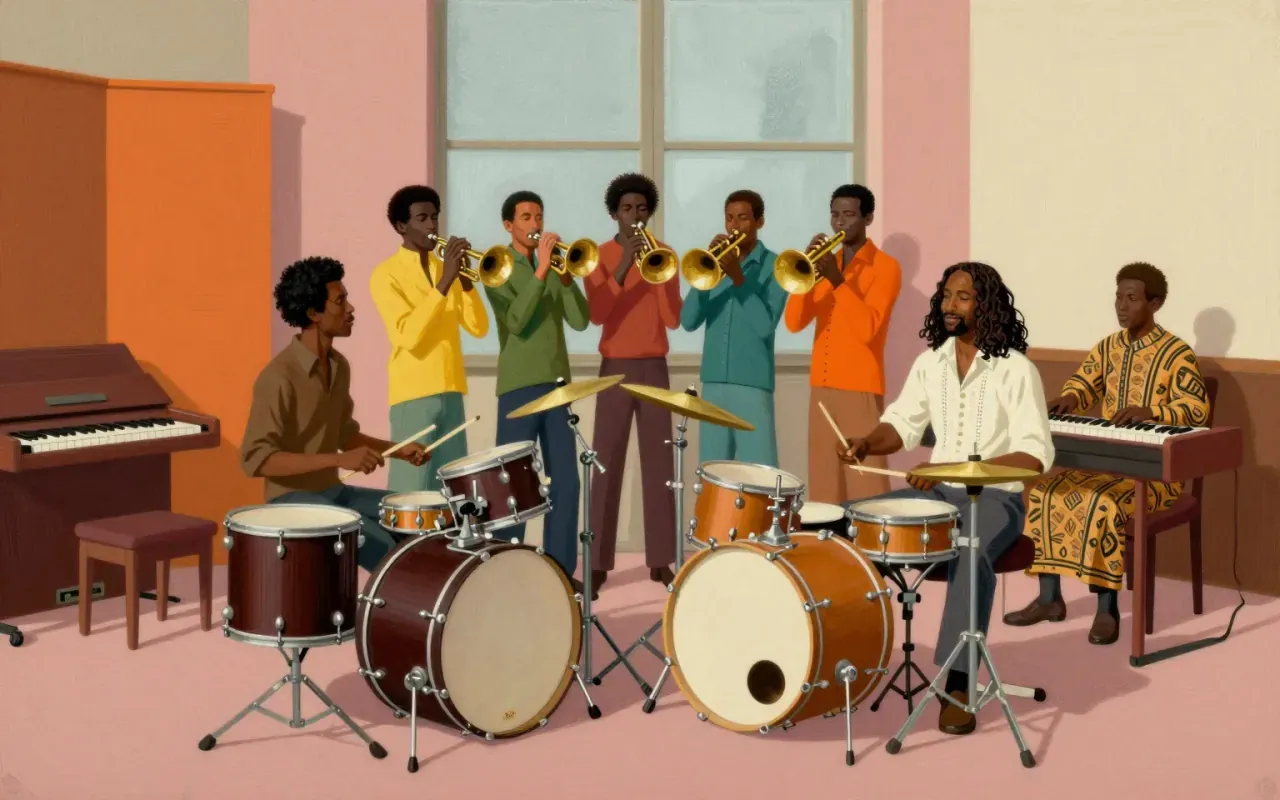
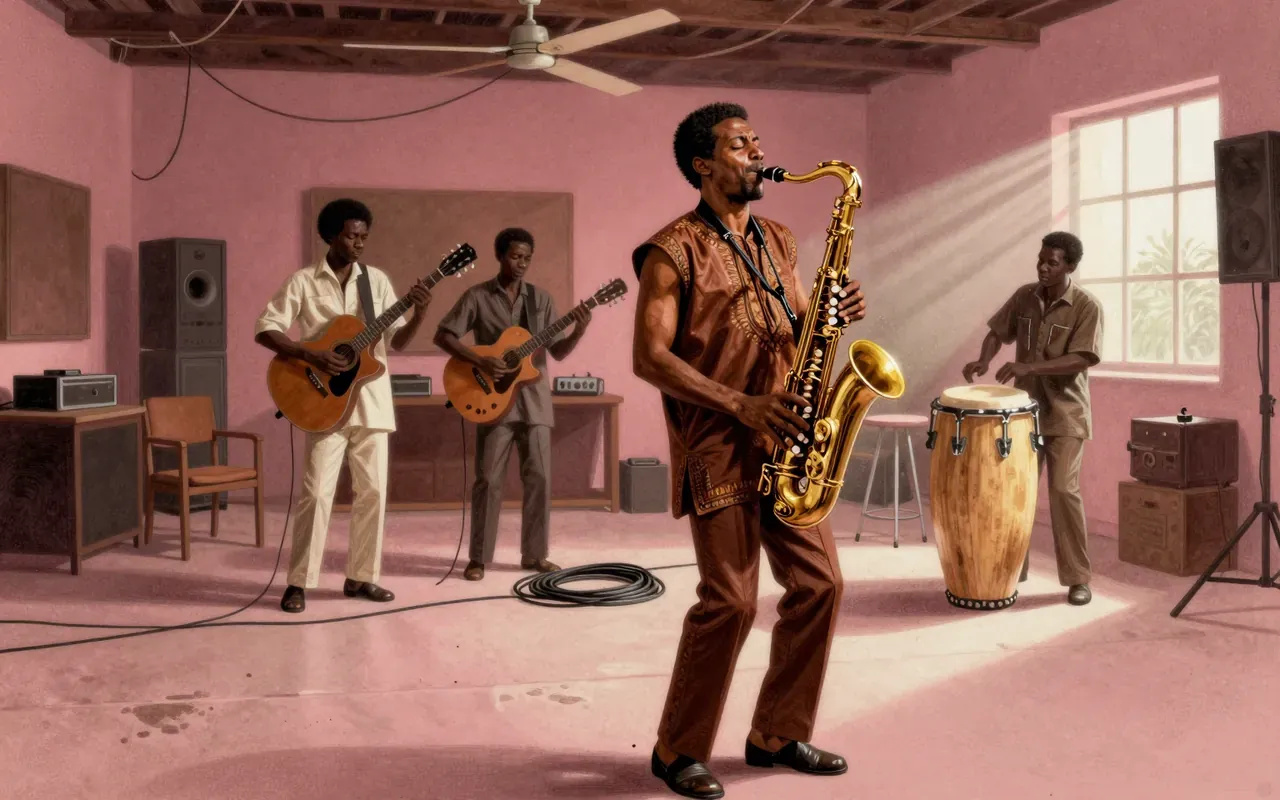
The credited ensemble includes multiple guitars, bass, rhythm piano, saxophones, trumpet, drums and percussion. Fela contributes voice, electric piano and saxophones; Lekan Animashaun has a prominent baritone-saxophone role. The instrumental opening is therefore a substantial part of the work, not a short preface to the testimony.
What lands
The two-part organisation changes how the listener enters the story. Time spent with the ensemble establishes a musical community before the vocal account names what happened to it. That sequence gives the narrative a setting larger than one individual’s anger.
What does not
The work’s length and painful subject make it demanding. Someone seeking varied songs will instead encounter an argument sustained across the record. Its importance as testimony should not be confused with ease of listening or the promise of emotional relief.
The ideas inside it
An official label can conceal responsibility. The title’s anonymous soldier becomes a way to question how specific violence is absorbed into language that names nobody. The performance counters that anonymity with a detailed, insistent act of memory.
Who should hear it, and who should not
Hear it when you can give the instrumental and vocal portions equal attention. It is better approached after a shorter introduction to Fela’s ensemble language.
Is it worth your time
Yes, for a committed listen. Its force comes from sustaining the account, so a brief excerpt cannot represent the full relationship between preparation and testimony.