What the record is and where it came from
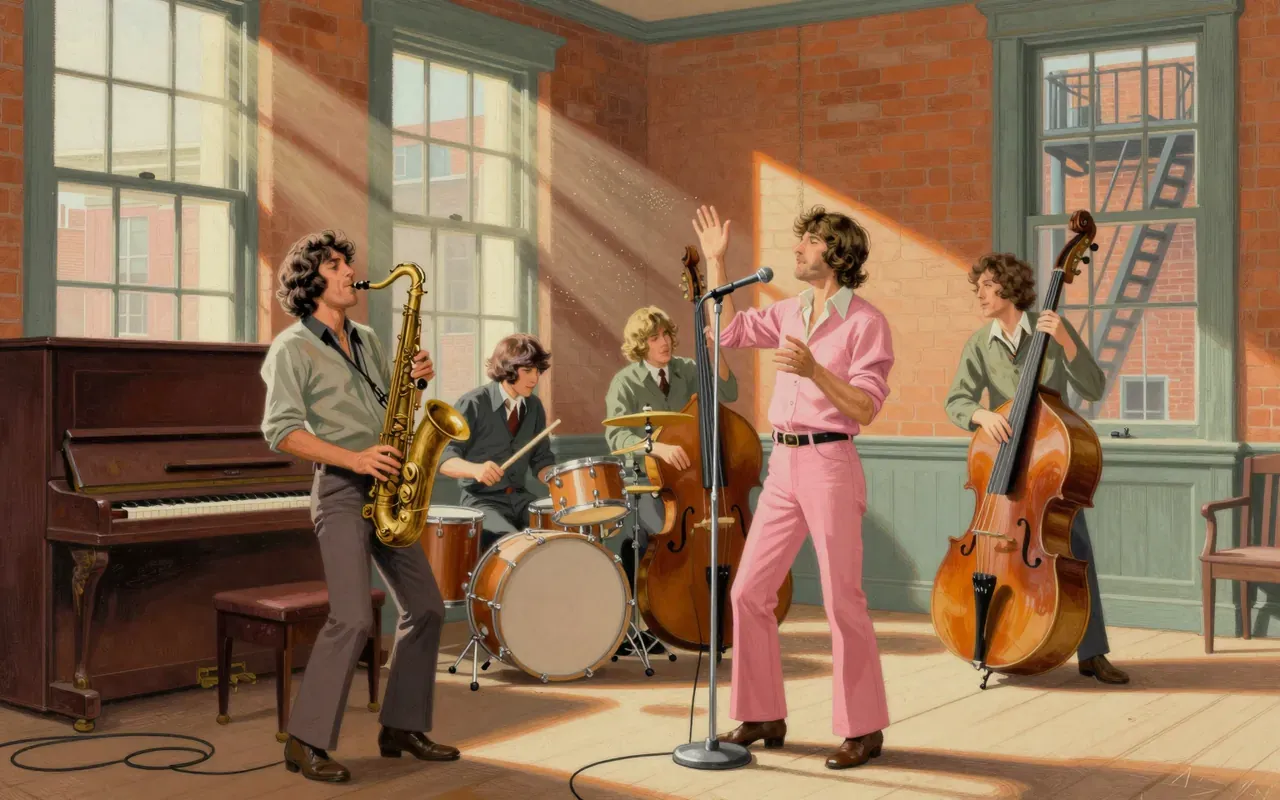
Springsteen’s second album was released in 1973, the same year as his debut. Recorded with the E Street Band in New York state, it moves further toward full-band rock and R&B. The songs give their characters an environment large enough to suggest more life beyond the immediate scene.
How it sounds, and how it was made
The ensemble approach broadens the folk-rooted presentation of the debut. Rock-and-roll momentum and soulful R&B colour support songs that are willing to extend their scale. The arrangements have room to become part of the storytelling rather than simply accompany a lyric from beginning to end.
What lands
“Rosalita (Come Out Tonight)” became a central live performance, while “4th of July, Asbury Park (Sandy)” and “New York City Serenade” offer different settings. The variety makes the album feel populated. A song can establish a place through the band’s movement as well as through named streets or people.
What does not
The expansive writing can become overfull. Characters, images and musical turns sometimes arrive faster than a listener can distinguish their importance. Anyone seeking the concentrated force of later Springsteen singles may find the scale excessive.
The ideas inside it
A place can be understood through overlapping lives rather than one exemplary story. The album’s breadth gives secondary figures and passing scenes a sense of consequence. Its ambition is social as well as personal.
Who should hear it, and who should not
Hear it if a long song gives you more space to enter a world. It is less effective when you want every detail to contribute to a quickly stated point.
Is it worth your time
Yes. Give the arrangements as much attention as the verbal abundance; the band helps turn that abundance into a lived musical setting.