musicbriefs
10:57in productionCh. 1 · Where it came from/ 10:57 · ceiling 15 min
Rock

Darkness on the Edge of Town

This isn’t a comeback—it’s a clenched fist held up in a carpeted studio.

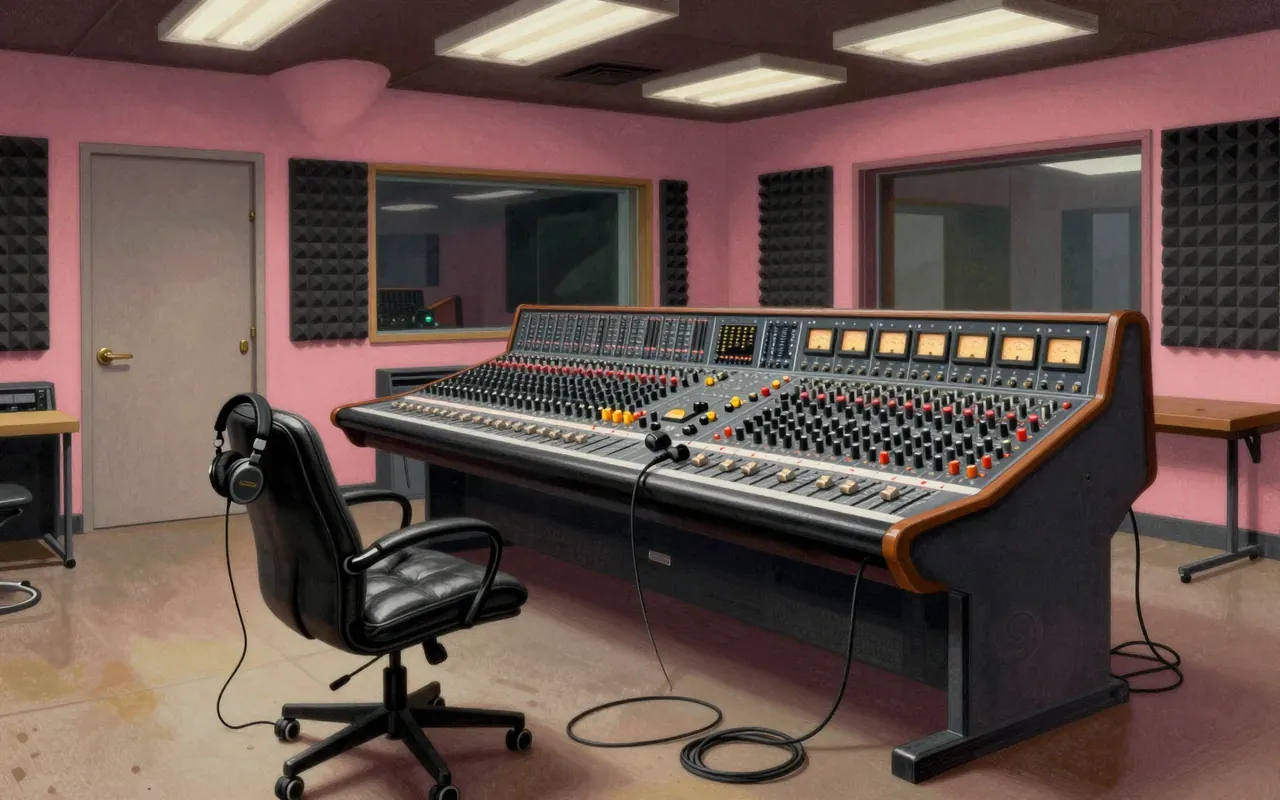
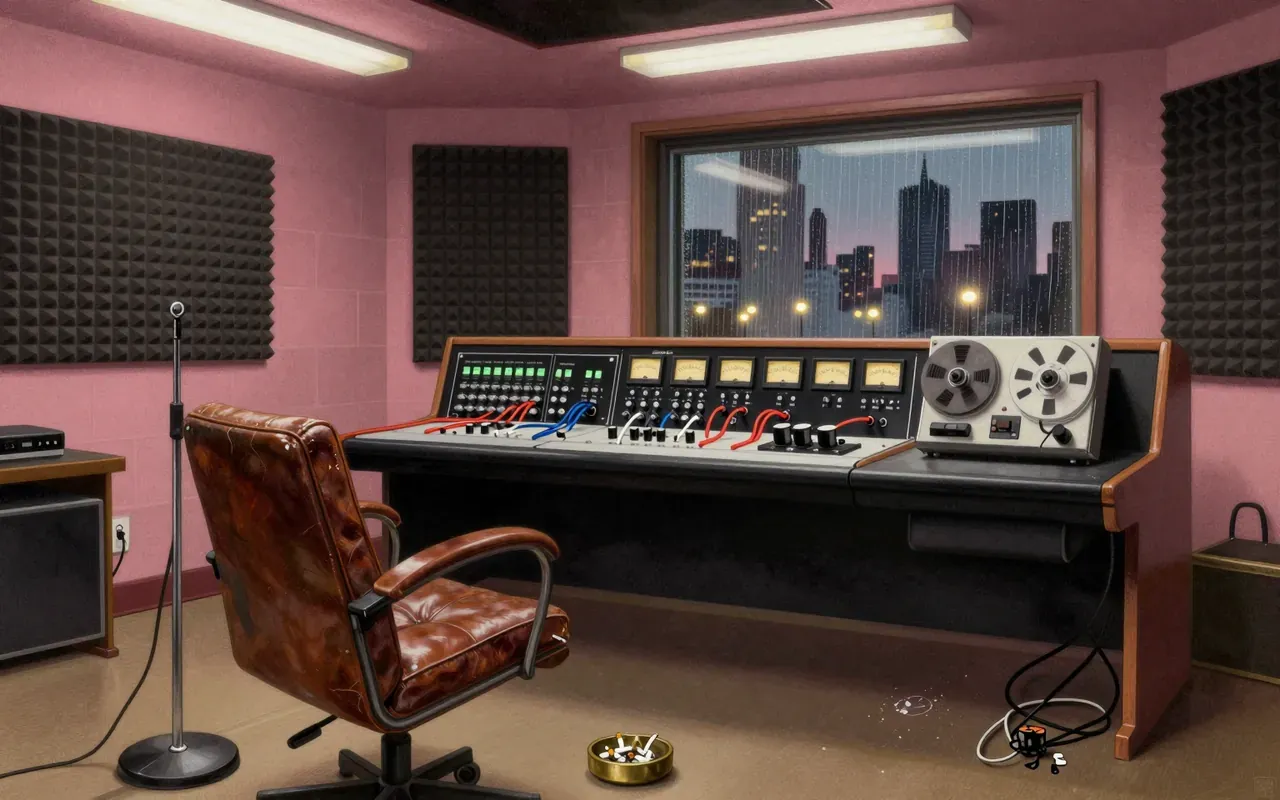
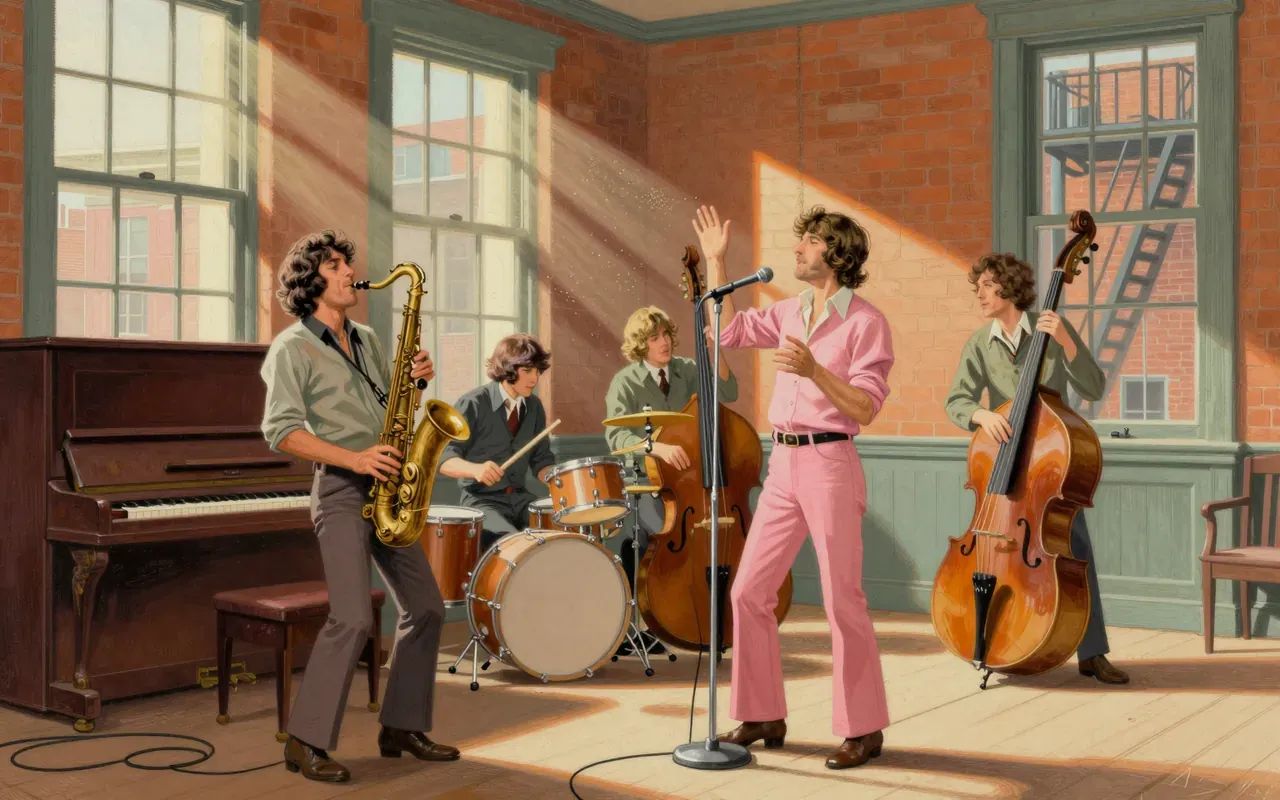
Darkness on the Edge of Town is a 1978 rock record by Bruce Springsteen, recorded live with the E Street Band in New York City between June 1977 and March 1978. It follows a legal settlement with manager Mike Appel. Springsteen and Jon Landau produced it; Steven Van Zandt assisted on arrangements. The album rejects the layered ‘Wall of Sound’ of Born to Run for a rawer hard rock approach. Its lyrics focus on ill-fortuned people who fight back against overwhelming odds. Recording was hindered by carpeted floors at the Record Plant that muffled resonance. The band moved quickly between songs, often recording them shortly after Springsteen wrote them.

Chapters & takeaways4
  1. 1:15
    Where it came from

    It came from legal exhaustion and nine months of live-band recording in New York City.

  2. 2:58
    How the room fought back

    They recorded live—but the carpet at the Record Plant muffled the resonance they needed.

  3. 4:37
    What got stripped away

    It swapped ‘Wall of Sound’ for raw hard rock—no strings, no layers, no safety net.

  4. 6:08
    Who it’s about

    Its characters don’t win. They persist. That’s the point.

Running order10
  1. 01
  2. 02
    Adan Crio a Cain (Adam Raised a Cain)4:32
  3. 03
    Algo en la Noche (Something in the Night)5:12
  4. 04
    El Cuarto de Candy (Candy’s Room)2:45
  5. 05
    Corriendo en la Calle (Racing in the Street)6:52
  6. 06
    La Tierra Prometida (The Promised Land)4:28
  7. 07
    Fabrica (Factory)2:17
  8. 08
    Calles de Fuego (Streets of Fire)4:03
  9. 09
    Pruebamelo Toda la Noche (Prove It All Night)3:59
  10. 10
    Oscuridad en el Suburbio (Darkness on the Edge of Town)4:29

Film placements are the ones described in each film's own entry, so the list is partial rather than complete.

Worth your time?

Yes. Hear the whole thing.

4.5/ 5
What works
  • Badlands
  • Factory
  • The Promised Land
  • Racing in the Street
What does not
  • resolve
  • soothe
  • romanticise
Hear it if
  • listeners who prioritise rhythmic presence over melodic ease
  • those who treat lyrics as physical action
Skip it if
  • listeners seeking catharsis or resolution
  • those who rely on sonic comfort or familiarity
The written brief2 min read

What the record is and where it came from

A 1978 album by Bruce Springsteen, recorded between June 1977 and March 1978 in New York City with the E Street Band. It followed a legal settlement with manager Mike Appel in May 1977. Springsteen and Jon Landau produced it. Steven Van Zandt assisted on arrangements and received a production assistance credit.

How it sounds, and how it was made

It sounds like the E Street Band playing live in a room with carpeted floors that muffled resonance. The band recorded together, often immediately after Springsteen wrote the songs. There are no layered ‘Wall of Sound’ textures. The production is rawer, harder, stripped of orchestration and reverb-heavy treatments. Atlantic Studios’ sound disappointed them. At the Record Plant, the carpet killed low-end bounce. Springsteen demanded perfection but gave little direction.

What lands

‘Badlands’, ‘Factory’, ‘The Promised Land’, and ‘Racing in the Street’ land with rhythmic insistence and lyrical clarity. Each builds around a central image—rock face, assembly line, cracked pavement, empty highway—and holds it without flinching.

What does not

It does not offer catharsis through release. It does not resolve. It does not soften its edges with melody or harmony. It does not use strings, horns, or backing choirs. It does not revisit the cinematic sweep of Born to Run.

The ideas inside it

Ill-fortuned people fight back against overwhelming odds. Not redemption. Not escape. Not myth. Just endurance, refusal, and the weight of place—factories, streets, towns on the edge.

Who should hear it, and who should not

People who hear rhythm before melody. People who value lyrics as action, not decoration. People who want rock music that feels physically present—not nostalgic, not curated, not safe. Not people who need resolution, warmth, or sonic relief.

Is it worth your time

Yes—if you want hard rock built on live tension, not studio polish. It rewards attention to rhythm section interplay and vocal grit. It does not reward patience for ambiguity or sonic comfort.
Same genre · Rock4 of 29
9:18
…And Justice for AllMetallica · 1988…And Justice for All is Metallica’s 1988 studio album, recorded January–May at One on One Recording Studios in Los Angeles. It is defined by its dry, sterile production, inaudible bass, clicking drums, and thin guitar buzz—results of a methodical, instrument-by-instrument process overseen partly by Flemming Rasmussen (who joined six weeks in) and mixed by Thompson and Barbiero in Rasmussen’s absence. Jason Newsted recorded bass alone. Hetfield prioritised a hard vibe over singing. The album premiered at Brooklyn’s L’Amour in September 1988.
9:59
Back in BlackAC/DC · 1980Back in Black is AC/DC’s 1980 album, recorded over seven weeks from mid-April to May 1980 at Compass Point Studios in the Bahamas. It followed Bon Scott’s death. Brian Johnson replaced him as vocalist. The songwriting began with Scott and concluded with Johnson.
11:36
Born in the U.S.A.Bruce Springsteen · 1984Born in the U.S.A. is a 1984 rock-pop album by Bruce Springsteen, recorded with the E Street Band in New York City from January 1982 to March 1984. It draws material from the Nebraska demo tape. Its title track is a bitter commentary on Vietnam veterans, but its anthemic music and title led to widespread misinterpretation. Chuck Plotkin judged the full-band performances as less meaningful, less compelling, and less honest than the demos. The album was co-produced by Springsteen, Jon Landau, Steven Van Zandt, and Chuck Plotkin. Toby Scott engineered at the Power Station in April 1982. 'Cover Me' was originally written for Donna Summer. The recording sessions yielded 70–90 songs.
10:50
Born to RunBruce Springsteen · 1975A meticulously constructed studio artifact — not a live document — built on tension, layering, and unresolved sonic ambition.
Up next in Music

Deeper Than Rap

Rick Ross · 2009 · 12:01

A sample-built monument to mythmaking — where every luxury claim comes with a footnote of doubt.

12:01