musicbriefs
8:57in productionCh. 1 · Two Movements, One Floor/ 8:57 · ceiling 15 min
Disco, funk & soul · Jazz

Acid jazz

1987

A genre named after acid house that refused to sound like it.

Acid jazz was a London club phenomenon that reassembled jazz-funk as functional groove—not jazz revival. It succeeded by rejecting jazz orthodoxy and electronic trends alike. Its name misled. Its method endured.

Chapters & takeaways5
  1. 0:53
    Two Movements, One Floor

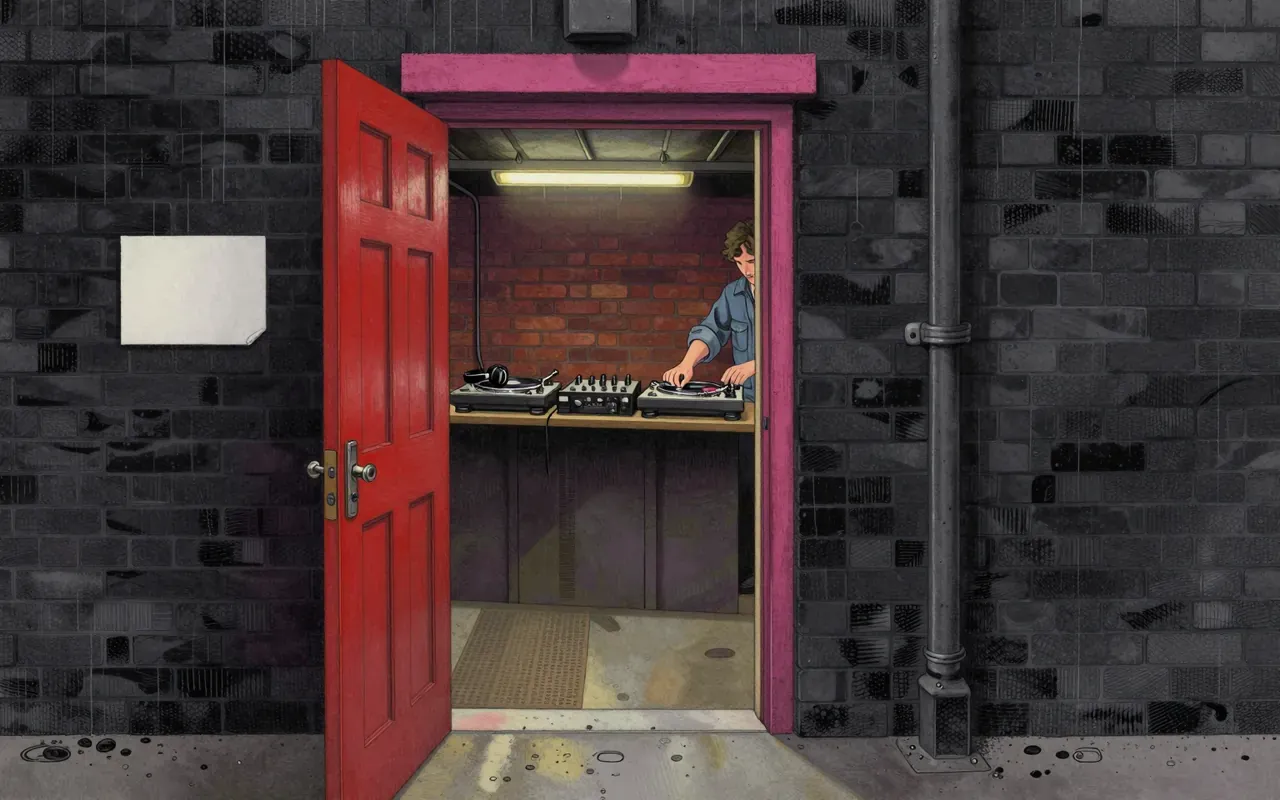
    It began in London clubs as two parallel acts: DJs splicing jazz records, and bands playing back those edits live.

  2. 2:04
    Jazz as Sample, Not Syntax

    It fused funk, soul, and hip hop—not jazz tradition—but used jazz recordings as raw material for groove.

  3. 3:19
    Acid in Name Only

    Its name referenced acid house, but it shared no sonic DNA—no TB-303, no synthetic acid lines, no electronic production.

  4. 4:29
    Groove Over Grammar

    Danceable grooves and repetition defined it—not improvisation, harmony, or swing.

  5. 5:43
    Indistinct, Not Extinct

    It dissolved not from failure, but from absorption—its techniques became ambient to UK club music by the 2000s.

Worth your time?

Yes. Hear the whole thing.

4/ 5
What works
  • the rare groove movement
  • 1980s London club culture
What does not
  • misrepresent
  • overstate
  • invent
Hear it if
  • listeners who care about how genres are built, not just what they sound like
Skip it if
  • those seeking jazz history or electronic music lineage
The written brief1 min read

What the thing is

Acid jazz is a London-born club genre that fused funk, soul, and hip hop. It prioritised danceable grooves, live instrumentation, and remix-based reinterpretation of 1960s–70s jazz records.

Where it came from

It emerged in 1980s London clubs through the rare groove movement. DJs remixed vintage jazz tracks with added percussion and dance beats; bands then formed to replicate those grooves live.

What it gets right

It foregrounded groove over virtuosity. It revived overlooked jazz-funk recordings through DJ curation and live reinterpretation. It made percussion, repetition, and dancefloor function central—not ornamental.

What it gets wrong

It misnamed itself. The ‘acid’ label invited confusion with acid house, even though it rejected the TB-303, electronic synthesis, and the very logic of acid’s synthetic timbre.

Why it matters now

It reveals how genres can be built on deliberate misdirection—naming a thing after what it opposes—and how club culture repurposes archival material without reverence, only utility.

Is it worth your time

Yes—if you want to understand how club culture reassembled jazz not as heritage but as rhythm, and how a genre named after acid house deliberately avoided its sound.

Same genre · Disco, funk & soul4 of 123
9:47
A Sailor’s Guide to EarthSturgill Simpson · 2016A Sailor’s Guide to Earth is a live-recorded, self-produced orchestral-soul detour from country orthodoxy — anchored by real strings, real horns, real steel guitar, and real ensemble interplay.
9:56
Arepa 3000: A Venezuelan Journey Into SpaceLos Amigos Invisibles · 2000Los Amigos Invisibles’ Arepa 3000: A Venezuelan Journey Into Space is a 2000 studio album produced by Philip Steir. It won a Latin Grammy for Best Rock Album and received a Grammy nomination for Best Latin Alternative Album. Its sound is tightly arranged, groove-first, and sonically frictionless — built for repeat listening and film placement, not deep excavation.
10:35
“Awaken, My Love!”Childish Gambino · 2016‘Awaken, My Love!’ is a committed, cohesive plunge into psychedelic soul—no hedging, no genre tourism, no rap. It works because it trusts the weight of groove, the heat of analogue texture, and the authority of Glover’s voice as instrument first, storyteller second.
10:59
Beauty Behind the MadnessThe Weeknd · 2015Beauty Behind the Madness is a studio-built pivot — not a genre surrender, but a recalibration of texture, tempo, and vocal space. Its sound is defined by what was left out (pre-written material, mixtape-era reverb saturation, unfiltered vocal takes) and what was brought in (disco basslines, string arrangements, gate-processed drums). It lands where its architecture is clearest: three platinum-certified singles built for repetition, contrast, and radio. It falters where collaboration blurs authorship — guest vocals that sit beside rather than within the Weeknd’s tonal world, and cinematic flourishes that mute his earlier rhythmic tension. It is worth your time if you listen for process, not polish.
Up next in Music

Actually

Pet Shop Boys · 1987 · 12:46

A synth-pop record built on Fairlight substitutions, rotating producers, and lyrics that landed just before the fire.

12:46