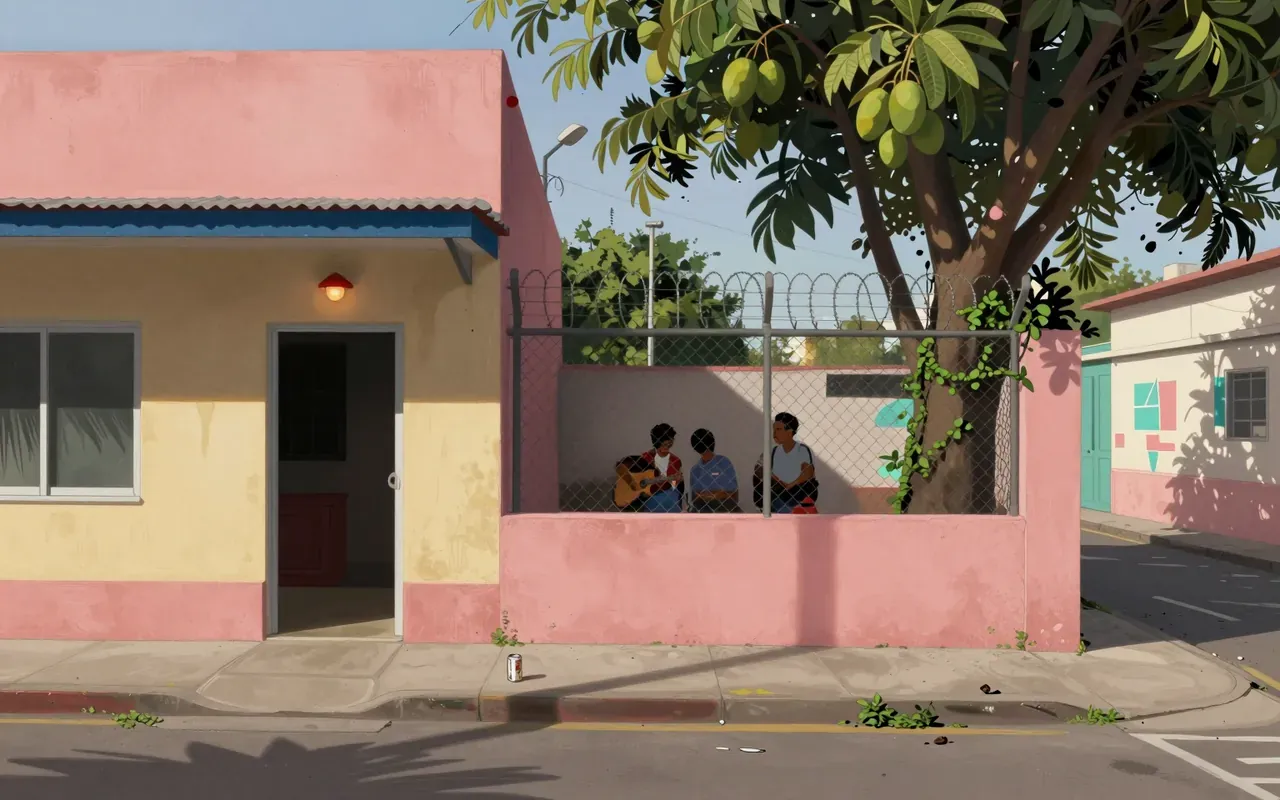
Barrio fino
Daddy Yankee · 2004
Barrio fino is reggaeton’s first major export strategy — rhythm-locked, studio-sourced, and genre-flexible where it counts.
Selection as authorship.
Barrio fino is reggaeton’s first major export strategy — rhythm-locked, studio-sourced, and genre-flexible where it counts.

Black Sunday is a landmark commercial and cultural achievement — not a document of its production process.

Kaleidoscope is Kelis’s 1999 debut studio album, produced entirely by the Neptunes and released by Virgin Records. It draws from 1970s jazz, disco, soul, R&B, hip hop, urban and rock, and features club-oriented electro beats. Several tracks were designed for dancing. The Neptunes performed instruments and created arrangements. Dave Hummel and Andrew Coleman engineered it. Şerban Ghenea mixed thirteen tracks; Ken 'Duro' Ifill mixed track 10. Kelis cited Sarah Vaughan, Ella Fitzgerald and Dinah Washington as major vocal influences. The album was recorded between mid-1998 and mid-1999.
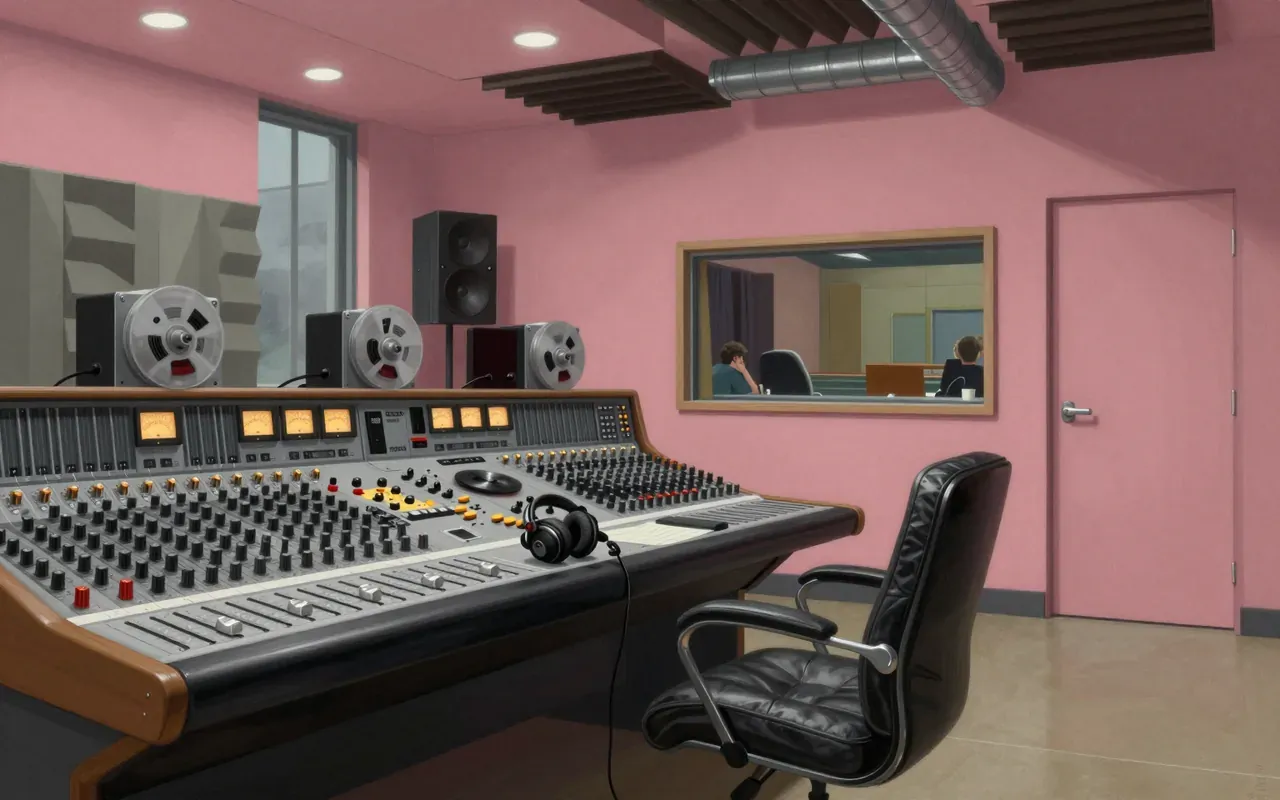
Madonna’s 'Music' is a studio document — not a concept, not a persona shift, but a sequence of hardware choices, personnel swaps, and tempo decisions made in one London room over five months. It lands where the gear speaks loudest: clipped vocals, dry acoustics, converter-coloured transfers. It fails where the logic breaks: the 6:34 sprawl of 'Paradise', the inert cover of 'American Pie'. It is pop as process, not product.
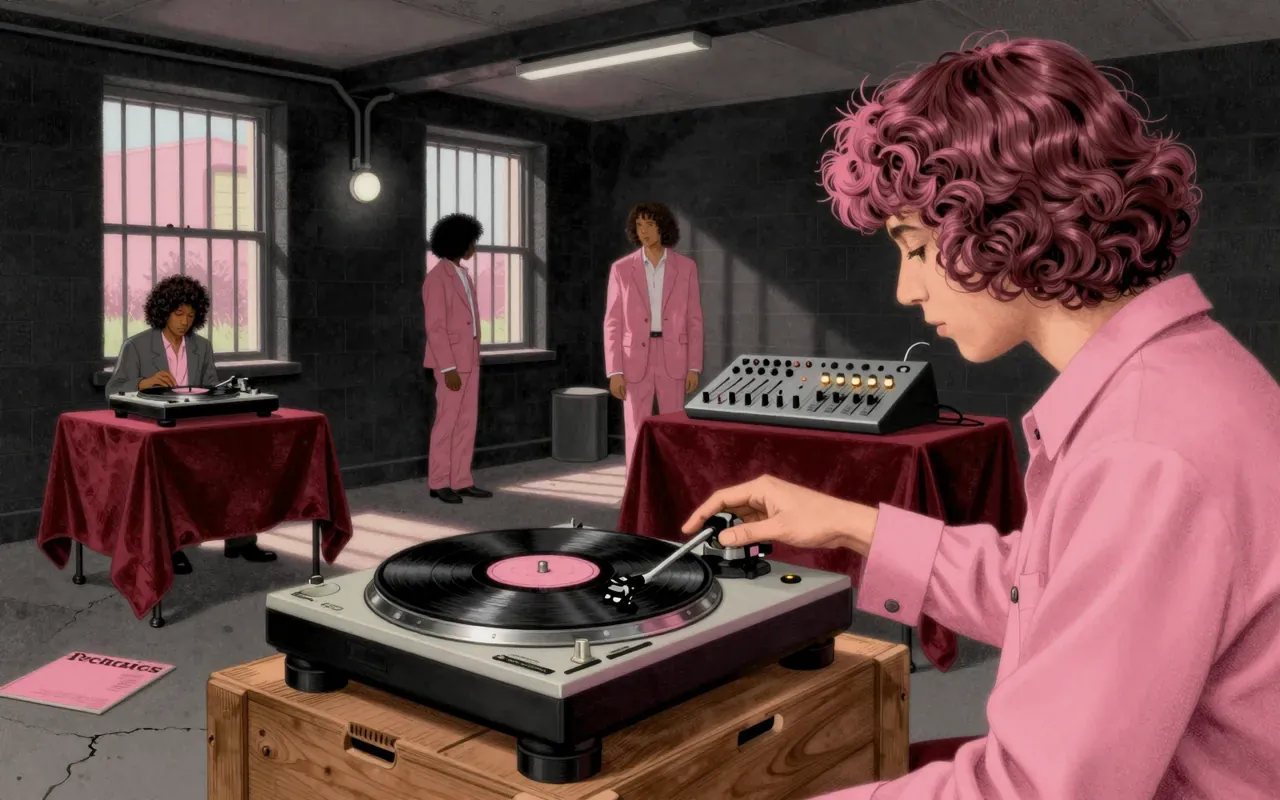
Run-D.M.C. (1984) is a debut defined by subtraction: Oberheim DMX beats, Jam Master Jay’s scratches, Eddie Martinez’s guitar riffs. No basslines beyond the drum machine’s pulse. No melodic relief. No studio reverb. Just staccato vocals, rhythmic tension, and social framing — all assembled by Russell Simmons and Larry Smith. It landed as new school hip hop because it refused the old rules — not by adding, but by stripping away.

A 2004 experimental mashup by Danger Mouse, made from Jay-Z’s The Black Album a cappellas and samples solely from the Beatles’ 'White Album'. Released in a limited 3,000-copy run without Beatles permission. Framed as deconstructive labour — not remixing, but rebuilding using only those two sources.
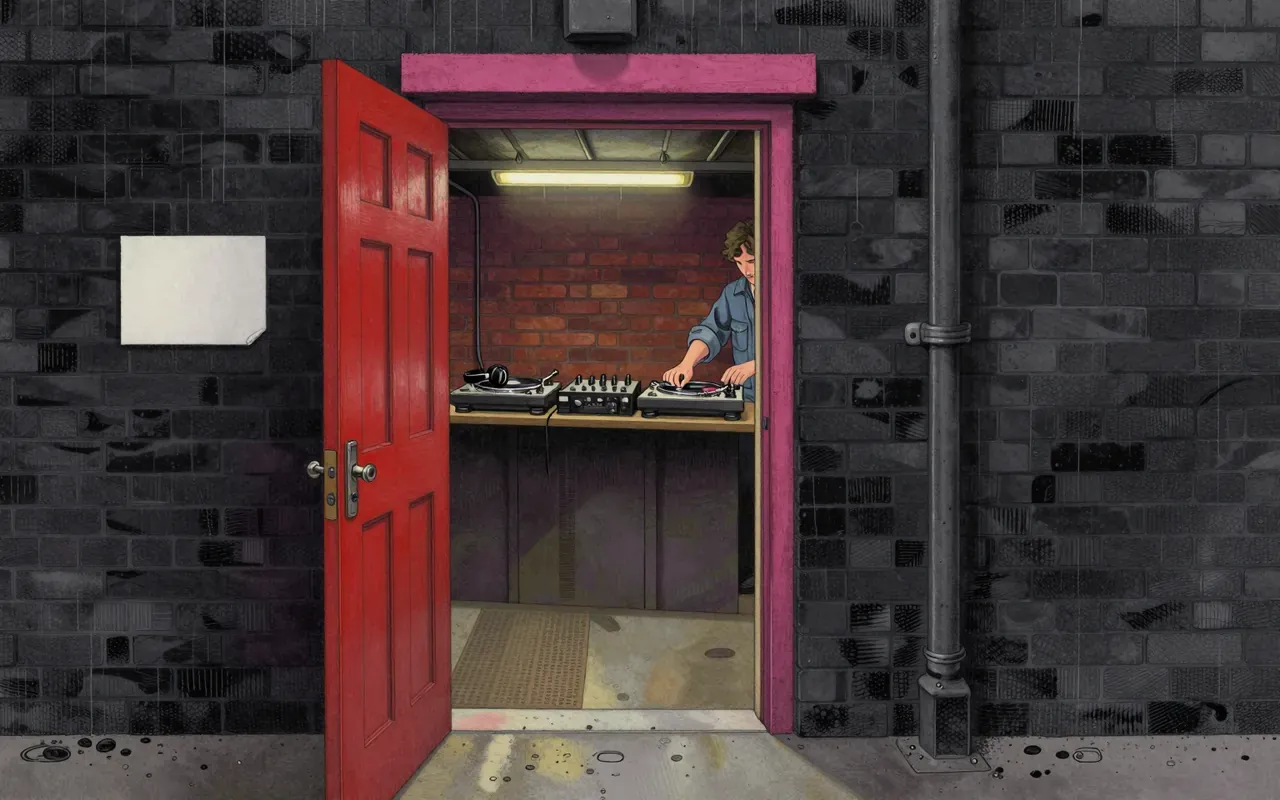

Call Me If You Get Lost is Tyler, The Creator’s seventh studio album, released 25 June 2021. It marks a stylistic pivot from the soulful intimacy of Igor and Flower Boy toward bolder, more eclectic production—drawing from Gangsta Grillz-era mixtapes—and incorporates hip-hop, pop, jazz, soul, and reggae. Tyler self-produced nearly all tracks, with Jamie xx, Jay Versace, and Madlib contributing to three songs. The album features dense, spatially inventive mixing, genre-fluid transitions, and a wide cast of collaborators, all framed within a narrative persona ('Tyler Baudelaire') and a concept rooted in travel, worldliness, and romantic vulnerability. Its production reflects the full arc of Tyler’s evolution—from early horrorcore sampling to refined, cinematic arrangements—while retaining raw lyrical energy and structural unpredictability.
Criminal Minded is a sonic and sociocultural threshold — not a polished statement, but a live wire pulled from the South Bronx.

Dig Your Own Hole is the Chemical Brothers’ second studio album, recorded between 1996 and 1997 at their own south London studio and released 7 April 1997. It features guest vocalists Noel Gallagher and Beth Orton. Key tracks originated as DJ promos ('Electronic Battle Weapon 1' and '2'). Its sound is built from verified samples: Schoolly D’s 'Gucci Again', Lothar and the Hand People’s 'It Comes On Anyhow', and John Schroeder’s 'Money Runner'. The title comes from graffiti outside the studio. It was critically acclaimed, earning a 10/10 from Mixmag.
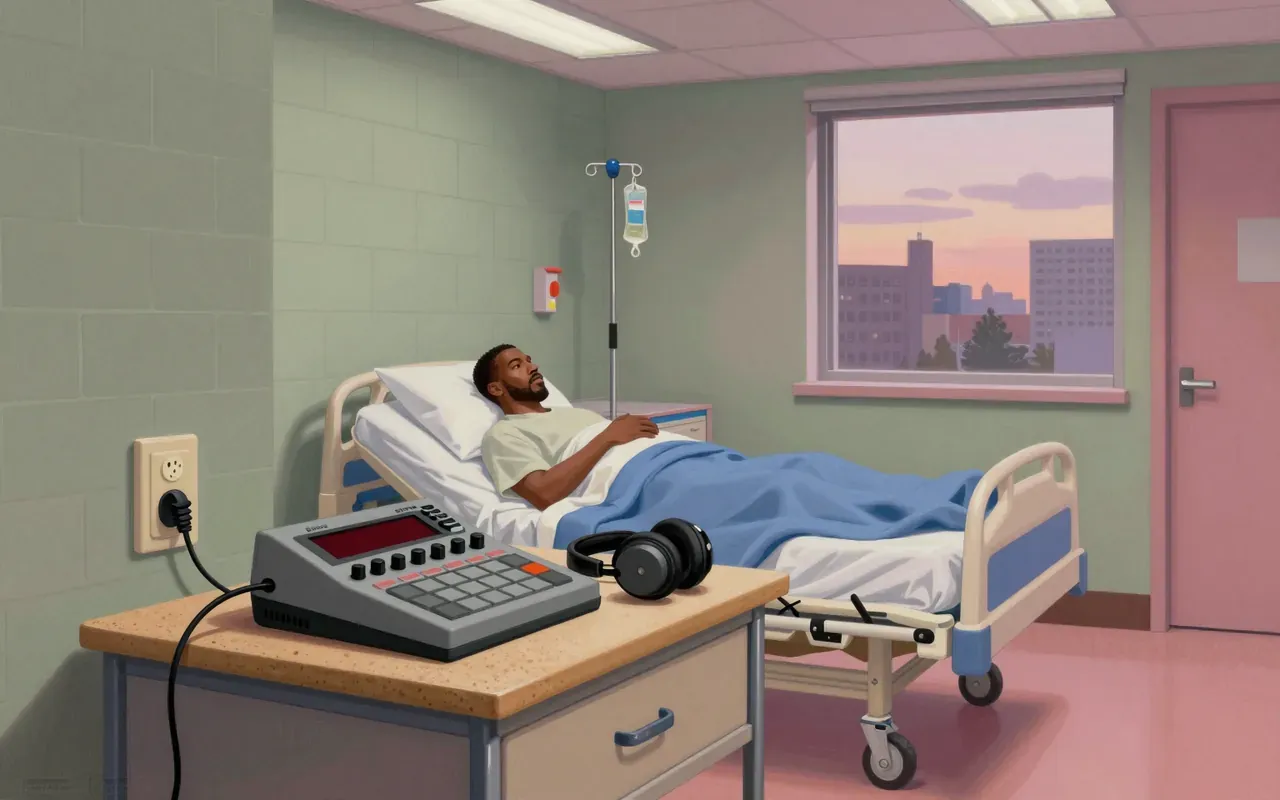
Donuts is an instrumental hip-hop album released on February 7, 2006 — three days before J Dilla’s death. It consists of 31 tracks built from 34 samples across rock, jazz, and soul. It was made in hospital and hotel rooms using portable gear including a Boss SP-303, MPC, Moog keyboard, turntable, laptop, audio interface, and crate of records. J Dilla forbade anyone from hearing the unfinished version. The album begins with an outro and ends with an intro, forming a structural loop.

Ill Communication is the Beastie Boys’ fourth studio album, co-produced by the band and Mario Caldato, Jr., recorded between 1993 and 1994 at Tin Pan Alley and G-Son Studios. It expands on their live-instrument approach begun with Check Your Head, incorporating hip-hop, punk rock, jazz, and funk, and reflects influences from Miles Davis’s On the Corner and Agharta. Contributions include live instrumentation from Money Mark, Eric Bobo, and Amery Smith, plus guest vocals from Q-Tip and Biz Markie. The 'Sabotage' backing track—built around MCA’s fuzzed and twangy bass—was laid down at Tin Pan Alley and sat unused for a year under the working title 'Chris Rock' before final vocals were added. The album was released on May 23, 1994, and received widespread critical acclaim for its stylistic range and synthesis of the group’s earlier impulses with matured musicianship and lyrical depth. Its artwork features a 1964 Bruce Davidson photograph and Alex Grey’s 'Gaia'.
In Colour is a meticulously assembled electronic record that treats sampling as archival practice and editing as emotional architecture. Its strength lies in restraint: space, decay, and human imperfection are compositional tools — not accidents to be polished out.
Leftism is a 1995 electronic album that reworks earlier singles with non-dance vocalists and live instrumentation, anchored by dub, breakbeat, and house textures. Its cohesion was achieved through revision, not design. It lands through contrast — Lydon’s bark, Halliday’s haze, Red’s toasting — all framed by cavernous, tactile production. It does not flatter the ear. It recalibrates it.
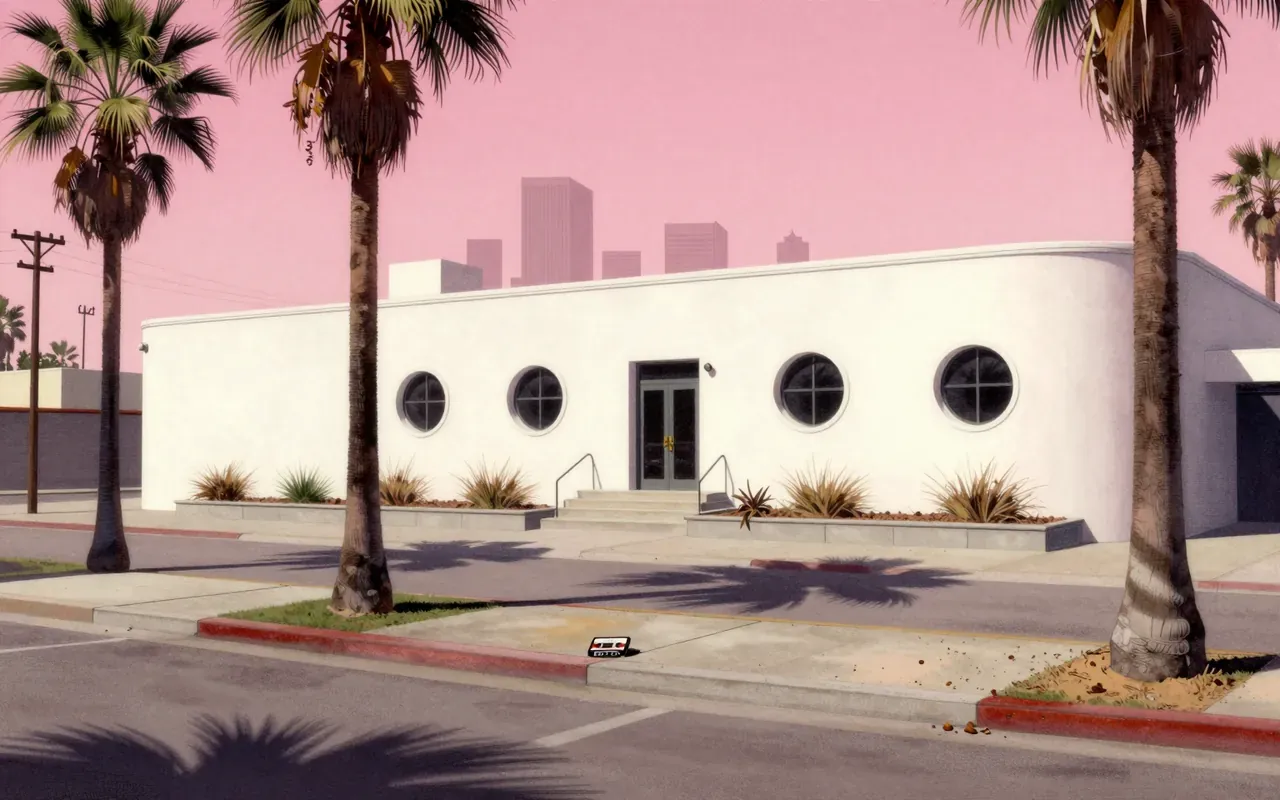
Pills ’n’ Thrills and Bellyaches is the 1990 Happy Mondays album recorded at Capitol Studios in Los Angeles after their US tour. Produced by Paul Oakenfold and Steve Osborne, it fused house, funk, Krautrock, and northern soul into a propulsive, loop-driven sound defined by Gary Whelan’s layered drum work and Rowetta’s soulful vocals on 'Kinky Afro', 'Step On', and 'Bob’s Yer Uncle'. It went platinum in the UK, sold over 350,000 copies, and remains the band’s commercial and artistic zenith — a document of Madchester’s peak, not its myth.

Run the Jewels 2 is a hip-hop album defined by its credited instrumental and vocal additions — not its themes, sound design, or production philosophy. It names who played what, and where. Nothing more is established.

Sex Machine Today is James Brown’s first conscious engagement with disco — a functional, dry, rhythm-locked record made as his chart presence collapsed. It lands where repetition meets precision. It fails where spontaneity and space once ruled.
A sample-based daydream that trades coherence for texture—and wins.
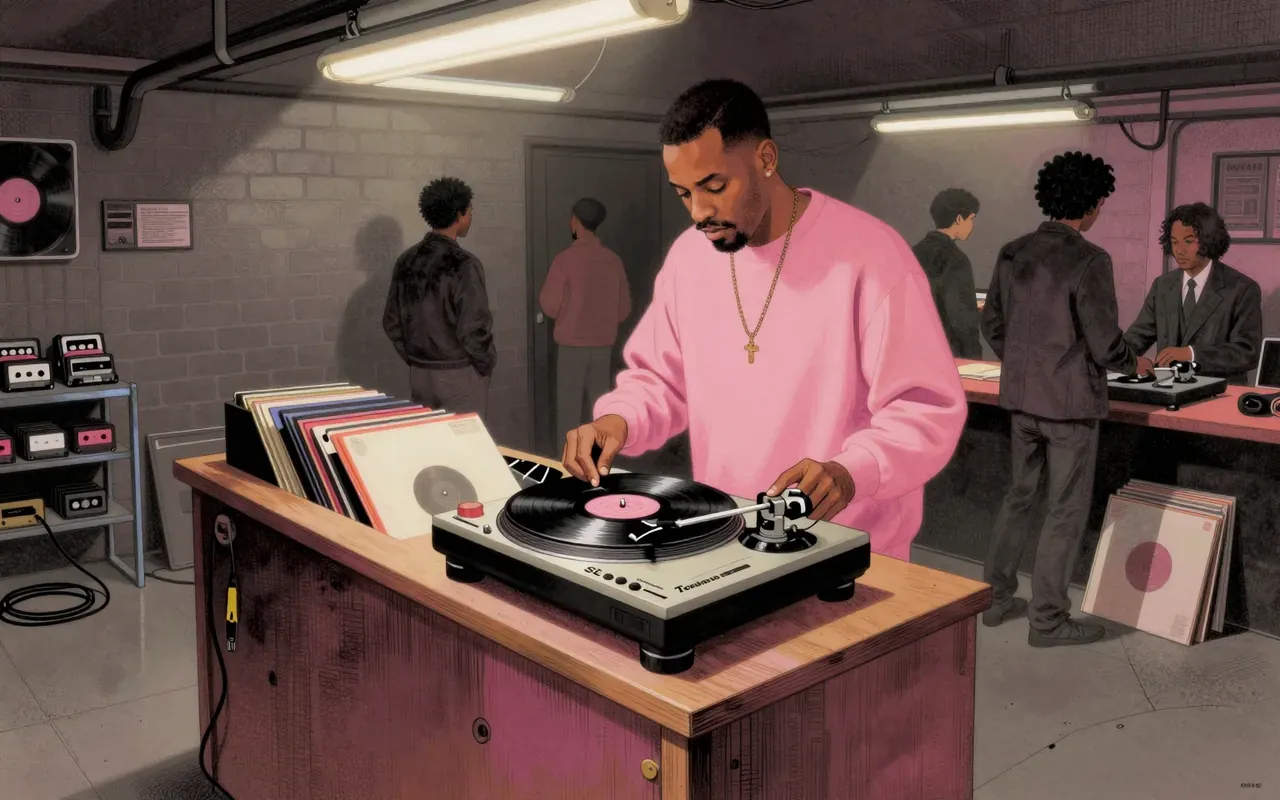
You've Come a Long Way, Baby is a 1998 Fatboy Slim album built from crate-digging, floppy-disc archiving, and hands-on sampling using an Akai S900 and Atari ST. Cook added basslines and assembled collages in the Big Beat style at his Brighton home studio, collaborating with engineer Simon Thornton and using time-stretching. The album distils big beat’s ideas into a coherent, rhythm-first pop statement — with its three defining singles created in one week.
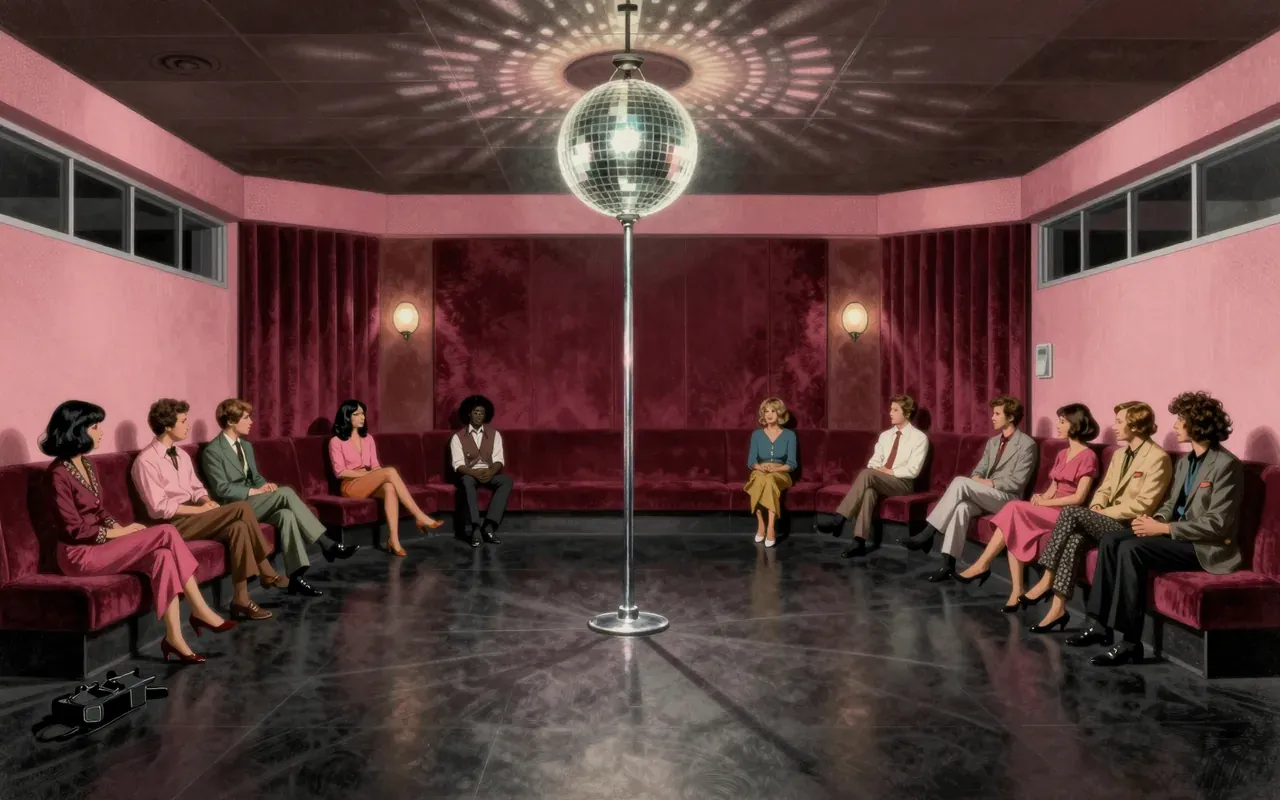
A foundational disco record built on repetition, restraint, and vocal embodiment — not songwriting.
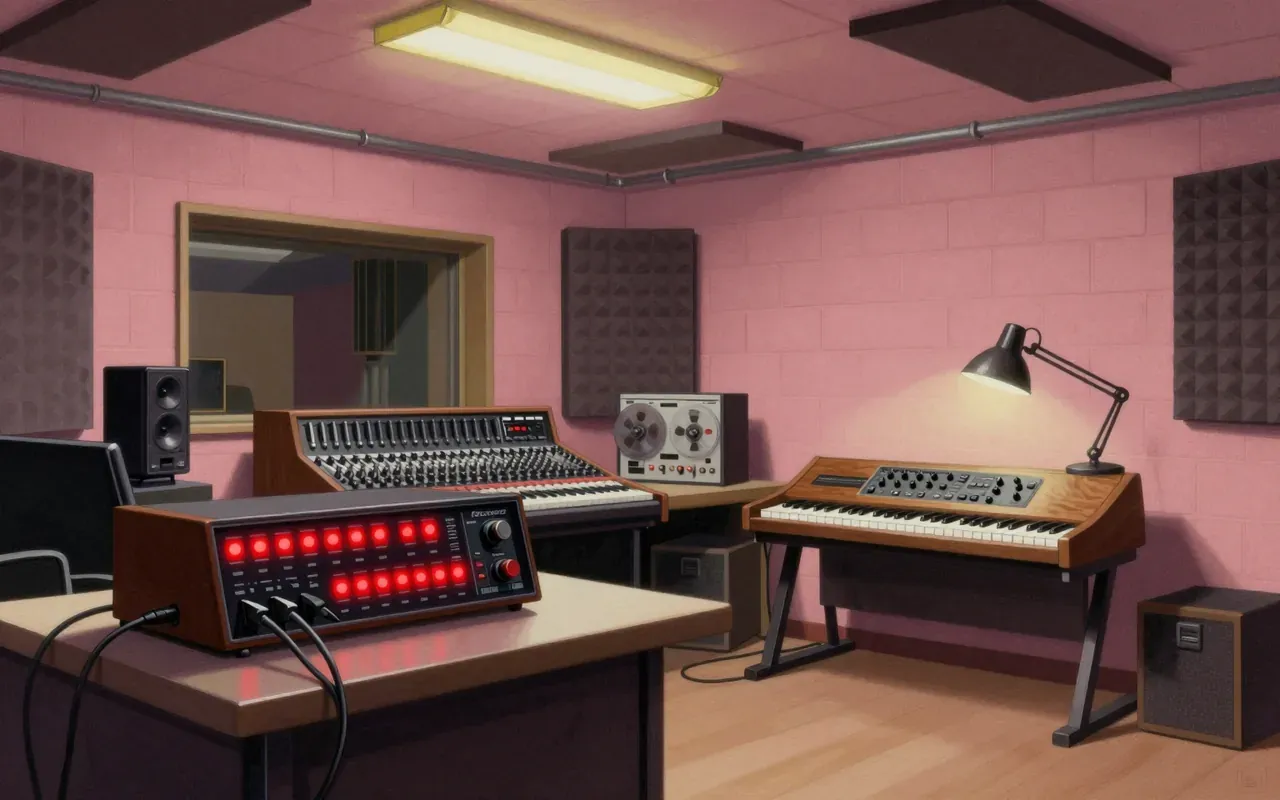
Midnight Star (1988) is a post-breakout album with no documented commercial performance, stylistic departure, or critical repositioning. It relies on the same R&B/funk/vocoder foundation established by No Parking on the Dance Floor (1983), but none of its tracks charted, none received significant airplay, and none are cited as defining the band’s identity.
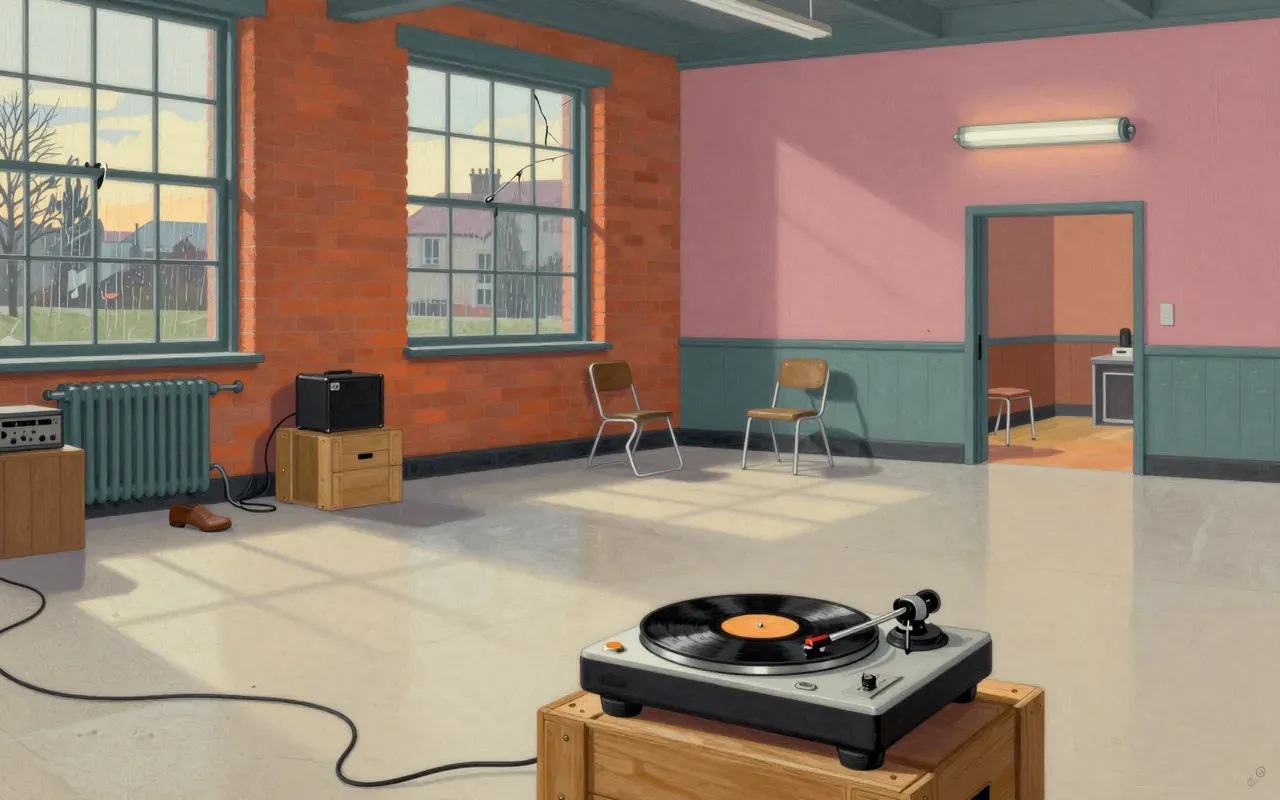

Raising Hell is hip-hop’s first platinum album—and its first declaration of creative sovereignty. It sounds like command, not compromise.
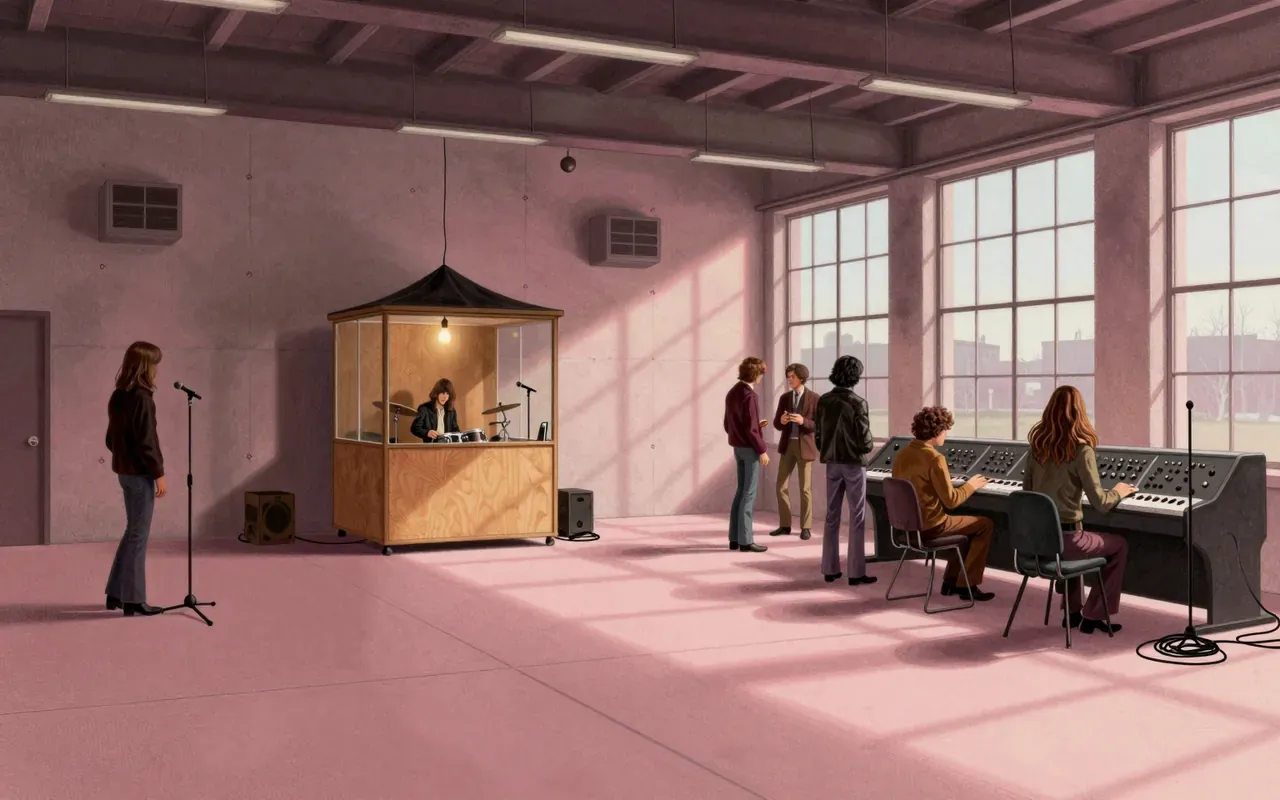
Risqué is a studio-built rhythm document — not a song cycle, not a concept, not a statement. It is a demonstration of how much can be done with three instruments, four microphones, and one room.
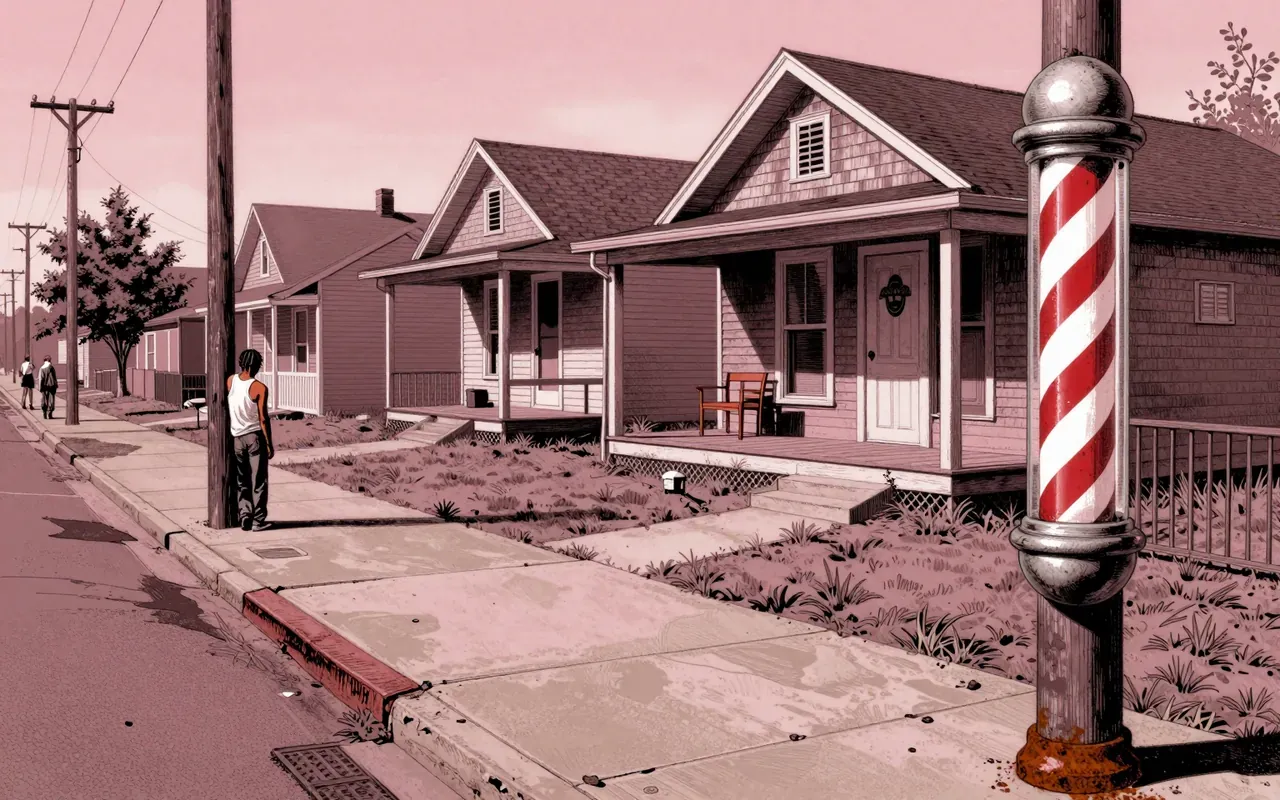
Tha Carter is a hip-hop record built on Mannie Fresh’s New Orleans bounce production and Lil Wayne’s freestyled, instinctive delivery. It marks a stylistic pivot — not a debut, not a culmination, but a decisive turn toward voice-first, groove-led rap.
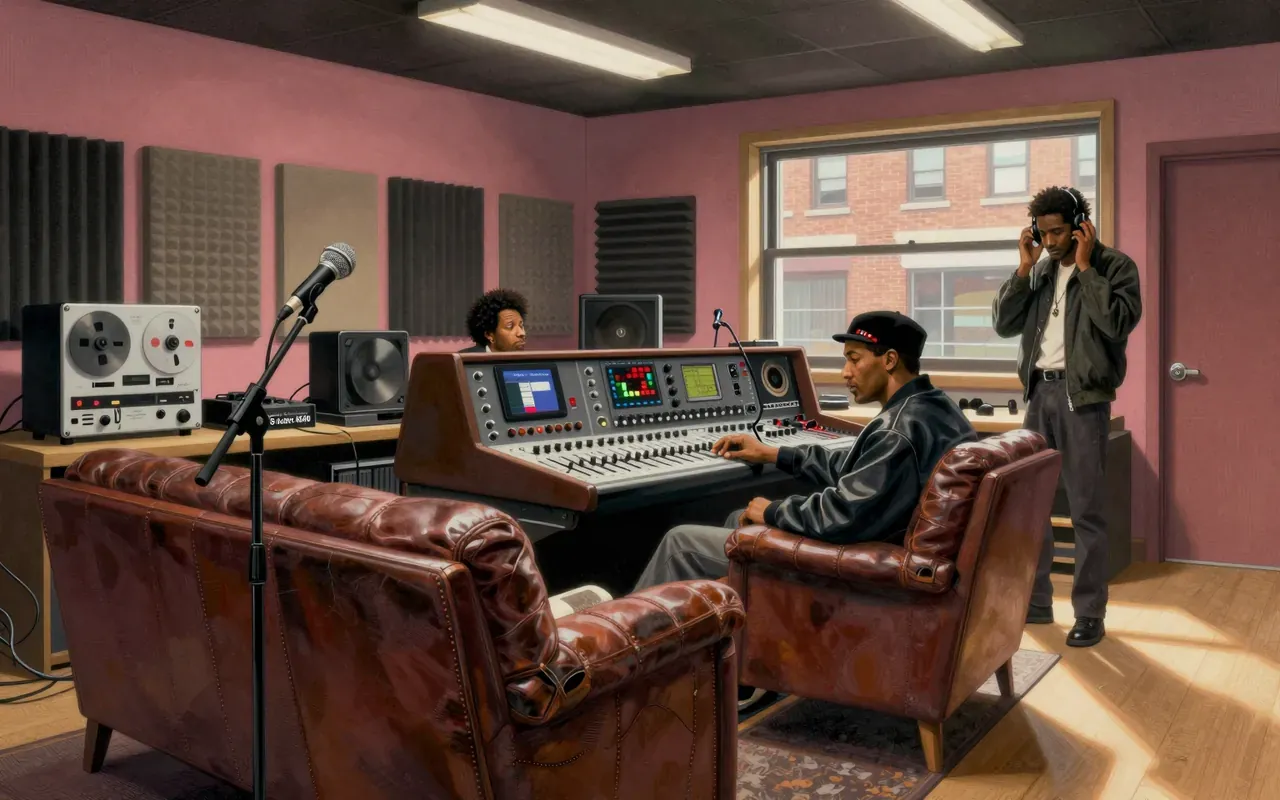
A minimalist hip-hop record built on bass, drums and jazz logic—recorded on John Lennon’s old console, cleared of vinyl noise, and defined by the push-and-pull between Q-Tip and Phife Dawg.
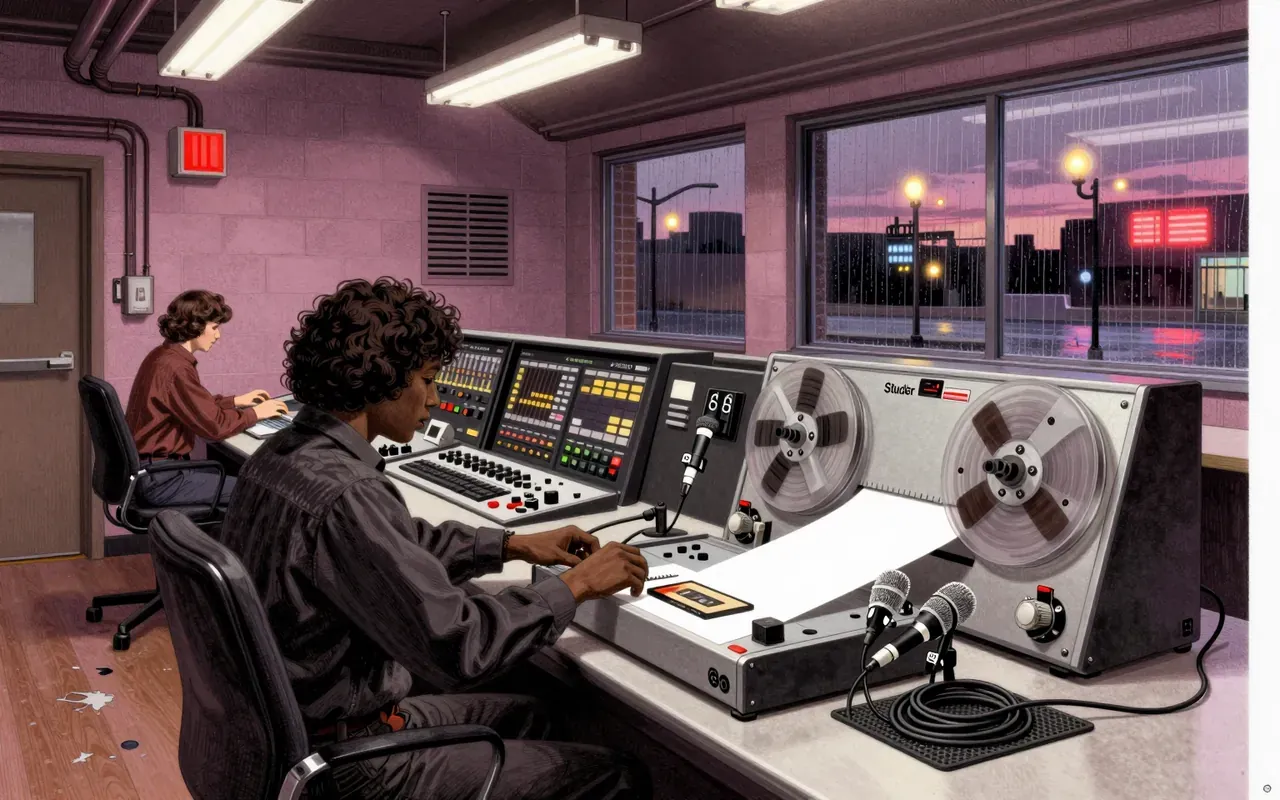
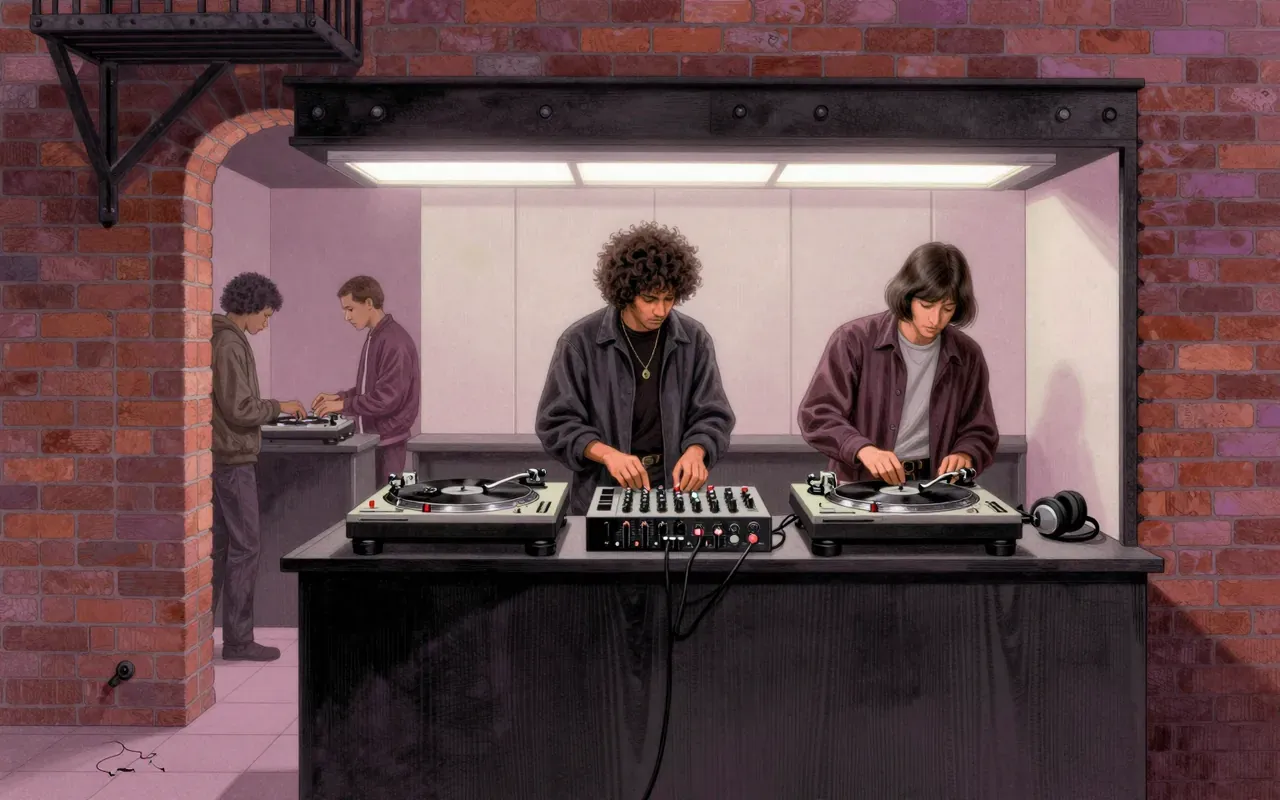
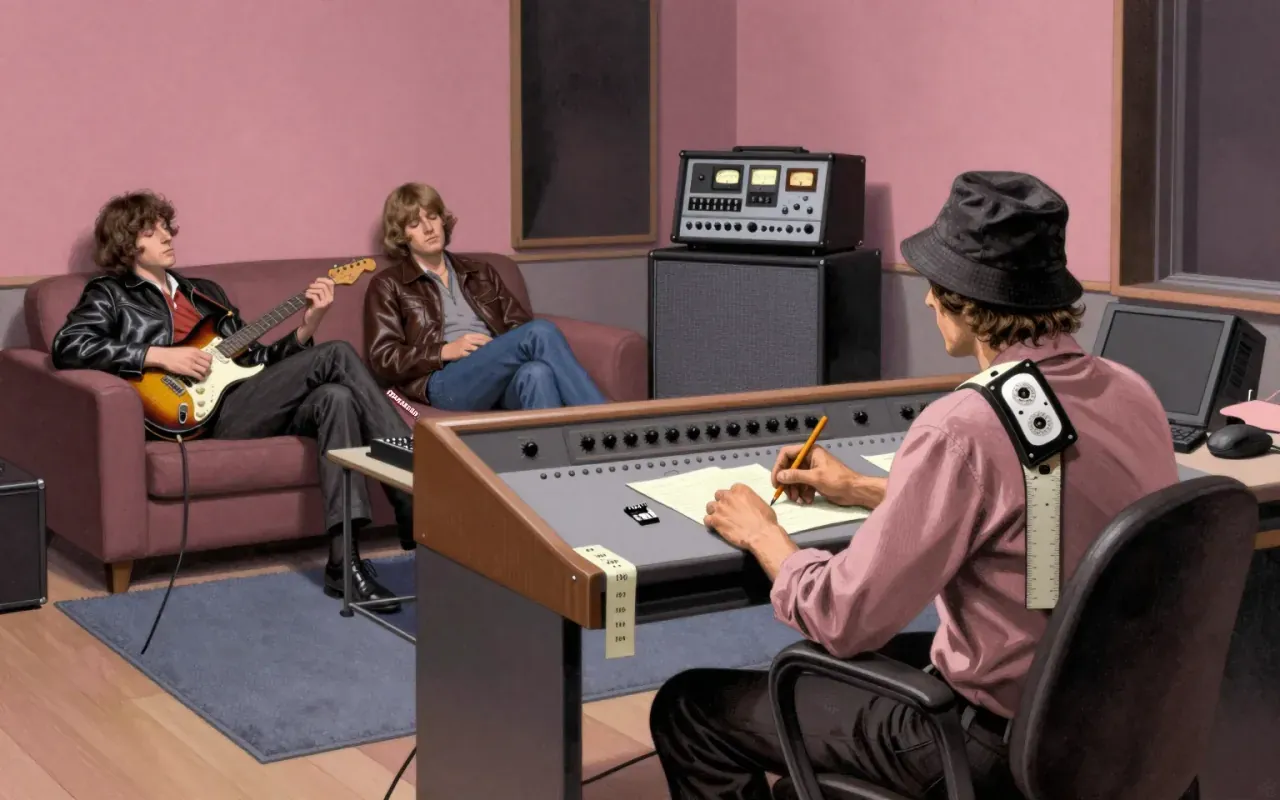
Working with the acid house DJ Andrew Weatherall and engineer Hugo Nicolson, a Scottish guitar band reassembled its own recordings into a record that moves from gospel-soul swagger to dub-inflected drift without settling on one genre. It won the first Mercury Prize and remains the clearest document of guitar music meeting the dancefloor on equal terms.