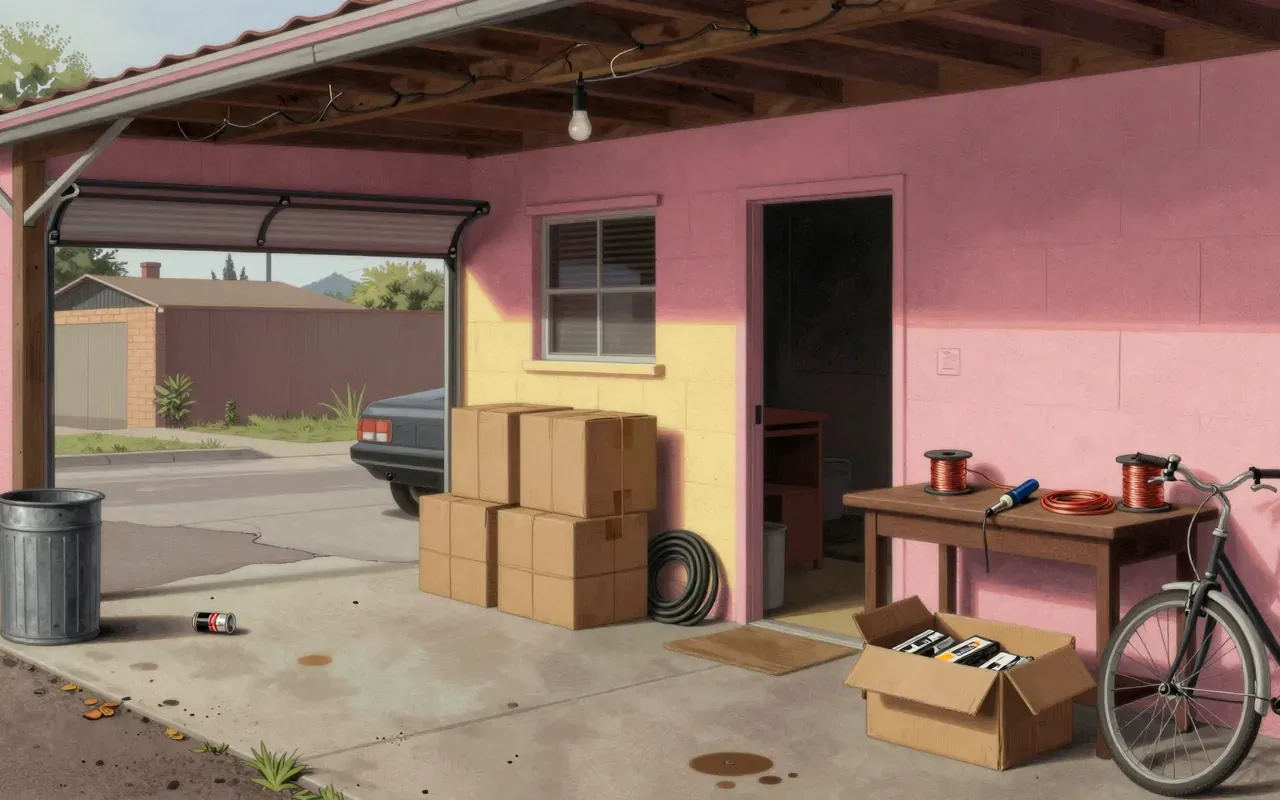
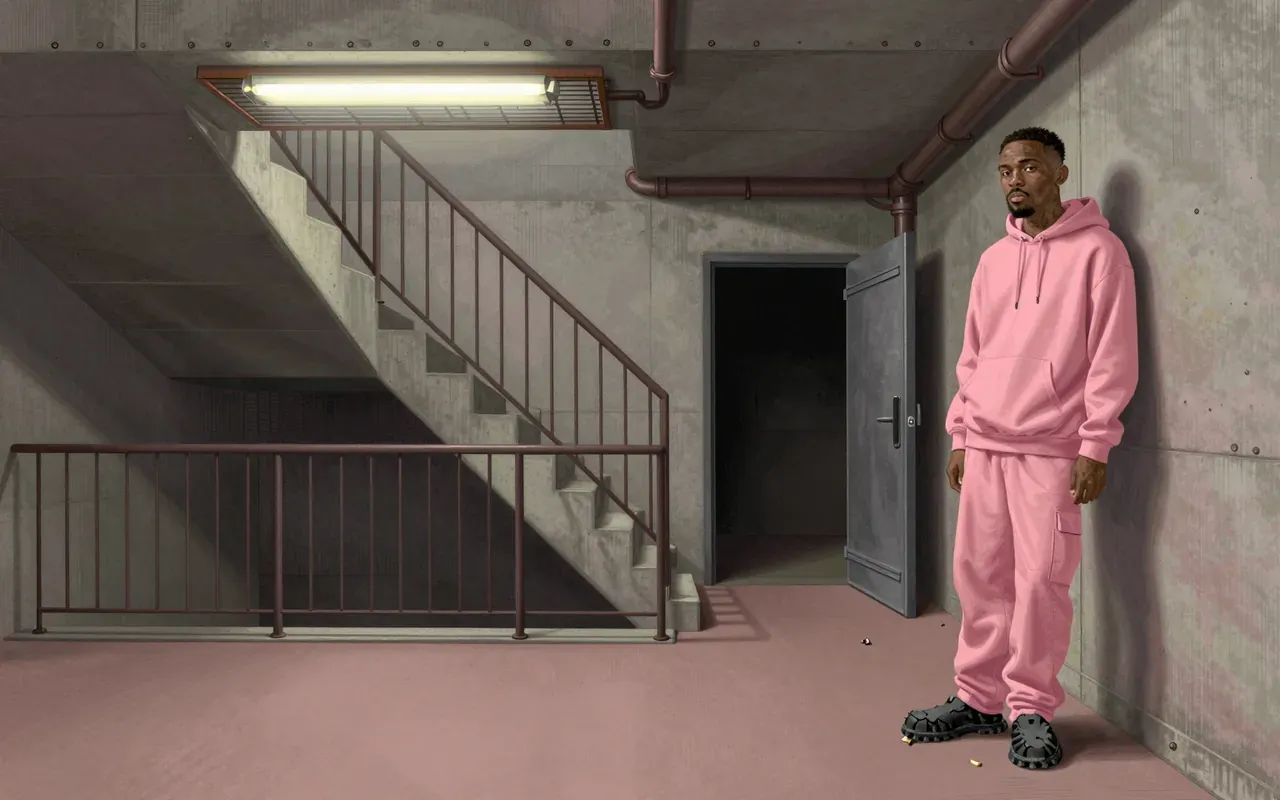
ASTROWORLD is Travis Scott’s third studio album, named after the defunct Houston theme park. Recorded between 2016 and 2018, final sessions took place in Hawaii with Mike Dean, Nav, Frank Dukes, Sonny Digital, WondaGurl, Sheck Wes, Gunna, Wheezy, Don Toliver, Allen Ritter and Amir 'Cash' Esmailian. Mike Dean played keyboards on track 4, guitar on track 17, and synthesizer on track 17. Stevie Wonder played harmonica on track 5. John Mayer played guitar on tracks 8, 11 and 13. Sheldon Ferguson played guitar on track 12. Nineteen85 played bass on track 17. Isaiah Gage played cello on track 17. The album was released on August 3, 2018, debuted at number one on the Billboard 200 with 537,000 album-equivalent units in its first week, and was met with widespread critical acclaim.
Film placements are the ones described in each film's own entry, so the list is partial rather than complete.
Worth your time?
Yes. Hear the whole thing.
4/ 5
What works
SICKO MODE
STOP TRYING TO BE GOD
YOSEMITE
What does not
sustain thematic cohesion across all 17 tracks
ask for patience with its ideas
rely on lyrical density or linear storytelling
Hear it if
people who listen to hip-hop for texture, space, and pacing
Skip it if
people who need clear narrative arcs or consistent vocal presence
The written brief1 min read
What the record is and where it came from
ASTROWORLD is Travis Scott’s third studio album. It was named after the defunct Houston theme park. Recording took place between 2016 and 2018. It was announced as nearing completion in April 2017, with an expected 2017 release. It was released on August 3, 2018.
How it sounds, and how it was made
The album was made in sessions between 2016 and 2018, finalised in Hawaii with Mike Dean, Nav, Frank Dukes, Sonny Digital, WondaGurl, Sheck Wes, Gunna, Wheezy, Don Toliver, Allen Ritter and Amir ‘Cash’ Esmailian. Mike Dean played keyboards on track 4, guitar on track 17, and synthesizer on track 17. Stevie Wonder played harmonica on track 5. John Mayer played guitar on tracks 8, 11 and 13. Sheldon Ferguson played guitar on track 12. Nineteen85 played bass on track 17. Isaiah Gage played cello on track 17.
What lands
SICKO MODE lands — its structural shifts, layered production, and vocal stacking create a self-contained rollercoaster. STOP TRYING TO BE GOD lands — Stevie Wonder’s harmonica gives it gravity no other track achieves. YOSEMITE lands — Sheldon Ferguson’s guitar work anchors its melodic clarity.
What does not
It does not sustain thematic cohesion across all 17 tracks. Several songs function as mood pieces or interludes without narrative or sonic through-lines.
The ideas inside it
It treats the defunct Houston theme park Astroworld as both setting and metaphor: a site of collective memory, engineered spectacle, and controlled disorientation.
Who should hear it, and who should not
People who listen to hip-hop for texture, space, and pacing — not lyrical density or linear storytelling — should hear it. People who need clear narrative arcs or consistent vocal presence should not.
Is it worth your time
Yes — if you want a hip-hop record built for immersion, not exposition. It rewards repeated listening but does not ask for patience with its ideas.