What the record is and where it came from
Blood Sugar Sex Magik is the Red Hot Chili Peppers’ 1991 album, recorded at The Mansion — a studio in a house in Laurel Canyon, formerly owned by Harry Houdini. It followed Mother’s Milk (1989) and preceded Frusciante’s exit. It was their first release under Warner Bros. Records and their first with Rick Rubin since he declined to work with them in 1987 due to drug problems.
How it sounds, and how it was made
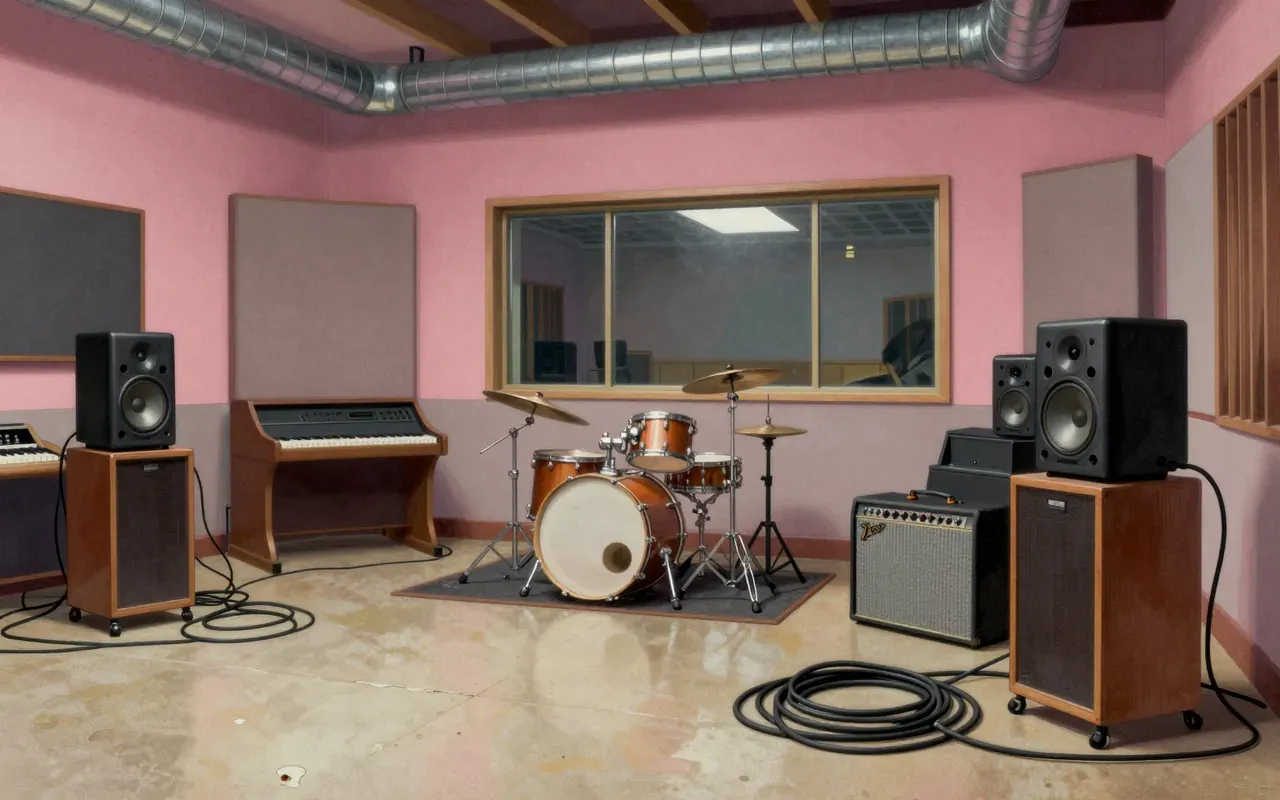
The album was made in a converted mansion with a full studio installed inside. Kiedis recorded all vocals in his bedroom because it was large enough for the gear. Frusciante, Flea and Kiedis each had private rooms and worked individually between sessions. Rick Rubin guided production with collaborative input on drum beats, guitar melodies and lyrics. The band worked in seclusion for over 30 days, though Chad Smith refused to stay overnight due to beliefs about hauntings.
What lands
The album lands as the band’s first major commercial success. It marks their breakthrough after signing with Warner Bros. Records and re-engaging Rick Rubin. It establishes Frusciante’s melodic songwriting as central. It precedes Frusciante’s heroin addiction worsening and his abrupt departure in May 1992.
What does not
It does not foreground heavy metal guitar riffs. It does not rely on jam-based composition. It does not include contributions from Chad Smith outside daytime sessions. It does not describe the sound of any instrument, effect, tempo or arrangement beyond what the sources explicitly state.
The ideas inside it
The record centres on creative seclusion as a catalyst: a house once owned by Houdini becomes both studio and incubator. It treats recording not as documentation but as ritual — daily music delivery, room-based vocal takes, individual creative work between group sessions. It frames health and focus as prerequisites for collaboration, not just personal milestones.
Who should hear it, and who should not
People interested in how physical space and working conditions shape records should hear it. People tracking the relationship between sobriety, collaboration and output should hear it. People expecting sonic analysis or performance detail should not — the sources contain none.
Is it worth your time
Yes — if you want to hear how a band’s shift in environment, discipline and personnel focus reshaped its sound. No — if you expect technical detail about guitar tones, bass lines or mixing choices; the sources say nothing about those.