What the record is and where it came from
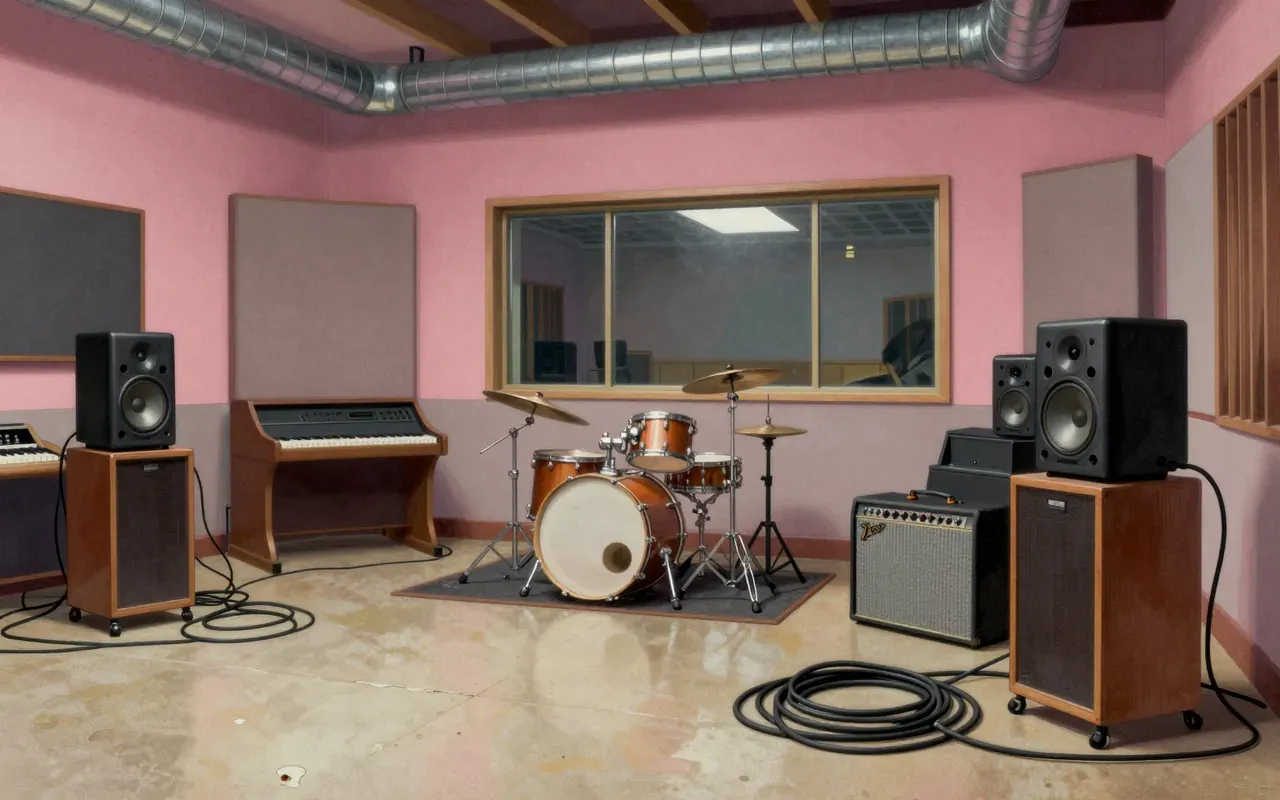
Pavement’s third studio album. Recorded November 14–24, 1994, at Easley Recording in Memphis — a studio familiar from Silver Jews’ Starlite Walker (1994). First Pavement album with all five members present. Longest studio release: nearly one hour, sequenced by Malkmus across three vinyl sides.
How it sounds, and how it was made
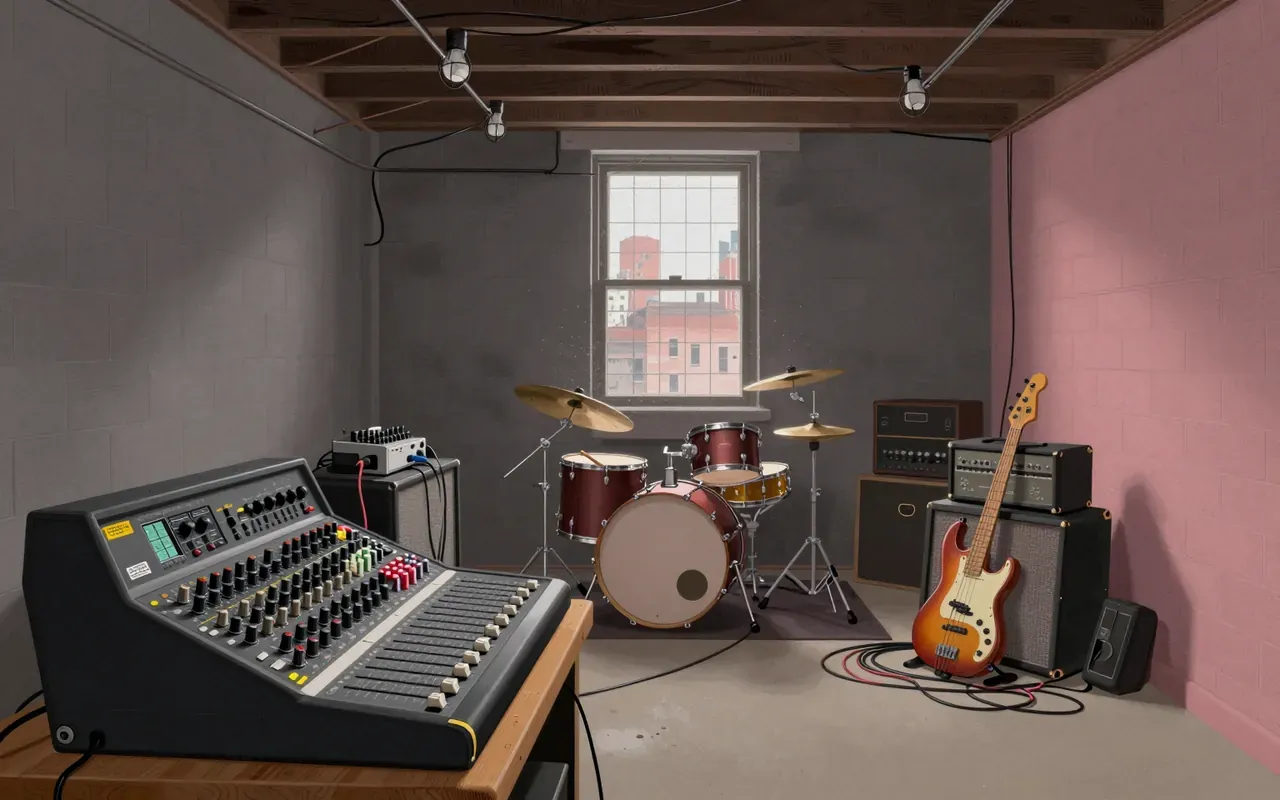
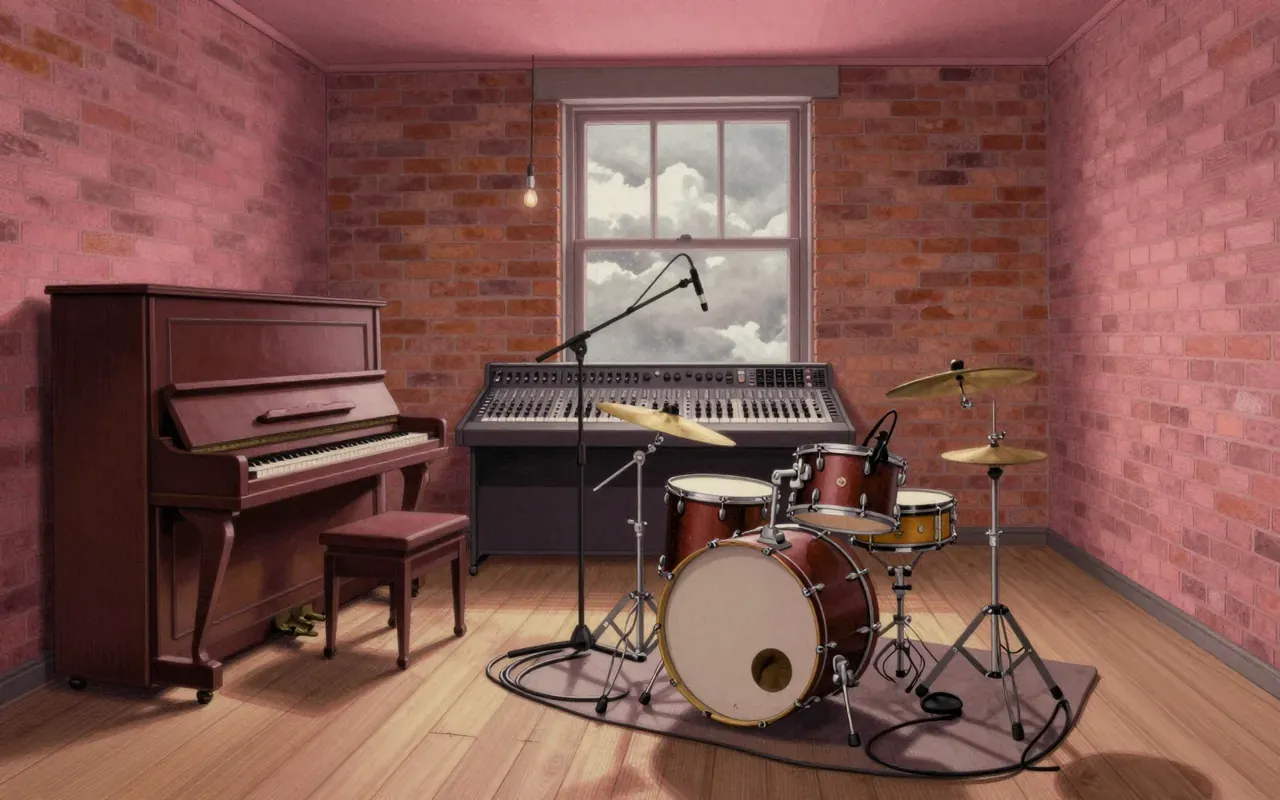
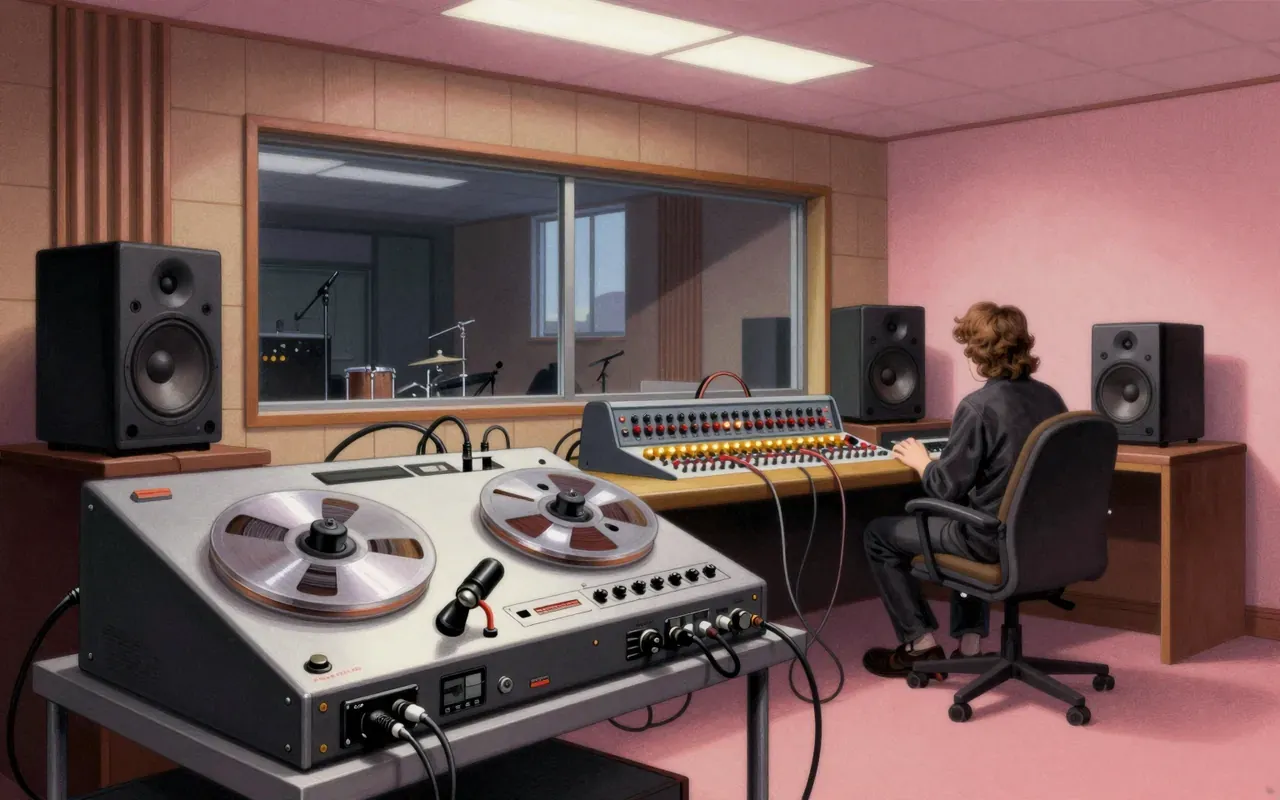
Recorded in eleven days at Easley Recording in Memphis, with all five members present for the first time. Sessions ran noon to 10pm, spontaneous and loose. The band used the room’s natural ambience, not isolation booths. Final mixing happened at Random Falls in Manhattan. No tempo, key, or mic details are verified — only that the approach prioritised sprawl over cohesion, and that re-recorded Crooked Rain outtakes used improved equipment.
What lands
Kannberg’s first lead vocals — flat, dry, unadorned — land with quiet authority. The Memphis room lands: warm, slightly muffled, no reverb tails. The sequencing lands: abrupt cuts, jarring juxtapositions, side four’s silence as punctuation. The sprawl lands: it is the point, not the flaw.
What does not
It does not cohere. It does not build momentum. It does not privilege the listener’s comfort. It does not resolve its own contradictions — between slacker irony and technical precision, between Memphis looseness and New York post-production, between Kannberg’s restraint and Malkmus’ sprawl.
The ideas inside it
Intentional incoherence. Absurdism as method. Songwriting as collage — acoustic ballads next to noise rock, Kannberg’s deadpan delivery beside Malkmus’ cryptic wit. Lyrics are deliberately nonsensical, humorous, or opaque. The album treats sequencing as an act of sabotage: three vinyl sides, fourth left blank.
Who should hear it, and who should not
People who hear structure as constraint. People who value texture over tune. People who want to hear how a band sounds when told ‘the less it fits together, the better’. Not for those who need resolution, repetition, or emotional directness.
Is it worth your time
Yes — if you want a record that refuses polish, consistency, or explanation. No — if you need clarity, narrative, or sonic continuity. It rewards attention to texture and contrast, not hooks or development.