What the record is and where it came from
It is Loretta Lynn’s sixteenth solo studio album, released 4 January 1971 by Decca Records. Five of its eleven tracks were recorded earlier for other albums, including the title song, cut 1 October 1969.
How it sounds, and how it was made
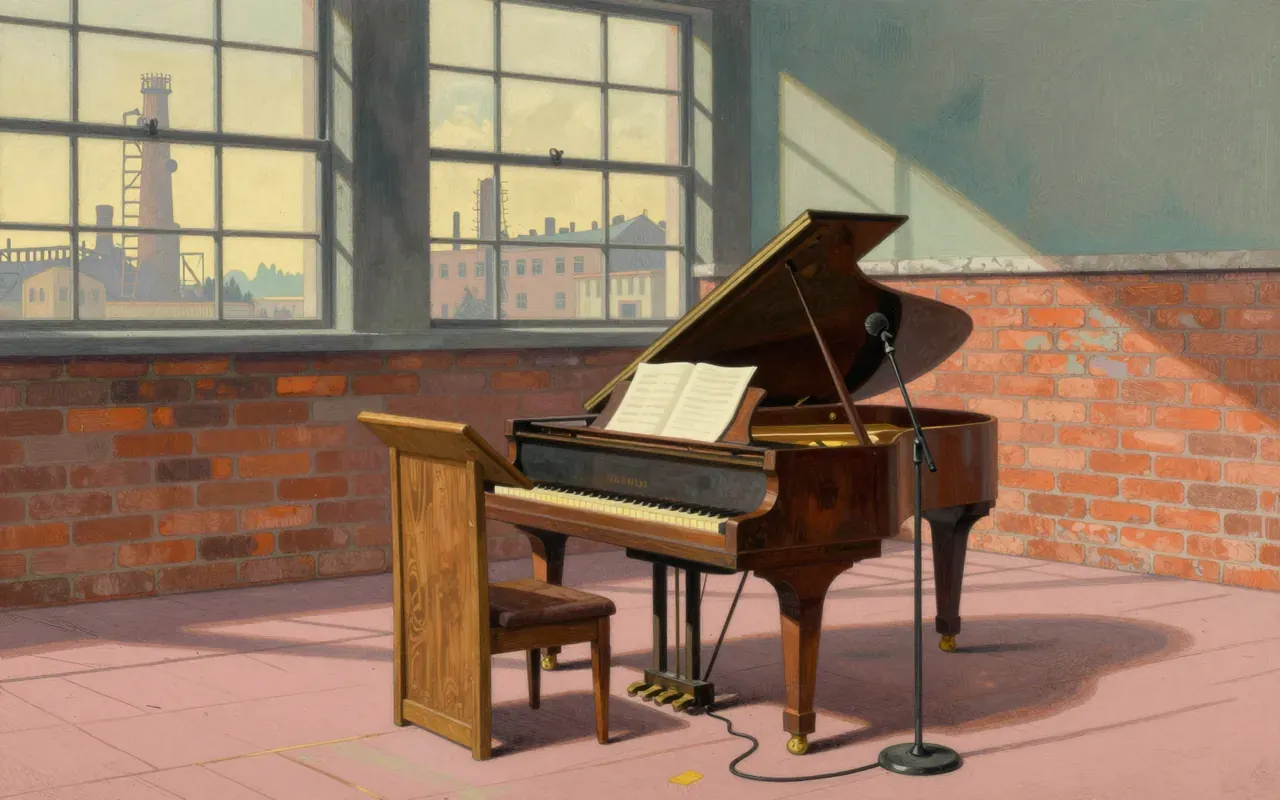
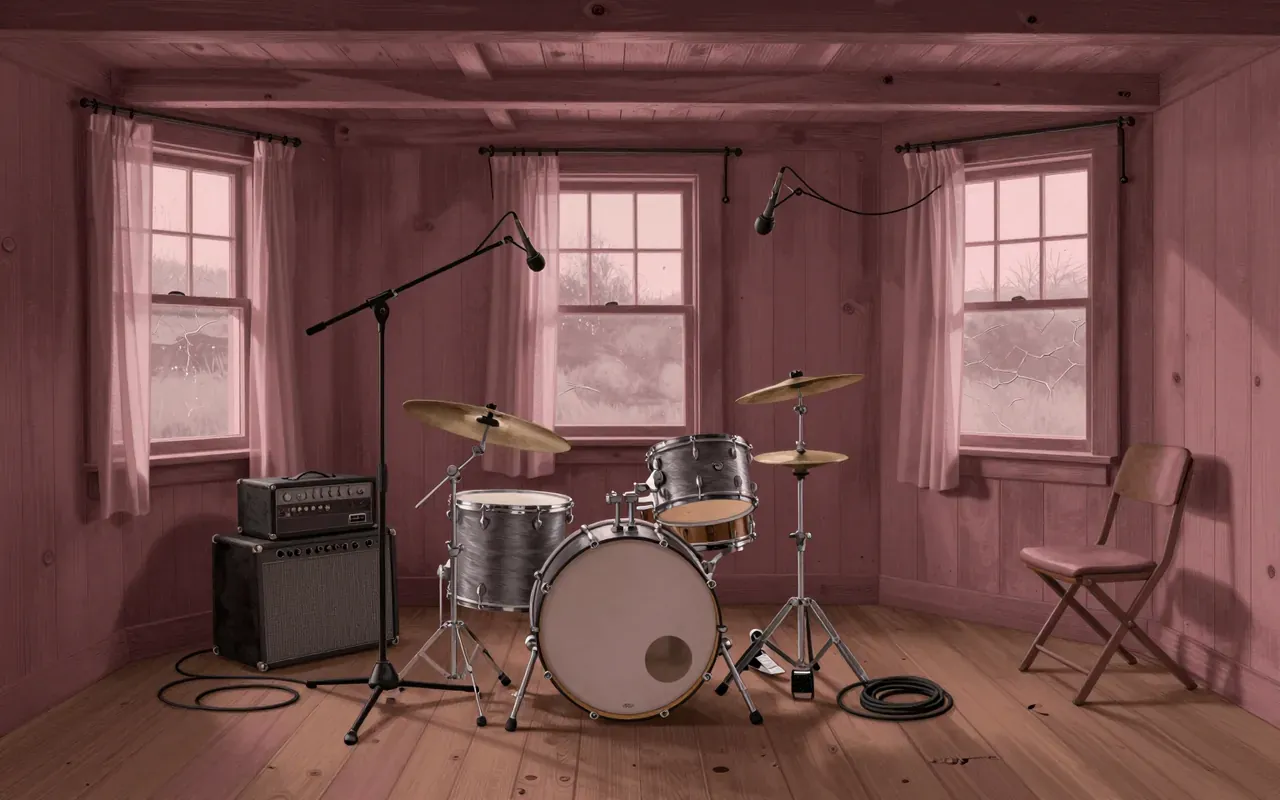
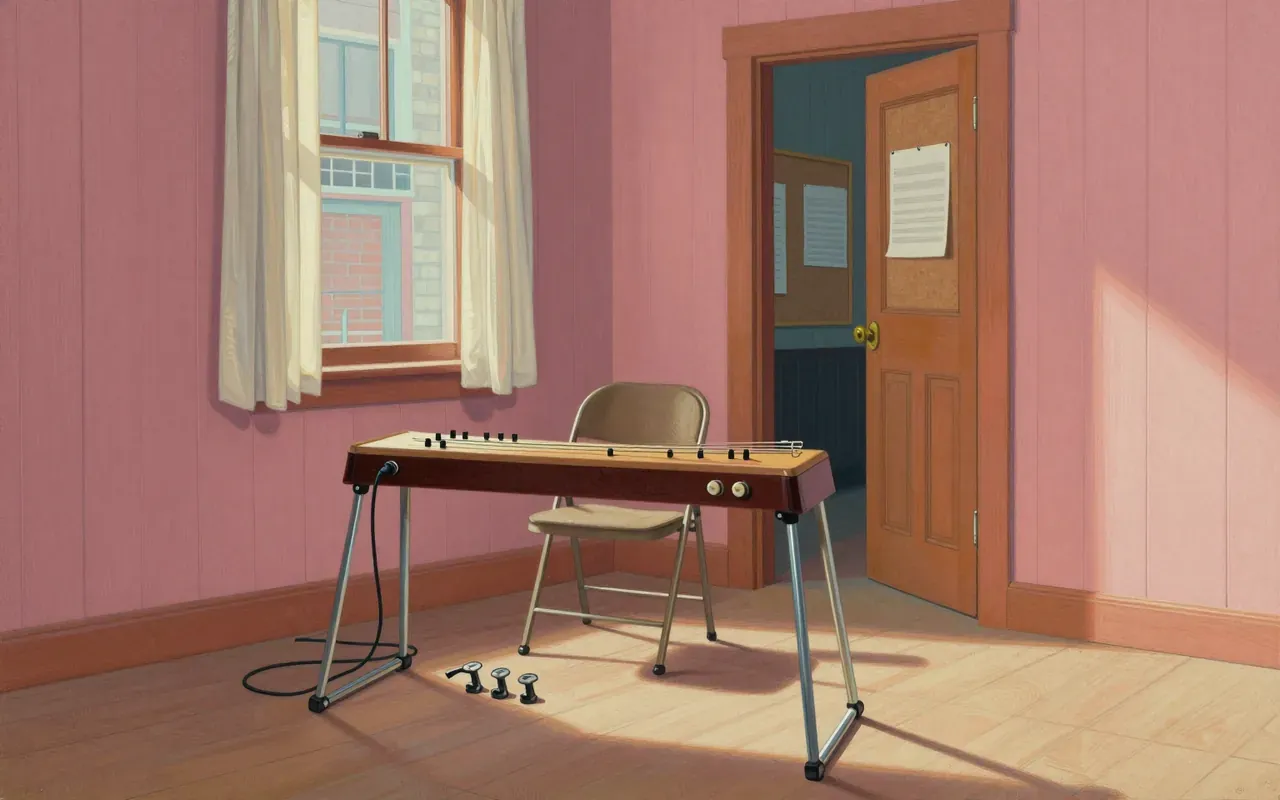
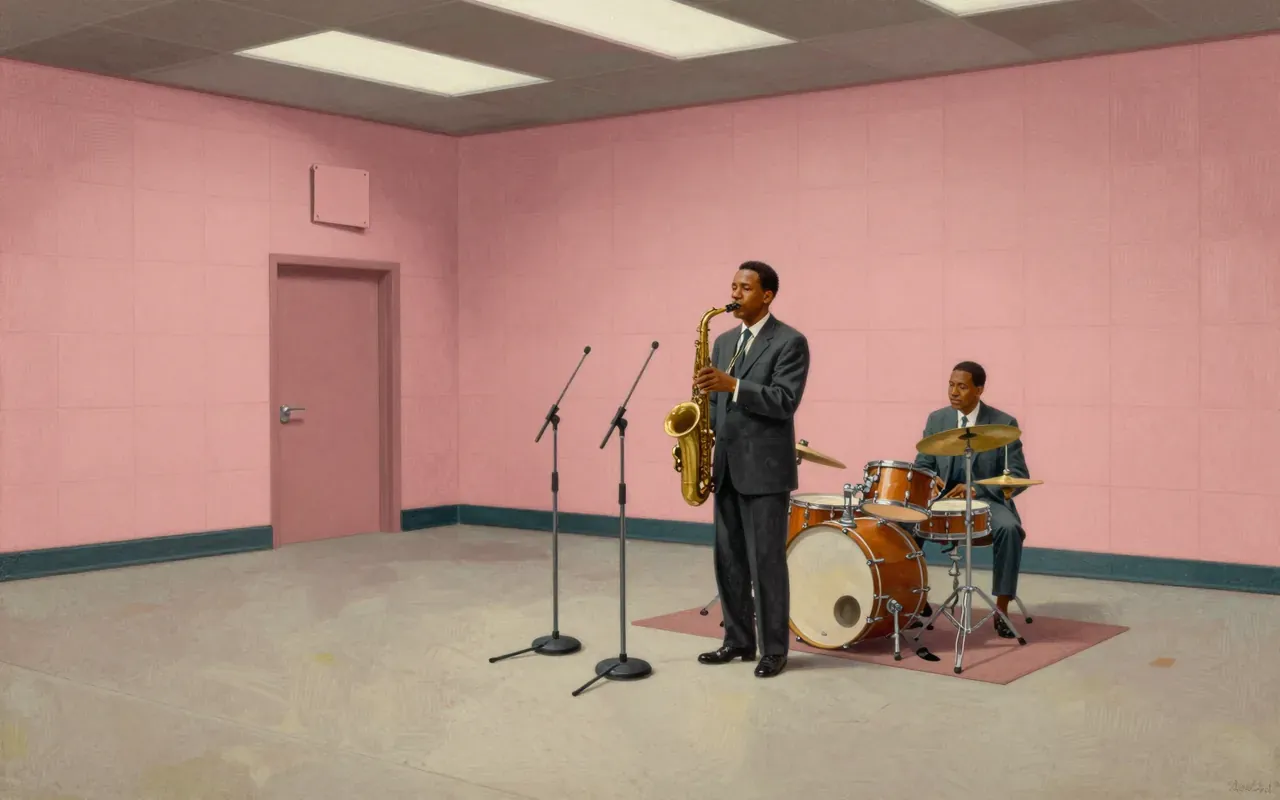
It sounds like a full Nashville ensemble recorded dry and close at Bradley’s Barn: steel guitar and Dobro cut through, bass lines anchor without flash, drums stay in the pocket, piano fills are spare, and The Jordanaires’ harmonies sit just behind Lynn’s voice. It was made across four sessions in 1970 — some tracks pulled from earlier dates — under Owen Bradley’s production, with Jim Williamson engineering and Darrell Johnson mastering.
What lands
The title track lands hardest: its plain-spoken narrative, steady rhythm, and steel-guitar twang make it immediate and unshakeable. The Jordanaires’ backing vocals lift but never soften Lynn’s authority.
What does not
It does not experiment with form, tempo, or texture. It does not obscure its meaning. It does not lean on orchestration, reverb, or studio effects to create distance or mood.
The ideas inside it
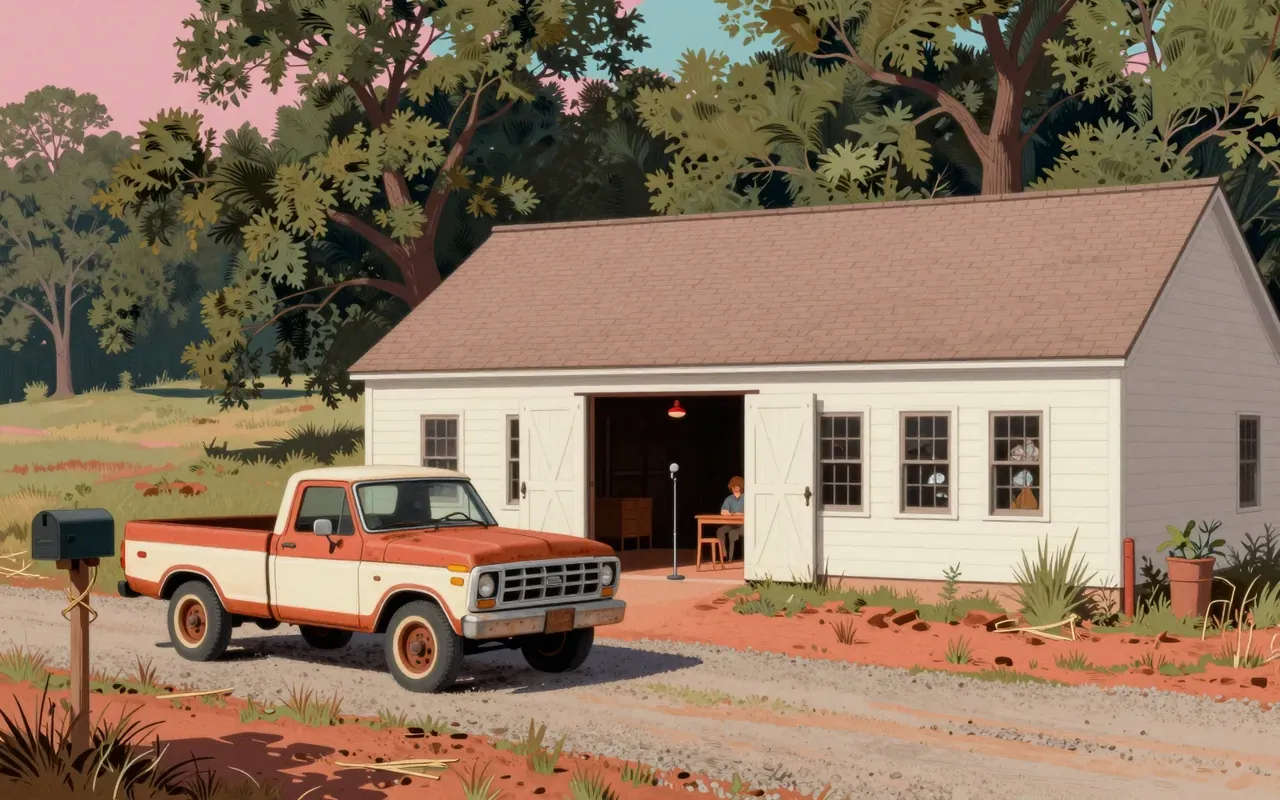
It centres on lived experience: poverty, gendered labour, rural Kentucky childhood, marriage, motherhood, and the tension between domestic duty and artistic ambition — all grounded in specific places and people, not abstraction.
Who should hear it, and who should not
People who want country music that names its place, its work, and its women — not as symbols, but as speakers. Not for those seeking sonic innovation, conceptual framing, or lyrical evasion.
Is it worth your time
Yes. It delivers autobiographical country storytelling with unvarnished vocal directness and studio craft that serves the song, not the showreel.