Saved
Jazz · Blues

Coltrane Plays the Blues

A blues album Coltrane never made — but one that reveals more about his process than many he did.

Worth your time?3.5/5Yes.Hear the whole thing.What works, what does not, who it is for ↓
10:20in productionCh. 1 · Assembled, Not Approved/ 10:20 · ceiling 15 min
4 chapters · 10:20Ceiling 15:00

The brief is written and checked. The video joins this page when it is cut.4 chapters · 1 min read · 10:20 planned

Read the brief

Coltrane Plays the Blues is a label-assembled 1962 compilation drawn from unissued October 1960 sessions at Atlantic Studios. Coltrane played tenor saxophone on five tracks and soprano on three. McCoy Tyner played piano on four of the six tracks — his absence from two marks the first pianoless trio since Coltrane’s Prestige years. Atlantic released it without Coltrane’s input or approval, after he had moved to Impulse Records. It is excluded from his official discography because he did not conceive or approve it as a leader during his lifetime.

Chapters & takeaways4
  1. 0:55
    Assembled, Not Approved

    Atlantic released it without Coltrane’s input, using sessions meant for My Favorite Things.

  2. 2:42
    One Night, Two Saxophones

    All tracks were cut in one night — tenor on five, soprano on three.

  3. 4:33
    No Piano, No Problem

    Tyner sits out two tracks — the first pianoless trio since Prestige.

  4. 6:13
    Not in the Canon

    It’s excluded from Coltrane’s official discography because he didn’t conceive or approve it.

1 more chapterFewer chapters
Running order6
  1. 01
    Blues to Elvin7:52
  2. 02
    Blues to Bechet5:44
  3. 03
    Blues to You6:25
  4. 04
    Mr. Day7:56
  5. 05
    Mr. Syms5:19
  6. 06
    Mr. Knight7:30
Worth your time?

Yes. Hear the whole thing.

3.5/ 5
What works
  • the pianoless tracks land with rhythmic clarity
  • 'Blues to Elvin' lands as a drum-forward statement
  • 'Mr. Knight' lands with tenor tone thick and urgent
  • the soprano on 'Blues to Bechet' lands as a deliberate nod — not imitation, but invocation
What does not
  • establish a new direction
  • contain Coltrane's approval or sequencing
  • include any track recorded outside October 24, 1960
  • feature Tyner on all tracks
Hear it if
  • listeners who value raw session evidence over authorial intent
  • historians tracking Coltrane’s transition from Atlantic to Impulse
Skip it if
  • fans seeking definitive statements of his vision
Who should hear it, and who should skipHide who it is for
The written brief1 min read

What the record is and where it came from

A compilation assembled by Atlantic Records in 1962 using unissued recordings from October 24, 1960. Coltrane had left Atlantic for Impulse Records before its release. He did not conceive, sequence, or approve it.

How it sounds, and how it was made

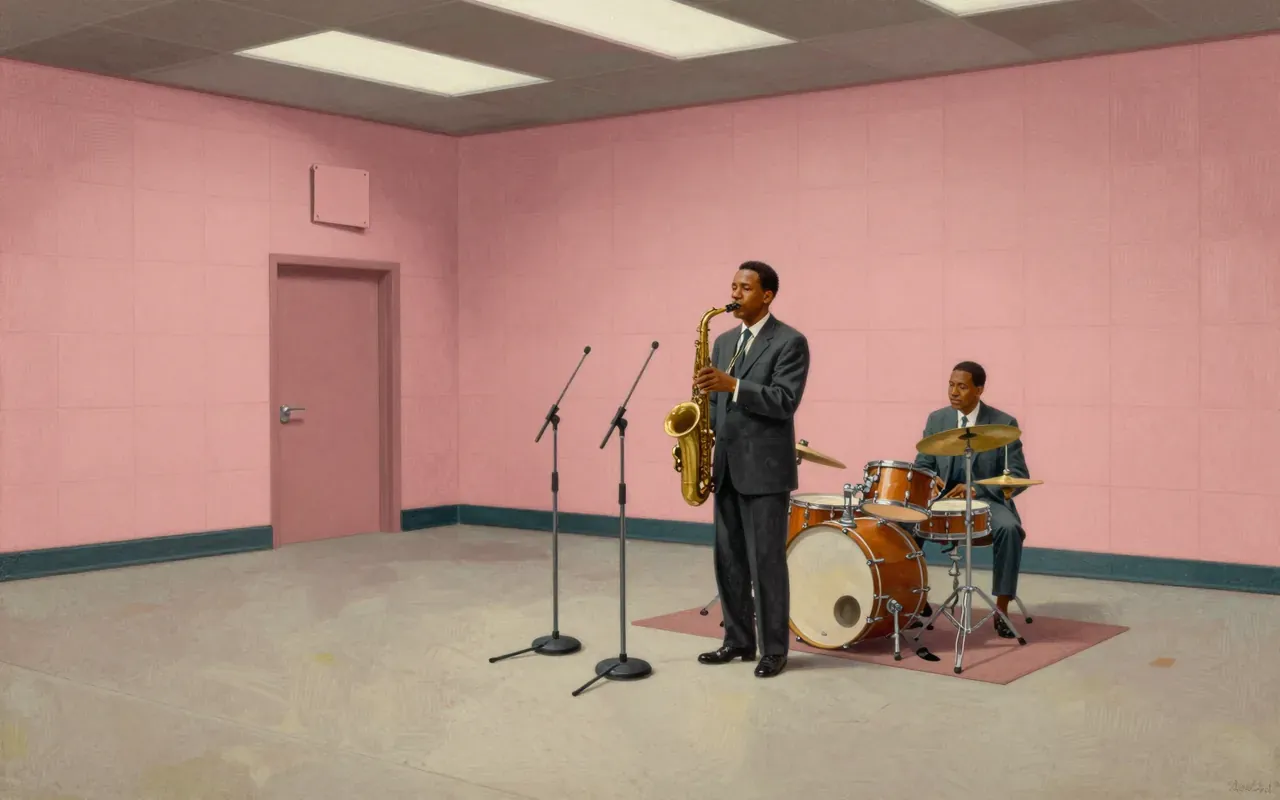
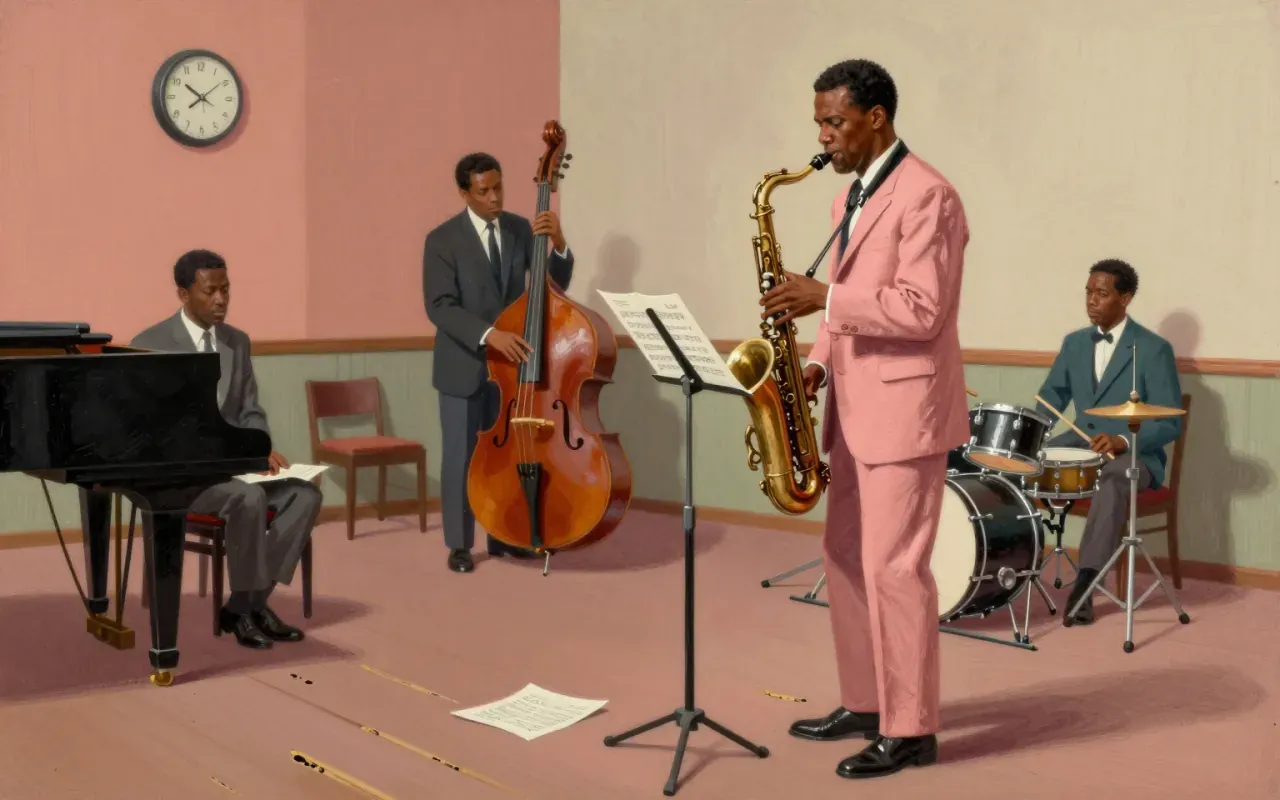
The record uses Atlantic Studios’ room for a dry, close-miked saxophone sound. Coltrane plays tenor on five tracks, soprano on three — including ‘Blues to Bechet’ and ‘Mr. Syms’. McCoy Tyner is absent from two tracks, leaving bass and drums to carry the harmony. This creates a pianoless trio texture, stripped of chordal scaffolding. No reverb, no overdubs, no edits: just live takes from one night.

What lands

The pianoless tracks land with rhythmic clarity. ‘Blues to Elvin’ lands as a drum-forward statement. ‘Mr. Knight’ lands with tenor tone thick and urgent. The soprano on ‘Blues to Bechet’ lands as a deliberate nod — not imitation, but invocation.

What does not

It does not establish a new direction. It does not contain Coltrane’s approval or sequencing. It does not include any track recorded outside October 24, 1960. It does not feature Tyner on all tracks.

The ideas inside it

It explores how much harmonic weight a blues can carry without piano. It tests the tenor-soprano switch as tonal contrast, not stylistic flourish. It treats the studio as a neutral stage, not a compositional tool.

Who should hear it, and who should not

Listeners who value raw session evidence over authorial intent should hear it. Historians tracking Coltrane’s transition from Atlantic to Impulse should hear it. Fans seeking definitive statements of his vision should not.

Is it worth your time

Yes — if you want to hear Coltrane’s blues language unfiltered by label curation or posthumous framing. No — if you need context, intent, or coherence beyond what the session delivered.
Same genre · Jazz4 of 167
Up next in Music

Come Dance With Me!

Frank Sinatra · 1959 · 8:47

Sinatra’s 1959 Grammy-sweeper isn’t defined by sound — it’s defined by chart endurance and award weight.

8:47