What the record is and where it came from
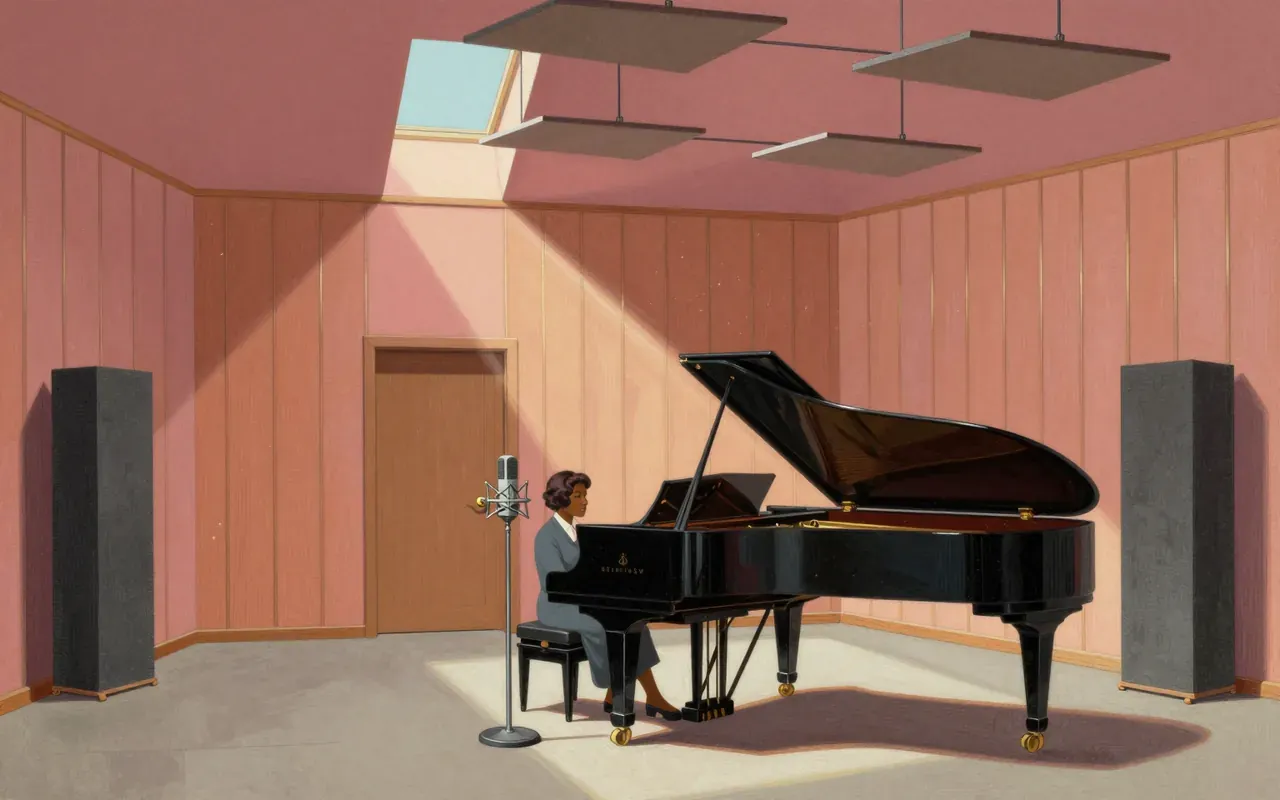
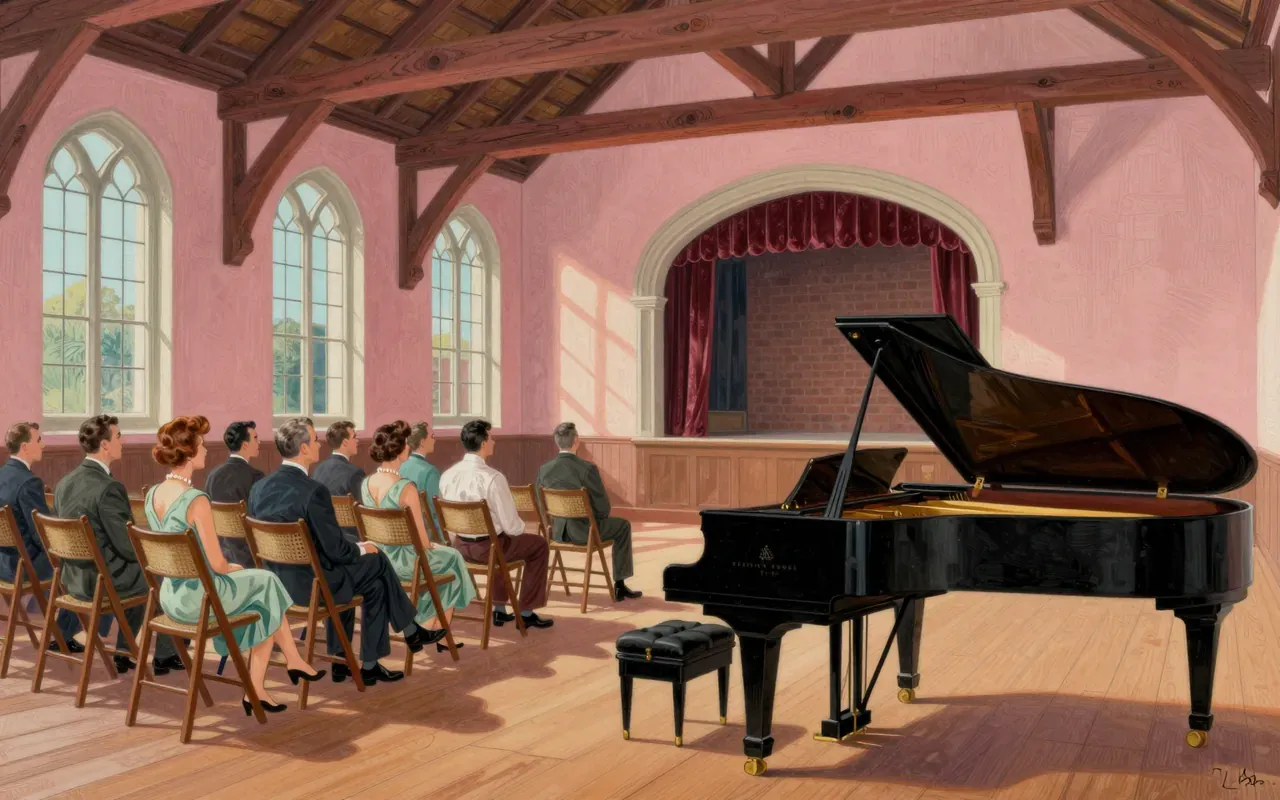
Ellington at Newport draws on Duke Ellington’s 1956 festival appearance, an important renewal of public attention to his orchestra. The original album also used studio recreations. That distinction matters when the record’s reputation rests so heavily on the excitement of a particular night.
How it sounds, and how it was made
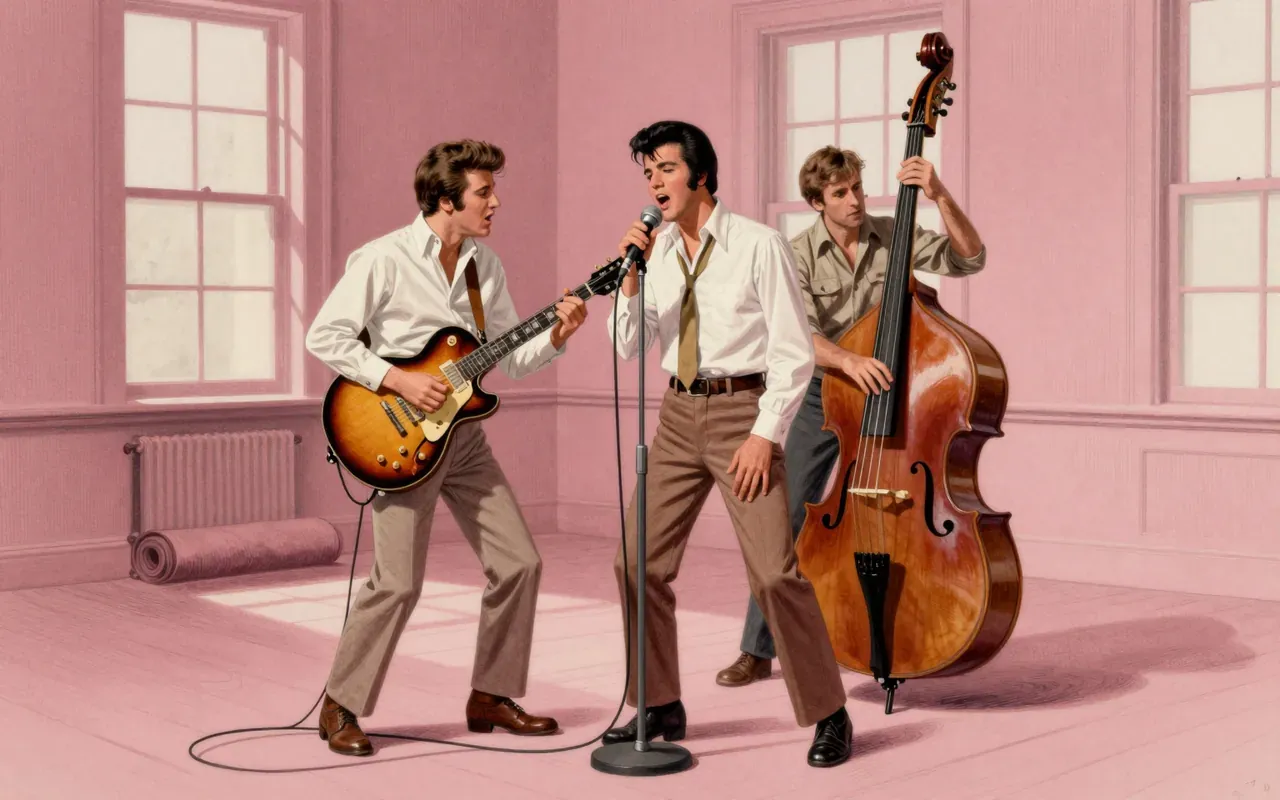
The orchestra combines composed sections with featured soloists. “Diminuendo and Crescendo in Blue” is linked by an extended tenor-saxophone passage from Paul Gonsalves. The arrangement gives an individual player a place where the direction and energy of the larger performance can change.
What lands
Gonsalves’s feature makes the relation between composition, improvisation and audience unusually tangible. An established framework can accommodate an event that exceeds its expected proportions. The orchestra’s role is essential: the solo gains meaning from what it connects and the ensemble that sustains it.
What does not
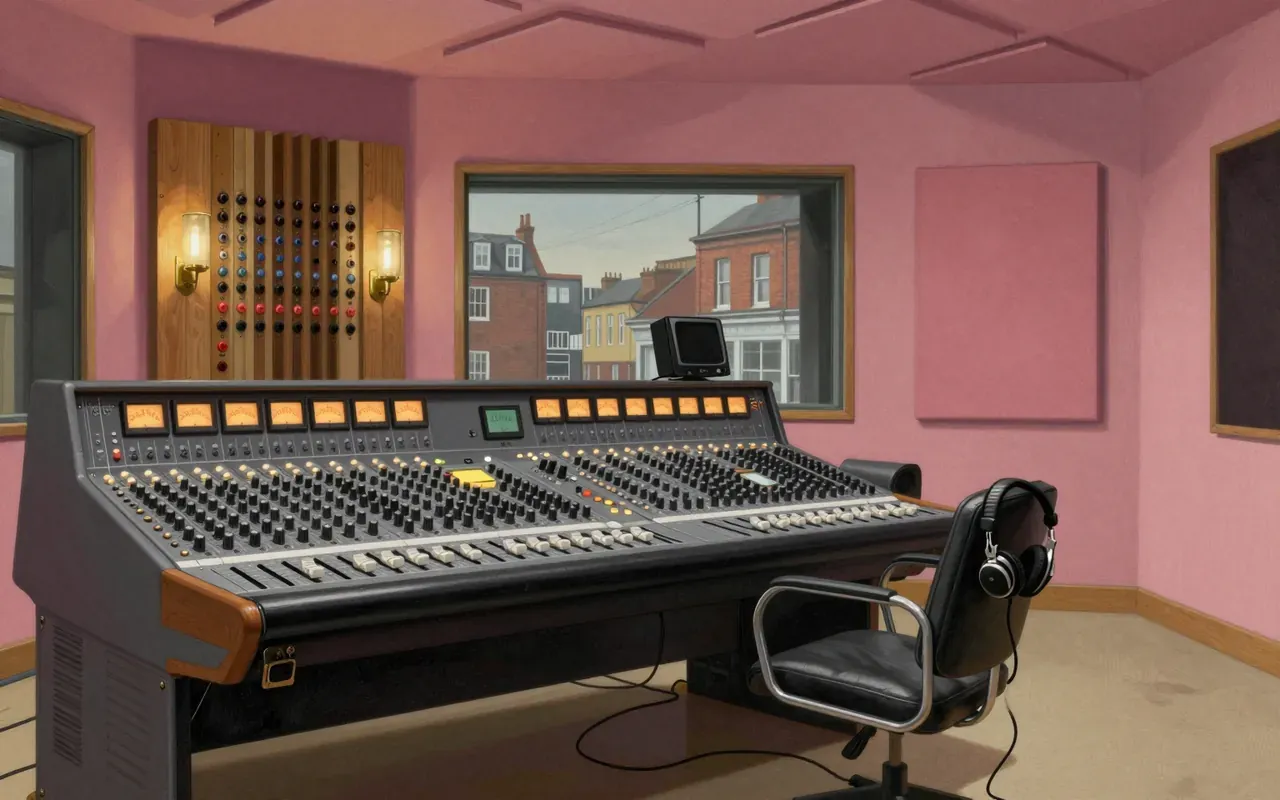
The original release’s studio work complicates the idea of hearing the festival exactly as it happened. The celebrated episode can also eclipse other performances, making the album seem like packaging for a single moment. Edition choice affects the documentary claim.
The ideas inside it
A live event can renew the meaning of older material. The music does not need to be newly composed to become newly consequential when players and listeners meet under particular conditions. The later album then shapes how that event is remembered.
Who should hear it, and who should not
Hear it if you enjoy a big band as a responsive performing organism. Check the edition when your interest is the precise festival record.
Is it worth your time
Yes. The central performance earns its reputation, but hearing the surrounding orchestra gives a fuller account of why it matters.