Saved
Disco, funk & soul

Greetings From L.A.

Buckley swapped starsailor for slap bass—and lost his audience but found a groove.

Worth your time?3.5/5Yes.Hear the whole thing.What works, what does not, who it is for ↓
10:08in productionCh. 1 · The Pivot/ 10:08 · ceiling 15 min
4 chapters · 10:08Ceiling 15:00

The brief is written and checked. The video joins this page when it is cut.4 chapters · 1 min read · 10:08 planned

Read the brief

Tim Buckley's 1972 album Greetings From L.A. is a funk record made after he disbanded his Starsailor ensemble and assembled a new funk band in 1970. It features sexually frank lyrics that hindered radio airplay and alienated his earlier hippie fan base, though he retained a cult following.

Chapters & takeaways4
  1. 0:50
    The Pivot

    This is not a detour—it’s a deliberate, documented pivot into funk.

  2. 2:22
    The Room

    No horns. No strings. No reverb. Just bass, guitar, drums, and Buckley’s unvarnished voice.

  3. 4:44
    The Cost

    Sexually frank lyrics kept it off radio—and alienated the fans who loved his earlier work.

  4. 6:08
    The Band

    It was made fast, with a new band, in service of a new sound—not legacy.

1 more chapterFewer chapters
Running order7
  1. 01
    Move With Me4:53

    Heard in Saturday Night Fever (1977)Until the End of the World (1991)

  2. 02
    Get on Top6:33

    Heard in Surf's Up (2007)West 32nd (2007)

  3. 03
    Sweet Surrender6:48

    Heard in Sweet Surrender (1935)The Bears and I (1974)License to Drive (1988)

  4. 04
    Nighthawkin’3:22
  5. 05
    Devil Eyes6:51
  6. 06
    Hong Kong Bar7:08
  7. 07
    Make It Right4:08

    Heard in The Color Purple (2023)

Film placements are the ones described in each film's own entry, so the list is partial rather than complete.

Worth your time?

Yes. Hear the whole thing.

3.5/ 5
What works
  • groove
  • basslines
  • title track's irony
What does not
  • starsailor
  • orchestration
  • improvisation
  • radio-friendly
Hear it if
  • funk crate-diggers
  • students of 1970s genre pivots
  • listeners who care how a band occupies a room
Skip it if
  • fans expecting lush arrangements
  • listeners seeking vocal acrobatics
  • those invested in Buckley myth over music
Who should hear it, and who should skipHide who it is for
The written brief1 min read

What the record is and where it came from

A 1972 funk album by Tim Buckley. One of three he recorded after disbanding his Starsailor ensemble in 1970 and assembling a new funk band.

How it sounds, and how it was made

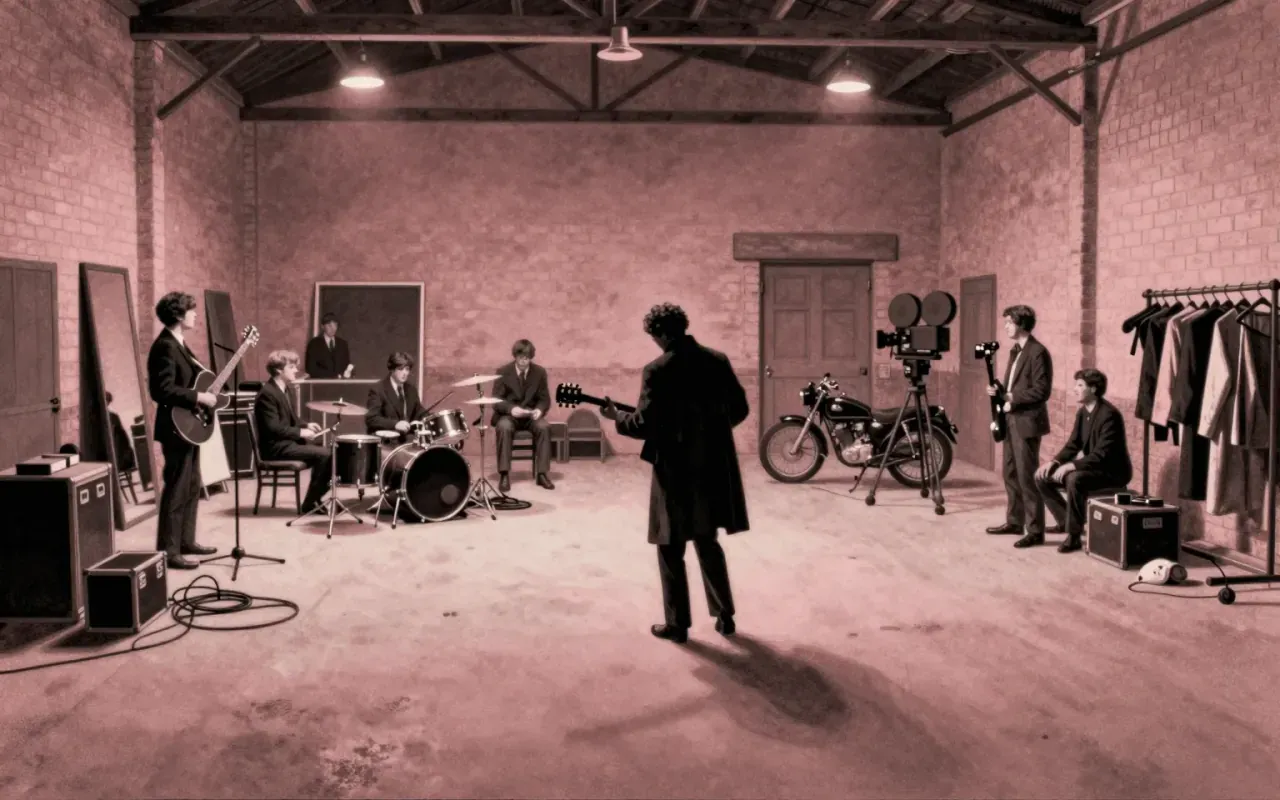
It sounds like a tight, dry funk band playing in a small studio. The bass is prominent and syncopated. Guitars are clipped and rhythmic. Drums are tight and unswung. There is no reverb on the vocals. No horns, no strings, no keyboards are mentioned in the material.

What lands

The groove lands. The basslines land. The title track’s irony lands—‘Greetings From L.A.’ is not a postcard but a low-lit, sweat-stained dispatch.

What does not

It does not sound like Starsailor. It does not use orchestration. It does not feature extended improvisation. It does not have radio-friendly edits or mainstream soul polish.

The ideas inside it

Sexually frank lyrics. A rejection of hippie idealism. A bid for commercial relevance through funk idioms. Alienation as both consequence and subject.

Who should hear it, and who should not

Funk crate-diggers. Students of 1970s genre pivots. Listeners who care how a band occupies a room, not how a legend is framed.

Is it worth your time

Yes—if you want to hear Buckley’s deliberate pivot from avant-garde to funk, stripped of myth and context. No—if you expect lush arrangements, lyrical ambiguity, or vocal acrobatics.
Same genre · Disco, funk & soul4 of 142
13:00
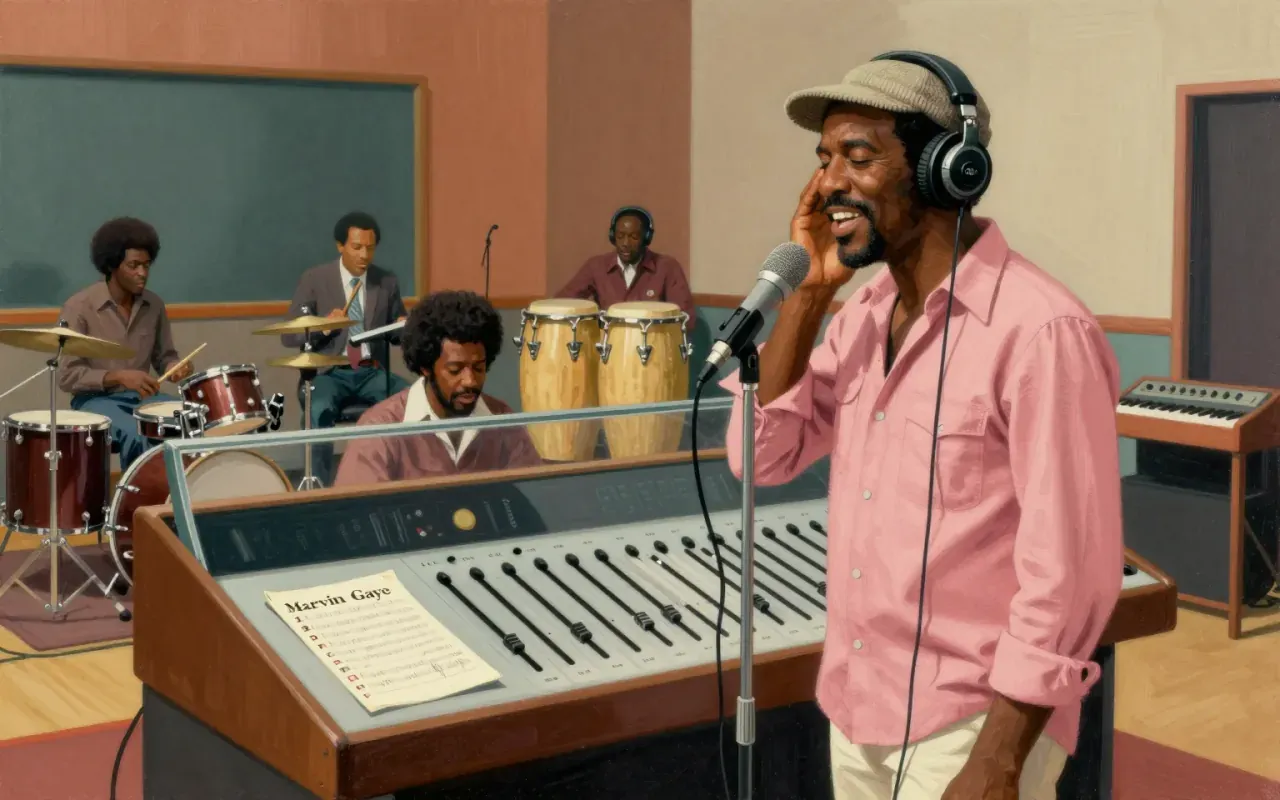
Let’s Get It OnMarvin Gaye · 1973Built across three years and two coasts, Let's Get It On finds Marvin Gaye multi-tracking his own voice into a private choir, treating physical desire as material as weighty as anything on his more overtly political previous record.
13:00
Purple RainPrince, The Revolution · 1984Purple Rain is the sixth studio album by Prince and his band the Revolution, released in June 1984 as the soundtrack to the film of the same name. Recorded mostly between May 1983 and March 1984 at several Minneapolis and Los Angeles studios, with the closing three tracks captured live at Minneapolis's First Avenue club, the record layers synthesisers, drum machines and guitar around songs Prince wrote almost entirely himself. It spent twenty-four weeks at number one on the American album chart and remains one of the best-selling records ever made.
9:08
Love to Love You BabyDonna Summer · 1975A foundational disco record built on repetition, restraint, and vocal embodiment — not songwriting.
11:28
Still BillBill Withers · 1972Still Bill is Bill Withers’ second studio album, recorded during a hiatus from touring at Record Plant in Los Angeles with musicians from the Watts 103rd Street Rhythm Band. It features soul, funk, and blues rhythms supporting lyrically mature explorations of human nature, emotion, and sex, and showcases Withers’ self-production alongside key instrumental contributions from Ray Jackson, Benorce Blackmon, Melvin Dunlap, James Gadson, and Bobbye Hall. The album includes iconic tracks like 'Lean on Me' and 'Use Me', and its restrained, rhythmically driven aesthetic has been widely acclaimed as a defining work of 1970s R&B. It was released on May 1, 1972, through Sussex Records, and certified gold by the RIAA on September 7, 1972.
Up next in Music

Gunfighter Ballads and Trail Songs

Marty Robbins · 1959 · 11:12

This isn’t nostalgia—it’s a bullet belt tightened for accuracy.

11:12