Way Out West
Sonny Rollins · 1957
A pianoless trio record that treats silence like terrain — and proves you don’t need chords to build a world.
An industry town with no centre, exporting the world's images.
A pianoless trio record that treats silence like terrain — and proves you don’t need chords to build a world.
Damaged is not a document of rebellion — it is the sound of a room, a wrist, a decision to record twice and choose the first take of 'Damaged I'. Its power lies in what it leaves unplayed, unsoftened, unexplained.
Tim Buckley's 1972 album Greetings From L.A. is a funk record made after he disbanded his Starsailor ensemble and assembled a new funk band in 1970. It features sexually frank lyrics that hindered radio airplay and alienated his earlier hippie fan base, though he retained a cult following.
A vocal architecture record. Tight. Dry. Precise. Built for listening, not lounging.

L.A. Woman is the Doors’ final studio album with Jim Morrison, recorded in their own rehearsal space after producer Paul Rothchild quit over creative differences. It foregrounds bass, rhythm guitar, and live-room feel—rejecting orchestration and synth for blues-rooted groove. Morrison was disciplined and present. The record captures the band’s cohesion at the end of their original run—not as myth, but as sound.
Los Angeles is X's 1980 debut studio album, produced by Ray Manzarek, who also contributed organ and synthesizer parts; it features the core quartet of John Doe, Exene, Billy Zoom, and D. J. Bonebrake, and includes a cover of The Doors' 'Soul Kitchen'; critical reception was highly positive from release, with retrospective acclaim positioning it among punk's finest recordings.
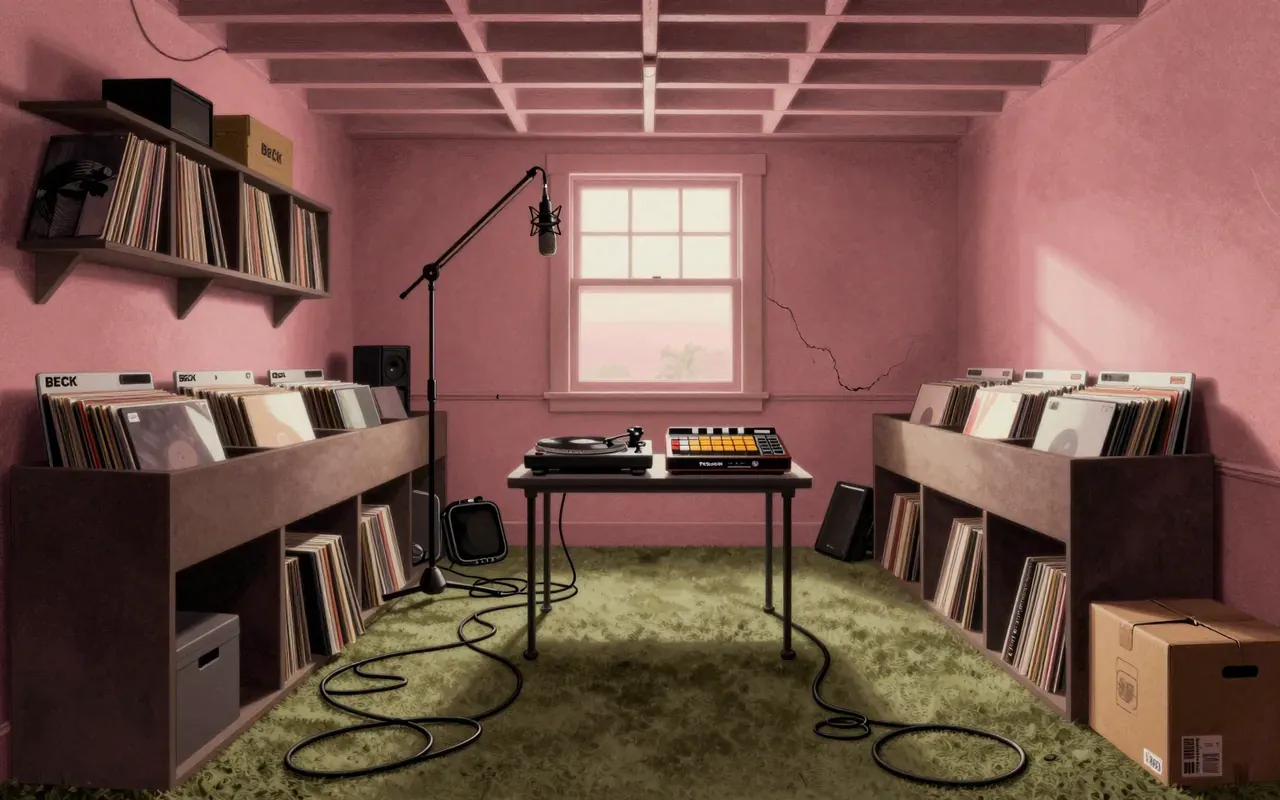
Odelay is a 1995 album recorded primarily in the Dust Brothers’ home studio in Silver Lake, Los Angeles, after Beck abandoned an earlier acoustic album of somber, orchestrated folk tunes made with Tom Rothrock and Rob Schnapf in 1994. Only 'Ramshackle' survived that session. The Dust Brothers’ hip-hop–influenced, layered production — informed by their work with Beastie Boys, Tone Lōc and Young MC — shaped the album’s sound. Their record-filled studio supplied many of the album’s samples. Musicians worked 16-hour days, starting from scratch each day. The album blends country, blues, rap, jazz and rock using cut-and-paste, sample-heavy techniques.
Pretzel Logic is Steely Dan’s decisive turn from band to studio construct — dry, precise, and ruthlessly edited.
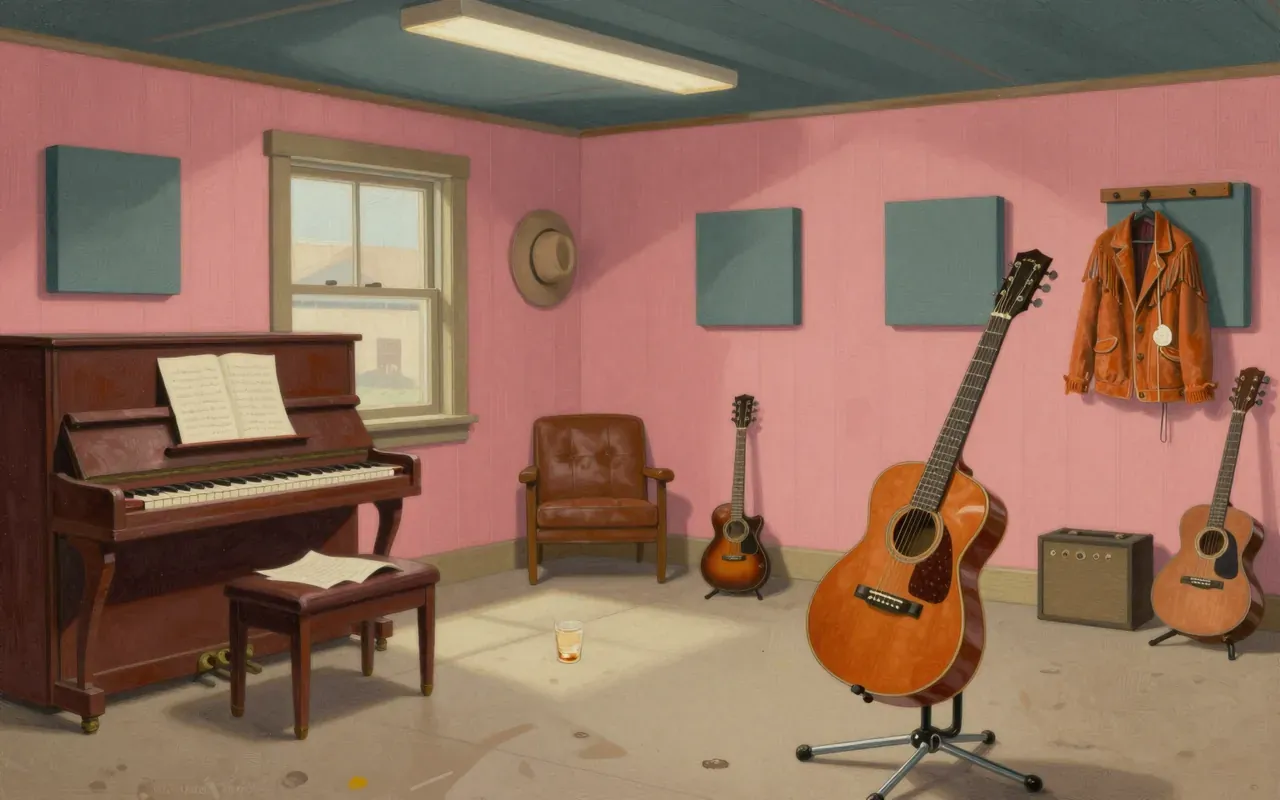
The Gilded Palace of Sin is the Flying Burrito Brothers’ 1969 debut, recorded at A&M Studios in Hollywood with producer Larry Marks and engineer Henry Lewy. It features Sneaky Pete Kleinow’s B6-tuned pedal steel guitar — routed through a rotating Hammond Leslie amplifier and fuzzbox — alongside vocal harmonies modelled on the Everly and Louvin Brothers. Most songs were written by Gram Parsons and Chris Hillman at their San Fernando Valley residence, ‘Burrito Manor’. The album includes originals by Parsons, Hillman, and Chris Ethridge, plus two covers by Dan Penn and Chips Moman. Fast Eddie Hoh was dismissed mid-session due to substance abuse, leading to use of session drummers including Jon Corneal and Popeye Phillips. Its themes fuse country, soul, and psychedelic rock with lyrical references to Larry Spector and Robert F. Kennedy, framed by irony — ‘gilded’ as surface opulence masking moral decay.
This Is Happening is documented solely as a chronologically situated artifact — not as a musical work with internal qualities.

Good Kid, M.A.A.D City is a tightly wound, atmospheric West Coast hip-hop record built on restraint: low-key production, nonlinear storytelling, and vocal multiplicity. It subverts gangsta tropes by embedding moral ambiguity inside lived detail — skits, basslines, and pauses all serve the narrative. Its power lies in what it leaves out: no easy answers, no sonic spectacle, no mythmaking. Just Compton, rendered in real time and real consequence.
N.W.A’s Straight Outta Compton (1988) is a low-budget, high-impact declaration of intent — recorded in six weeks at Audio Achievements Studio in Torrance, California, for $12,000, using TR-808 beats, sampled horns and vocals, and razor-sharp writing by Ice Cube, MC Ren, and The D.O.C. Its sound is sparse, confrontational, and unvarnished. Its ideas are local, immediate, and uncompromising. Its legacy begins not with acclaim, but with backlash — and a warning label.
The Chronic is Dr. Dre’s 1992 debut solo album, released under Death Row Records with Suge Knight as executive producer. Recorded at Death Row Studios in Los Angeles and Bernie Grundman Mastering in Hollywood, it established G-funk through fat, blunted Parliament-Funkadelic beats, live rolling basslines, whiny synths, and soulful backing vocals — using only one or few samples per song. Jon Pareles described its production as swampy synth bass, lone whistling or blipping keyboard lines, and wide-open spaces filled sparsely with rhythm guitar or keyboard chords. The Death Row Inmates — including Snoop Dogg, The D.O.C., Daz Dillinger, RBX, Kurupt, Lady of Rage, Warren G, Nate Dogg, Jewell, Colin Wolfe, and Chris 'The Glove' Taylor — convened at Dre’s Calabasas mansion and Solar Studios to write and record. Snoop contributed lyrics grounded in lived street experience and performed on nearly every track, often writing and developing melodies over partial beats during all-night sessions. Singles 'Nuthin' but a "G" Thang', 'Let Me Ride', and 'Fuck wit Dre Day' featured Snoop and defined the album’s cultural impact. 'Let Me Ride' won Best Rap Solo Performance at the 36th Annual Grammy Awards. The Chronic was certified triple platinum in 1993 and credited with launching G-funk into mainstream dominance.
After the Gold Rush grew out of a home studio in Topanga Canyon and an unproduced apocalyptic screenplay by Young's friend Dean Stockwell. Recorded with members of both Crazy Horse and Crosby, Stills, Nash and Young, it moves between hushed piano ballads and rougher rock without settling into either, and its mix of environmental dread, personal breakup and blunt protest song has outlasted the film it was meant to score.
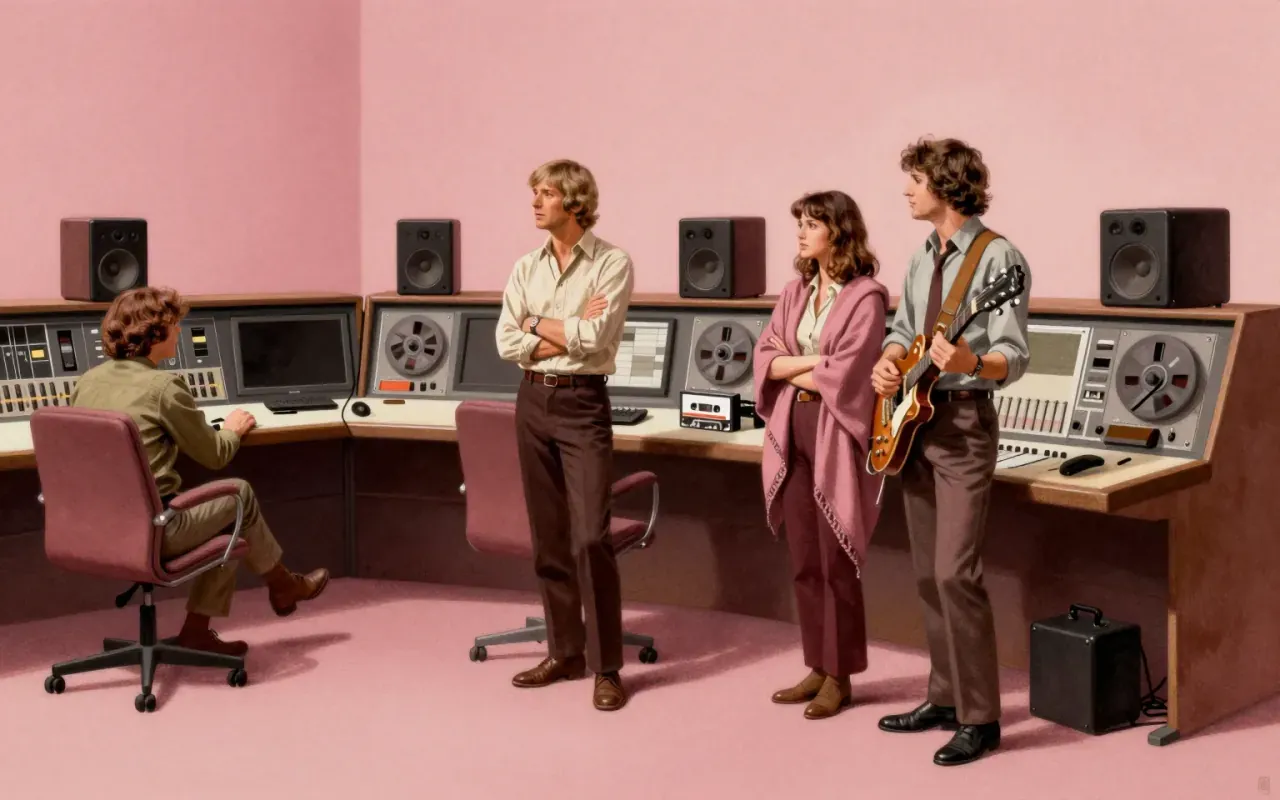
Fleetwood Mac's second self-titled album is the record where a band in crisis became the group that would make Rumours. Recorded fast at Sound City in Los Angeles with new arrivals Lindsey Buckingham and Stevie Nicks, it trades one songwriting voice for three, and though not every track carries equal weight, the hits and the quieter songs beside them still hold up fifty years on.
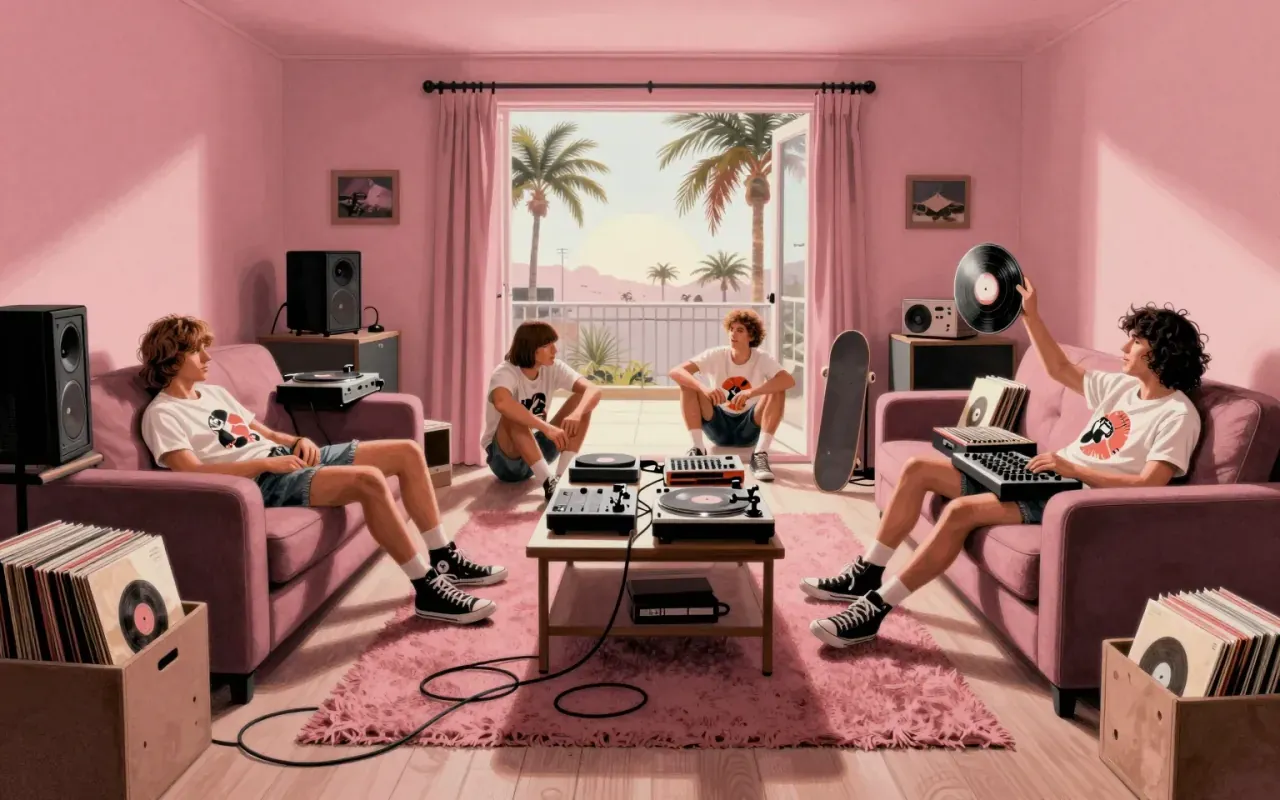
Recorded with the Dust Brothers in a Los Angeles apartment and mixed at the Record Plant, Paul's Boutique layers over a hundred samples from funk, soul, rock and jazz beneath the Beastie Boys' densest, most reference-packed writing, a commercial miss on release that became hip-hop's most studied sample record.
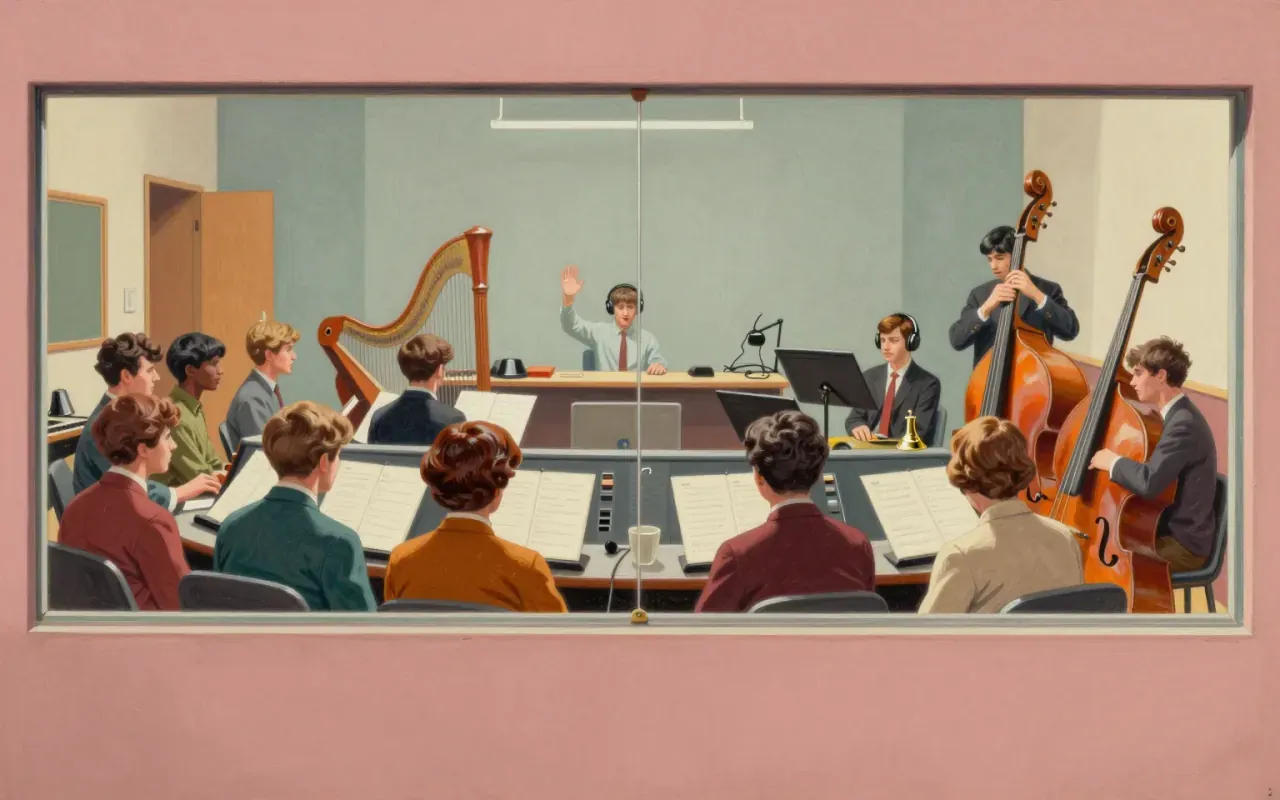
Written mostly with advertising lyricist Tony Asher after Brian Wilson stepped back from touring, this eleventh Beach Boys album replaced the group's own playing with hired Los Angeles session musicians and spent an unprecedented budget chasing a more introspective, orchestrally arranged kind of pop than the band had attempted before.
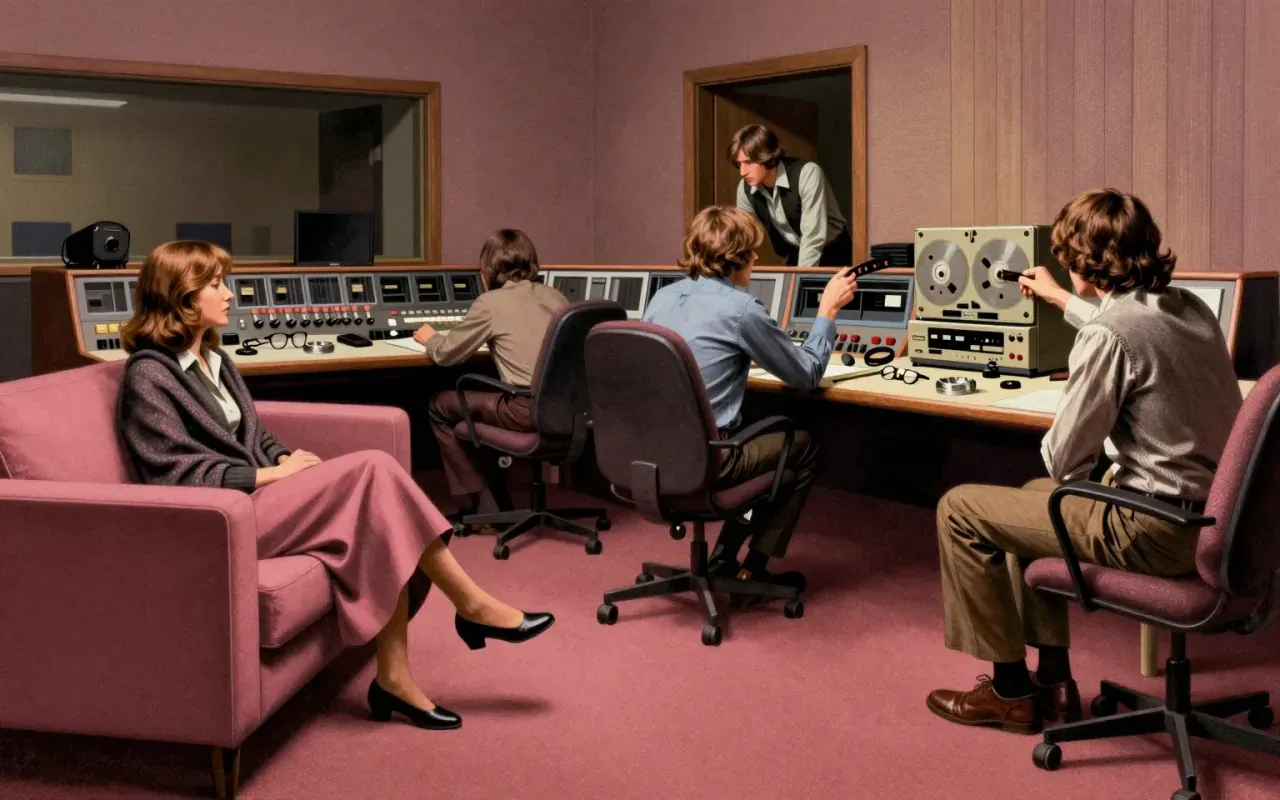
Rumours is the eleventh Fleetwood Mac album, made in 1976 at the Record Plant in Sausalito while the band's two couples were separating and drug use ran unchecked through the sessions. Produced by the band with Ken Caillat and Richard Dashut, it became one of the best-selling albums ever made and remains the group's defining statement.
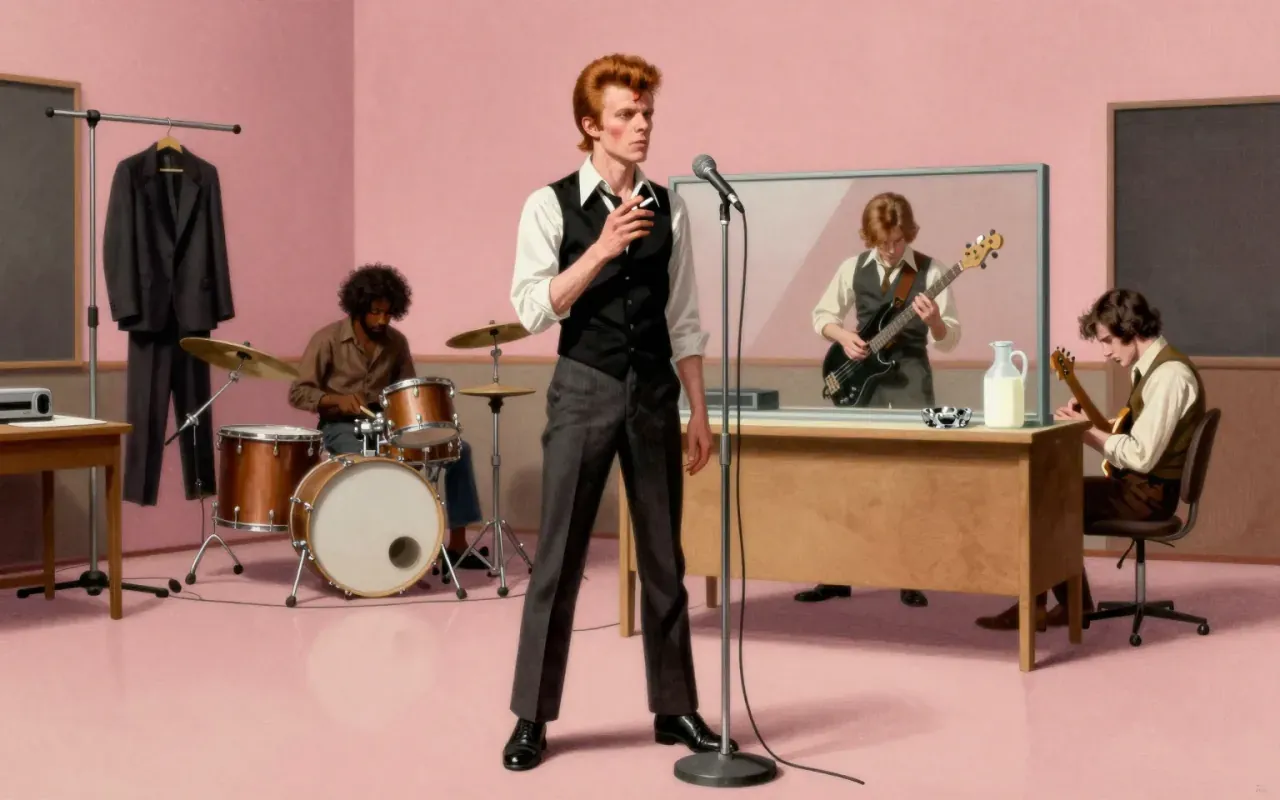
David Bowie's tenth album, cut at Cherokee Studios in late 1975 while he shot a film and lived on a diet of peppers and cocaine, sets the funk band from Young Americans against a new, mechanical pulse borrowed from German records. The result is the hinge between his LA period and the trilogy that followed.