What the record is and where it came from
A live album recorded on January 12, 1963, at the Harlem Square Club in Miami — a small, historically Black venue in Overtown — and released by RCA Records in June 1985 after being shelved for over two decades.
How it sounds, and how it was made
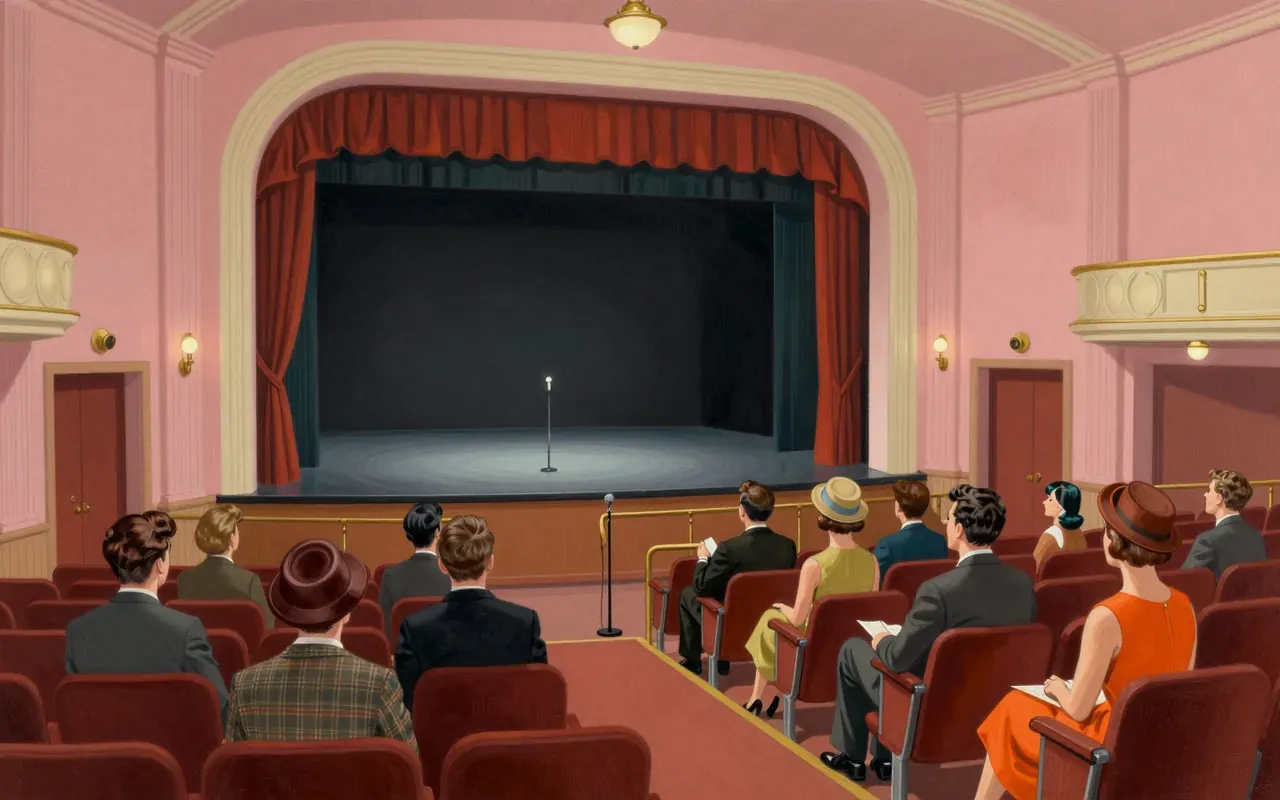
It sounds loud, raw and raucous. The room was small and packed. RCA recorded it live on a warm January night in 1963, then shelved it because the sound clashed with Cooke’s pop image.
What lands
Cooke’s vocal command lands: his phrasing, call-and-response timing, and dynamic shifts cut through the raw mix. The band’s rhythm section lands too — tight, urgent, unadorned.
What does not
It does not sound like Night Beat (1963) or Ain’t That Good News (1964). It contains no studio overdubs, no reverb tail, no audience editing — just one take, one night, one room.
The ideas inside it
The record establishes that Cooke’s voice could pivot from studio polish to live heat without losing control — but only in a room that knew him as a gospel singer first.
Who should hear it, and who should not
People who care how Cooke sounded when he wasn’t aiming for pop charts. Not people who only know him from ‘You Send Me’ or ‘A Change Is Gonna Come’ radio edits.
Is it worth your time
Yes — if you want to hear Cooke unvarnished, singing for gospel fans in a Black Miami club, not for international radio playlists.