musicbriefs
Topic

Race

A category with no biology and enormous consequences.

25
in music
10:44
average
268 min
in total
145
across the network
Race across the network →
All briefs25
10:00

By All Means Necessary

Boogie Down Productions · 1988

By All Means Necessary is Boogie Down Productions’ 1988 second studio album, released April 12, 1988. KRS-One wrote, produced, and performed every track alone. It features minimalist production and hard-hitting drum beats. Sampling is central: 'My Philosophy' uses Stanley Turrentine’s 'Sister Sanctified'; 'Ya Slippin’' interpolates Deep Purple’s 'Smoke on the Water' and reuses the 'Poetry' beat; 'Stop the Violence' uses Courtney Melody’s 'This Sound a Dem Trouble' riddim; 'Illegal Business' samples Fat Albert’s 'Creativity' and Jefferson Starship’s 'Rock Music'; 'Nervous' samples Rhythm Heritage’s 'Sky’s the Limit' and War’s 'Galaxy'; 'I’m Still #1' samples All the People’s 'Cramp Your Style'. Themes include government and police corruption, safe sex, government involvement in the drug trade, and intra-community violence. It marks KRS-One’s adoption of the 'Teacha' identity and follows DJ Scott La Rock’s murder.

9:48

Freedom Suite

Sonny Rollins · 1958

A 1958 sax-bass-drums trio record by Sonny Rollins. Recorded with Oscar Pettiford and Max Roach. Originally released briefly before being repackaged as part of Shadow Waltz.

9:41

Lemonade

Beyoncé · 2016

Lemonade is a 2016 visual album and hour-long musical film, released simultaneously on HBO and Tidal. It is a song cycle structured around emotional stages derived from the Kübler-Ross model, conceived and executed as a unified work of sound and image.

10:08

Sin & Soul

Oscar Brown Jr. · 1960

Sin & Soul is Oscar Brown Jr.'s 1960 debut LP — a lyric-driven jazz record built from pre-existing instrumentals. It states Black experience plainly, using rhythm, repetition, and vernacular language. Its sound is lean, dry, and voice-forward. No embellishment. No evasion.

10:34

A Seat at the Table

Solange · 2016

A Seat at the Table is Solange’s third studio album. Writing began in 2008. Recording spanned 2013 to June 2016 across Long Island, New Orleans, New Iberia and Los Angeles. It was released 30 September 2016. Its sound comes from hour-long improvised tracks built around bass and synth lines, later structured in Louisiana and finished in LA with Raphael Saadiq and Troy Johnson. 'Cranes in the Sky' originated from a 2008 Saadiq instrumental — drums, strings and bass only. Master P narrated interludes drawn from real conversations. Themes include identity, empowerment, grief, healing, rage and self-care. All lyrics were paired with images in a digital art book.

10:08

All Directions

The Temptations · 1972

All Directions is a 1972 Motown album by The Temptations, produced by Norman Whitfield. It features layered vocals, timpani, vibes, congas, brass, and basslines from James Jamerson and Bob Babbitt. The group resisted recording 'Papa Was a Rollin’ Stone' and 'Run Charlie Run', both covers with socially charged lyrics. 'Papa' became a

9:46

AmeriKKKa’s Most Wanted

Ice Cube · 1990

AmeriKKKa's Most Wanted is Ice Cube's 1990 debut solo album, recorded in New York with Public Enemy's production team the Bomb Squad. It was released in May 1990 and became an instant hit that advanced rap's mainstream integration. The album was controversial, drawing accusations of misogyny and racism, while introducing Cube's affirmation of black nationalism and ideology of black struggle.

9:54

Curtis

Curtis Mayfield · 1970

Curtis is Curtis Mayfield’s 1970 solo debut, produced by Mayfield and released on Curtom Records. It departs from The Impressions’ pop-soul sound toward funk and psychedelic-influenced arrangements, with a harder-edged sonic character. It features politically charged lyrics and stylistic duality — hard funk versus soft soul — realised through Mayfield’s self-directed vision and collaborative studio execution with a large ensemble. It was a top-20 commercial and critical success, won the 1972 Prix Otis Redding, and ranks No. 275 on Rolling Stone’s 500 Greatest Albums. It precedes and is compared to Marvin Gaye’s What’s Going On for its engagement with social change. No source provides details about instruments, tempos, rooms, mics, or specific production techniques.

10:23

Here’s Little Richard

Little Richard · 1957

Here’s Little Richard is not a retrospective — it is the moment rock and roll became audible. Twelve tracks. No fat. No delay. Just piano, voice, horns, bass, and drums — locked in, loud, and unrepentant.

11:04

Live at the Harlem Square Club, 1963

Sam Cooke · 1985

Live at the Harlem Square Club, 1963 is a live album recorded on January 12, 1963, at the Harlem Square Club in Miami — a small, historically Black venue in Overtown — and released by RCA Records in June 1985 after being shelved for over two decades. RCA found the recordings too loud, raw and raucous — inconsistent with the international pop star image they were cultivating for Cooke — and shelved them. Executive Gregg Geller rediscovered the tapes in 1985 and issued the album that year. Three mixes exist: the 1985 issue, a version included on the 2000 box set The Man Who Invented Soul, and a 2005 remaster from RCA.

9:23

Run The Jewels 4

Run the Jewels · 2020

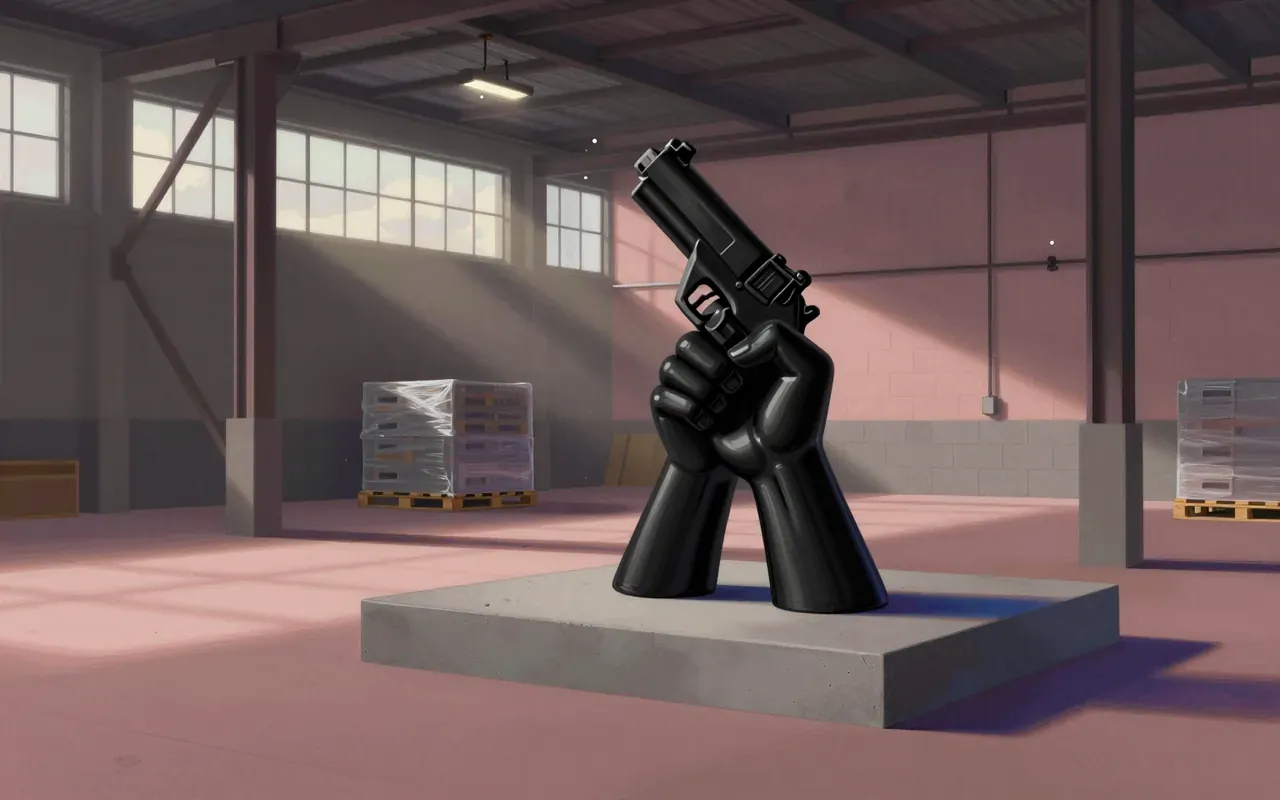
RTJ4 is Run the Jewels’ fourth studio album, released digitally on June 3, 2020 — two days ahead of its scheduled June 5 date — as a direct response to nationwide protests against racial injustice. All tracks were produced by El-P, with co-production by Little Shalimar and Wilder Zoby on most. Its cover art was conceived by El-P and realised by Tim Saccenti as a low-poly 3D-printed sculpture of the duo’s logo, photographed under multi-coloured lighting to reference past album palettes. The record is officially titled RTJ4 — the first in the series to use the abbreviated form — and features guest appearances from Greg Nice, DJ Premier, 2 Chainz, Pharrell Williams, Mavis Staples, Josh Homme, and Zack de la Rocha. Its lead singles were 'Yankee and the Brave (ep.4)' and 'Ooh LA LA', and it was performed in full during the voter-engagement YouTube stream Holy Calamavote on October 18, 2020.

11:26

Specials

The Specials · 1979

The Specials’ 1979 debut is a tightly wound, politically charged recalibration of 1960s Jamaican ska—stripped of Caribbean languor, amplified with punk’s bite, and anchored in the concrete reality of late-1970s Coventry. Produced by Elvis Costello, it foregrounds guitar, reduces horns and percussion, and uses cover versions as ideological tools. It is urgent, unified, and unapologetically functional: music built to move bodies and shift culture.

8:02

The World Is a Ghetto

War · 1972

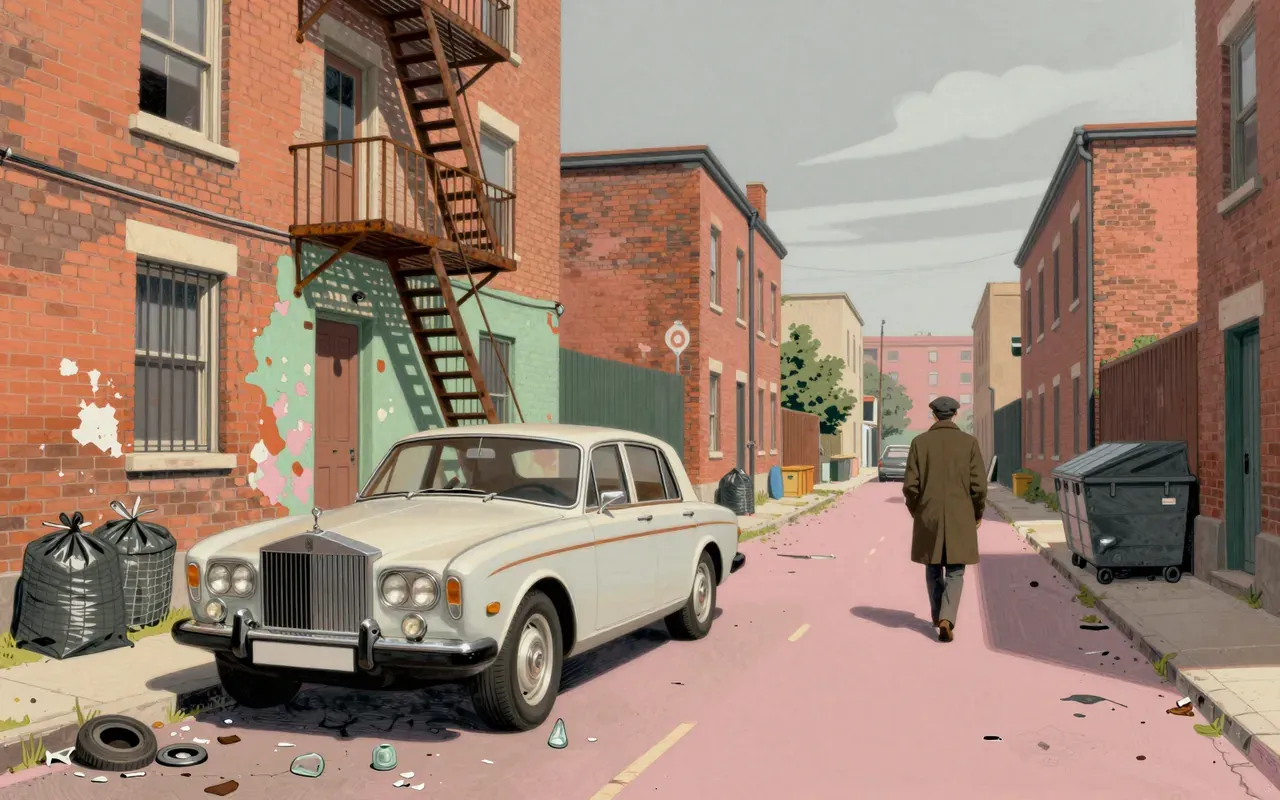
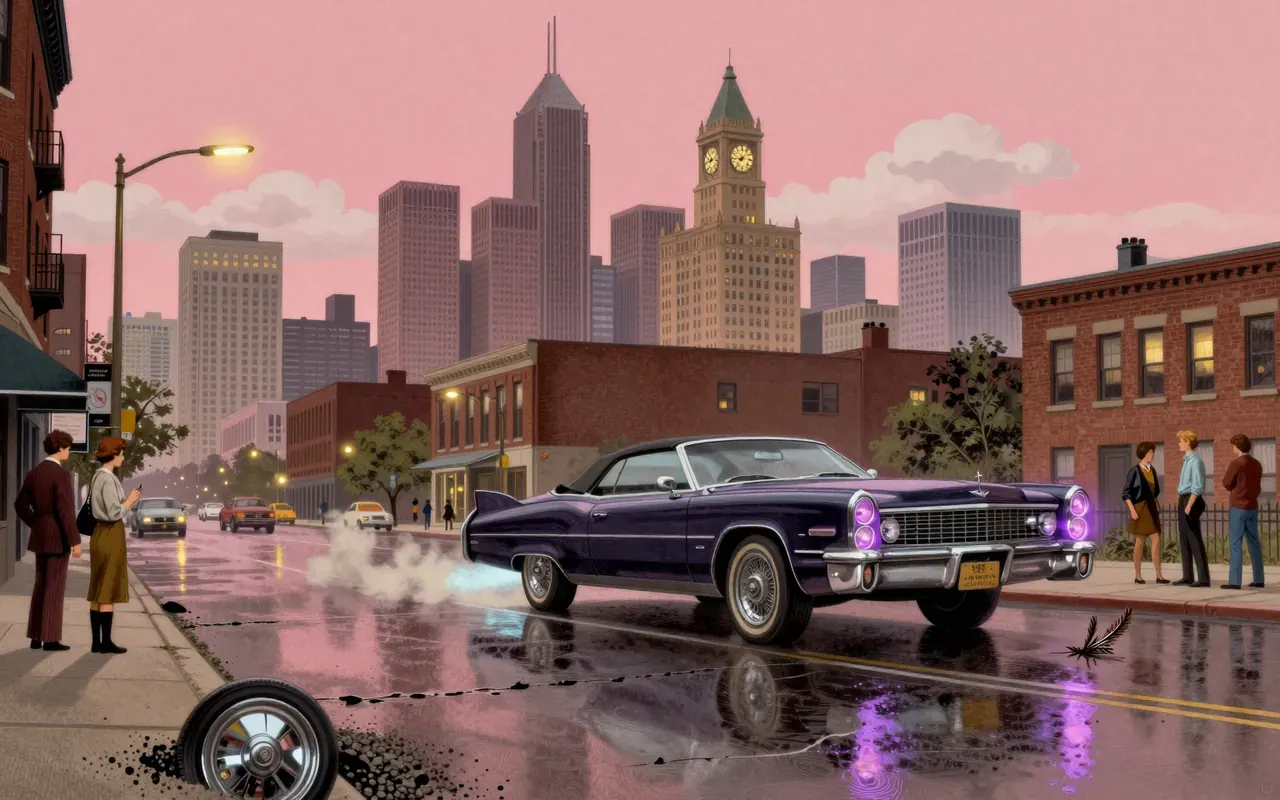
The World Is a Ghetto is War’s fifth studio album, released in late 1972 on United Artists Records. It synthesises soul, funk, blues, and psychedelia with production likened to Curtis Mayfield’s Curtis and Marvin Gaye’s What’s Going On. Its cover—a flat-tyred Rolls-Royce in a ghetto—uses a blue-and-black palette to reflect its melancholy character. Critics noted its conceptual ambition but divided on pacing: Gordon Fletcher praised its mastery in communicating ghetto life; Robert Christgau dismissed it as 'blackstrap-rock'. It was originally issued in quadraphonic 8-track and reissued in Dolby Atmos for its 50th anniversary.

10:32

Voodoo

D’Angelo · 2000

Voodoo is D'Angelo’s second studio album, released in 2000 on Virgin Records after EMI’s absorption. Critics called it a 'masterpiece' and his greatest work. It debuted at number one on the Billboard 200 with 320,000 first-week US sales, remained on the chart for thirty-three weeks, and sold over 1.7 million copies in the US by 2005. It won the 2001 Grammy Award for Best R&B Album, shared with engineer Russell Elevado. Executive producer was Dominique Trenier. Singles 'Devil's Pie' and 'Left & Right' peaked at

11:50

Fear of a Black Planet

Public Enemy · 1990

Fear of a Black Planet is Public Enemy’s third album. Recorded across three New York studios between June and October 1989, it was delayed from late 1989 to April 1990. Produced by The Bomb Squad — Chuck D, Eric 'Vietnam' Sadler, Keith Shocklee, and Hank Shocklee — it expands the dense, sample-layered 'wall of noise' of their prior album. The team used the E-mu SP-1200, Akai S900, and a Macintosh computer. They combed thousands of records for fragments, reconfiguring radio and other media into new contexts. Hank Shocklee described their process as a production assembly line: he approached it from a DJ’s perspective, Sadler from a musician’s. Singles include 'Welcome to the Terrordome', '911 Is a Joke', and 'Fight the Power' — the latter regarded as one of hip-hop’s most influential songs and the theme song of Spike Lee’s Do the Right Thing. The album continued Public Enemy’s politically charged themes and became their most successful release. It was selected for preservation in the National Recording Registry in 2005.

11:10

It Takes a Nation of Millions to Hold Us Back

Public Enemy · 1988

It Takes a Nation of Millions to Hold Us Back (1988) is Public Enemy’s second studio album. It was recorded across three New York studios—Chung King Studios, Greene St. Recording, and Sabella Studios—between 1987 and 1988. The group began at Chung King but moved to Greene St. after engineer resistance to hip hop. Engineers there eventually respected their work ethic. The album was originally titled Countdown to Armageddon. It was recorded in 30 days for $25,000, thanks to extensive preproduction at the group’s Long Island studio. It was completed in six weeks. Chuck D described the process as aggressive, time-pressured teamwork involving sonic risk-taking. Eric Sadler and Hank Shocklee stayed behind in the studio during touring to develop material ahead of Chuck D and Flavor Flav’s return. The album performed better in the charts than their debut and included the hit singles 'Don’t Believe the Hype' and 'Bring the Noise'. It was the first hip-hop album to top The Village Voice’s Pazz & Jop critics’ poll. Its sonic architecture—crafted by the Bomb Squad—included free jazz, hard funk, and musique concrète. It formed part of Public Enemy’s revolutionary, politically charged output grounded in a pro-black stance.

9:35

Lupe Fiasco’s Food & Liquor

Lupe Fiasco · 2006

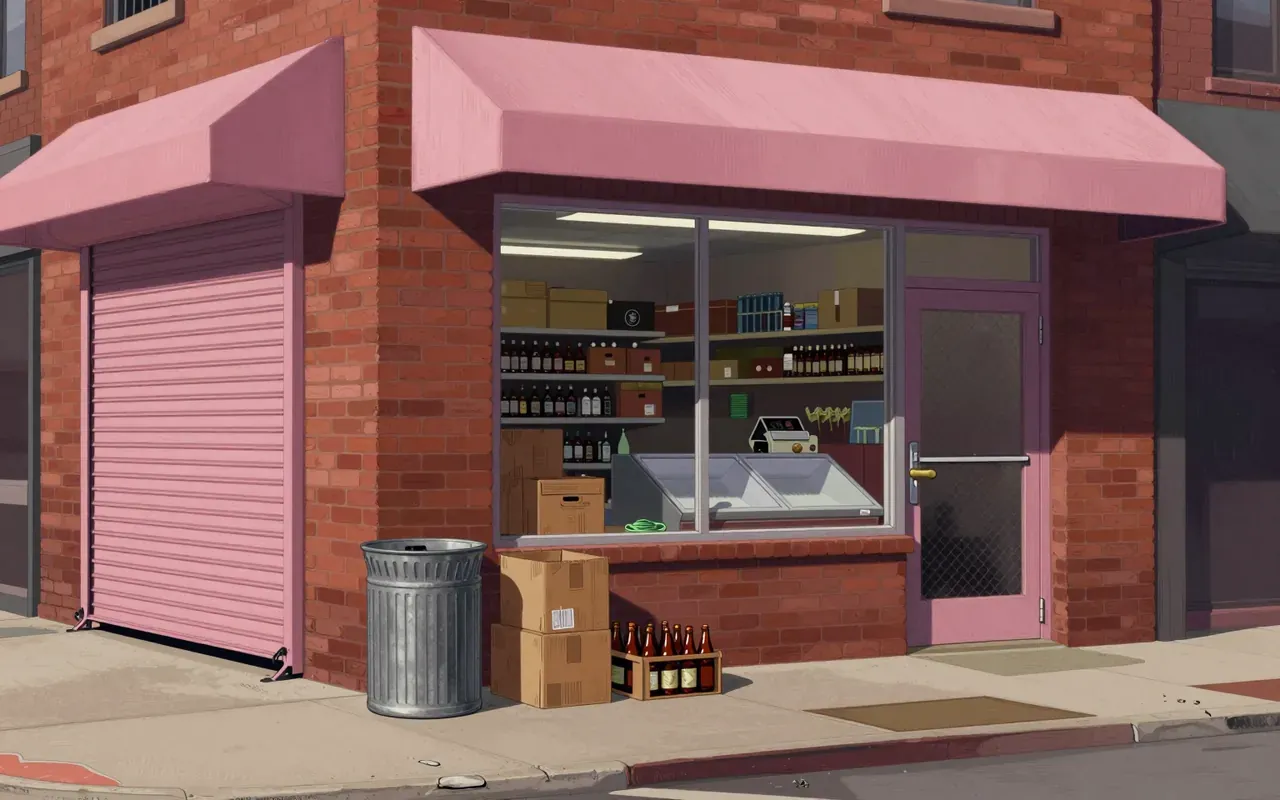
Lupe Fiasco’s Food & Liquor is a thematically dense, string-saturated hip-hop debut rooted in Chicago storefront logic—not abstract ambition. It lands where sound and subject align: 'Kick, Push', 'Daydreamin'', and 'American Terrorist'. It falters where runtime swells without function—especially the 'Outro'. No filler. No myth. Just food, liquor, strings, and scrutiny.

10:00

Mothership Connection

Parliament · 1975

Mothership Connection is a 1975 Parliament concept album unified by an outer-space theme. It is the first Parliament album to feature Maceo Parker and Fred Wesley. It was conceived by George Clinton.

11:08

To Pimp a Butterfly

Kendrick Lamar · 2015

To Pimp a Butterfly is a live-band hip-hop record rooted in jazz, funk, and soul. It was recorded across five US studios with producers including Sounwave, Pharrell Williams, Terrace Martin, Thundercat, and Taz Arnold. Only 'Wesley’s Theory' from Flying Lotus’s early contributions made the final cut. 'Mortal Man' was written on tour. 'Alright' was previewed live in 2014. The album sold 324,000 copies in its first week and topped the Billboard 200 and UK Albums Chart. It explores Black identity, contradiction, and resilience through dense, dynamic arrangements—not lyrical abstraction alone.

13:00

Coffy

Roy Ayers · 1973

Composed, arranged and conducted by Roy Ayers for the 1973 film of the same name, Coffy pairs a full jazz-funk band with strings, horns and vocal cues sung by Dee Dee Bridgewater, Wayne Garfield and Ayers himself. Split between orchestral action cues and proper soul numbers, it holds up as music independent of the picture it was built to serve.

13:00

Innervisions

Stevie Wonder · 1973

Recorded largely single-handed with the TONTO synthesizer rig and released three days before the car crash that nearly ended his career, Innervisions finds Stevie Wonder swapping love songs for reportage, from drug addiction and urban decay to a coded jab at the White House.

13:00

Play

Moby · 1999

Made at Moby's own Manhattan studio after a career-threatening previous album, Play folds vocal hooks lifted from Alan Lomax's field recordings into electronic production, letting decades-old voices carry new songs. Slow to catch on, it eventually sold over twelve million copies largely through film and advertising licensing.

13:00

Songs in the Key of Life

Stevie Wonder · 1976

Made after Stevie Wonder seriously considered leaving music to work with disabled children abroad, and released only once he had signed one of the largest recording contracts in history, this double album plus bonus EP moves through faith, parenthood, injustice and romance while Wonder plays the overwhelming majority of the instruments himself.