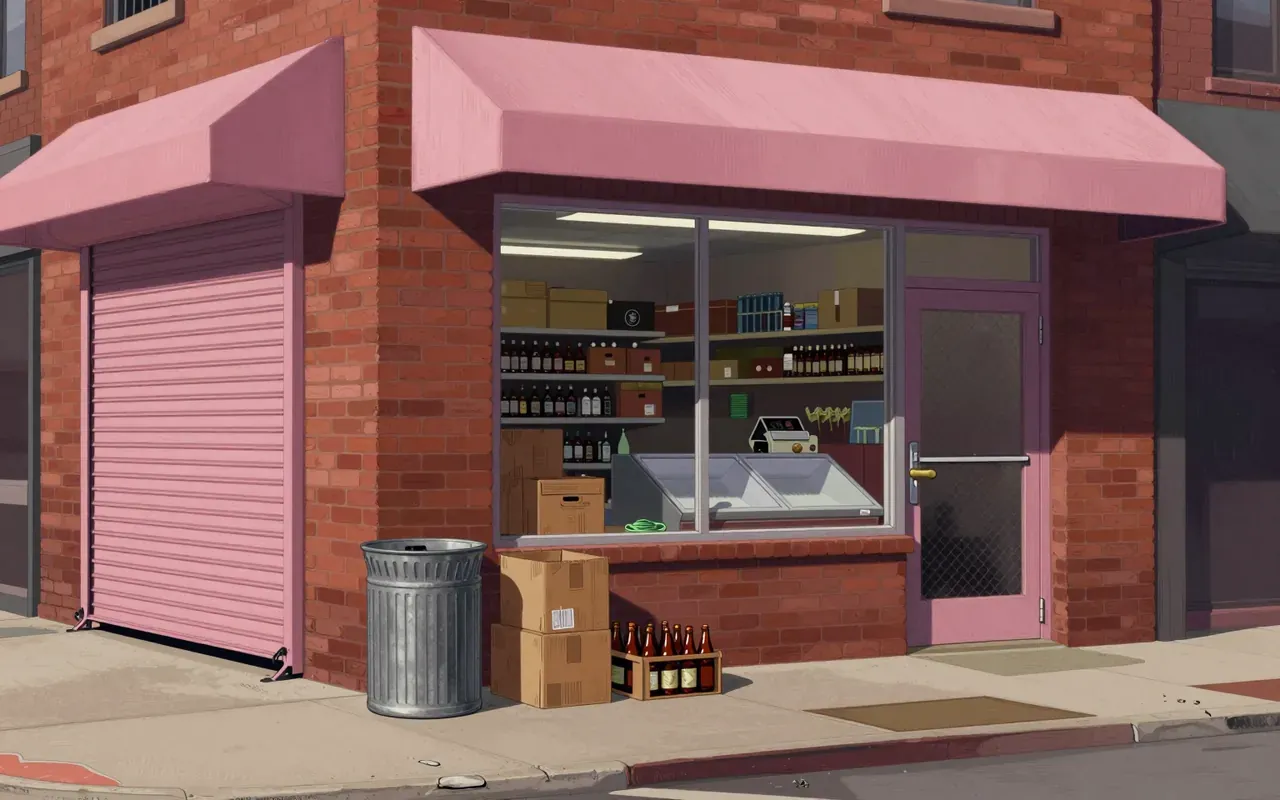
What the record is and where it came from
Lupe Fiasco’s Food & Liquor is his 2006 debut album, released on September 19, 2006. It was produced with assistance from Jay-Z and features work from Kanye West, Mike Shinoda, The Neptunes, Prolyfic, Soundtrakk, Needlz, and Craig Kallman. Its title references Chicago ‘Food and Liquor’ stores.
How it sounds, and how it was made
Strings dominate the texture—lush on ‘Kick, Push’, prominent on ‘Hurt Me Soul’, ‘He Say She Say’, and ‘Daydreamin’’. Horns appear alongside strings on ‘Kick, Push’. The album was recorded across three studios: 1st & 15th in Chicago, Record Plant in Hollywood, and Right Track in New York City. Last-minute changes were made before release due to sample clearance issues.
What lands
‘Kick, Push’ lands with its string-and-horn backdrop and clear metaphor. ‘Daydreamin’’ lands with Jill Scott’s feature and strings. ‘American Terrorist’ lands with its thematic focus on misrepresentation. ‘The Instrumental’ lands as a concept—television as addictive medium—but no sonic detail beyond its title is verified.
What does not
It does not sustain momentum across all sixteen tracks. The 12:13 ‘Outro’ lacks structural purpose. Several tracks rely on lyrical density without corresponding sonic development. There is no bassline or drum pattern described in the material—so none is asserted.
The ideas inside it
Food symbolises growth and necessity; liquor symbolises want and destruction. ‘The Instrumental’ addresses television addiction. ‘American Terrorist’ tackles Islamophobia, racism, and gun culture. ‘Kick, Push’ uses skateboarding literally to explore rejection for pursuing passion.
Who should hear it, and who should not
Listeners who value lyrics anchored to concrete imagery and production that serves argument—not atmosphere. Not listeners seeking cohesive mood, rhythmic innovation, or vocal experimentation unsupported by the material.
Is it worth your time
Yes—if you want a debut that uses orchestral hip-hop as a vessel for precise social observation, not mood or myth. It rewards attention to how ideas are built into sound, not just what they say.