What the record is and where it came from
Miles Ahead was released in 1957, reuniting Miles Davis with Gil Evans after their earlier nonet work. Producer George Avakian conceived a larger setting that would place Davis prominently in front. The project changes the relationship between soloist and ensemble rather than simply enlarging the usual quintet.
How it sounds, and how it was made
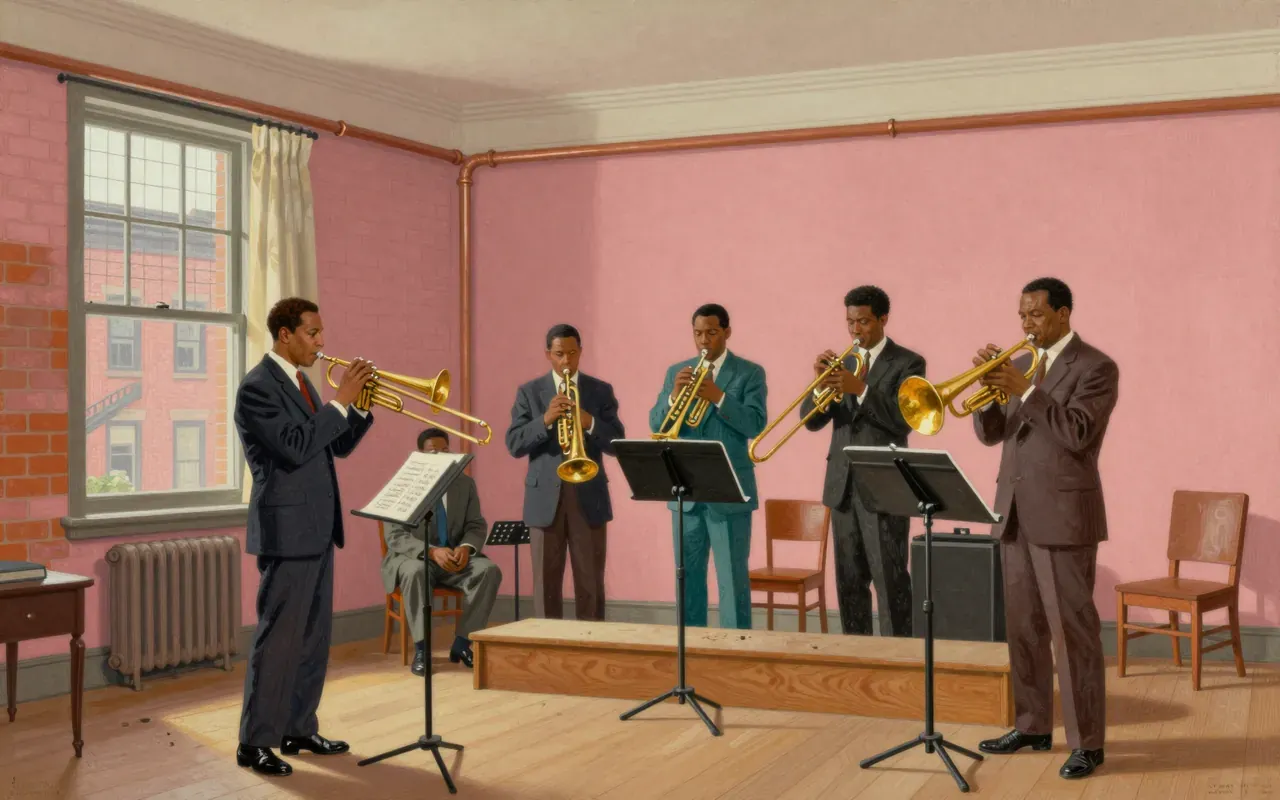
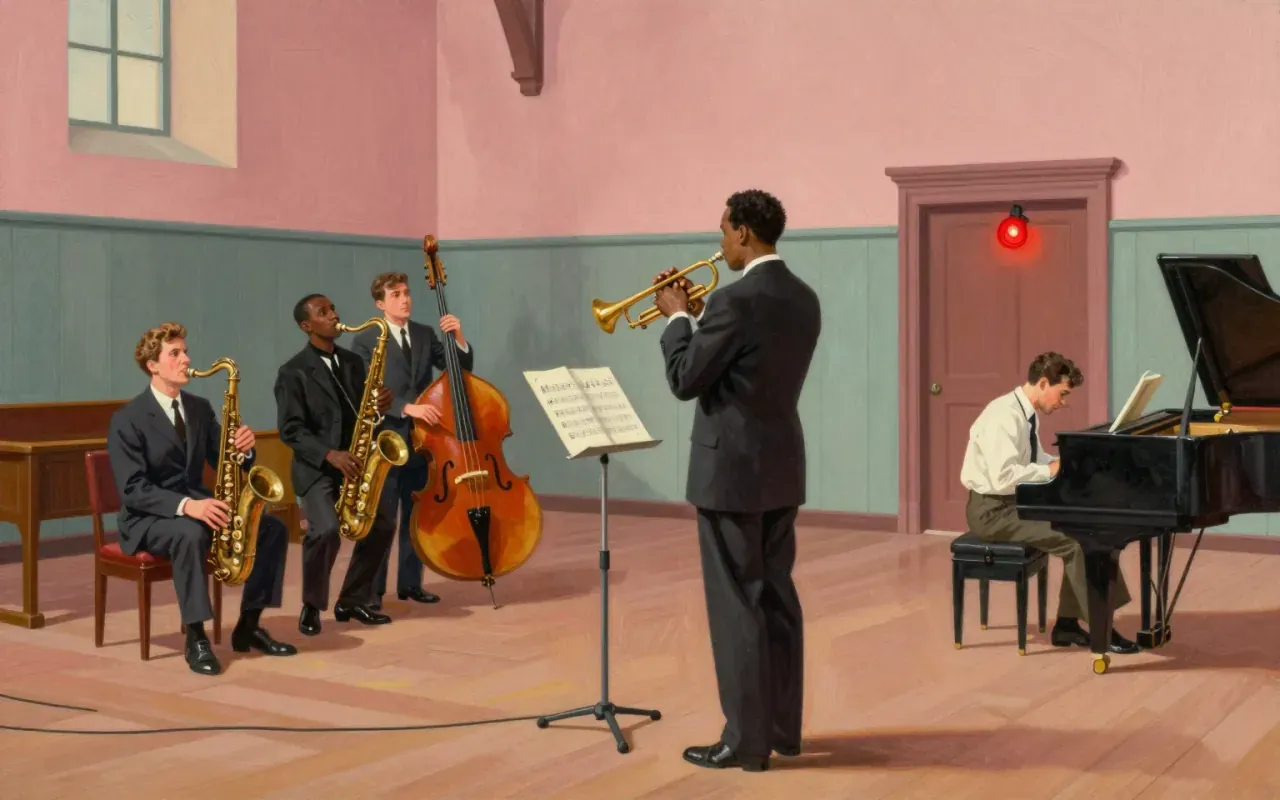
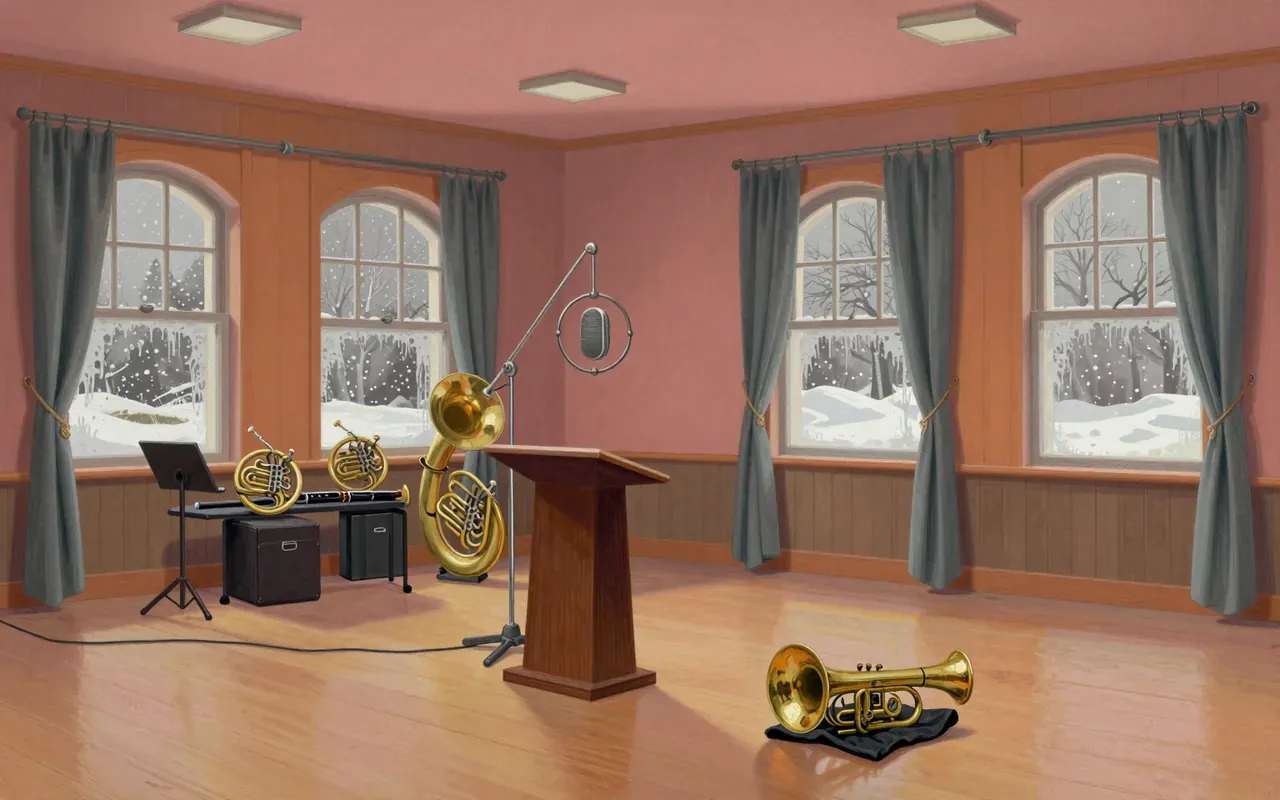
Davis plays flugelhorn throughout. Evans’ arrangements use a large woodwind and brass ensemble, including French horns, tuba and bass clarinet, supported by rhythm players. The material is linked into two larger sequences, allowing transitions to contribute to the album’s shape.
What lands
“My Ship,” “The Duke” and “New Rhumba” bring different compositional origins into a coherent presentation. Evans’ orchestration gives Davis contrasting surroundings without introducing a succession of competing soloists. The continuity comes from how a single instrumental voice inhabits those changing colours.
What does not
Listeners wanting group interaction on equal improvisational terms may find the design too hierarchical. The orchestral writing can also make the soloist feel enclosed. Its elegance offers less of the open-ended uncertainty associated with a small band working through extended solos.
The ideas inside it
Arrangement can be a form of composition applied to existing material. The record’s unity comes from rethinking the relationships between pieces and constructing settings through which one performer can move.
Who should hear it, and who should not
Hear it if instrumental colour and continuity interest you as much as improvisational length. It is less suited to a demand for a conventional quintet session.
Is it worth your time
Yes. Follow Evans’ transitions and low-register colours alongside Davis’ line; the partnership resides in both.