Saved
Prog & art rock

Pictures at an Exhibition

A live rock transcription that replaces the piano with ego, the orchestra with amplification, and the gallery with a packed northern English hall.

Worth your time?3.5/5Yes.Hear the whole thing.What works, what does not, who it is for ↓
10:17in productionCh. 1 · Where it was cut/ 10:17 · ceiling 15 min
4 chapters · 10:17Ceiling 15:00

The brief is written and checked. The video joins this page when it is cut.4 chapters · 2 min read · 10:17 planned

Read the brief

A live rock transcription that replaces the piano with ego, the orchestra with amplification, and the gallery with a packed northern English hall.

Chapters & takeaways4
  1. 1:15
    Where it was cut

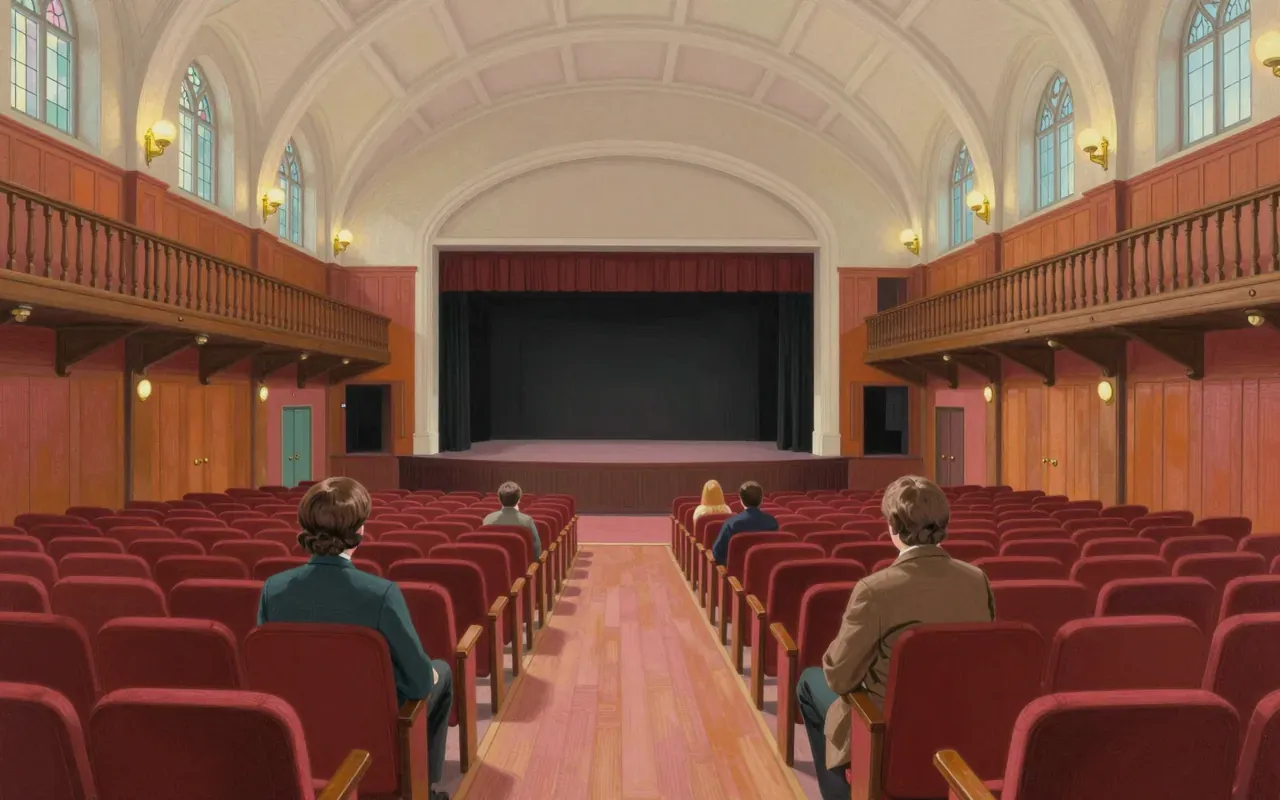
    Recorded live at Newcastle City Hall on 26 March 1971, right after finishing 'Tarkus' and mid-tour.

  2. 2:39
    How it was built

    They’d been playing it since August 1970; Emerson brought the score, Lake and Palmer added their own arrangements.

  3. 4:26
    How it broke through

    Released as a UK budget album—Atlantic refused US distribution until Island imported 250,000 copies and WNEW-FM played it whole.

  4. 6:24
    What it achieved

    It ends with ‘Nut Rocker’, hit No. 3 in the UK and No. 10 in the US, and forced Atlantic to reverse course.

1 more chapterFewer chapters
Running order11
  1. 01
    Promenade2:46

    Heard in West Side Story (2021)

  2. 02
  3. 03
    Promenade1:24

    Heard in West Side Story (2021)

  4. 04
    The Sage5:06

    Heard in Paheli (2005)Last Night in Soho (2021)

  5. 05
    The Old Castle4:27

    Heard in The Atomic Cafe (1982)

  6. 06
    Blues Variation6:02
  7. 07
    Promenade1:30

    Heard in West Side Story (2021)

  8. 08
    The Hut of Baba Yaga1:16
  9. 09
    The Curse of Baba Yaga4:58
  10. 10
    The Hut of Baba Yaga1:11
  11. 11
    The Great Gates of Kiev / Nutrocker11:00

Film placements are the ones described in each film's own entry, so the list is partial rather than complete.

Worth your time?

Yes. Hear the whole thing.

3.5/ 5
What works
  • lands the ‘Promenade’ as a recurring organ-and-bass motif
  • gives ‘The Old Castle’ a vocalised melody over sustained organ
  • merges Mussorgsky’s finale with ‘Nut Rocker’ at full-band force
What does not
  • smooth over the suite’s abrupt shifts
  • soften its dissonance
  • hide the band’s physical effort
Hear it if
  • people who want to hear how classical material was physically reconfigured for rock instrumentation in 1971
  • people who value live commitment over studio polish
Skip it if
  • people who expect fidelity to the piano score
  • people who seek orchestral colour or restraint
Who should hear it, and who should skipHide who it is for
The written brief2 min read

What the record is and where it came from

It is a live album recorded at Newcastle City Hall on 26 March 1971, capturing Emerson, Lake & Palmer’s full-arrangement performance of Mussorgsky’s ‘Pictures at an Exhibition’, plus the encore ‘Nut Rocker’. It was released as a budget album in the UK in November 1971 and in the US in January 1972.

How it sounds, and how it was made

It sounds like a live rock band playing Mussorgsky in a concert hall with a pipe organ, using mobile recording equipment. The arrangement adds electric bass, drums, and Hammond organ to the original piano suite. The Newcastle City Hall room is present in the reverb and crowd noise. No studio overdubs were used.

What lands

The ‘Promenade’ theme lands as a recurring motif played on Hammond organ and bass, grounding each movement. ‘The Old Castle’ lands with Greg Lake’s vocalised melody over sustained organ chords. ‘The Great Gates of Kiev / Nutrocker’ lands with full-band force, merging Mussorgsky’s finale with a 1962 rock instrumental.

What does not

It does not sound like an orchestral recording. It does not smooth over the suite’s abrupt shifts or soften its dissonance. It does not hide the band’s physical effort—the clatter of drumsticks, the breath before a vocal line, the organ’s mechanical wheeze.

The ideas inside it

The idea is adaptation as translation: taking a solo piano work and rebuilding it for three virtuosos, each contributing arrangements, not just transcriptions. It treats Mussorgsky’s structure as architecture to be entered, not revered from afar.

Who should hear it, and who should not

People who want to hear how classical material was physically reconfigured for rock instrumentation in 1971 should hear it. People who expect fidelity to the piano score or orchestral colour should not.

Is it worth your time

Yes—if you want to hear how a 1971 UK progressive rock trio interpreted a Russian piano suite live, with no edits, no retakes, and full commitment to scale and spectacle.
Same genre · Prog & art rock4 of 76
10:23
TarkusEmerson, Lake & Palmer · 1971Tarkus is a studio document of creative fracture—not a concept album, but a contract renegotiation set to Moog and Hammond.
10:27
John Barleycorn Must DieTraffic · 1970John Barleycorn Must Die is Traffic’s 1970 fourth studio album, emerging from sessions initially intended as Steve Winwood’s solo project Mad Shadows. It marks the band’s reunion without Dave Mason and a decisive turn toward jazz fusion, blues, and modernized traditional folk. The album features extensive multi-instrumental contributions from Winwood, Capaldi, and Wood, and was co-produced by Chris Blackwell and Winwood on most tracks, with Guy Stevens producing two. Its stylistic looseness and jam orientation distinguish it from prior Traffic work and set the course for their 1970s output.
10:11
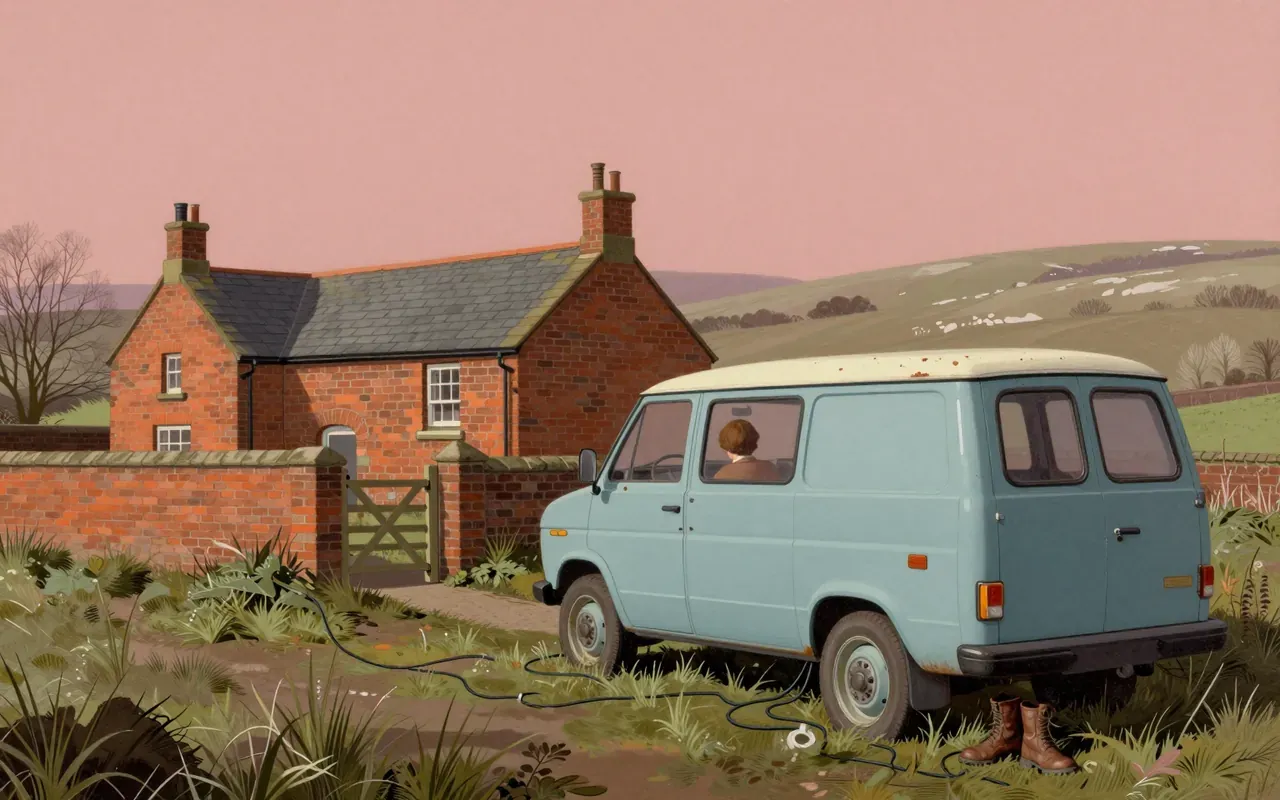
Rock BottomRobert Wyatt · 1974Rock Bottom is Robert Wyatt’s 1974 solo debut, produced by Nick Mason and recorded across three locations: a non-soundproofed van in a Wiltshire field, The Manor Studio, and CBS Studios in London. It combines jazz looseness, instrumentation, and improvisation with rock/folk song forms — an 'upside down' fusion designed to avoid the 'noodling' Wyatt associated with existing jazz-rock. Wyatt performed on vocals, keyboards, percussion, slide guitar, James’ drum, Delfina’s wineglass, Delfina’s tray, and a small battery. Much was composed pre-accident in Venice; arrangements and lyrics were reworked during convalescence. Collaborators included Mike Oldfield, Ivor Cutler, and Fred Frith. The album received mostly positive reviews.
9:17
The Yes AlbumYes · 1971The Yes Album is Yes’s third studio album, their first consisting entirely of original material, written and rehearsed at Langley Farm in Romansleigh, Devon, and recorded at Advision Studios in London in autumn 1970.
Up next in Music

Porgy and Bess

Miles Davis · 1958 · 10:31

This isn’t jazz playing Gershwin — it’s Gershwin remade as a study in modal space.

10:31