What the record is and where it came from
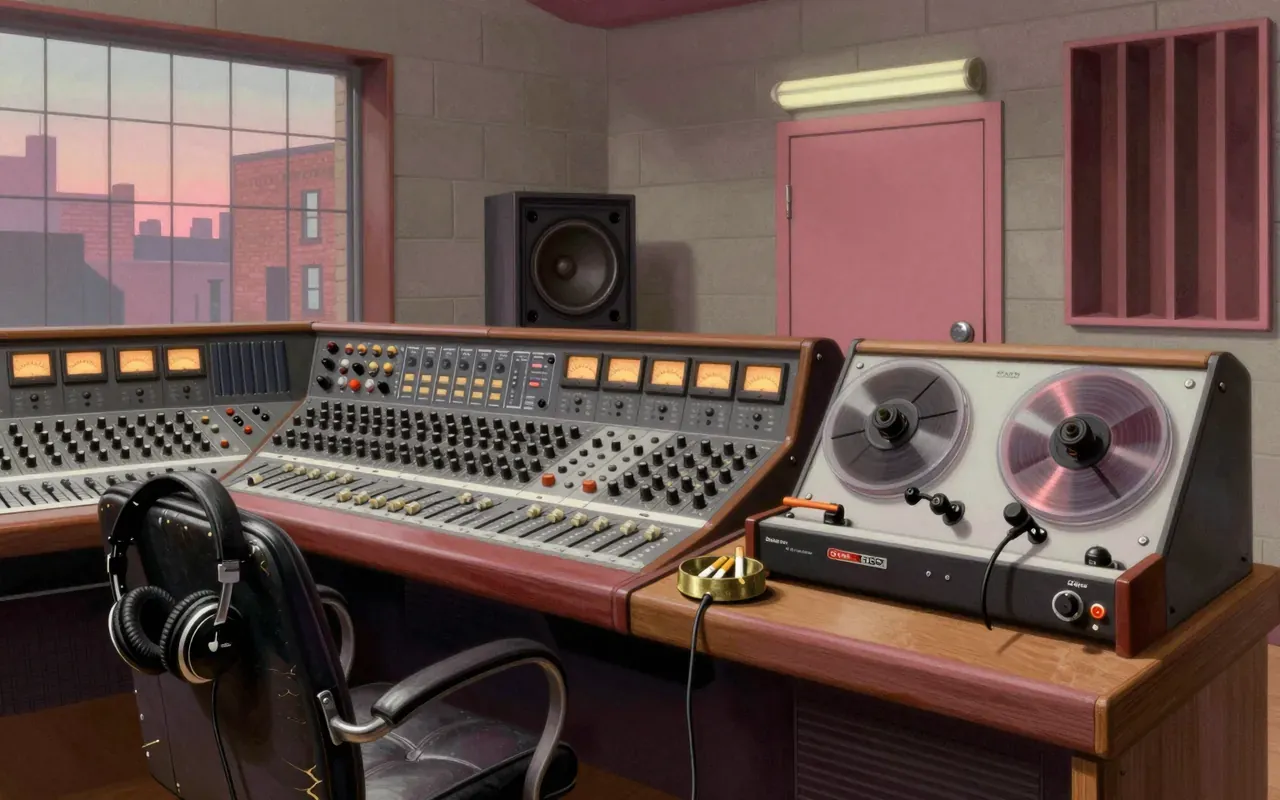
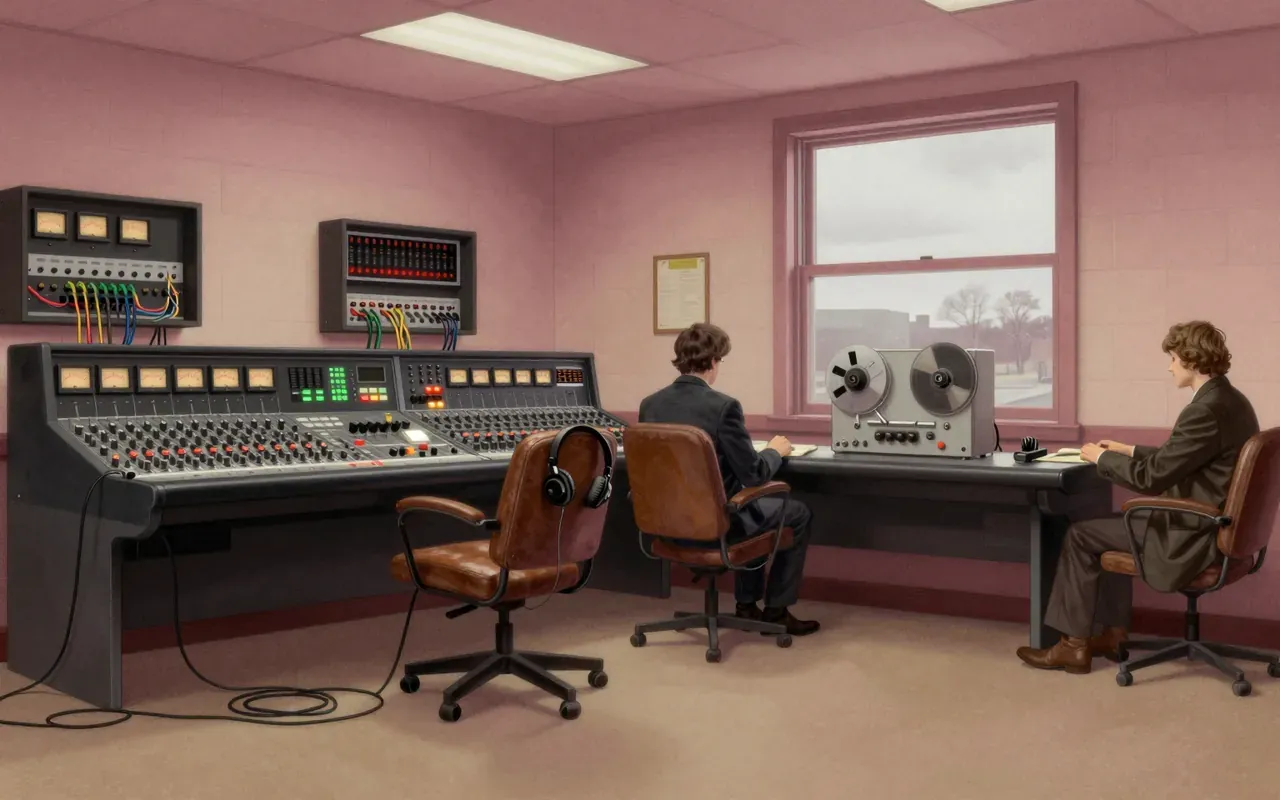
Ramones is the band’s debut album, recorded in January 1976 at Plaza Sound studio. Fourteen songs. All under two and a half minutes. Produced by Craig Leon with Tommy Ramone as associate producer. Budget: $6,400. Front cover photograph by Roberta Bayley.
How it sounds, and how it was made
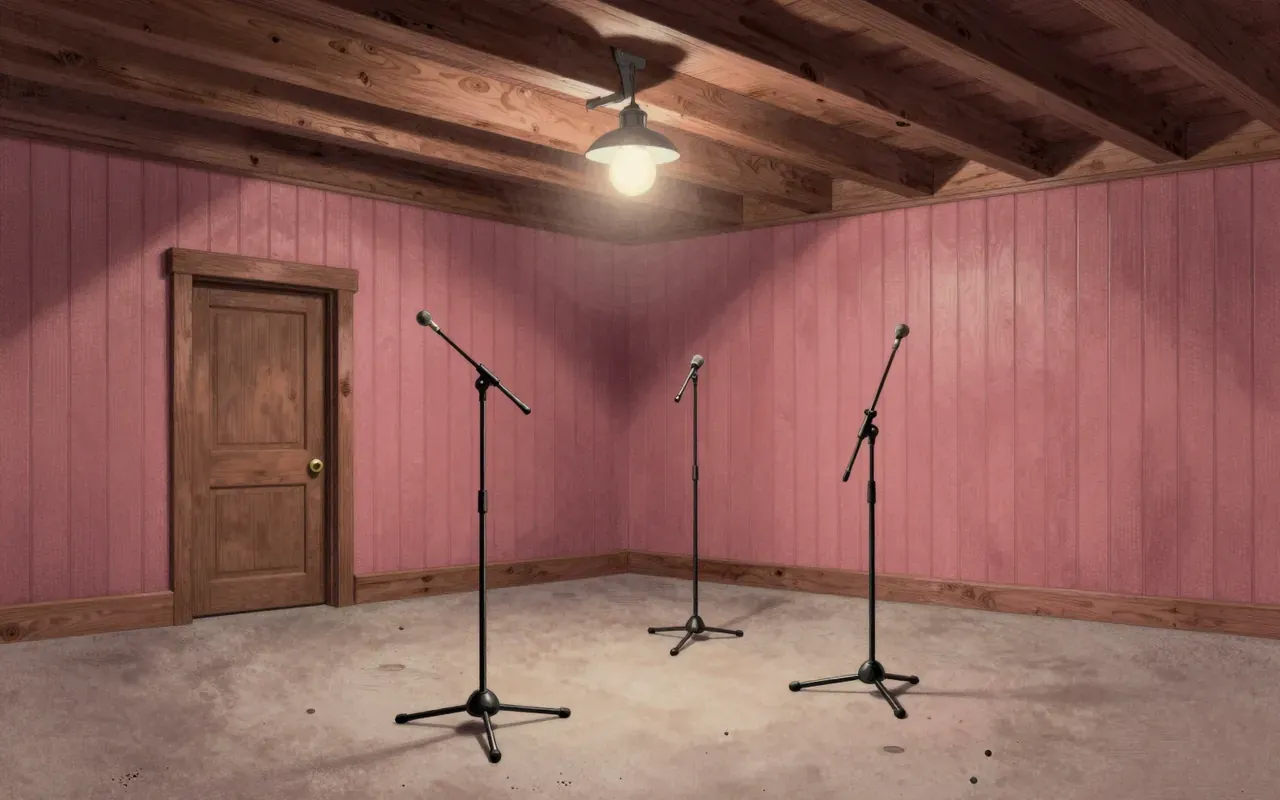
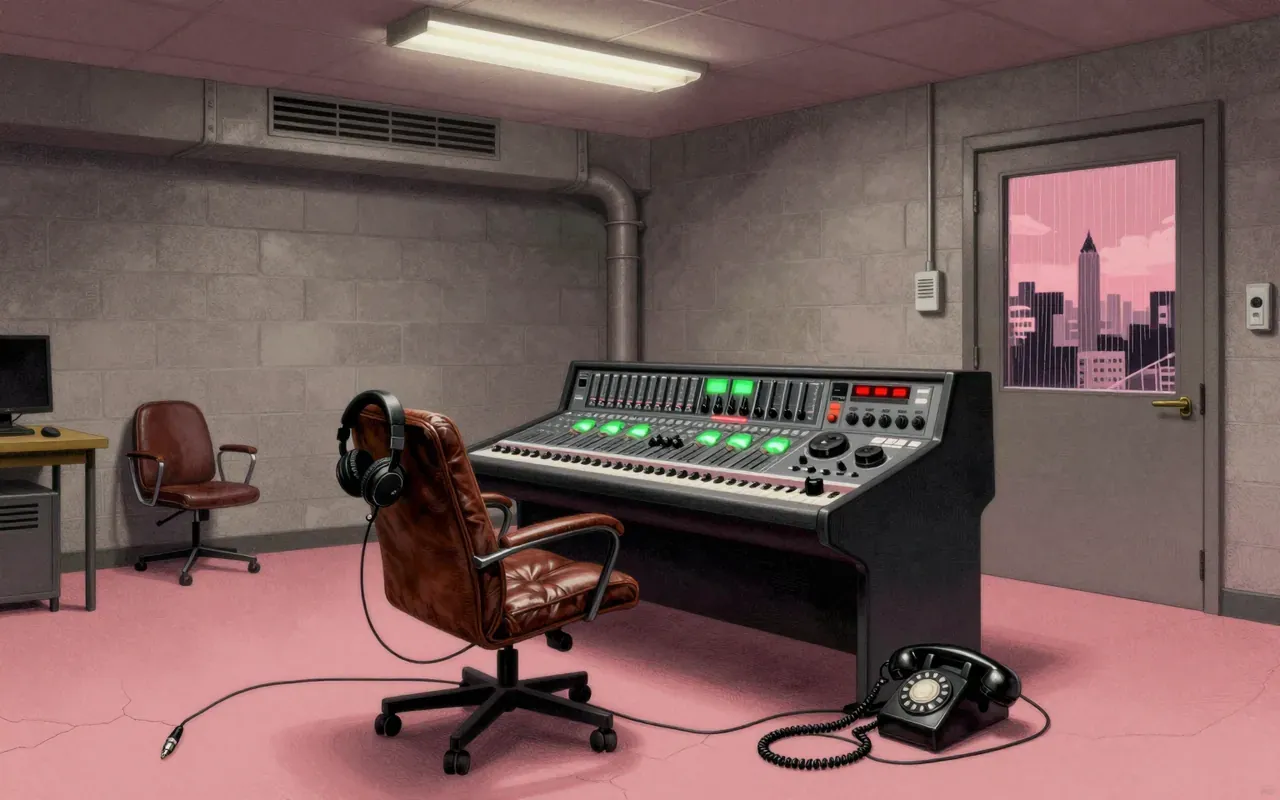
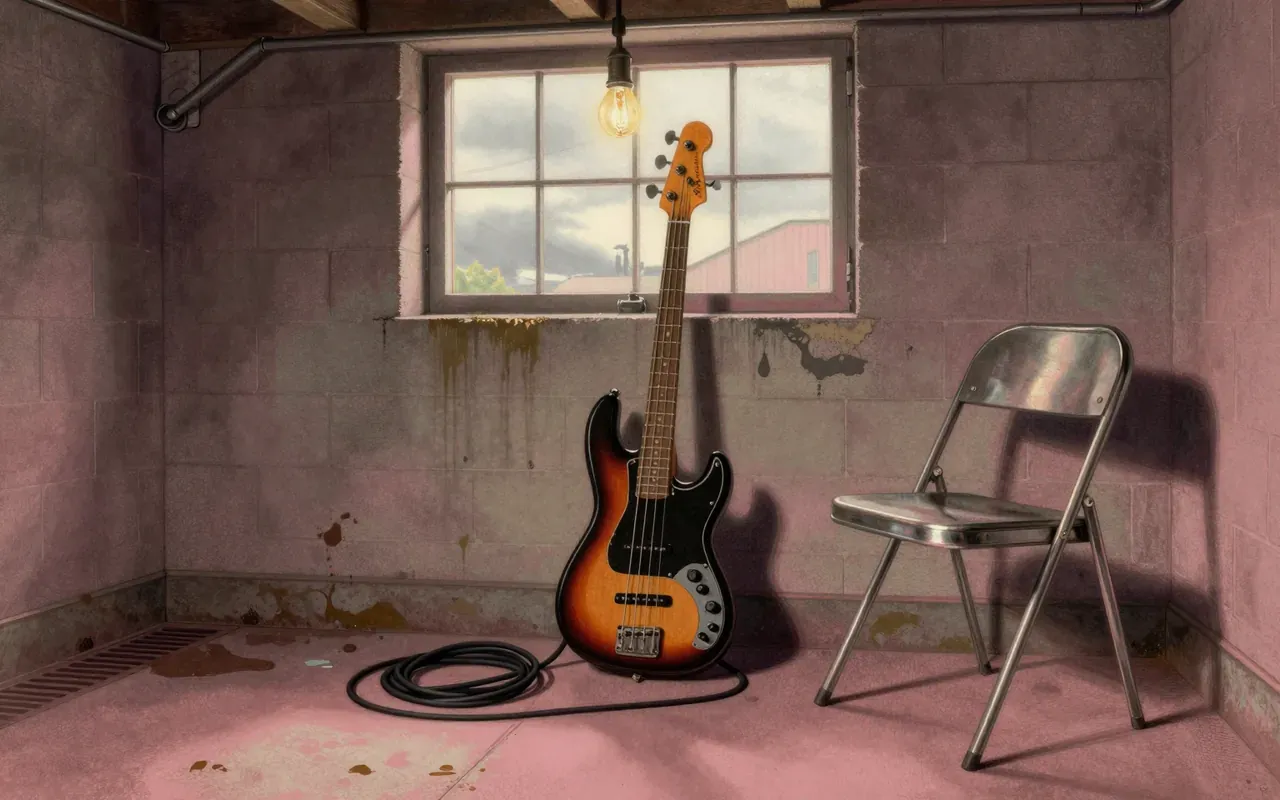
The stereo mix separates bass (left), rhythm guitar (right), and drums/vocals (centre). Microphone placement mimics orchestral technique. The recording exaggerates early-1960s Beatles four-track methods, while also using overdubbing and vocal doubling. Uncredited percussion effects were added by Mickey Leigh and Craig Leon. Instruments were tracked in three days, vocals in four, all at Plaza Sound studio in January 1976.
What lands
‘Blitzkrieg Bop’ lands first — its shout-and-stomp structure locks in before the second bar. ‘Judy Is a Punk’ lands with its clipped, sneering delivery and abrupt cut-off. ‘I Don’t Wanna Go Down to the Basement’ lands with its descending bassline and vocal tremor. ‘53rd & 3rd’ lands with its stop-start violence and choked guitar tone.
What does not
It does not build solos. It does not modulate keys. It does not vary tempo across tracks. It does not use reverb on vocals. It does not feature acoustic instruments, synthesizers, or backing choirs. It does not leave space for interpretation — it states, repeats, and stops.
The ideas inside it
Adolescence as claustrophobia. Authority as absurd. Desire as blunt instrument. Escape as a three-chord sprint. The record treats boredom, anxiety, and infatuation as physical forces — not moods, but pressures in the room.
Who should hear it, and who should not
People who want to understand how punk sounded before it became a genre label. People who listen for placement, not polish. People who care how a room shapes a snare hit. People who distrust lyrics that explain themselves. Not people who need narrative arc, dynamic range, or instrumental variation.
Is it worth your time
Yes — if you want to hear how raw energy was channelled through disciplined studio craft, not chaos. It is worth your time because it delivers fourteen tightly wound songs in under thirty-six minutes, with no filler, no detours, and no silence between tracks.