musicbriefs
8:10in productionCh. 1 · The Room/ 8:10 · ceiling 15 min
Folk & singer-songwriter

Red Headed Stranger

A preacher’s confession, recorded in a silent room with no reverb and no mercy.

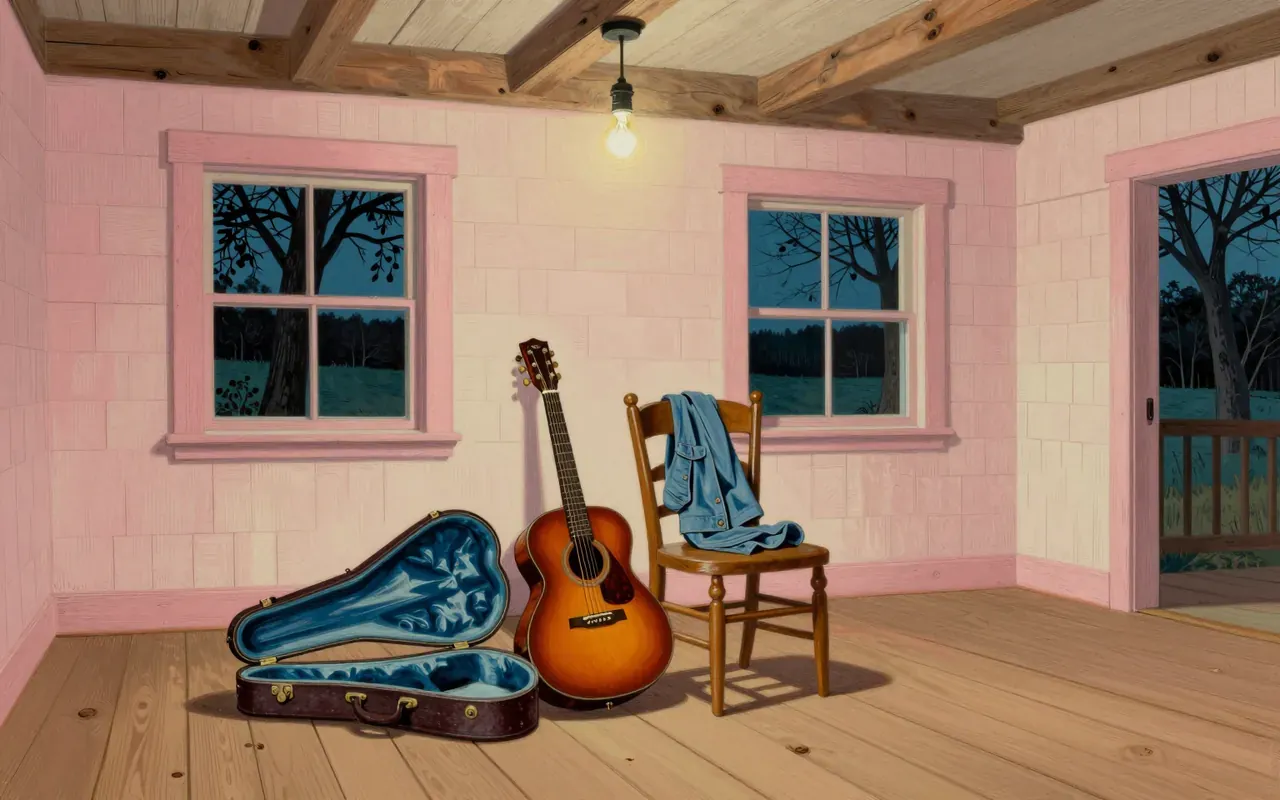
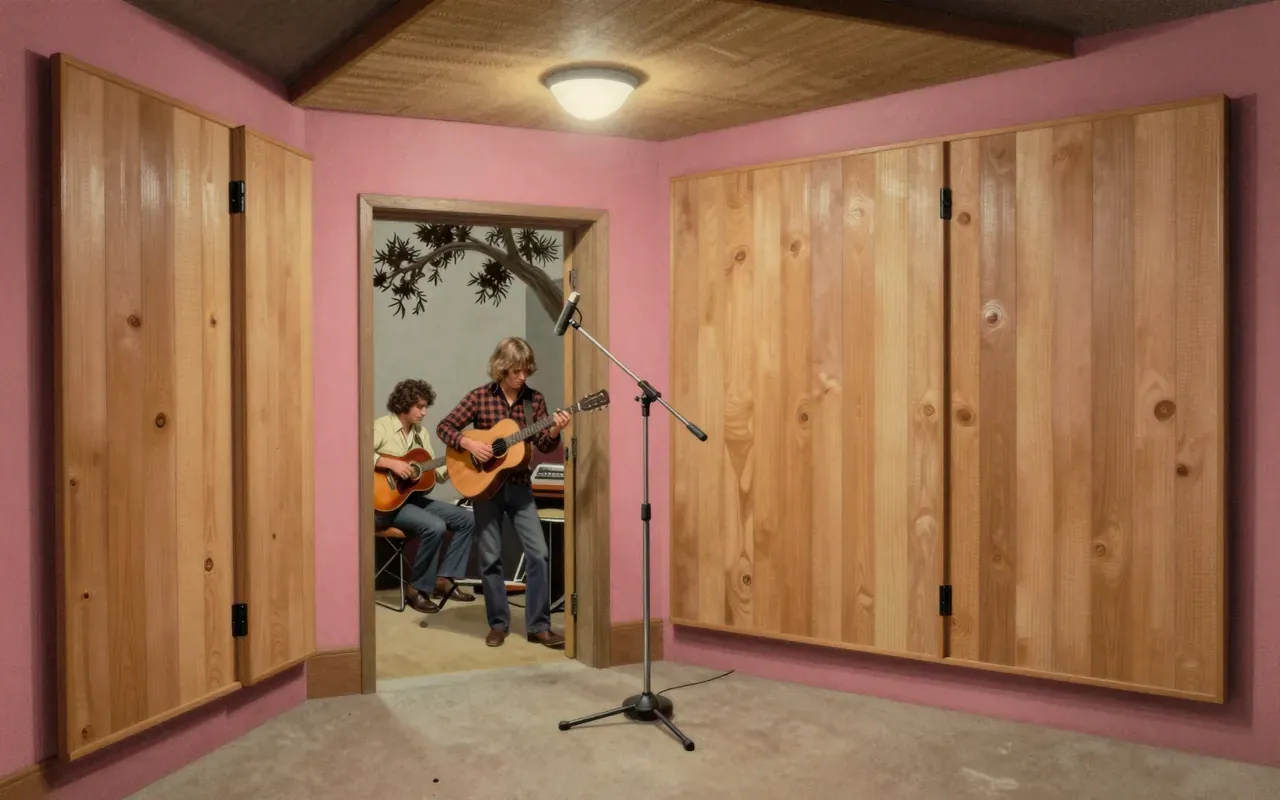
Red Headed Stranger is a 1975 concept album by Willie Nelson, recorded at low cost in a quiet cypress-panelled room at Autumn Sound Studios in Garland, Texas. It features sparse arrangements limited to Nelson's guitar, piano, and drums, with no equalisation and no additional production — a direct rejection of Nashville conventions. Columbia executives initially mistook it for a demo, but Nelson's creative control and Waylon Jennings' insistence secured its release. The album includes a cover of Fred Rose's 1945 'Blue Eyes Crying in the Rain', which became Nelson's first number one hit. Its power lies in restraint: the Bosendorfer piano's deep bass, the dry drum hits, the absence of reverb or ornamentation. It is a record about silence as moral weight.

Chapters & takeaways4
  1. 0:51
    The Room

    Recorded in a quiet cypress-panelled room in Garland, Texas, with the first 24-track console in the state and a $25,000 Bosendorfer piano.

  2. 2:26
    The Sound

    Sparse arrangements — guitar, piano, drums — with no equalisation, no Nashville polish, and no bass or strings.

  3. 3:25
    The Resistance

    Columbia mistook it for a demo. Nelson and Jennings forced its release. No further production was added.

  4. 4:39
    The Breakthrough

    Five songs cut in January. A cover of Fred Rose’s 1945 ‘Blue Eyes Crying in the Rain’ became Nelson’s first number one hit.

Running order15
  1. 01
    Time of the Preacher2:26
  2. 02
    I Couldn’t Believe It Was True1:32
  3. 03
    Time of the Preacher Theme1:13
  4. 04
    Medley: Blue Rock Montana / Red Headed Stranger1:36
  5. 05
    Blue Eyes Crying in the Rain2:21

    Heard in Crossroads Guitar Festival 2007 (2007)

  6. 06
    Red Headed Stranger4:01

    Heard in Honeysuckle Rose (1980)Red Headed Stranger (1986)

  7. 07
    Time of the Preacher Theme0:27
  8. 08
    Just as I Am1:47

    Heard in Merlin (2018)

  9. 09
    Denver0:53

    Heard in The American Epic Sessions (1925)Red Headed Stranger (1986)Shrek (2001)

  10. 10
    O’er the Waves0:47
  11. 11
    Down Yonder1:56

    Heard in Is Everybody Happy? (1943)Somebody Loves Me (1952)

  12. 12
    Can I Sleep in Your Arms?5:24
  13. 13
    Remember Me2:53

    Heard in Coco (2017)

  14. 14
    Hands on the Wheel4:23

    Heard in The Electric Horseman (1979)

  15. 15
    Bandera2:14

Film placements are the ones described in each film's own entry, so the list is partial rather than complete.

Worth your time?

Yes. Hear the whole thing.

4.5/ 5
What works
  • 'Blue Eyes Crying in the Rain'
  • 'Red Headed Stranger'
What does not
  • build
  • swell
  • resolve emotionally
  • use Nashville production techniques
Hear it if
  • people who listen to records as rooms
  • people who value negative space in sound
Skip it if
  • people who need crescendos
  • people who need choruses
  • people who need catharsis
The written brief1 min read

What the record is and where it came from

A 1975 concept album recorded at Autumn Sound Studios in Garland, Texas. Nelson had total creative control after signing with Columbia Records. It was made cheaply, quickly, and deliberately stripped of all expected country signifiers.

How it sounds, and how it was made

It sounds like a quiet room with cypress wood paneling. The Bosendorfer concert grand piano anchors the space. Nelson’s guitar and drums are sparse, dry, unembellished. No equalisation was applied. There is no reverb, no strings, no backing vocals, no overdubs. The 24-track console was used minimally — likely for separation, not layering.

What lands

‘Blue Eyes Crying in the Rain’ lands because its hush feels earned — not sentimental. The piano’s low end from the Bosendorfer’s four extra bass notes gives weight without warmth. ‘Red Headed Stranger’ lands because the drum pattern stays flat, unswung, like a heartbeat measured in dust.

What does not

It does not build. It does not swell. It does not resolve emotionally. It does not use Nashville production techniques. It does not feature bass, pedal steel, or string arrangements.

The ideas inside it

A preacher kills his wife and her lover. He rides alone. He seeks absolution but finds only silence. The songs are episodes, not exposition. The narrative is implied by sequence, repetition, and subtraction — not lyrics alone.

Who should hear it, and who should not

People who listen to records as rooms, not stories. People who value negative space in sound. Not people who need crescendos, choruses, or catharsis.

Is it worth your time

Yes. It repays attention in under 45 minutes. Its restraint is deliberate, not impoverished. It asks you to hear absence as texture.

Same genre · Folk & singer-songwriter4 of 20
Up next in Music

Refavela

Gilberto Gil · 1977 · 10:45

Refavela isn’t African music — it’s Brazil remembering itself through Africa.

10:45