What the record is and where it came from
Genesis’s sixth studio album and final one with Peter Gabriel. It is a rock opera conceived by Gabriel alone, following Rael through a hallucinatory New York. Its creation was fractured: Gabriel insisted on sole conceptual and lyrical control, departed briefly to work with William Friedkin, and missed sessions due to his wife’s difficult pregnancy. The remaining members built instrumentals through jam sessions at Headley Grange and Glaspant Manor.
How it sounds, and how it was made
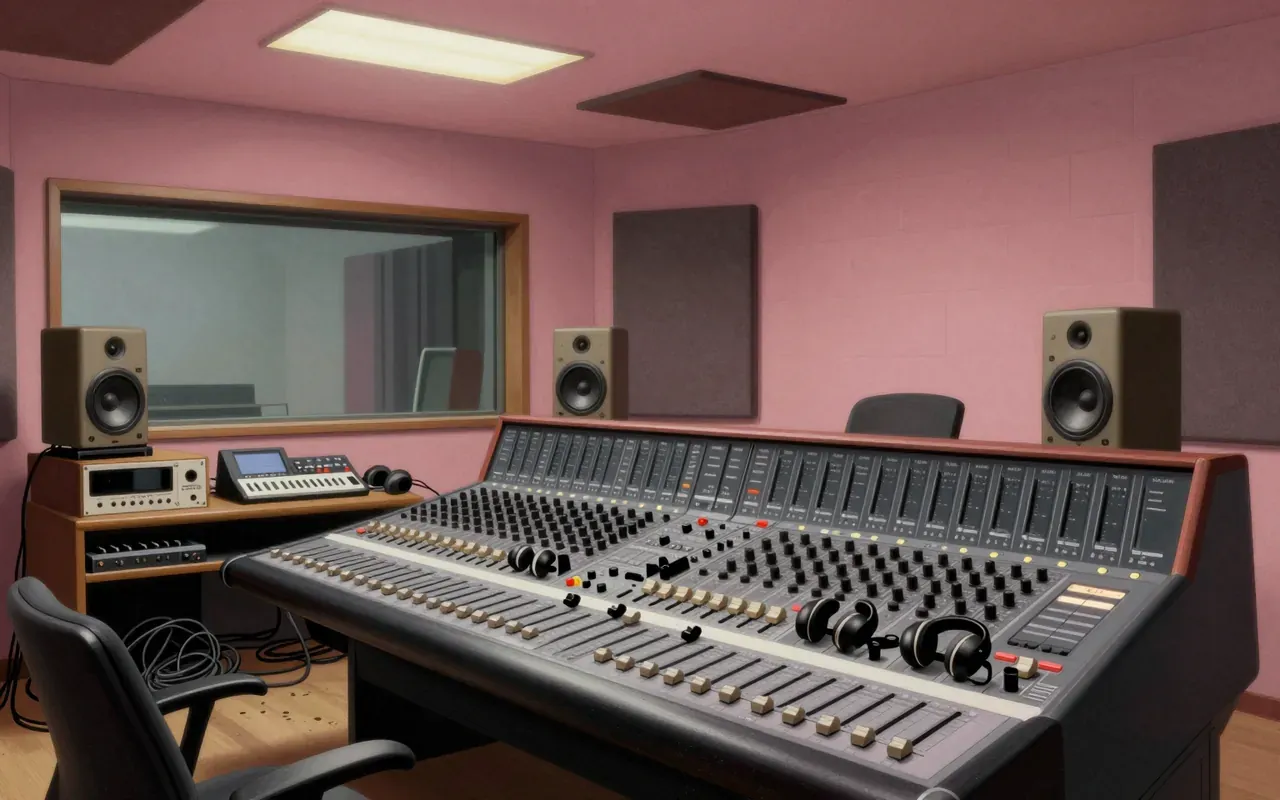
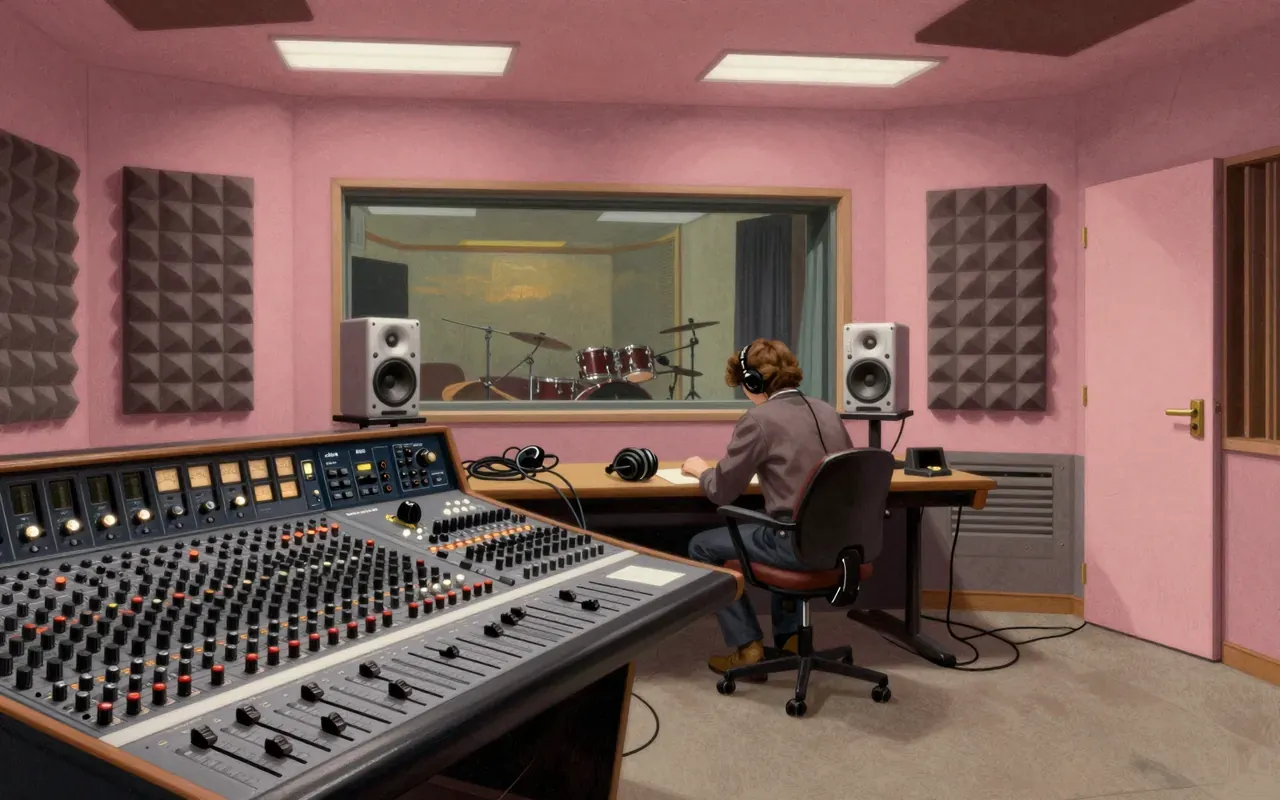
It sounds like a mobile studio captured in a Welsh manor and a bathroom: Helios console, 3M 24-track recorders, Lockwood monitors, A62 Studer machines. Drums are tighter and more present than before. Vocals were treated with space—recorded in a cowshed two miles away and a bathroom—creating distinct room tones. Instrumental backing came from jam sessions, not pre-written parts. No pastoral English motifs remain; instead, American urban textures, abrupt shifts, and experimental instrumentation dominate.
What lands
The vocal textures land—Gabriel’s voice pushed into bathroom reverb, cowshed distance, and Eno’s ‘Enossification’. Collins’ drums land—sharper, more urgent, less ornamental than before. The shift from pastoral Englishness to jagged American imagery lands—Broadway is concrete, not metaphor.
What does not
It does not cohere as a unified story. It does not sustain emotional continuity across its 95 minutes. It does not privilege melody over disjunction. It does not resolve its central questions—only circles them, repeats them, fractures them.
The ideas inside it
A surreal, fragmented journey of self-discovery in New York City. It treats identity as unstable, myth as manufactured, and trauma as recursive. The American setting is literal but alienating—not celebratory, not satirical, just the ground where Rael stumbles, slips, and dissolves.
Who should hear it, and who should not
Listeners who value sonic experimentation over narrative legibility. Fans of studio-as-instrument thinking. Anyone curious how internal friction reshapes a band’s sound. Not for those who need clear arcs, consistent tone, or shared authorship.
Is it worth your time
Yes—if you want to hear how Genesis tightened their sound while stretching their narrative ambition. No—if you expect cohesion, lyrical clarity, or consistent instrumental authorship. It rewards attention to texture and tension, not comfort or resolution.