What the record is and where it came from
It is Yo La Tengo’s eighth studio album, released on April 22, 1997, via Matador Records. It follows Electr-O-Pura (1995) and marks the culmination of their trio’s chemistry with bassist James McNew and producer Roger Moutenot, who also produced Painful (1993) and Electr-O-Pura.
How it sounds, and how it was made
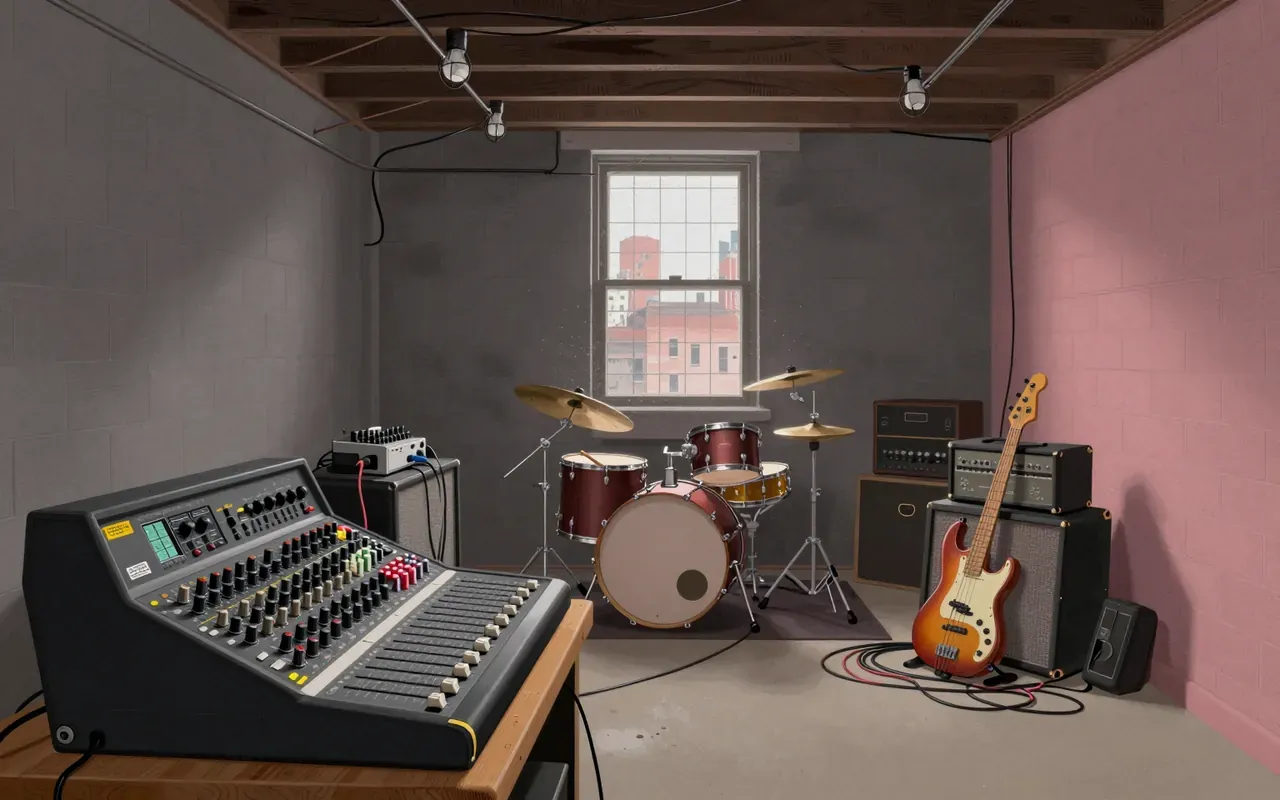
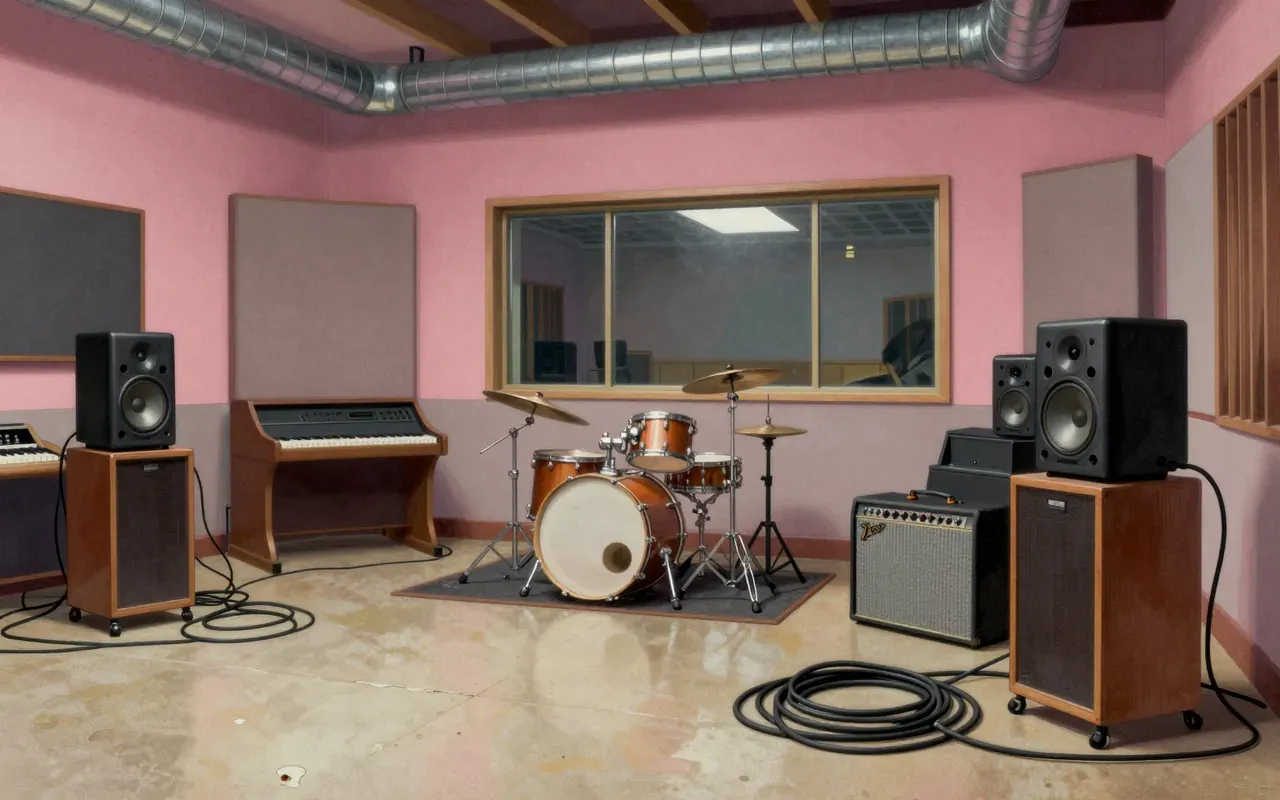
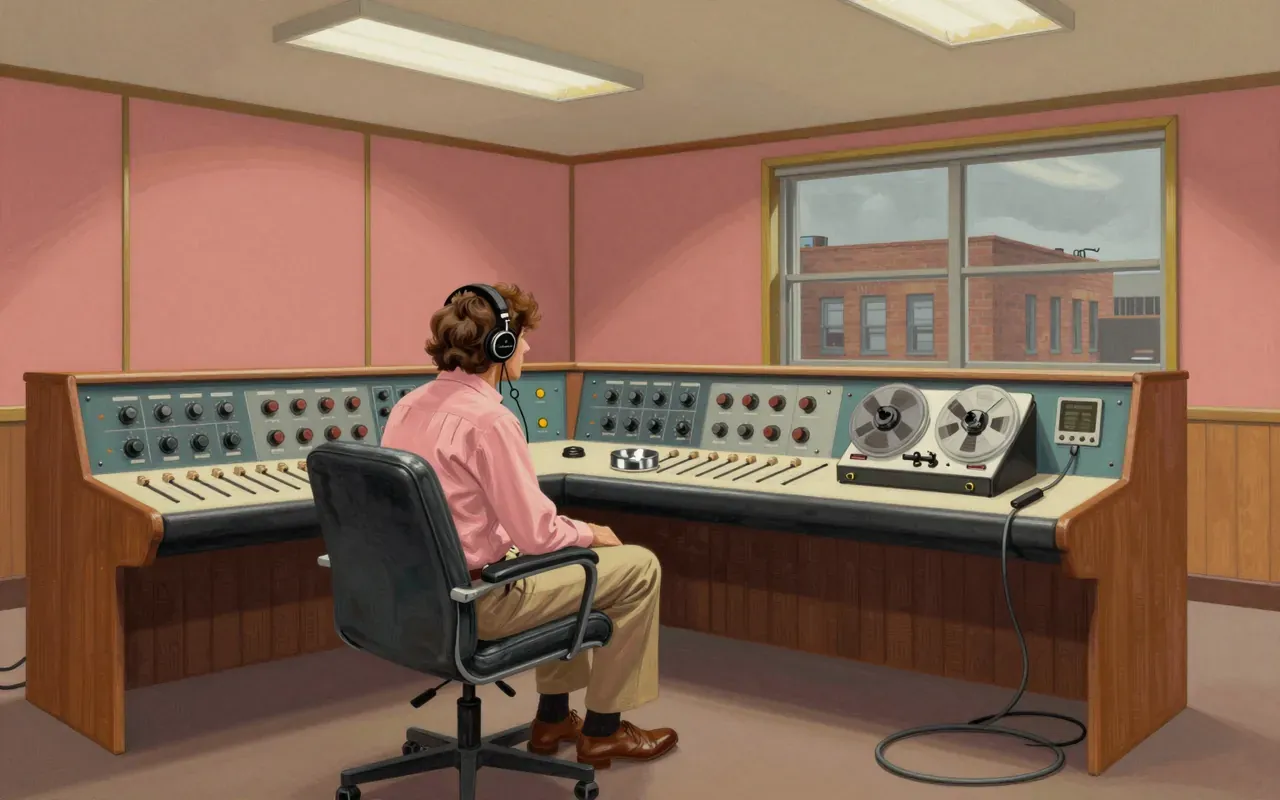
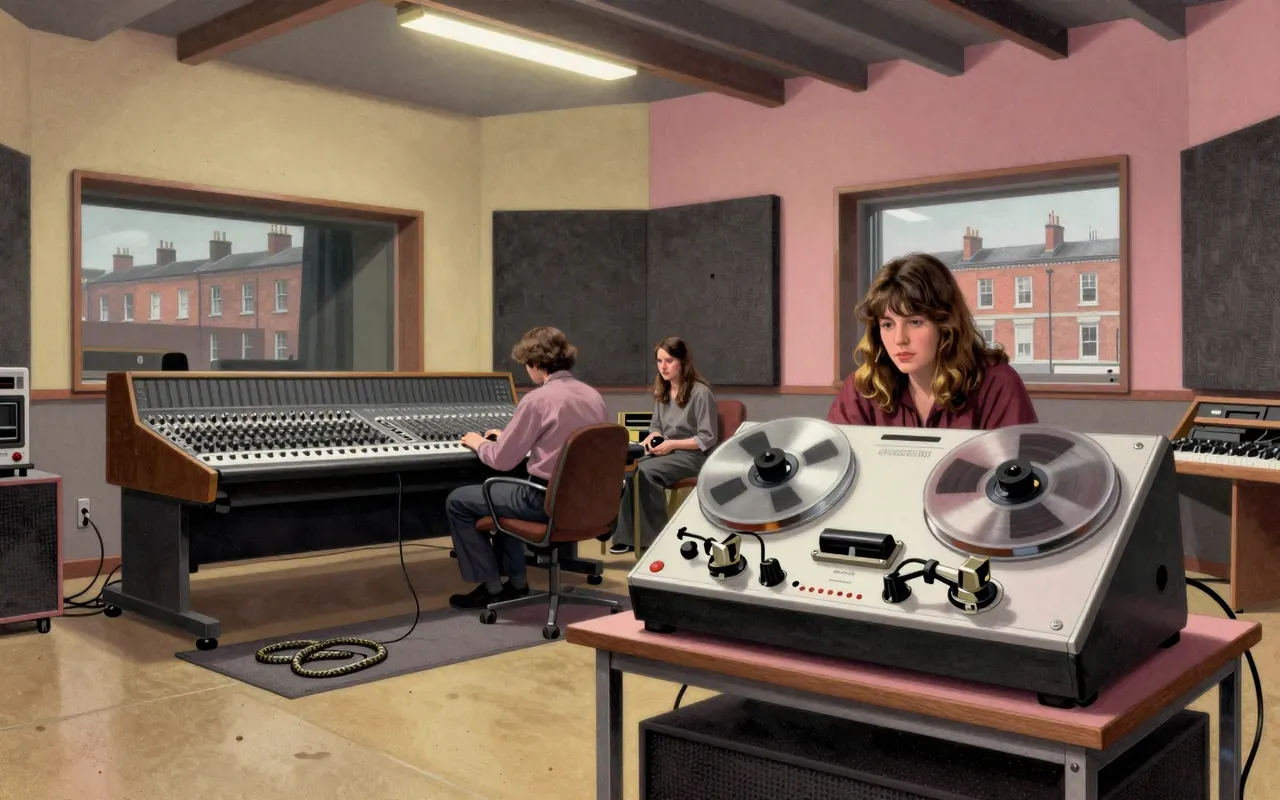
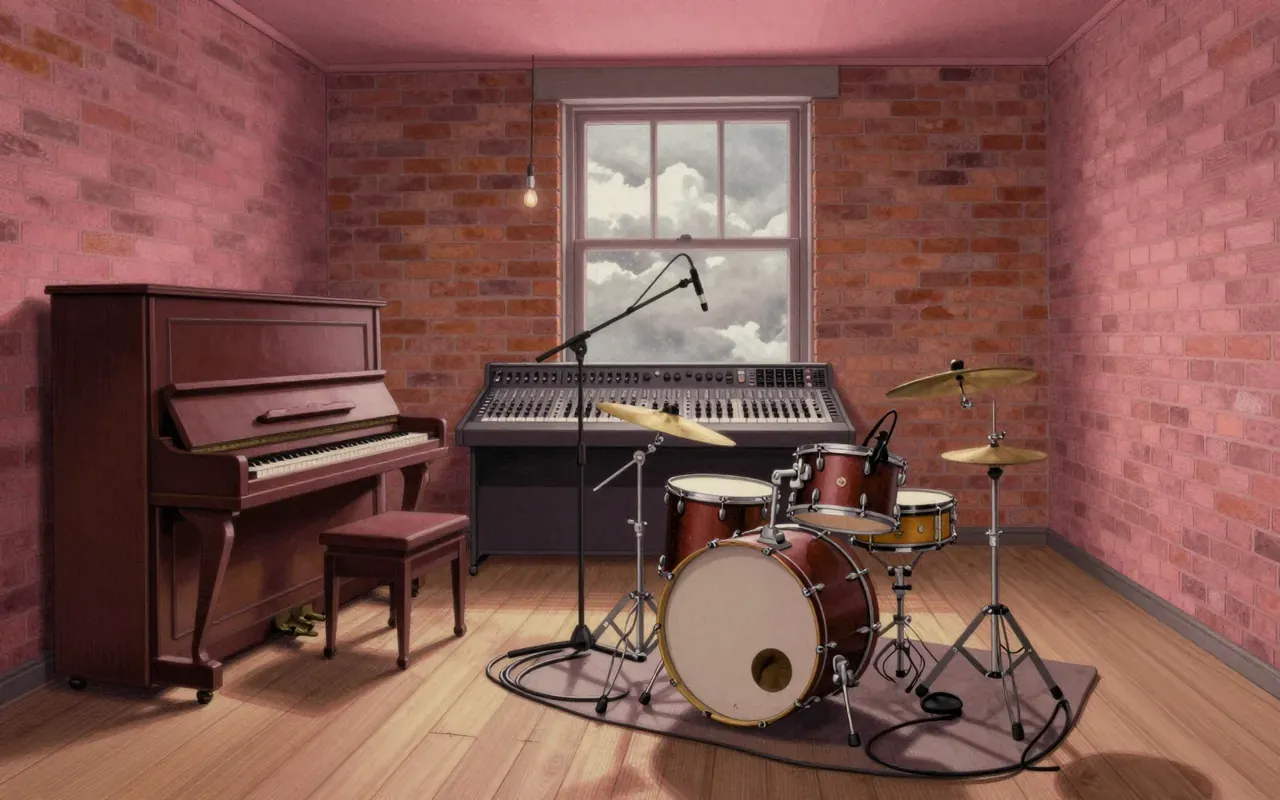
It sounds like a band moving between rooms in a Nashville studio: fragile ballads, dissonant jams, bossa nova, krautrock, electronic grooves, trip hop, psychedelic folk, and jazzy improvisation. It was made in an immersive, extended session at House of David in Nashville with producer Roger Moutenot. The band worked for a long time in isolation, writing incrementally and deciding what felt right in the moment. There is ambiguity over whether it was recorded on ADAT or a 24-track Studer — the documentation conflicts.
What lands
The contrast between brevity and sprawl lands. ‘Return to Hot Chicken’ (1:39) opens the record with clipped guitar and dry snare before ‘Moby Octopad’ (5:49) unfolds into slow-jazz space. ‘Autumn Sweater’ lands its electronic groove with bass synth and brushed snare. ‘Center of Gravity’ lands bossa nova with nylon-string guitar and soft vocal interplay. ‘We’re an American Band’ lands as psychedelic folk — not a rock cover, but a re-imagining.
What does not
It does not resolve tension. It does not privilege clarity over texture. It does not separate song from noise — ‘Spec Bebop’ is a 10-minute instrumental jam placed mid-album like a hinge, not an afterthought. It does not treat cover versions as nostalgia: ‘Little Honda’ is retained because the take was strong, not because it’s a relic.
The ideas inside it
It explores love, communication failure, empathy, and captivity. Kaplan’s debut falsetto blurs with Georgia Hubley’s voice, making intimacy sound unstable. The title comes from an unnamed film — evocative but semantically open-ended. Lyrics avoid exposition; they sit inside feeling, not outside it.
Who should hear it, and who should not
People who listen to records as environments — not playlists. People who care how a snare sounds in a room, not just what it plays. People who want music that refuses to settle into one tone, one tempo, one emotional register. Not people who need immediate hooks or linear narratives.
Is it worth your time
Yes. Its sprawl is intentional, not indulgent. The 16-track sequence holds attention because each shift in style is grounded in instrumental logic — not genre tourism. You hear the room’s weight in the drums on ‘Shadows’, the tape-saturation on ‘Damage’, the live bleed in ‘Spec Bebop’.