musicbriefs
Topic

Class

Rank, money and manners, and who is permitted to move between them.

19
in music
10:40
average
203 min
in total
485
across the network
Class across the network →
All briefs19
9:55

Pure Heroine

Lorde · 2013

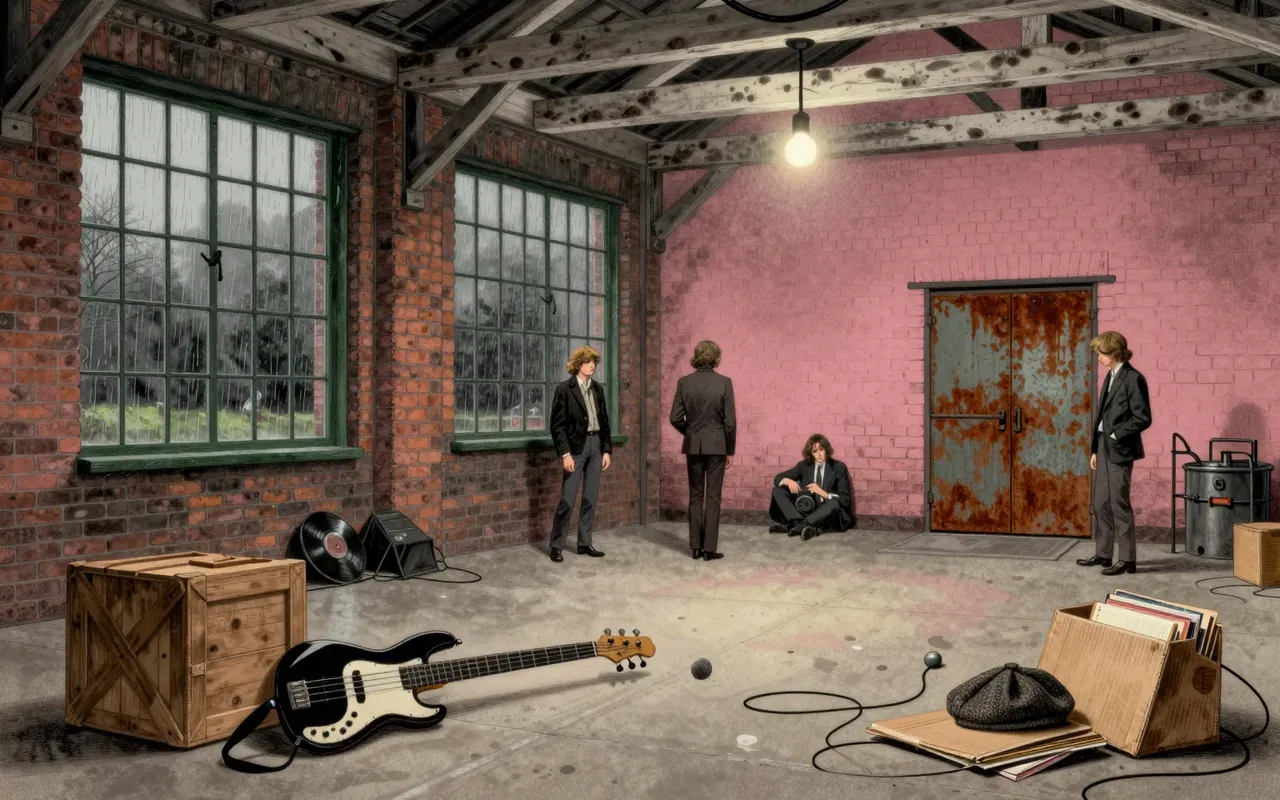
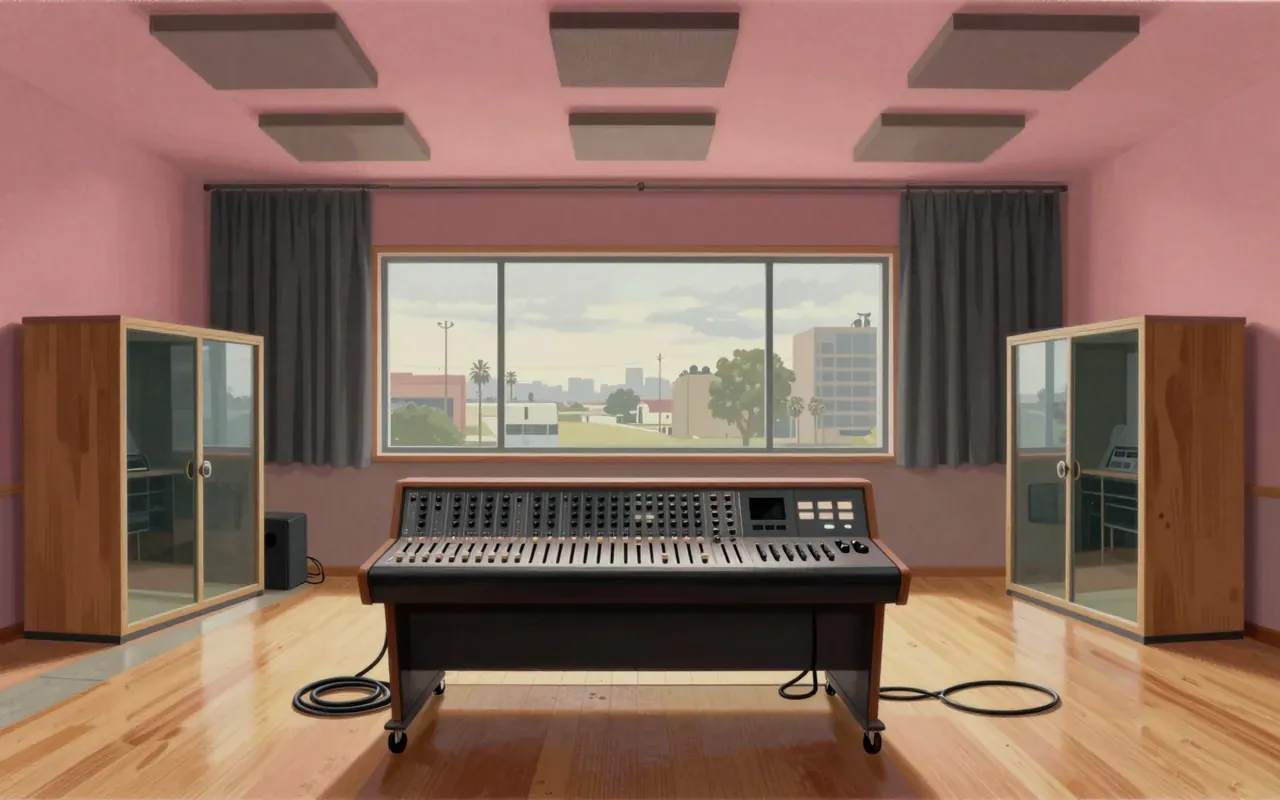
Pure Heroine is a tightly controlled, ten-track electropop record made in under a year at Golden Age Studios in Auckland. It uses deep bass, programmed beats, and Lorde’s voice as its only melodic and rhythmic anchors. Its themes—suburban teenage disillusionment, consumer culture, social status—are delivered without resolution or ornament. It landed four singles, won the 2014 Taite Music Prize, and helped define ‘whisperpop’ as a production ethos. It is not experimental in form, nor indulgent in texture—it is precise, economical, and unsentimental.
9:24

All Mod Cons

The Jam · 1978

All Mod Cons is a re-recorded crisis album that treats the UK as a series of locked rooms — and makes every key turn with purpose.

9:14

channel ORANGE

Frank Ocean · 2012

Channel Orange is Frank Ocean’s 2012 debut studio album, written in two weeks with producer Malay and recorded at EastWest Studios in Hollywood. It abandons sampling in favour of live instrumentation — keyboards, guitars, layered vocals, ambient noise and film dialogue — and draws on soul, funk, jazz and electronic music. Its songs tell specific stories about unrequited love, class, drugs and identity, anchored by precise sonic choices: falsetto, room tone, abrupt silences, and unconventional structures. It won Best Urban Contemporary Album at the 55th Grammys and was named best album of 2012 in HMV’s Poll of Polls.

10:00

Definitely Maybe

Oasis · 1994

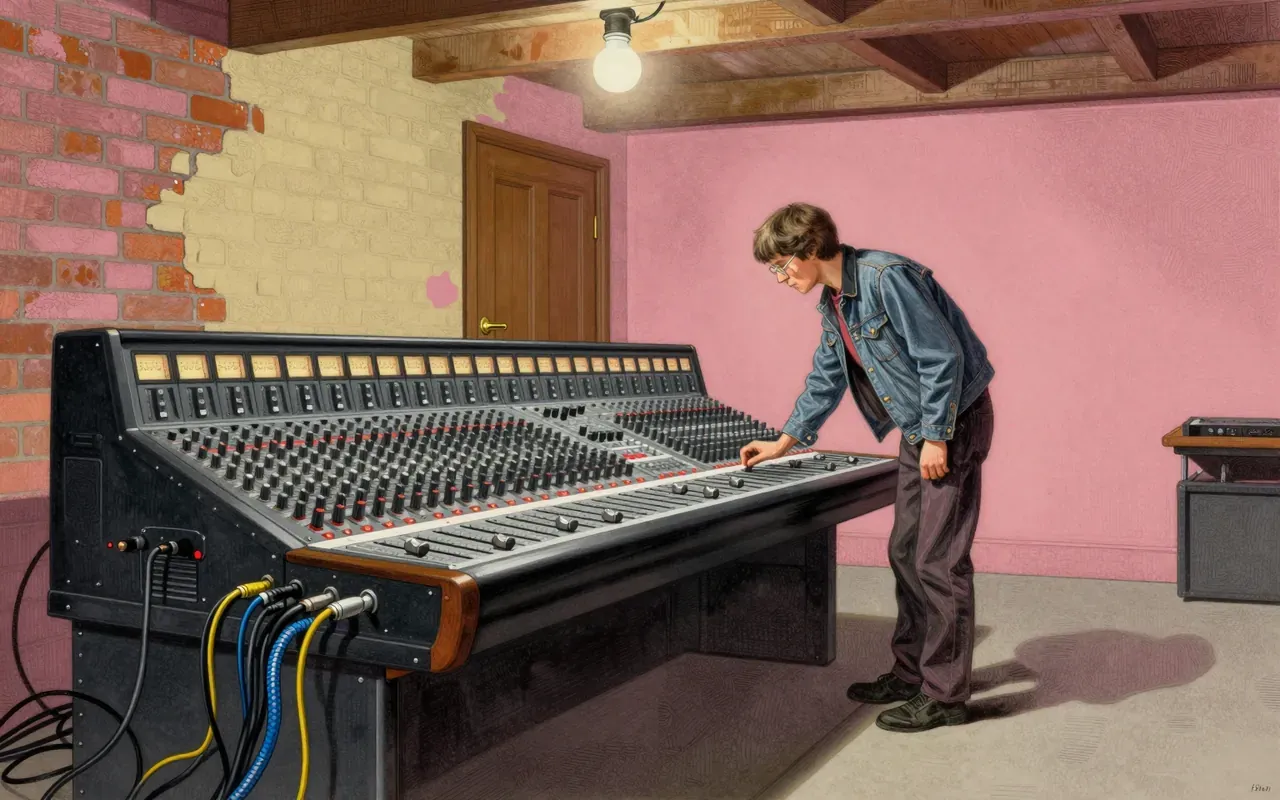
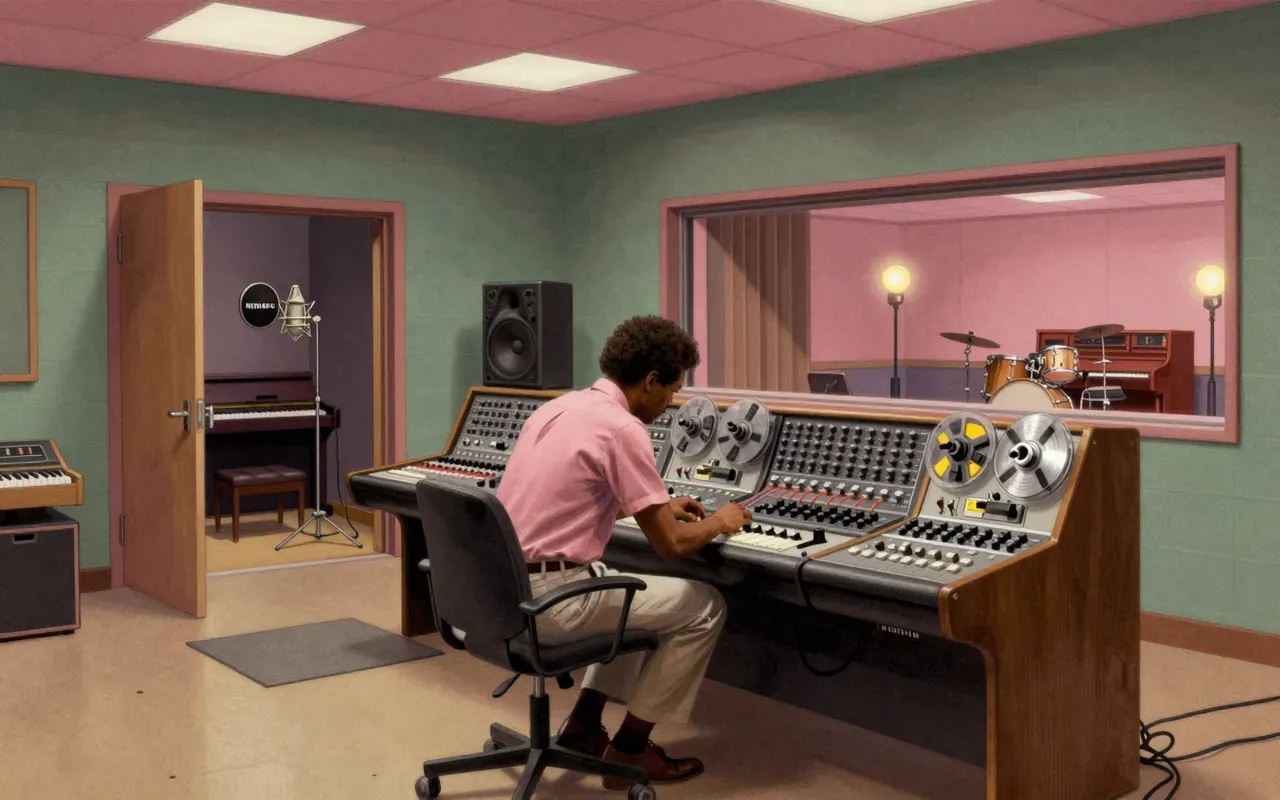
Definitely Maybe is a foundational Britpop record whose sonic identity comes from deliberate studio choices—not performance revision. Its power lies in compression, tape delay, bass filtering, and selective guitar layering. It was made across three studios, with Owen Morris finalising the mix on a Neve console in London. It features all five original members, with Tony McCarroll on drums—the only Oasis album to do so. It rejects grunge’s nihilism, favouring anthemic melodies and unpolished charisma. Its abrasion is intentional, its urgency palpable.

10:50

Different Class

Pulp · 1995

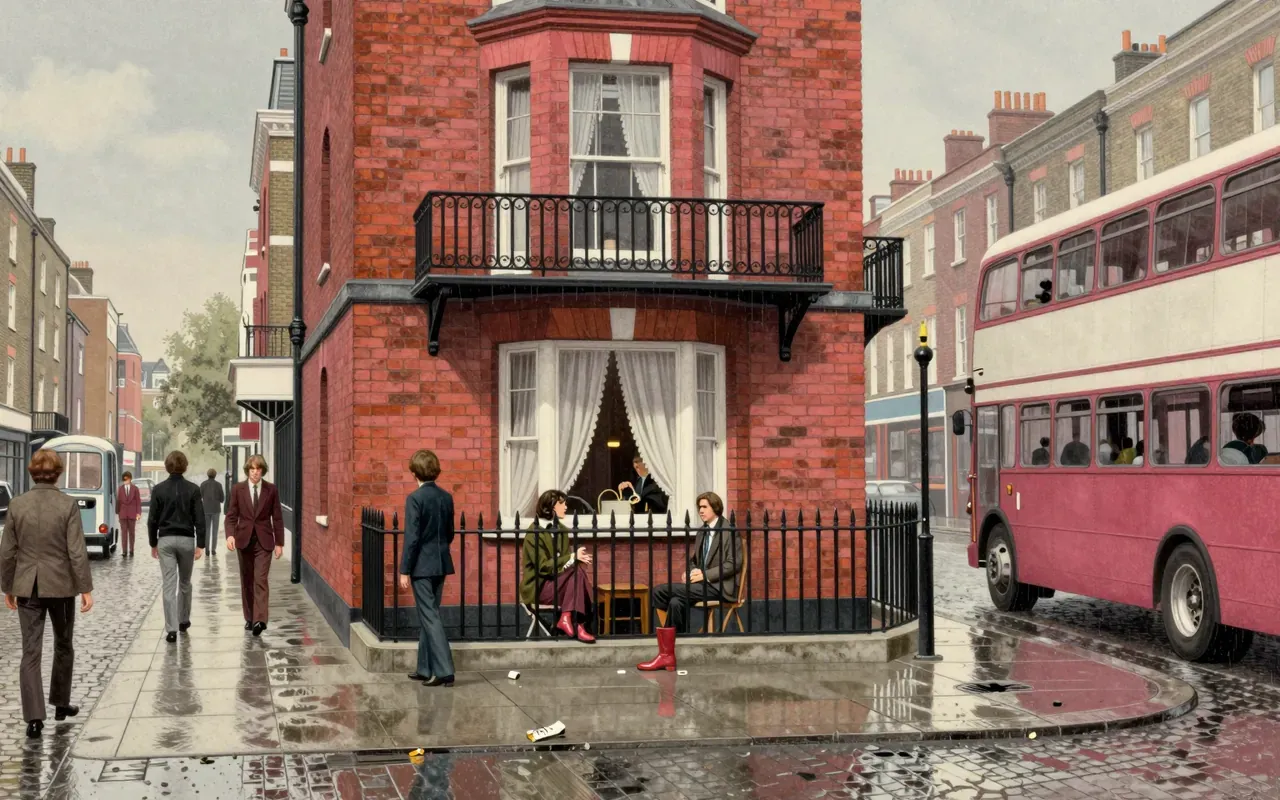
Different Class is Pulp’s fifth studio album, released in 1995. Its title came from a phrase Jarvis Cocker heard at Smashing, a club night in Eve’s Club on Regent Street in London. The sleeve design was by Blue Source and featured six double-sided inserts in initial pressings—cardboard cutouts of the band in staged scenarios. The cover photograph was taken at Dom O’Connor’s self-organized wedding, facilitated through a photographer who had previously worked with Blur and Elastica. The album’s back cover reads: 'We don't want no trouble, we just want the right to be different. That's all.'

9:38

Face to Face

The Kinks · 1966

Face to Face is The Kinks’ fourth studio album, released on 28 October 1966. It marks a stylistic departure from beat music toward baroque pop and music hall. It is their first album of entirely original material and has been regarded as one of rock’s earliest concept albums — unified by Ray Davies’ observational and satirical songwriting about English culture, class, and the music industry. Recording occurred after Davies’ nervous breakdown and amid personnel instability. Nicky Hopkins contributed piano and harpsichord. The album reached

10:38

Good Old Boys

Randy Newman · 1974

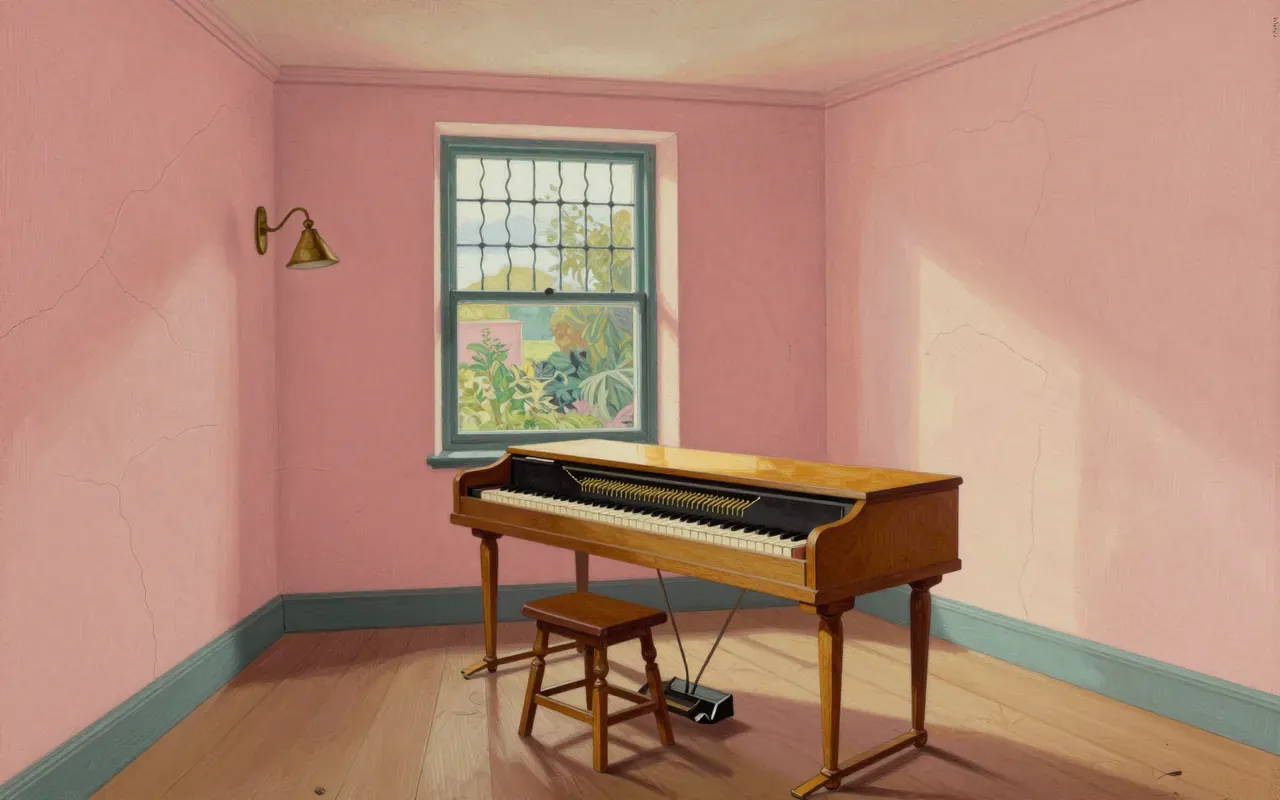
Good Old Boys is a piano-led, lyric-first concept album about the American South, built from irony, historical reference, and vocal ambiguity—not sonic spectacle. It trades resolution for resonance, and clarity for complicity.

9:18

John Lennon/Plastic Ono Band

John Lennon · 1970

John Lennon/Plastic Ono Band is a 1970 solo debut shaped by primal therapy. Recorded at Abbey Road Studios in September–October 1970 with Ringo Starr, Klaus Voormann, and co-producers John Lennon, Yoko Ono, and Phil Spector. Its lyrics confront childhood trauma and psychological suffering. Its sound is raw and minimalist—guitar, bass, drums, voice—recorded live with no overdubs or effects. It features 'Mother', 'Working Class Hero', and 'God'. It was critically acclaimed but commercially limited by its starkness and confrontational content. It established the template for emotionally unfiltered rock autobiography.

12:50

New Boots and Panties!!

Ian Dury · 1977

New Boots and Panties!! is Ian Dury’s 1977 debut solo album on Stiff Records. It was written nearly a year earlier at Oval Mansions in Kennington, in partnership with Chas Jankel, and co-written on some tracks with Steve Nugent. It followed Dury’s August 1977 Stiff debut single ‘Sex & Drugs & Rock & Roll’. It was recorded in mid-1977: demo tapes in April at Alvic Studios in Wimbledon, final tracking one week later at the Workhouse Studio. Blackhill Management funded the £4,000 budget.

12:10

Original Pirate Material

The Streets · 2002

A solitary, resourceful act of creation in a Brixton bedroom — no studio, no band, no analogue gear — that redefined British hip-hop by grounding it in place, process, and vernacular truth.

8:02

The World Is a Ghetto

War · 1972

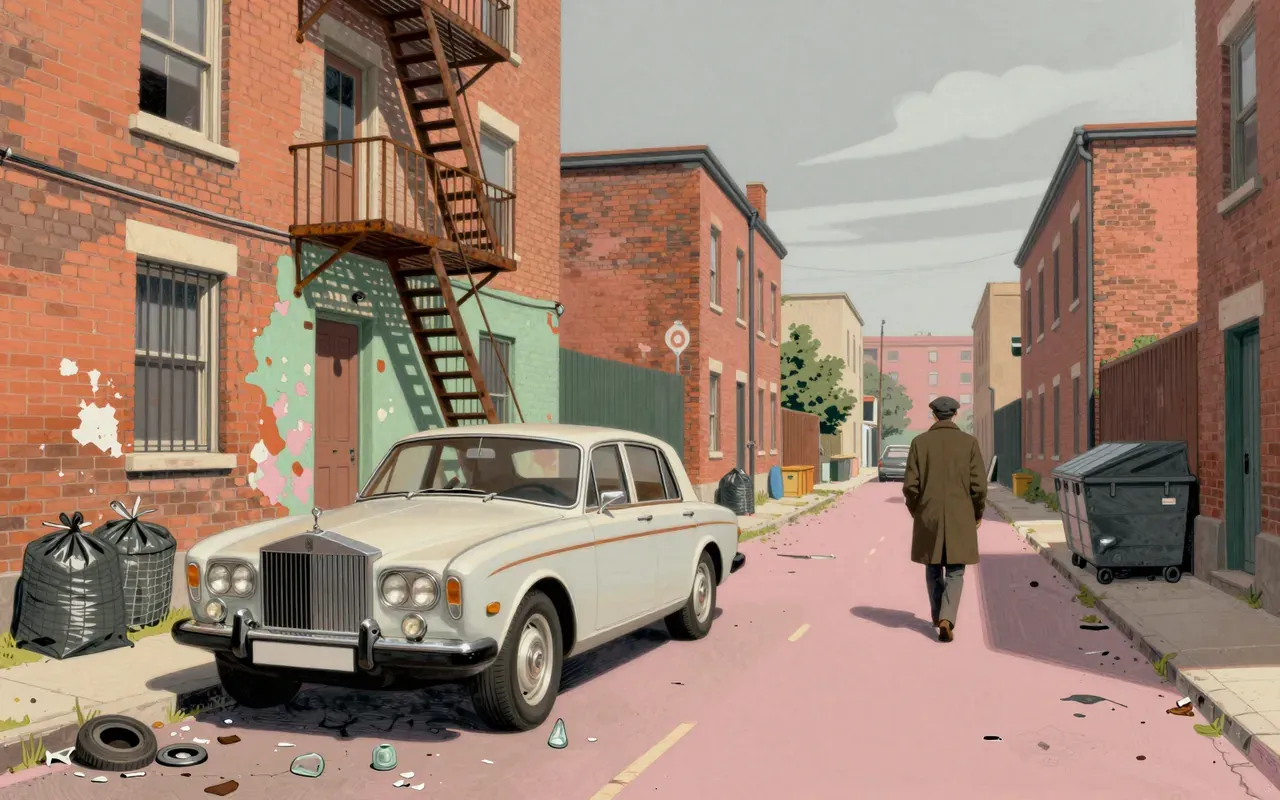
The World Is a Ghetto is War’s fifth studio album, released in late 1972 on United Artists Records. It synthesises soul, funk, blues, and psychedelia with production likened to Curtis Mayfield’s Curtis and Marvin Gaye’s What’s Going On. Its cover—a flat-tyred Rolls-Royce in a ghetto—uses a blue-and-black palette to reflect its melancholy character. Critics noted its conceptual ambition but divided on pacing: Gordon Fletcher praised its mastery in communicating ghetto life; Robert Christgau dismissed it as 'blackstrap-rock'. It was originally issued in quadraphonic 8-track and reissued in Dolby Atmos for its 50th anniversary.

8:58

There’s No Place Like America Today

Curtis Mayfield · 1975

There’s No Place Like America Today is a 1975 Curtis Mayfield album that trades the thematic rigour of Back to the World for a series of grounded, mid-tempo soul statements about fatigue, faith, and economic strain. Its sound is clean, Chicago-rooted, and instrumentally specific—bass, wah guitar, horns, strings—but lacks a unifying production idea or narrative arc. It appears in film contexts far removed from its origin: 'Billy Jack' in Daft Punk’s Electroma, 'So in Love' across four adaptations spanning 56 years. It rewards attention to lyric and groove, not myth or momentum.

11:38

Tracy Chapman

Tracy Chapman · 1988

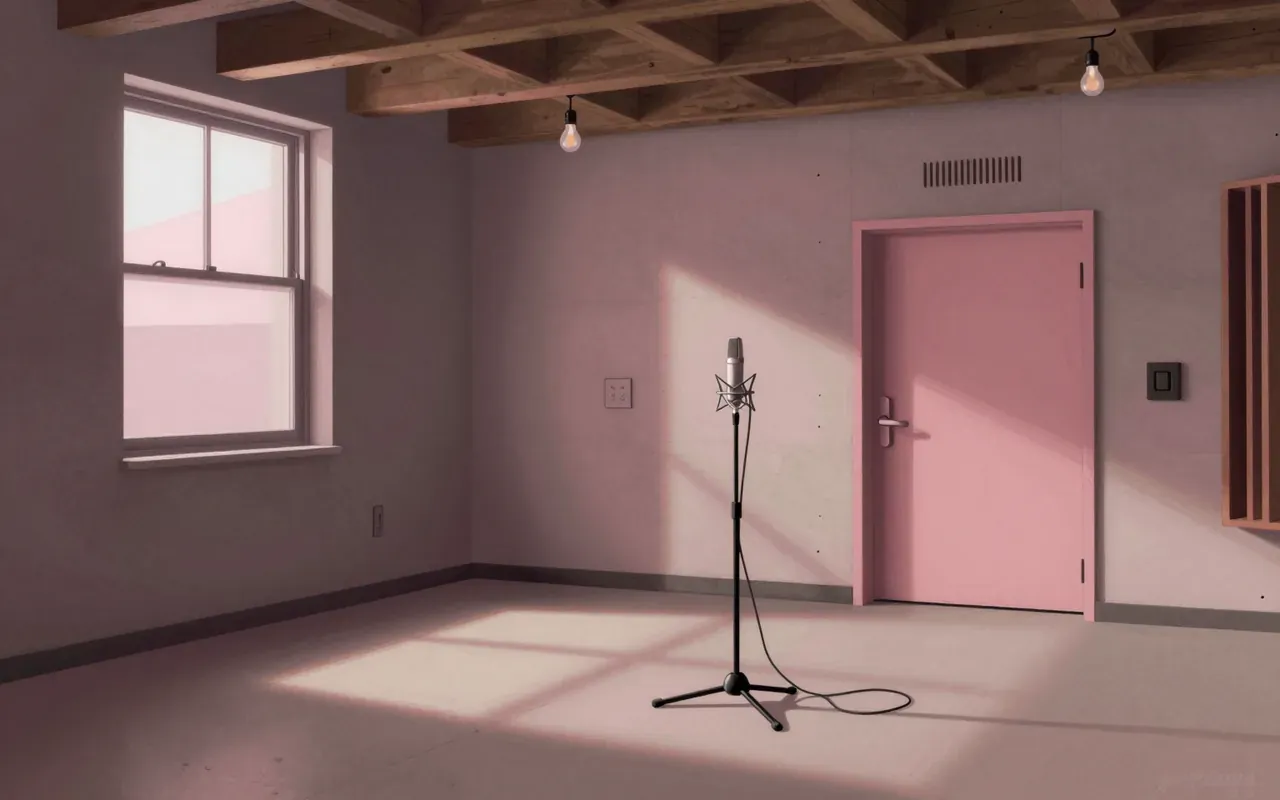
Tracy Chapman’s 1988 debut is a document of restraint: acoustic, unadorned, and built entirely around her voice and guitar. It was recorded in eight weeks at Powertrax studio in Hollywood under producer David Kershenbaum, who prioritised Chapman’s vocal and thematic centrality and her desire for simplicity. Every instrument heard is played by Chapman — acoustic and electric guitar, percussion, rhythm guitar — with no session musicians, no effects, no separation between singer and song. All tracks except 'Fast Car' originated from her earlier demo tape; 'Fast Car' was added late and immediately resonated with Kershenbaum. The album’s power lies in its refusal to embellish, to explain, or to soften — its ideas land because they are delivered plainly, in a room that does not echo.

11:07

Willy and the Poor Boys

Creedence Clearwater Revival · 1969

Willy and the Poor Boys is a tightly wound, politically charged, sonically lean rock record rooted in American vernacular — jug-band instrumentation, Lead Belly covers, Oakland geography, and John Fogerty’s singular voice as writer, singer, guitarist, and producer.

10:57

Darkness on the Edge of Town

Bruce Springsteen · 1978

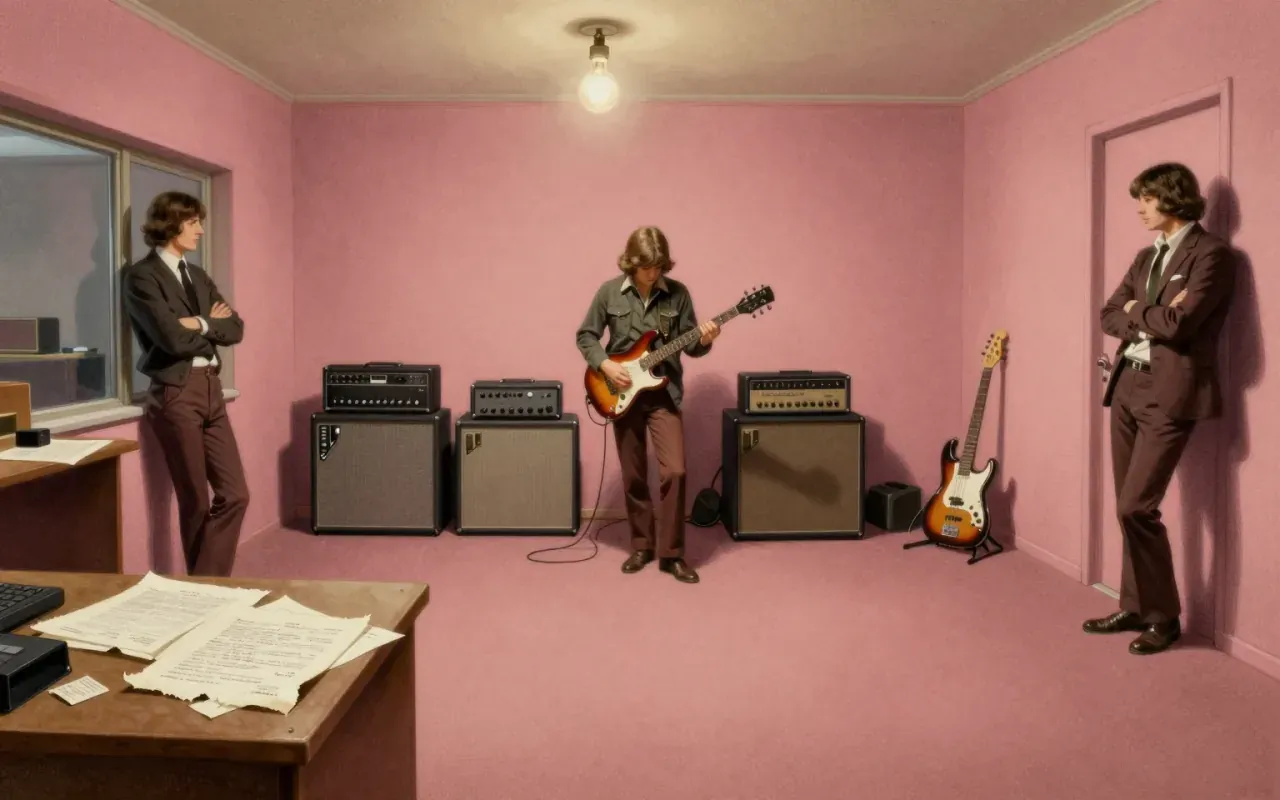
Darkness on the Edge of Town is a 1978 rock record by Bruce Springsteen, recorded live with the E Street Band in New York City between June 1977 and March 1978. It follows a legal settlement with manager Mike Appel. Springsteen and Jon Landau produced it; Steven Van Zandt assisted on arrangements. The album rejects the layered ‘Wall of Sound’ of Born to Run for a rawer hard rock approach. Its lyrics focus on ill-fortuned people who fight back against overwhelming odds. Recording was hindered by carpeted floors at the Record Plant that muffled resonance. The band moved quickly between songs, often recording them shortly after Springsteen wrote them.

8:59

undun

The Roots · 2011

Undun is a reverse-chronological hip-hop concept album about Redford Stevens, a fictional man whose life ends before it begins. Recorded in Philadelphia and New York City, produced by Questlove, it uses neo soul and indie textures played live by The Roots’ full band—including sousaphone, guitar, and keyboards. Guest rappers and vocalists appear, but never as decoration: each voice marks a pivot in Redford’s narrowing path. It refuses catharsis. It refuses explanation. It insists the tragedy is structural—not personal.

13:00

London Calling

The Clash · 1979

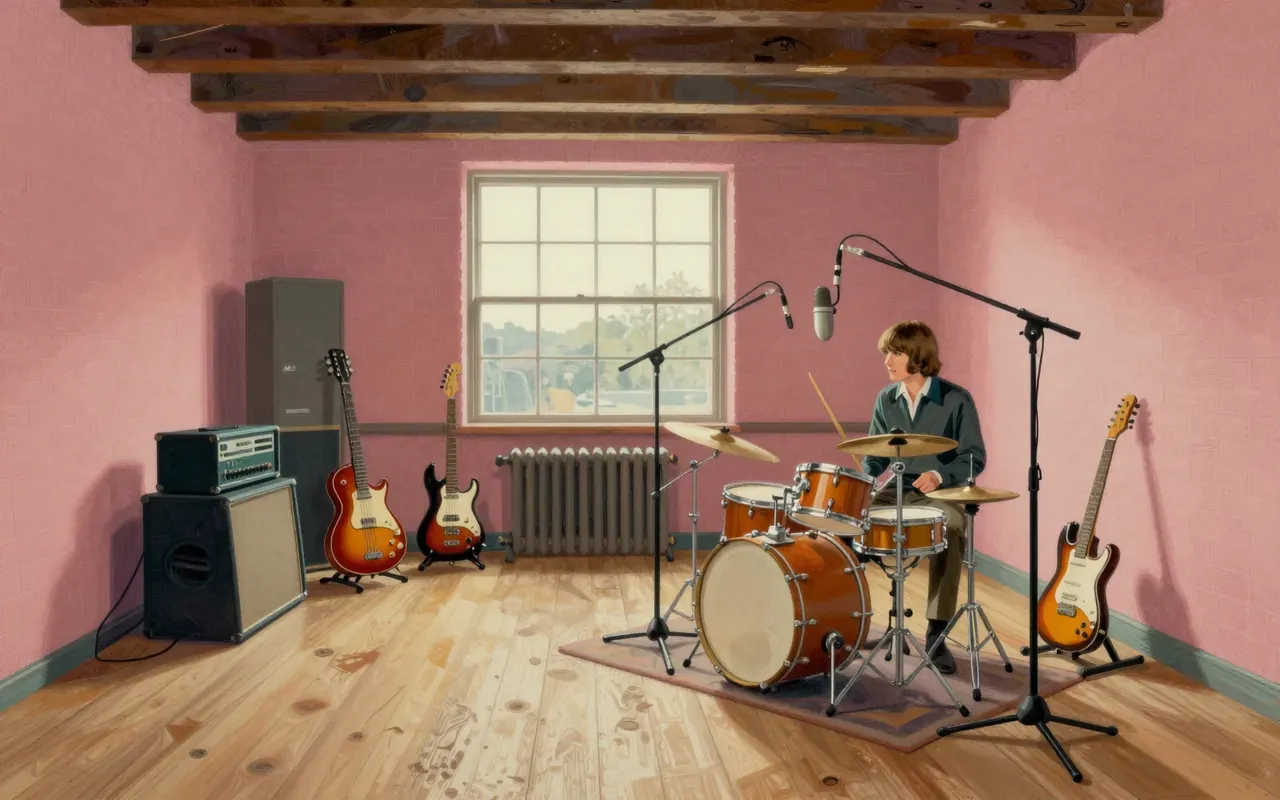
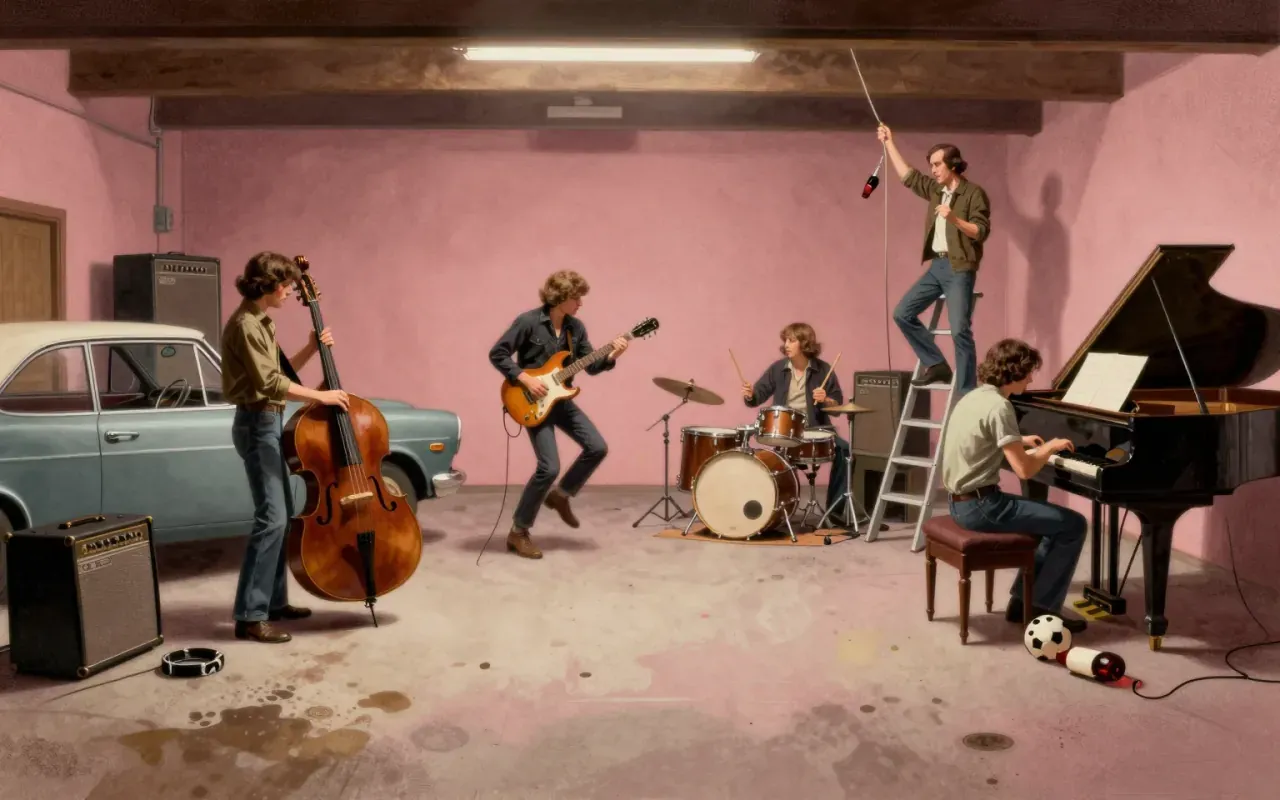
London Calling is the Clash's third album, an eighteen-song double LP recorded at Wessex Sound Studios over roughly six weeks in 1979 under producer Guy Stevens, with Bill Price engineering. After a year of writer's block, the band rehearsed in a Pimlico garage and returned with material stretched across reggae, rockabilly, ska and American R&B rather than straight punk. Released in December 1979 in Britain, it sold at the price of a single record and has since sold several million copies worldwide.

13:00

Never Mind the Bollocks Here’s the Sex Pistols

Sex Pistols · 1977

Never Mind the Bollocks Here's the Sex Pistols is the only studio album by the Sex Pistols, recorded piecemeal at Wessex Sound Studios in London between 1976 and 1977 with producers Chris Thomas and Bill Price, and released by Virgin in October 1977. Glen Matlock wrote much of the material before quitting, Sid Vicious replaced him but barely played on the record, and guitarist Steve Jones ended up covering most of the bass parts himself. Retailers refused to stock it and some charts wouldn't print its title, yet it still went to number one.

13:00

The Queen Is Dead

The Smiths · 1986

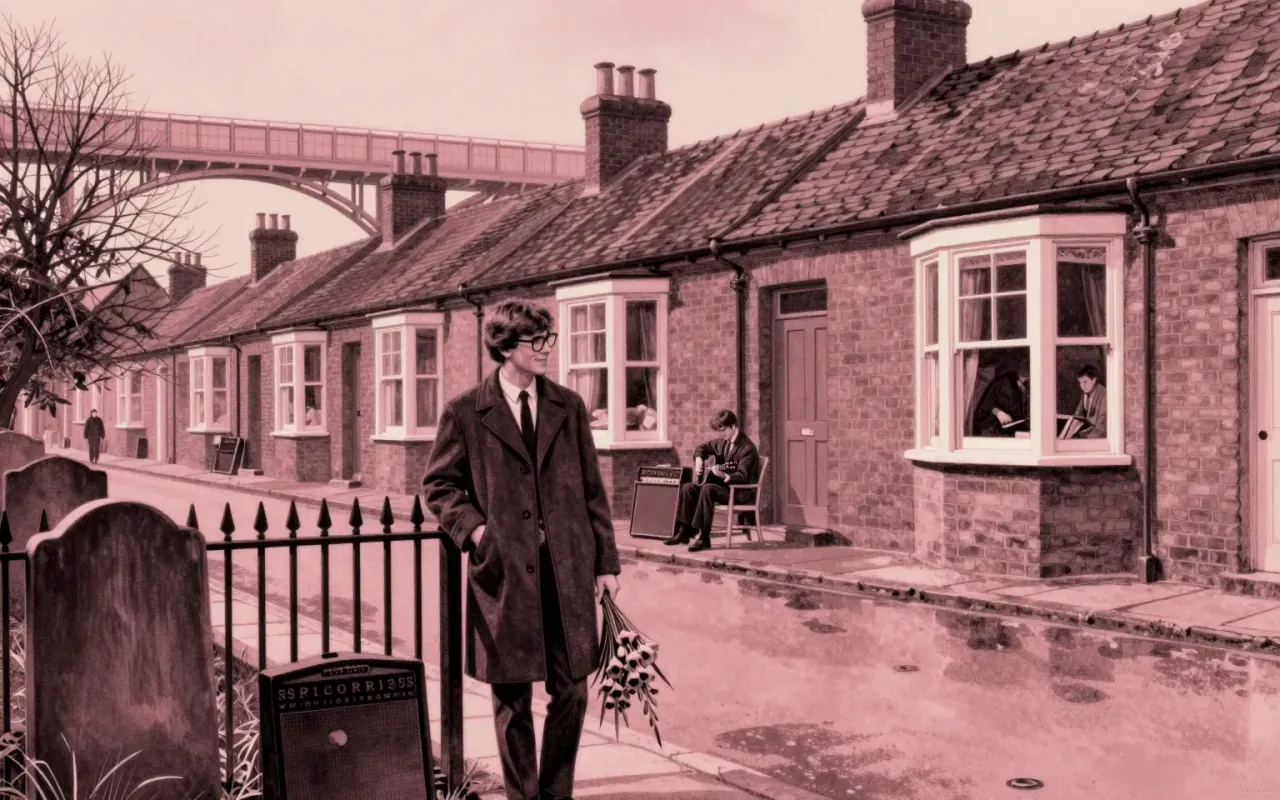
The Queen Is Dead is the Smiths' third album, written mostly at Johnny Marr's house in Bowdon and recorded across three studios between July and December 1985. Morrissey and Marr produced it themselves with engineer Stephen Street. It mixes jangling guitar pop with pointed lyrics about class, fame and the monarchy, and became the record most often cited as the band's best - later named the greatest album ever made in one influential magazine poll, a claim that says as much about the band's reputation as the record itself.