musicbriefs
9:53in productionCh. 1 · Budget and Blueprint/ 9:53 · ceiling 15 min
Hip-hop

Late Registration

This isn’t hip-hop with strings tacked on — it’s hip-hop rebuilt from the floor up using a 20-piece orchestra as structural steel.

Late Registration is Kanye West’s second studio album, released in 2005. It marks a deliberate departure from the chipmunk soul of his debut, embracing orchestral arrangements, genre-blending instrumentation, and collaborative experimentation with Jon Brion. Recorded over slightly more than a year across multiple studios in New York and Hollywood, it cost $2 million — enabling West to hire a 20-piece string ensemble and experiment with unconventional instruments like celesta, harpsichord, and Chinese bells. Jon Brion joined in March 2005 after West scrapped 75% of the near-finished album, radically altering its direction. The record is defined less by lyrical cohesion or narrative arc than by its architectural approach to sound: building, dismantling, and rebuilding hip-hop with live instrumentation as structural material.

Chapters & takeaways4
  1. 1:17
    Budget and Blueprint

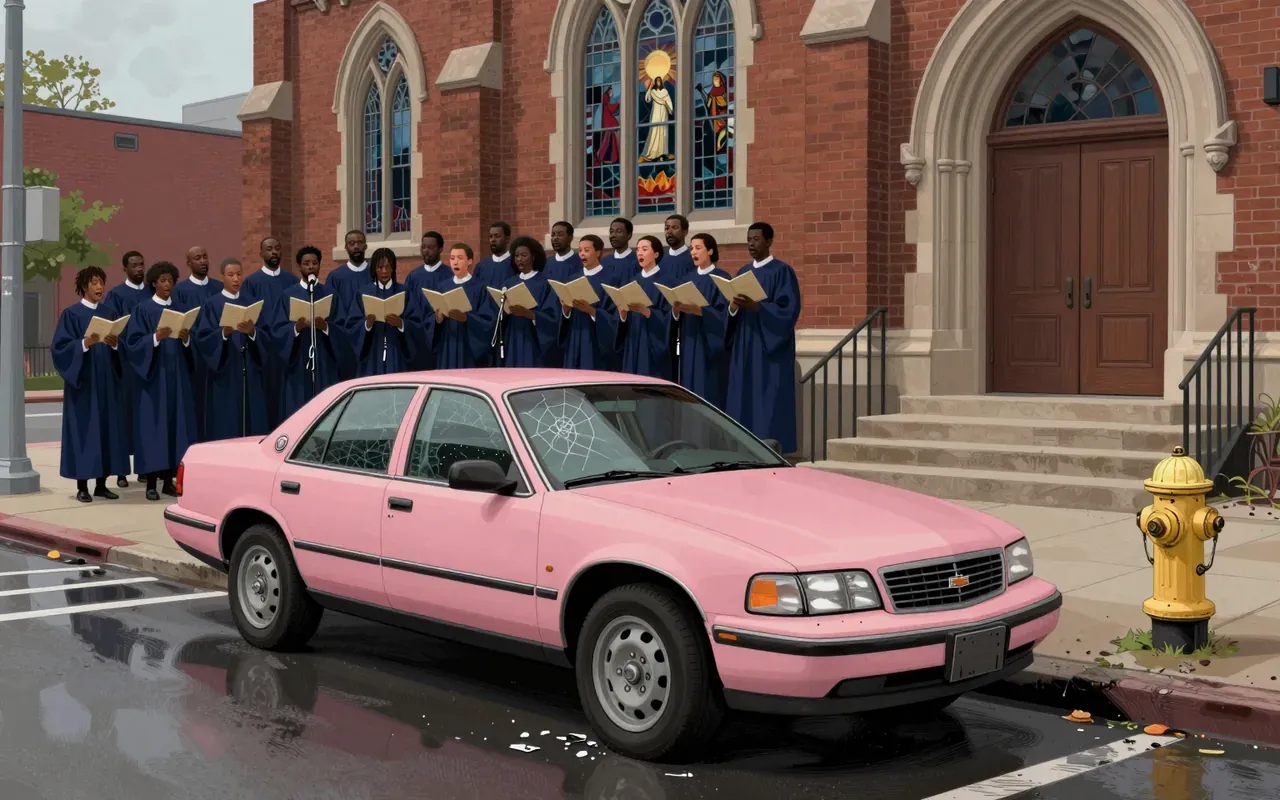
    Recorded over a year and $2 million across four studios, Late Registration was funded ambition made audible.

  2. 2:48
    Orchestra as Instrument, Not Ornament

    West swapped chipmunk soul for celestas, harpsichords, and Portishead-inspired strings — instruments chosen for texture, not novelty.

  3. 4:32
    Mid-Process Rebuild

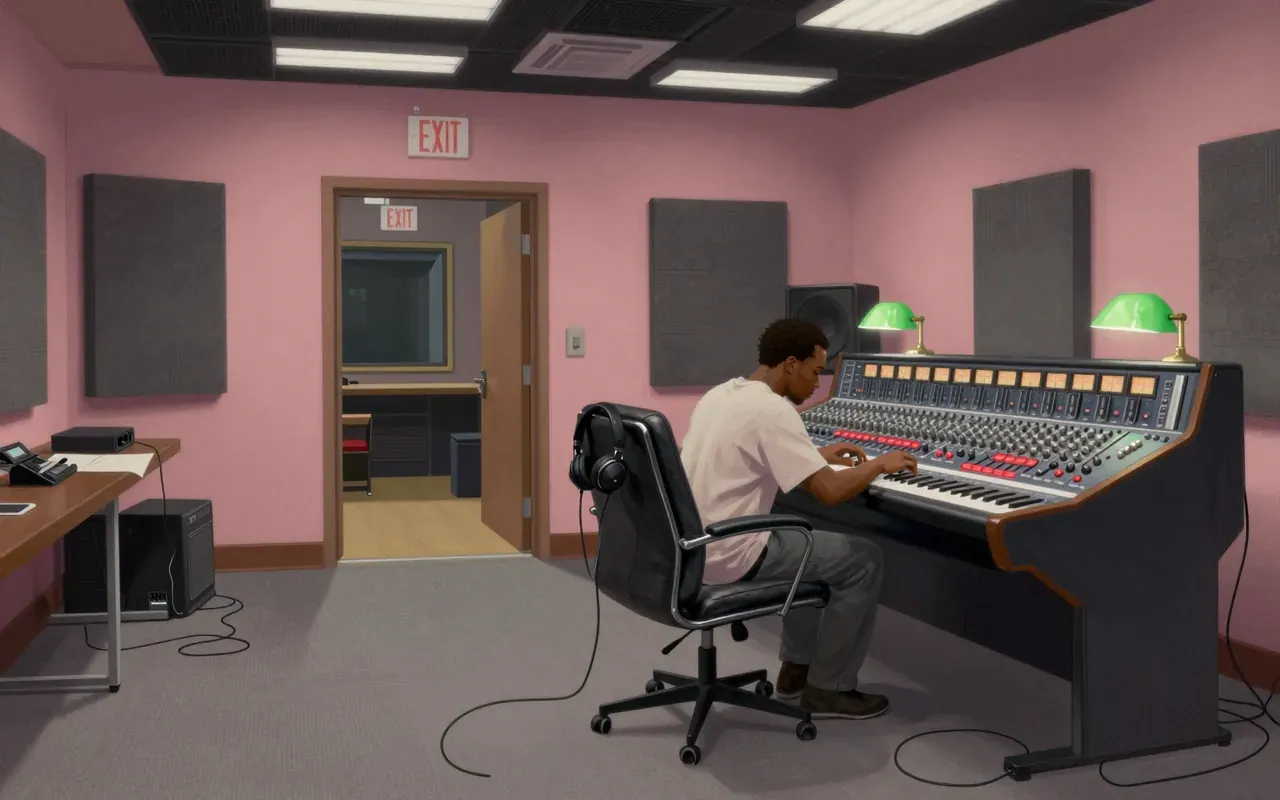
    Jon Brion didn’t polish — he pivoted. His March 2005 arrival scrapped 75% of what existed and redefined the album’s sonic architecture.

  4. 6:10
    Cost as Constraint and Catalyst

    $2 million bought time, space, and players — but not perfection. The cost shows in density, not polish.

Running order21
  1. 01
    Wake Up Mr. West0:41
  2. 02
    Heard ’Em Say3:24
  3. 03
    Touch the Sky3:57

    Heard in Laura's Star (2004)Brave (2012)

  4. 04
    Gold Digger3:28

    Heard in Eternal Sunshine of the Spotless Mind (2004)Ray (2004)Crazy Rich Asians (2018)

  5. 05
    Skit #10:34
  6. 06
    Drive Slow4:33
  7. 07
    My Way Home1:44

    Heard in Respect (2021)

  8. 08
    Crack Music4:31
  9. 09
    Roses4:06
  10. 10
    Bring Me Down3:19

    Heard in Furry Vengeance (2010)Super 8 (2011)When I Met U

  11. 11
    Addiction4:27

    Heard in American Pop (1981)Eternal Sunshine of the Spotless Mind (2004)Ray (2004)The Canyons (2013)

  12. 12
    Skit #20:31
  13. 13
    Diamonds From Sierra Leone (remix)3:53
  14. 14
    We Major7:29
  15. 15
    Skit #30:24
  16. 16
    Hey Mama5:05

    Heard in Bully (album)Girls Town (1959)

  17. 17
    Celebration3:18

    Heard in 12 Years a Slave (2013)The Great Gatsby (2013)Star Wars sequel trilogy (2015)Black Panther (2018)

  18. 18
    Skit #41:19
  19. 19
    Gone6:03

    Heard in American Psycho (2000)Fantastic Four (2005)The Hangover (2009)Crazy Rich Asians (2018)

  20. 20
    Diamonds From Sierra Leone3:59
  21. 21
    Late3:50

    Heard in Akira (1988)American Psycho (2000)The Hangover (2009)12 Years a Slave (2013)

Film placements are the ones described in each film's own entry, so the list is partial rather than complete.

Worth your time?

Yes. Hear the whole thing.

4/ 5
What works
  • Gold Digger
  • Diamonds From Sierra Leone
  • Hey Mama
What does not
  • chipmunk soul
  • minimalist production
  • lyrical density
  • narrative continuity
Hear it if
  • producers
  • hip-hop historians
  • orchestral arrangers
Skip it if
  • lyric-focused listeners
  • sample-purists
  • minimalist listeners
The written brief2 min read

What the record is and where it came from

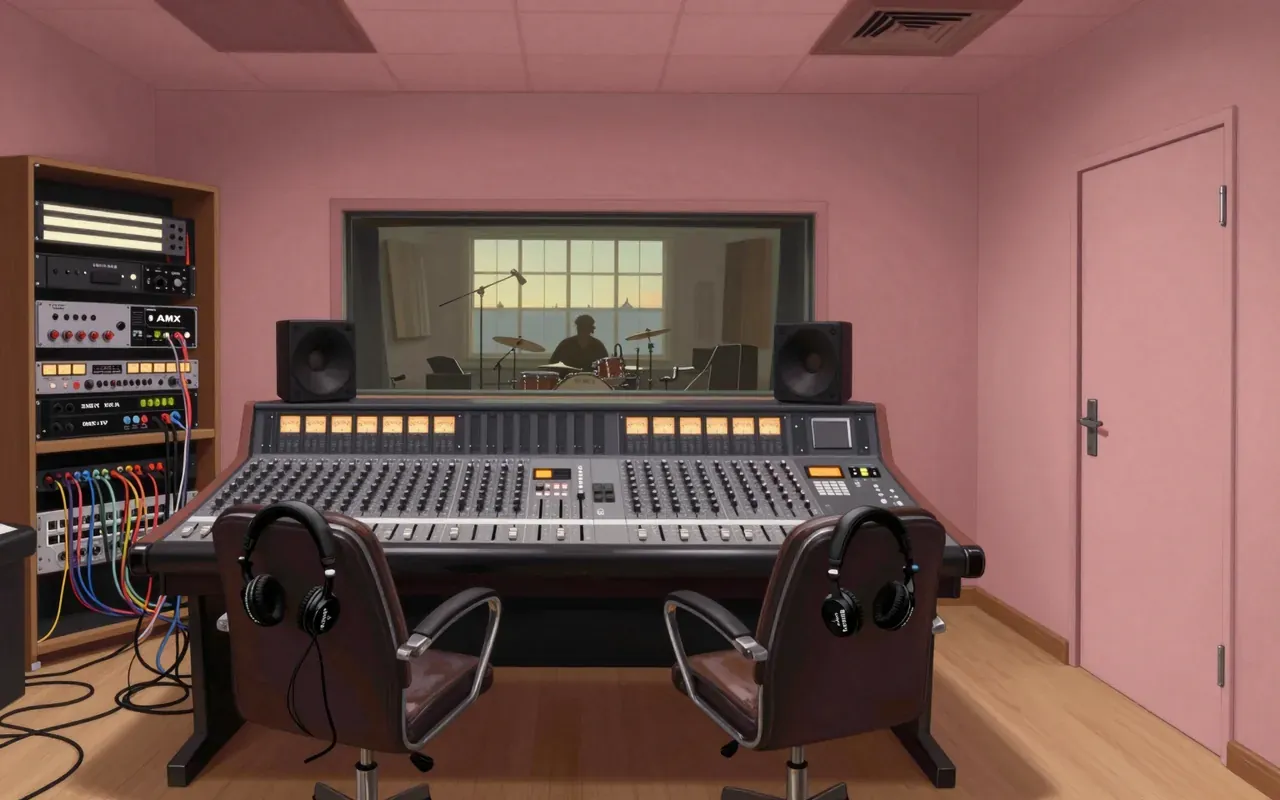
Late Registration is Kanye West’s second studio album, recorded over slightly more than a year with a $2 million budget across Sony Music Studios (New York), the Record Plant (Hollywood), Chalice Recording Studios, and Grandmaster Recording Studios.

How it sounds, and how it was made

It sounds like orchestral hip-hop built from samples and drum programming, then layered with live strings, celesta, harpsichord, and Chinese bells. West constructed basic structures first; Jon Brion added live instrumentation — including drums and strings — in exploratory sessions across studios in New York and Hollywood. The album uses a 20-piece ensemble, a luxury enabled by the commercial success of The College Dropout.

What lands

‘Gold Digger’ lands with its clipped vocal sample, brassy stabs, and Brion’s production lift. ‘Diamonds From Sierra Leone’ lands with its dual-tempo contrast and string swells. ‘Hey Mama’ lands with its piano-and-strings intimacy and unguarded vocal delivery.

What does not

It does not sustain momentum across all 21 tracks. Skits interrupt flow without thematic payoff. Several tracks rely on structural repetition rather than development. The orchestral palette is rich but not always integrated — sometimes it decorates rather than converses with the rap.

The ideas inside it

Ambition as process: revision, investment, collaboration, spatial thinking about sound. It treats hip-hop not as a closed form but as architecture — something to be entered, altered, and rebuilt mid-way through.

Who should hear it, and who should not

Producers interested in live-instrument integration. Listeners who value deliberate, expensive, collaborative revision over spontaneous first takes. Anyone tracking how hip-hop absorbed orchestral language post-2004. Not for those seeking lean, sample-only, or lyrically dense rap records.

Is it worth your time

Yes — if you want to hear hip-hop reconfigured through live orchestration and genre-blending experimentation, not nostalgia or mimicry. No — if you expect consistency, minimalism, or a return to chipmunk soul.
Same genre · Hip-hop4 of 56
11:19
AqueminiOutKast · 1998Aquemini is OutKast’s third studio album, released 29 September 1998. It was recorded primarily at Bosstown and Doppler Studios in Atlanta using live instrumentation, rotating session musicians, and extended jam-based composition. Big Boi and André self-produced most tracks, drawing on soul, trip hop, and electro textures — and reggae, via André’s constant listening to Bob Marley. The title merges their zodiac signs. It was certified double platinum and reached number two on the Billboard 200.
10:42
ASTROWORLDTravis Scott · 2018ASTROWORLD is Travis Scott’s third studio album, named after the defunct Houston theme park. Recorded between 2016 and 2018, final sessions took place in Hawaii with Mike Dean, Nav, Frank Dukes, Sonny Digital, WondaGurl, Sheck Wes, Gunna, Wheezy, Don Toliver, Allen Ritter and Amir 'Cash' Esmailian. Mike Dean played keyboards on track 4, guitar on track 17, and synthesizer on track 17. Stevie Wonder played harmonica on track 5. John Mayer played guitar on tracks 8, 11 and 13. Sheldon Ferguson played guitar on track 12. Nineteen85 played bass on track 17. Isaiah Gage played cello on track 17. The album was released on August 3, 2018, debuted at number one on the Billboard 200 with 537,000 album-equivalent units in its first week, and was met with widespread critical acclaim.
11:02
Atrocity ExhibitionDanny Brown · 2016Atrocity Exhibition is Danny Brown’s third studio album, released in 2016 after signing with Warp Records. It is named after a Joy Division song. Paul White produced all tracks except ‘Really Doe’ (Black Milk), ‘Pneumonia’ (Evian Christ), and unspecified contributions from The Alchemist. Guest appearances include Kendrick Lamar, Ab-Soul, Earl Sweatshirt, B-Real, Kelela, and Petite Noir. The album draws stylistic influence from Talking Heads and Joy Division — and, while writing it, Brown also drew inspiration from Björk. It received continued critical acclaim but reduced commercial sales.
9:25
Beats, Rhymes and LifeA Tribe Called Quest · 1996Beats, Rhymes and Life is a tightly wound, sonically restrained document of a group at breaking point — not a triumph, but a testimony.
Up next in Music

Legalize It

Peter Tosh · 1976 · 11:36

This is not a stoner anthem. It is a doctrinal statement in dub-time.

11:36