What the record is and where it came from
Al Green’s fourth studio album. Released 31 January 1972. Recorded at Royal Recording Studio in Memphis, Tennessee. Produced by Willie Mitchell. His first gold-certified album and the start of his classic period.
How it sounds, and how it was made
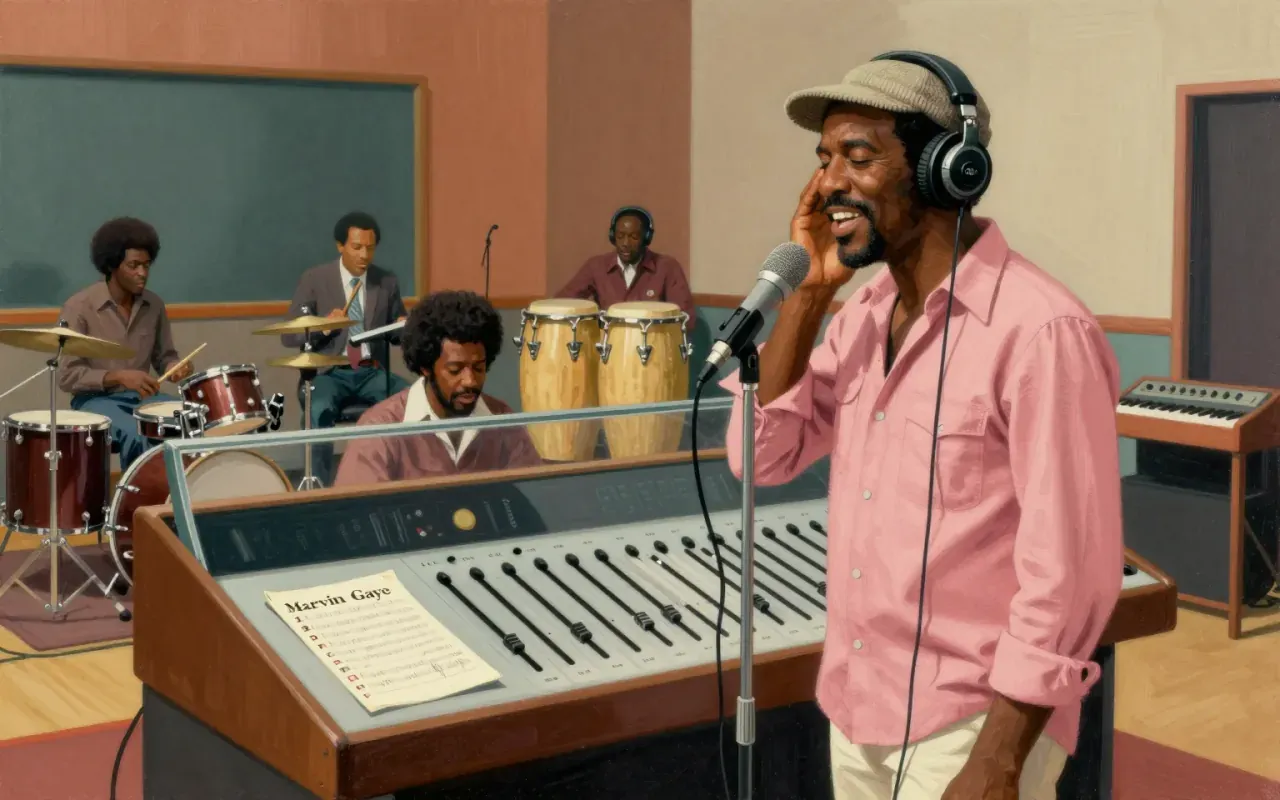
The record was made at Royal Recording Studio in Memphis, Tennessee. Willie Mitchell produced and engineered it. The Hi Rhythm Section played: Howard Grimes and Al Jackson Jr. on drums, Leroy Hodges on bass guitar, Charles Hodges on organ and piano, Teenie Hodges on guitar. A horn section added trumpet, tenor saxophone, baritone saxophone, and trombone. Background vocals came from Charles Chalmers, Donna Rhodes, and Sandra Rhodes. No tempo, key, mic placement, or room treatment is documented.
What lands
The title track lands with surgical precision: a tight groove, clean bass line, muted horns, and Green’s voice bending around consonants like physical objects. ‘How Can You Mend a Broken Heart?’ lands through length and restraint — no climax, just sustained ache. The vocal arrangements land because they are sparse, functional, and never decorative.
What does not
It does not sustain intensity across all nine tracks. ‘La-La for You’, ‘So You’re Leaving’, and ‘Old Time Lovin’’ run under 3:30 and lack the title track’s structural clarity or vocal focus. The album’s cohesion relies on Green’s voice and Mitchell’s production — not on consistent arrangement depth or lyrical variation.
The ideas inside it
Love as commitment, departure as rupture, heartbreak as duration. ‘How Can You Mend a Broken Heart?’ runs 6:23 — the longest track — and anchors the album’s emotional weight. ‘What Is This Feeling’ and ‘Judy’ appear in later film soundtracks, suggesting enduring resonance in scenes of ambiguity and intimacy.
Who should hear it, and who should not
People who want to hear how soul articulates devotion without cliché. People who care about rhythm section interplay as architecture. Not people seeking innovation in form, texture, or harmony — this record refines an existing language, it does not expand it.
Is it worth your time
Yes. It is Al Green’s fourth studio album, his first gold-certified record, and the start of his classic period. Its title track was his biggest hit to date — number one on both Billboard Hot 100 and R&B charts. It established his place in soul music.