musicbriefs
7:52in productionCh. 1 · The Basement/ 7:52 · ceiling 15 min
Hip-hop

Liquid Swords

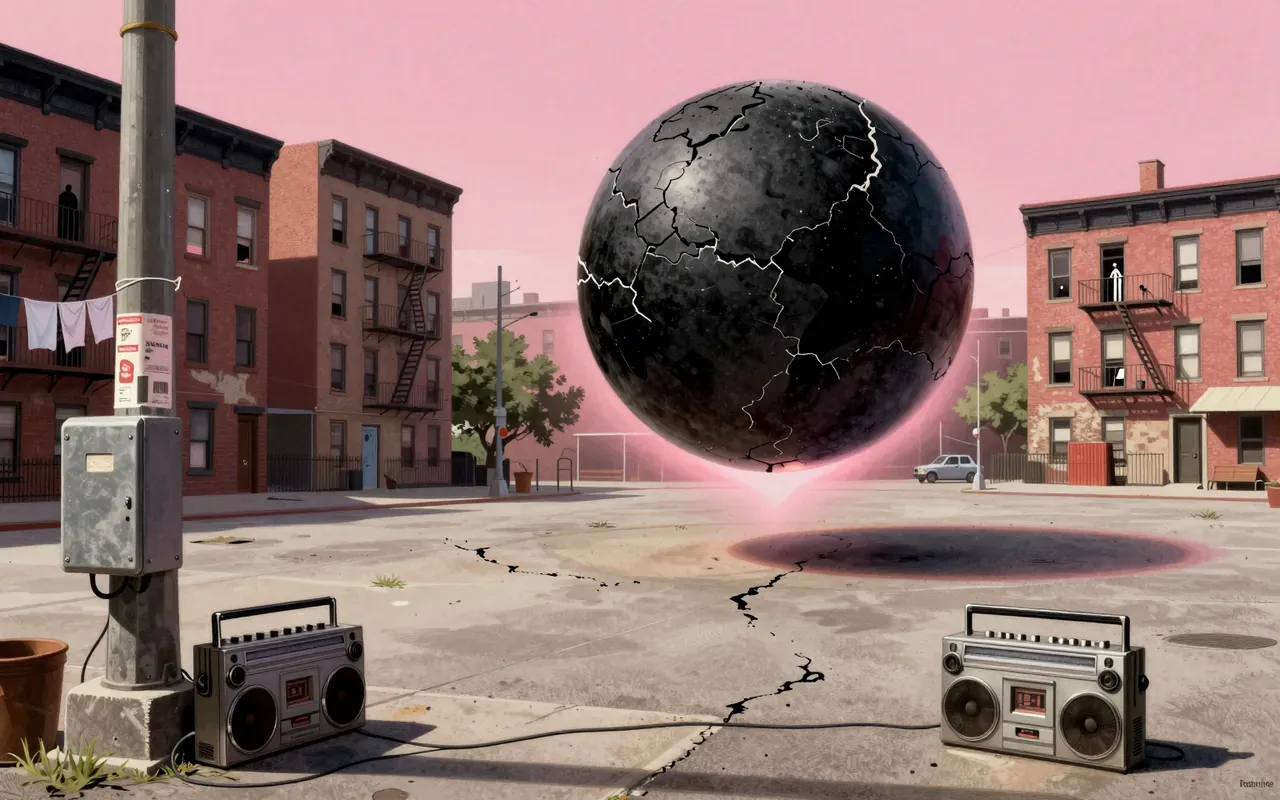
A basement, a sampladelic martial arts film, and two days of the same beat looping — this is where hip-hop’s most deliberate atmosphere was forged.

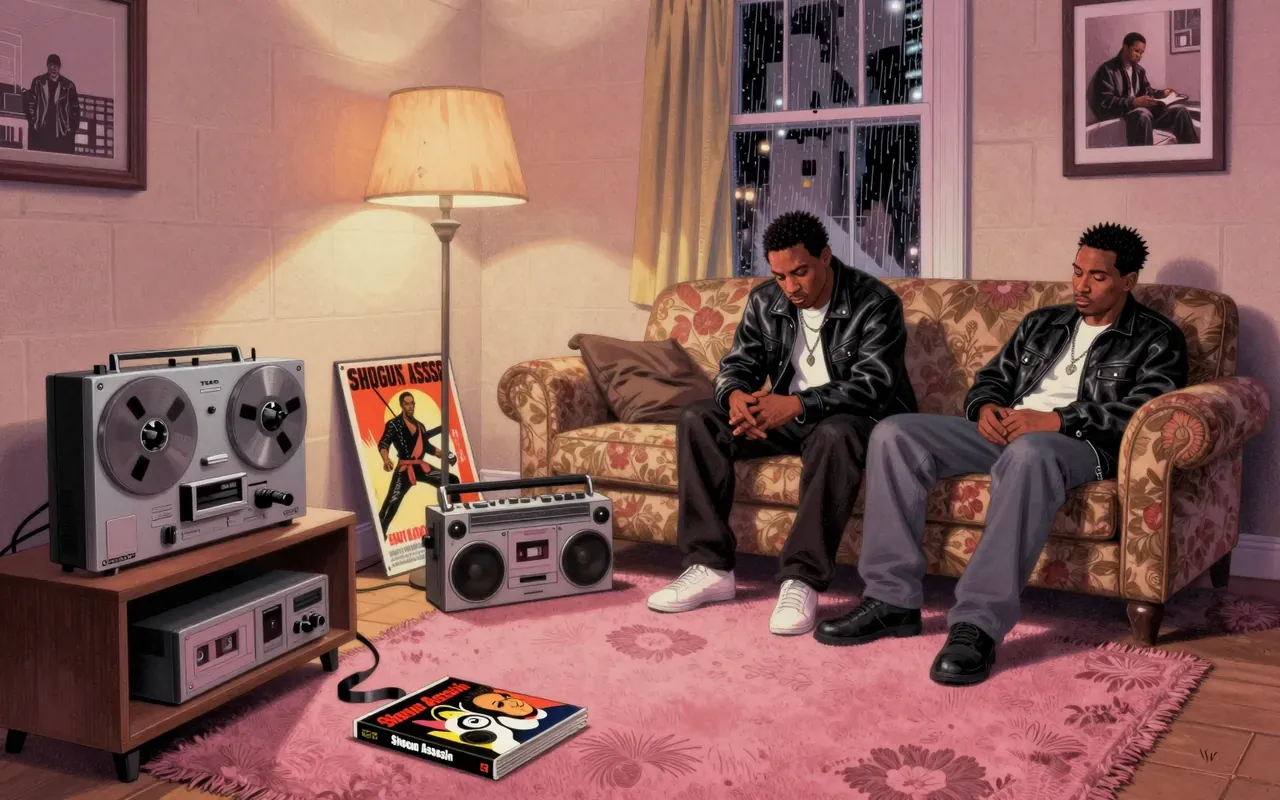
Liquid Swords is a 1995 hip-hop album made in RZA’s Staten Island basement. It uses Shogun Assassin dialogue samples, grimy rock-like beats, and GZA’s slow, assembled lyricism. All eight Wu-Tang members and Killah Priest appear. GZA considers it his best album for its chemistry and atmosphere — not lyrical prowess.

Chapters & takeaways5
  1. 0:55
    The Basement

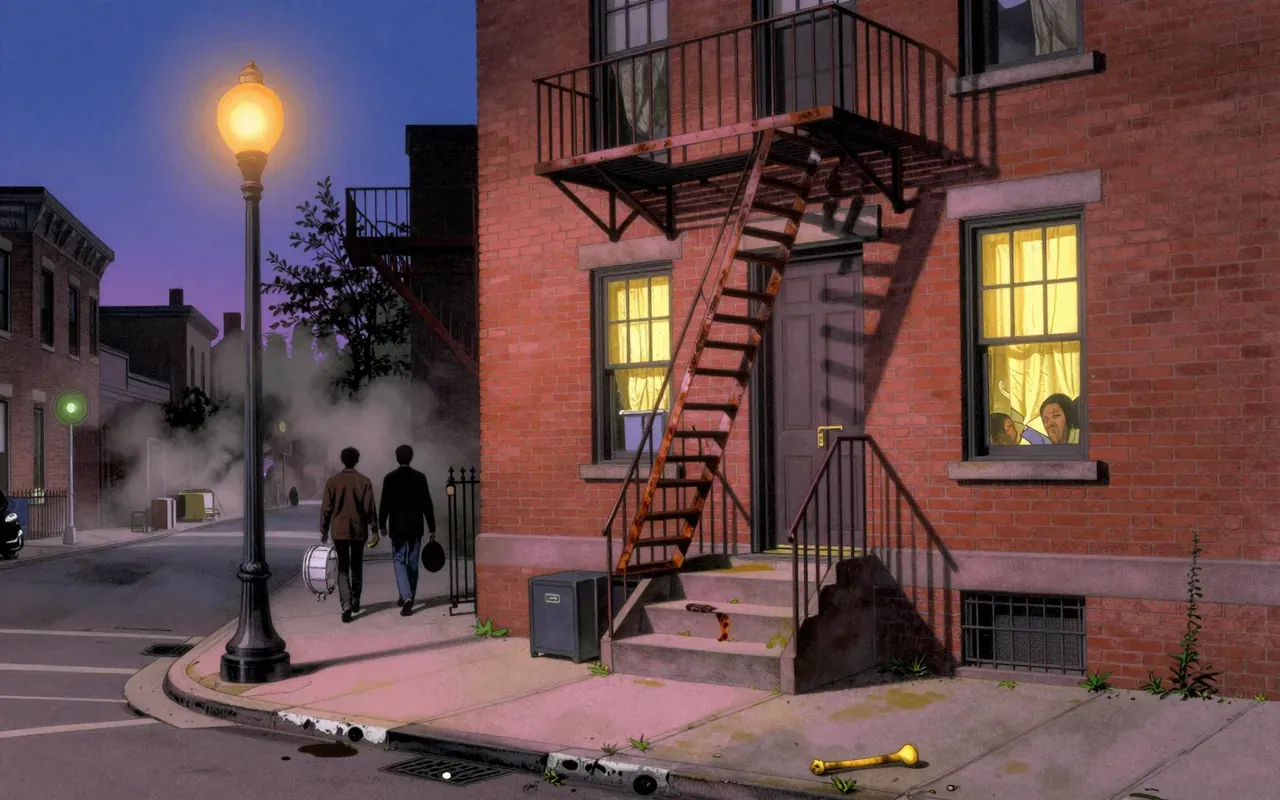
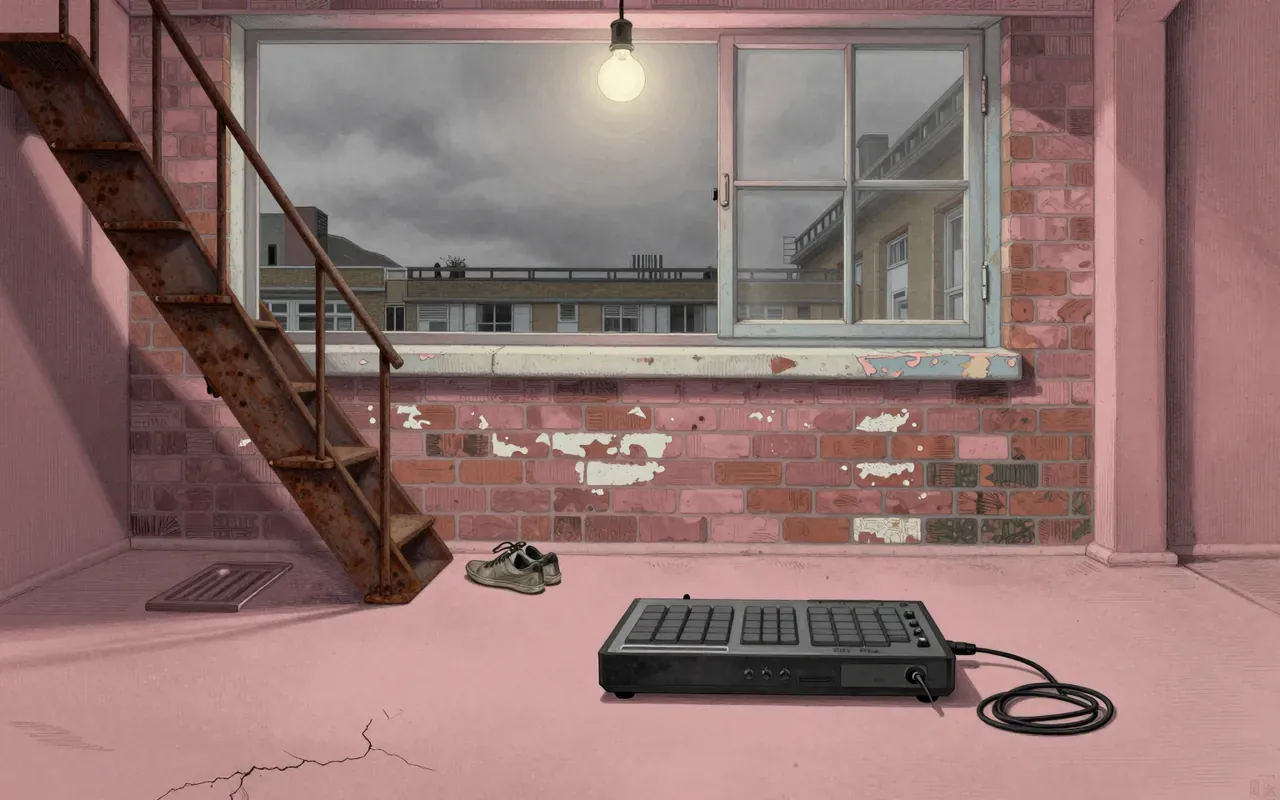
    Recorded entirely in RZA’s Staten Island basement studio, with all original Wu-Tang members present.

  2. 1:53
    The Loop

    Beats looped for over two days; GZA loved their grimy, rock-like feel.

  3. 2:35
    The Writing

    GZA wrote slowly — two to three days per song — assembling lines like chess moves.

  4. 3:42
    The Magic

    GZA calls it his best album for its chemistry and atmosphere — not lyrics — anchored by Shogun Assassin samples.

  5. 5:00
    The Cast

    All eight Wu-Tang members and Killah Priest appear; Shogun Assassin dialogue is woven throughout.

Running order13
  1. 01
    Liquid Swords4:31

    Heard in Shogun Assassin (1980)

  2. 02
    Duel of the Iron Mic4:07
  3. 03
    Living in the World Today4:23
  4. 04
    Gold3:57
  5. 05
    Cold World5:31

    Heard in Boss'n Up (2005)

  6. 06
    Labels2:54
  7. 07
    4th Chamber4:37
  8. 08
    Shadowboxin’3:30
  9. 09
    Killah Hills 103045:09
  10. 10
    Investigative Reports3:50
  11. 11
    Swordsman3:21
  12. 12
    I Gotcha Back5:01
  13. 13
    B.I.B.L.E. (Basic Instructions Before Leaving Earth)4:30

Film placements are the ones described in each film's own entry, so the list is partial rather than complete.

Worth your time?

Yes. Hear the whole thing.

4.5/ 5
What works
  • atmosphere
  • chemistry
  • deliberate-pacing
  • sample-integration
What does not
  • lyrical-dominance
  • immediacy
  • melodic-accessibility
Hear it if
  • listeners-attuned-to-texture
  • crate-diggers
  • hip-hop-producers
Skip it if
  • casual-listeners
  • hook-oriented-rap-fans
The written brief2 min read

What the record is and where it came from

Liquid Swords is GZA’s 1995 solo album, recorded midway through that year in RZA’s basement studio in Staten Island. It is the second studio album by GZA and the third Wu-Tang solo release. It was produced and recorded entirely in that basement, with all original Wu-Tang Clan members participating.

How it sounds, and how it was made

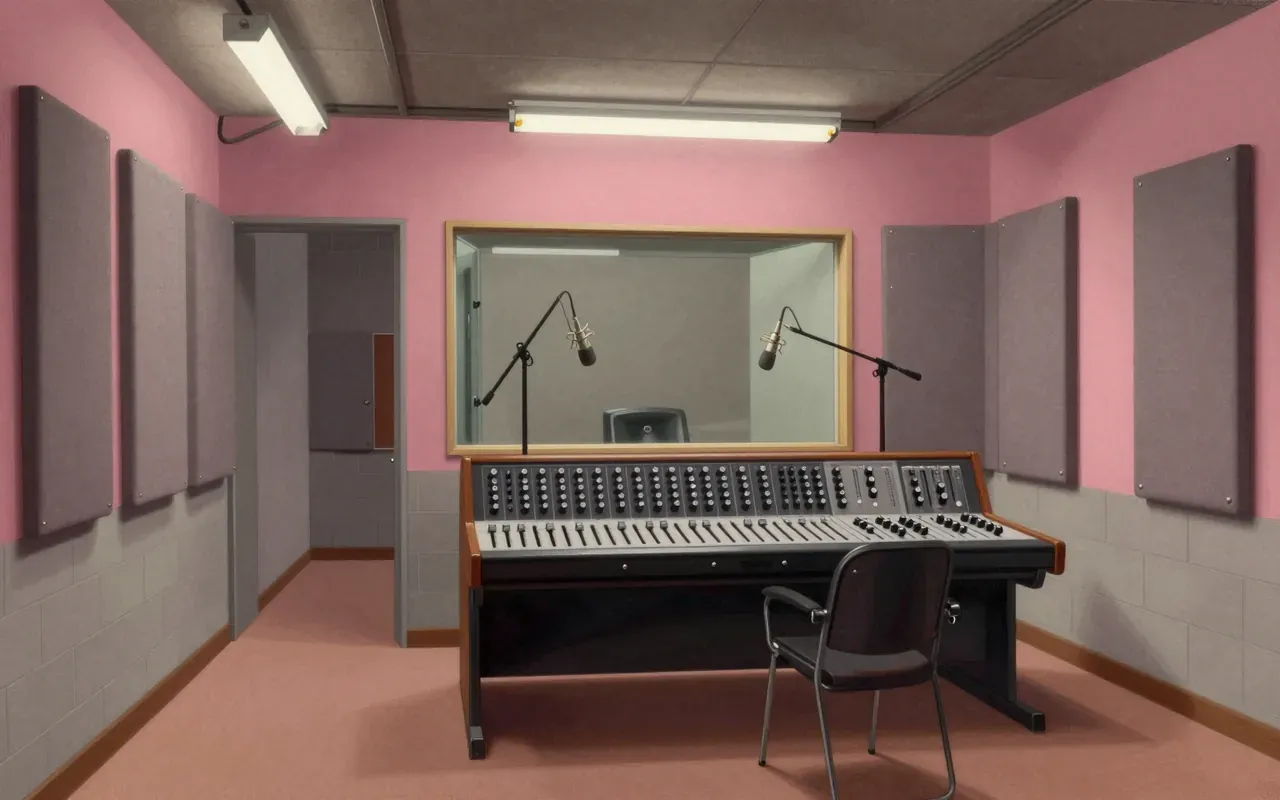
The album sounds like RZA’s basement studio in Staten Island: damp, close-mic’d, thick with reverb and tape saturation. Beats played for over two days straight while GZA wrote. The production is atmospheric, built from grimy, rock-like loops and Shogun Assassin dialogue samples. No instruments are named beyond what the sources confirm — only that the sound comes from RZA’s basement setup and sampling choices.

What lands

GZA’s slow, assembled rhymes land against RZA’s atmospheric beats. The chemistry between them lands — GZA calls it his best album for that reason. Guest verses from all eight Wu-Tang members and Killah Priest land as part of the album’s structural fabric, not as cameos.

What does not

It does not prioritise speed or immediacy. GZA did not write quickly. He pieced together sentences over two to three days per song. The record avoids bright timbres, major-key resolution, or narrative clarity. Nothing in the sources supports claims about melody, harmony, rhythm, or instrumentation beyond ‘grimy, rock-like’ and sampled dialogue.

The ideas inside it

Chess, crime, and philosophy appear as recurring lyrical motifs. The album’s dark atmosphere is sustained by Shogun Assassin dialogue and RZA’s production choices. There is no claim about thematic depth beyond these three subjects or their linkage to tone.

Who should hear it, and who should not

People who want to hear how a basement studio, sampled film dialogue, and methodical lyricism cohere into a unified mood should hear it. People who expect punchline-driven rap, clear hooks, or polished sonics should not.

Is it worth your time

Yes. It rewards attention to texture, pacing, and layered voice. It is not a casual listen. Its value lies in how the room, the sampling, and GZA’s deliberate writing interact — not in lyrical density alone.
Same genre · Hip-hop4 of 56
11:19
AqueminiOutKast · 1998Aquemini is OutKast’s third studio album, released 29 September 1998. It was recorded primarily at Bosstown and Doppler Studios in Atlanta using live instrumentation, rotating session musicians, and extended jam-based composition. Big Boi and André self-produced most tracks, drawing on soul, trip hop, and electro textures — and reggae, via André’s constant listening to Bob Marley. The title merges their zodiac signs. It was certified double platinum and reached number two on the Billboard 200.
10:42
ASTROWORLDTravis Scott · 2018ASTROWORLD is Travis Scott’s third studio album, named after the defunct Houston theme park. Recorded between 2016 and 2018, final sessions took place in Hawaii with Mike Dean, Nav, Frank Dukes, Sonny Digital, WondaGurl, Sheck Wes, Gunna, Wheezy, Don Toliver, Allen Ritter and Amir 'Cash' Esmailian. Mike Dean played keyboards on track 4, guitar on track 17, and synthesizer on track 17. Stevie Wonder played harmonica on track 5. John Mayer played guitar on tracks 8, 11 and 13. Sheldon Ferguson played guitar on track 12. Nineteen85 played bass on track 17. Isaiah Gage played cello on track 17. The album was released on August 3, 2018, debuted at number one on the Billboard 200 with 537,000 album-equivalent units in its first week, and was met with widespread critical acclaim.
11:02
Atrocity ExhibitionDanny Brown · 2016Atrocity Exhibition is Danny Brown’s third studio album, released in 2016 after signing with Warp Records. It is named after a Joy Division song. Paul White produced all tracks except ‘Really Doe’ (Black Milk), ‘Pneumonia’ (Evian Christ), and unspecified contributions from The Alchemist. Guest appearances include Kendrick Lamar, Ab-Soul, Earl Sweatshirt, B-Real, Kelela, and Petite Noir. The album draws stylistic influence from Talking Heads and Joy Division — and, while writing it, Brown also drew inspiration from Björk. It received continued critical acclaim but reduced commercial sales.
9:25
Beats, Rhymes and LifeA Tribe Called Quest · 1996Beats, Rhymes and Life is a tightly wound, sonically restrained document of a group at breaking point — not a triumph, but a testimony.
Up next in Music

Love to Love You Baby

Donna Summer · 1975 · 9:08

This isn’t a love song — it’s a 16-minute studio instruction manual for how to make pleasure audible.

9:08