Saved
Hip-hop

Follow the Leader

Rap’s first studio-as-instrument manifesto — every bar calibrated, every voice placed, no room left for accident.

Worth your time?4.5/5Yes.Hear the whole thing.What works, what does not, who it is for ↓
10:46in productionCh. 1 · The Room It Was Cut In/ 10:46 · ceiling 15 min
4 chapters · 10:46Ceiling 15:00

The brief is written and checked. The video joins this page when it is cut.4 chapters · 2 min read · 10:46 planned

Read the brief

Follow the Leader is a foundational hip-hop record defined by its controlled studio execution, compositional rigour, and vocal precision. It rejects the open-space aesthetic of its predecessor in favour of dense, dry, architecturally tight arrangements. Its authority comes from what is present — not from what is implied, sampled, or mythologised.

Chapters & takeaways4
  1. 1:03
    The Room It Was Cut In

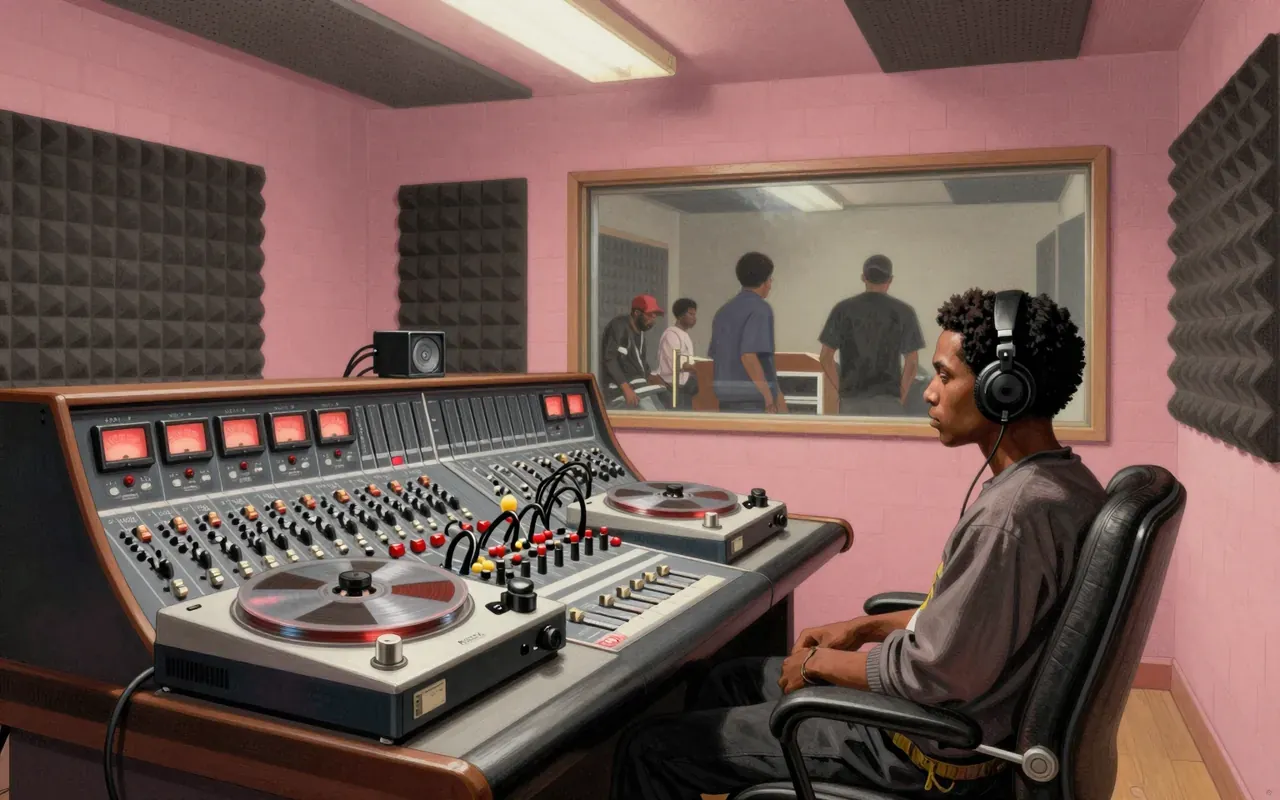
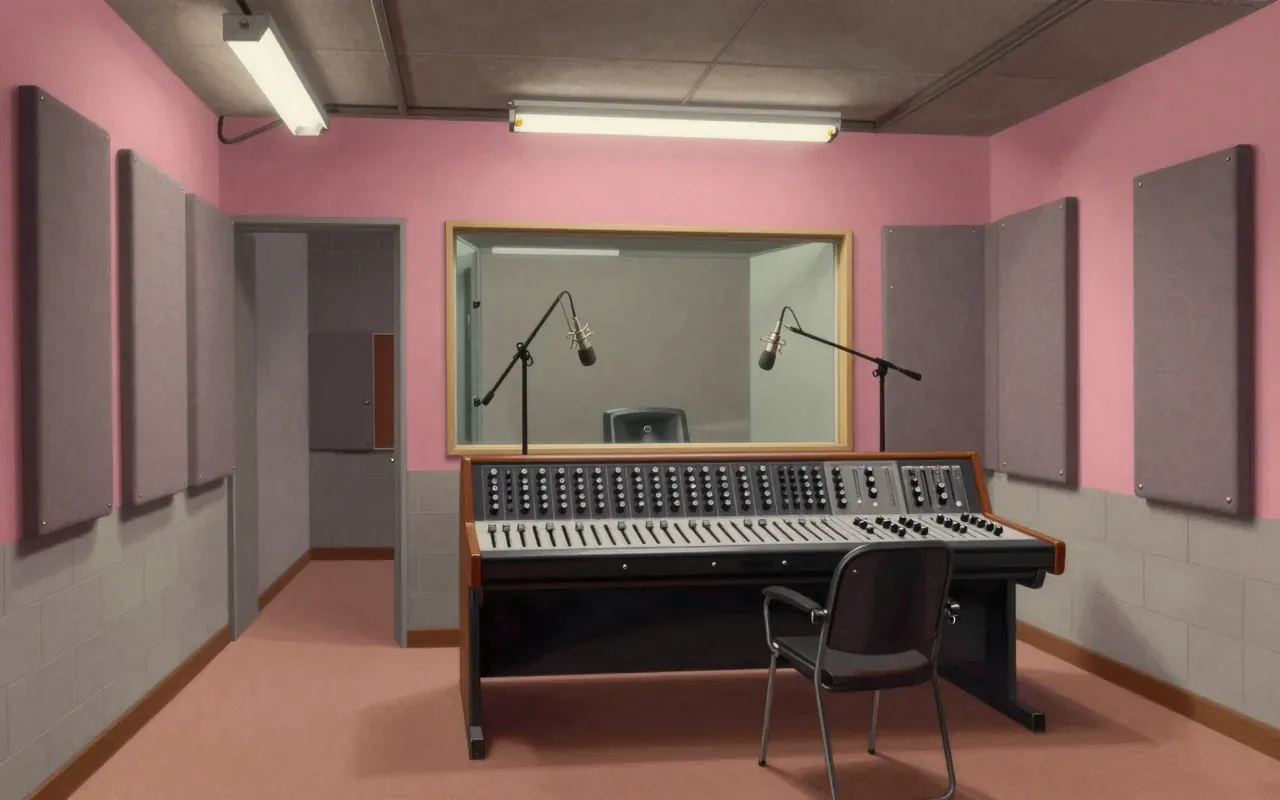
    Recorded entirely at Power Play Studios in Queens, with Rakim’s brother adding instruments — this is hip-hop built in a room, not assembled from fragments.

  2. 2:41
    No More Minimalism

    A deliberate departure from the starkness of Paid in Full — denser, drier, more deliberately constructed.

  3. 4:16
    Total Control

    Eric B. & Rakim wrote, produced, arranged, and performed every vocal — total authorship, no delegation.

  4. 6:57
    Words as Mechanics

    The title track and 'Lyrics of Fury' are Rakim’s most acclaimed lyrical performances — not for imagery, but for syntax and delivery precision.

1 more chapterFewer chapters
Running order11
  1. 01
    Follow the Leader5:37

    Heard in Follow the Leader (1930)

  2. 02
    Microphone Fiend5:18
  3. 03
    Lyrics of Fury4:15
  4. 04
    Eric B. Never Scared5:21
  5. 05
    Just a Beat2:07
  6. 06
    Put Your Hands Together5:15
  7. 07
    To the Listeners4:32
  8. 08
    No Competition3:52

    Heard in Tron: Legacy (2010)

  9. 09
    The R3:56
  10. 10
    Musical Massacre4:30
  11. 11
    Beats for the Listeners4:09

Film placements are the ones described in each film's own entry, so the list is partial rather than complete.

Worth your time?

Yes. Hear the whole thing.

4.5/ 5
What works
  • the title track
  • Microphone Fiend
  • Lyrics of Fury
What does not
  • rely on looped breaks or sparse drum patterns
  • foreground DJ cuts or turntable texture
  • use live-band swing or jazz inflection
  • include gospel choir, string section, or sampled orchestral swell
Hear it if
  • producers
  • rappers
  • anyone who thinks hip-hop production begins with sampling
Skip it if
  • listeners expecting lush arrangements or melodic hooks
Who should hear it, and who should skipHide who it is for
The written brief2 min read

What the record is and where it came from

Follow the Leader is Eric B. & Rakim’s 1988 studio album. It is their second full-length, recorded in Queens, New York. It follows Paid in Full. It is self-produced, self-composed, self-arranged.

How it sounds, and how it was made

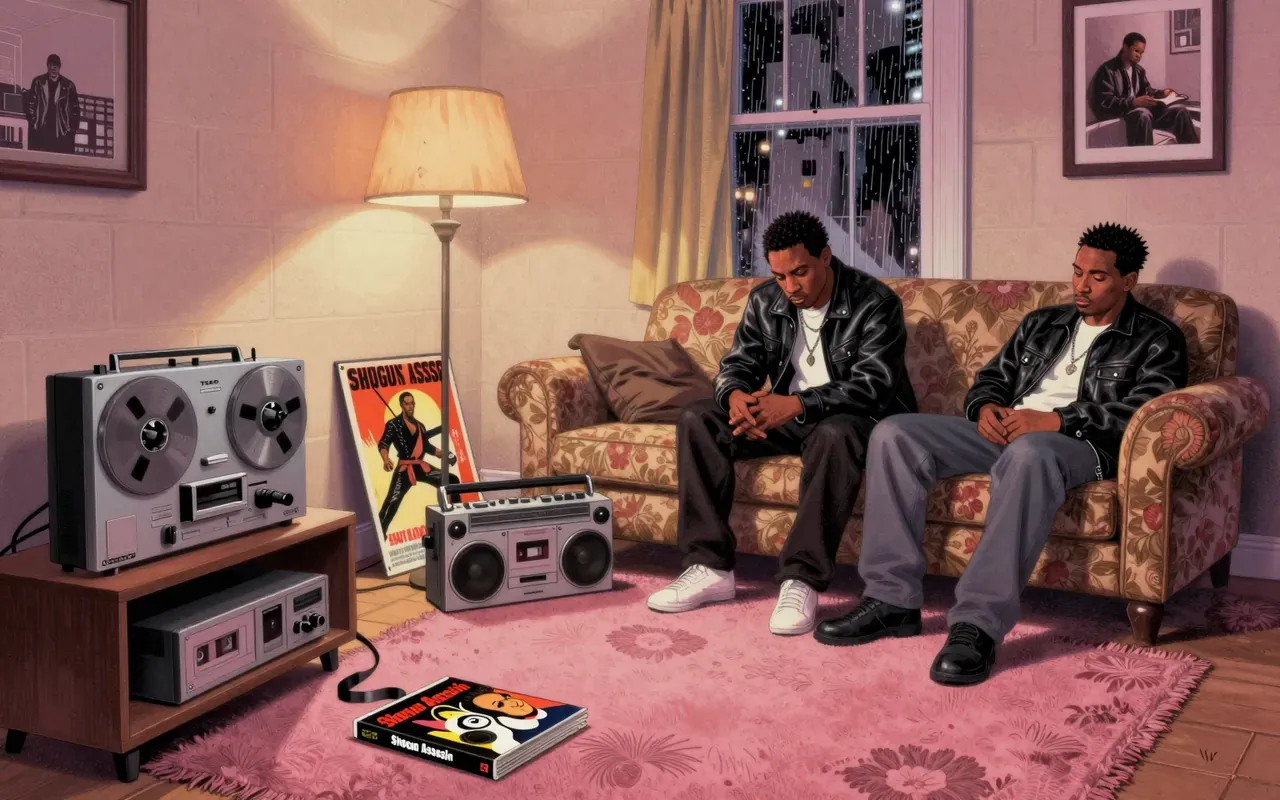
It was recorded at Power Play Studios in Long Island City in Queens, New York. Eric B. & Rakim produced, composed, and arranged it with audio engineers Carlton Batts and Patrick Adams. Stevie Blass Griffin contributed instruments. The production moves away from the blunt minimalism of Paid in Full. No other studios, engineers, or players are named.

What lands

The title track lands with Rakim’s cadence locked to a thick, unrelenting beat — his voice dry, centred, unadorned. ‘Microphone Fiend’ lands with its clipped, staccato hook and relentless forward motion. ‘Lyrics of Fury’ lands with its rapid-fire syntax and unbroken rhythmic insistence.

What does not

It does not rely on looped breaks or sparse drum patterns. It does not foreground DJ cuts or turntable texture. It does not use live-band swing or jazz inflection. There is no gospel choir, no string section, no sampled orchestral swell.

The ideas inside it

The album asserts authorship through production control: all songs written and produced by Eric B. & Rakim. It treats the microphone as both weapon and witness. It frames rap not as testimony but as technical demonstration — syllable placement, internal rhyme density, breath economy.

Who should hear it, and who should not

Producers should hear it for its instrumental layering discipline. Rappers should hear it for its vocal architecture. Anyone who thinks hip-hop production begins with sampling should hear it for its compositional intent. Listeners expecting lush arrangements or melodic hooks should not.

Is it worth your time

Yes. It is a decisive pivot in hip-hop’s sonic architecture — less about space and silence, more about layered instrumental presence and vocal command. You hear the room only as a controlled environment for dense, dry vocal takes and tightly tracked bass and drums.
Same genre · Hip-hop4 of 113
13:00
Blue LinesMassive Attack · 1991Built across eight months and half a dozen London studios, Blue Lines slows hip hop's breakbeats down to a reggae and soul pace, with Shara Nelson and Horace Andy carrying the vocals. It is the record most often credited with starting trip hop, made by a group working from instinct rather than any stated genre plan.
7:52
Liquid SwordsGenius/GZA · 1995Liquid Swords is a 1995 hip-hop album made in RZA’s Staten Island basement. It uses Shogun Assassin dialogue samples, grimy rock-like beats, and GZA’s slow, assembled lyricism. All eight Wu-Tang members and Killah Priest appear. GZA considers it his best album for its chemistry and atmosphere — not lyrical prowess.
11:10
It Takes a Nation of Millions to Hold Us BackPublic Enemy · 1988It Takes a Nation of Millions to Hold Us Back (1988) is Public Enemy’s second studio album. It was recorded across three New York studios—Chung King Studios, Greene St. Recording, and Sabella Studios—between 1987 and 1988. The group began at Chung King but moved to Greene St. after engineer resistance to hip hop. Engineers there eventually respected their work ethic. The album was originally titled Countdown to Armageddon. It was recorded in 30 days for $25,000, thanks to extensive preproduction at the group’s Long Island studio. It was completed in six weeks. Chuck D described the process as aggressive, time-pressured teamwork involving sonic risk-taking. Eric Sadler and Hank Shocklee stayed behind in the studio during touring to develop material ahead of Chuck D and Flavor Flav’s return. The album performed better in the charts than their debut and included the hit singles 'Don’t Believe the Hype' and 'Bring the Noise'. It was the first hip-hop album to top The Village Voice’s Pazz & Jop critics’ poll. Its sonic architecture—crafted by the Bomb Squad—included free jazz, hard funk, and musique concrète. It formed part of Public Enemy’s revolutionary, politically charged output grounded in a pro-black stance.
11:50
Fear of a Black PlanetPublic Enemy · 1990Fear of a Black Planet is Public Enemy’s third album. Recorded across three New York studios between June and October 1989, it was delayed from late 1989 to April 1990. Produced by The Bomb Squad — Chuck D, Eric 'Vietnam' Sadler, Keith Shocklee, and Hank Shocklee — it expands the dense, sample-layered 'wall of noise' of their prior album. The team used the E-mu SP-1200, Akai S900, and a Macintosh computer. They combed thousands of records for fragments, reconfiguring radio and other media into new contexts. Hank Shocklee described their process as a production assembly line: he approached it from a DJ’s perspective, Sadler from a musician’s. Singles include 'Welcome to the Terrordome', '911 Is a Joke', and 'Fight the Power' — the latter regarded as one of hip-hop’s most influential songs and the theme song of Spike Lee’s Do the Right Thing. The album continued Public Enemy’s politically charged themes and became their most successful release. It was selected for preservation in the National Recording Registry in 2005.
Up next in Music

Free Jazz

The Ornette Coleman Double Quartet · 1961 · 9:04

Free Jazz isn’t free — it’s a controlled demolition of jazz’s architecture.

9:04