What the record is and where it came from
Live at Leeds is the Who’s only live album recorded with their classic line-up — Daltrey, Townshend, Entwistle, Moon — captured at the University of Leeds Refectory on 14 February 1970. It was made after scrapping earlier live recordings and booking dedicated shows in Leeds and Hull solely to capture a live album.
How it sounds, and how it was made
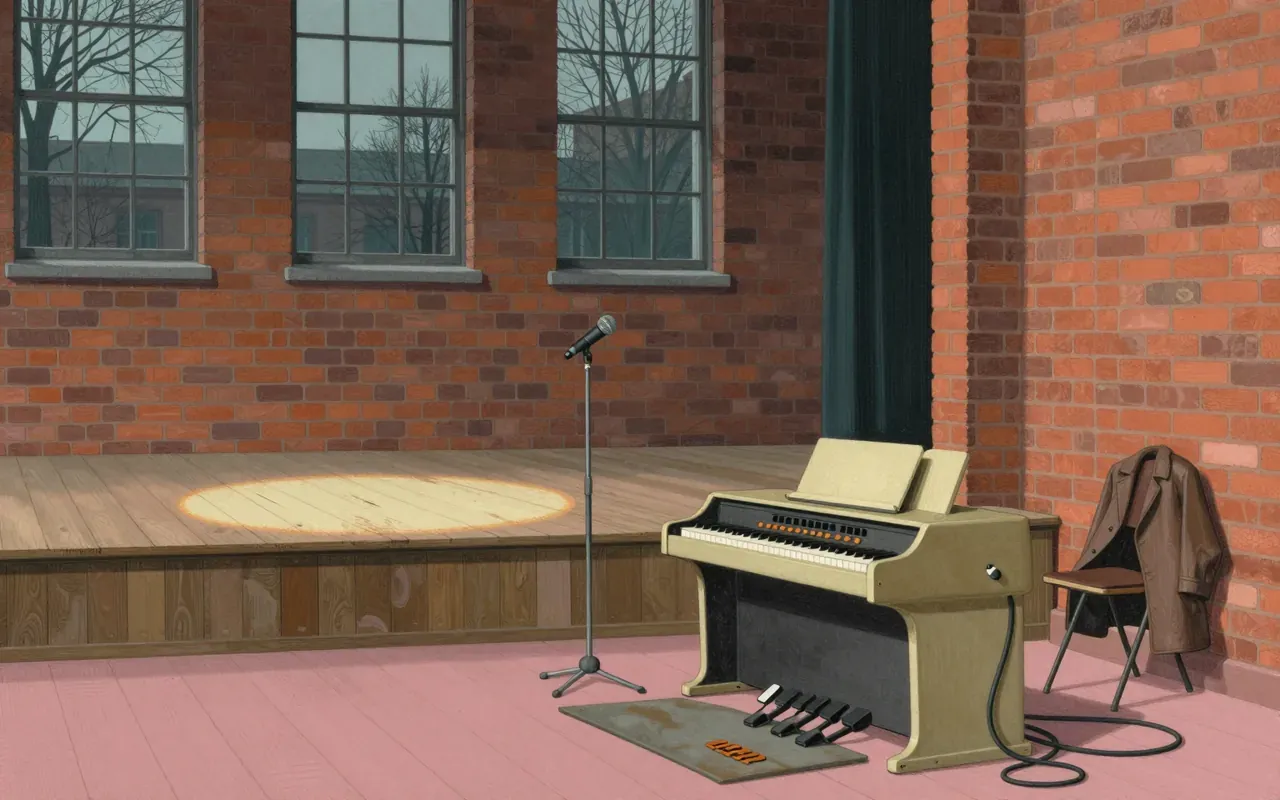
It sounds like a live rock band in a university refectory: dry, immediate, unvarnished. No audience noise. No studio reverb. Just four players — guitar, bass, drums, vocals — captured with minimal miking and no overdubs. The recording was made on 14 February 1970, after rejecting earlier Tommy-tour tapes for poor sound. A second show in Hull the next day failed technically, leaving only Leeds usable.
What lands
‘My Generation’ lands hardest: 14 minutes of deconstruction, feedback, tempo shifts, and vocal improvisation. ‘Young Man Blues’ lands with its saxophone-free, guitar-led ferocity. ‘Substitute’ lands as a tight, snarling two-minute pivot — no frills, no fade, just stop-time precision.
What does not
It does not include any material from Tommy. It does not feature audience reaction. It does not use tape manipulation, stereo effects, or studio editing. It does not attempt fidelity to original single versions — arrangements are extended, intensified, stripped of studio gloss.
The ideas inside it
The idea is contrast: live power versus studio polish. It establishes the Who as a band whose identity lived on stage, not in the control room. It rejects narrative (Tommy) for repetition, riff, and release. It treats cover versions — ‘Young Man Blues’, ‘Summertime Blues’, ‘Shakin’ All Over’ — not as homage but as vehicles for demolition.
Who should hear it, and who should not
People who want to hear how a rock band sounded in a real room in 1970 — not mythologised, not remastered, not repackaged. Not people seeking context, biography, or studio craft. Not people who need clarity, separation, or comfort.
Is it worth your time
Yes — if you want to hear how the Who played live in 1970, not how they sounded on Tommy. It is worth your time as a document of controlled volatility: fast tempos, distorted guitar, Entwistle’s bass cutting through, Moon’s drumming dense and physical, Daltrey’s voice raw and unprocessed.