American Pie
Don McLean · 1971
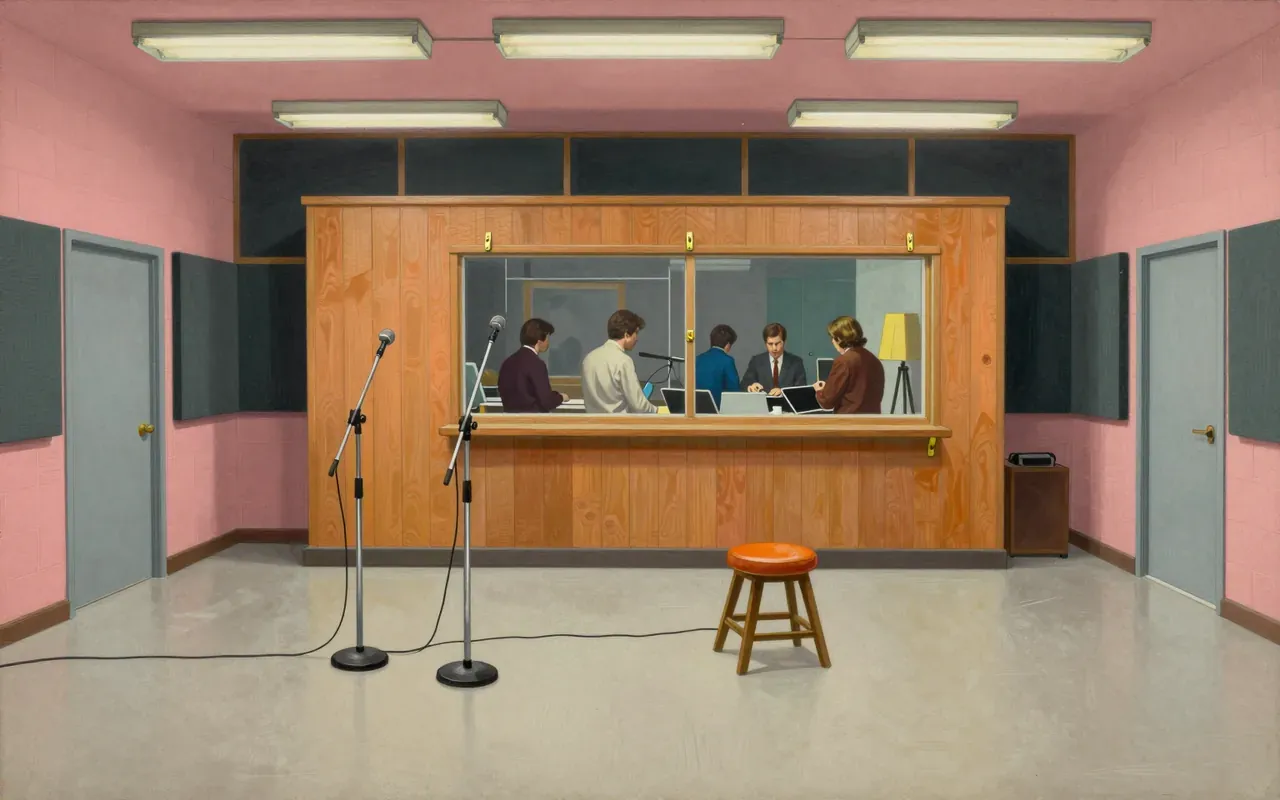
A folk record that treats the studio like a rehearsal hall—and grief like a rhythm section that won’t lock in.
Longing for a past that is being sold back at a markup.
A folk record that treats the studio like a rehearsal hall—and grief like a rhythm section that won’t lock in.

ABBA Gold: Greatest Hits is a 1992 compilation album compiled by Chris Griffin, Jackie Stansfield, George McManus, Ingemar Bergman, and John Tobler, with sequencing designed as a radio show—opening with 'Dancing Queen' and closing with 'Waterloo'—and featuring representative tracks from nearly all ABBA studio albums up to that point. It draws on performances by Agnetha Fältskog, Anni-Frid Lyngstad, Björn Ulvaeus, and Benny Andersson, and was produced by Andersson and Ulvaeus, with engineering and remastering by Michael B. Tretow (1992), Jon Astley (1999–2004), and Henrik Jonsson (2008).
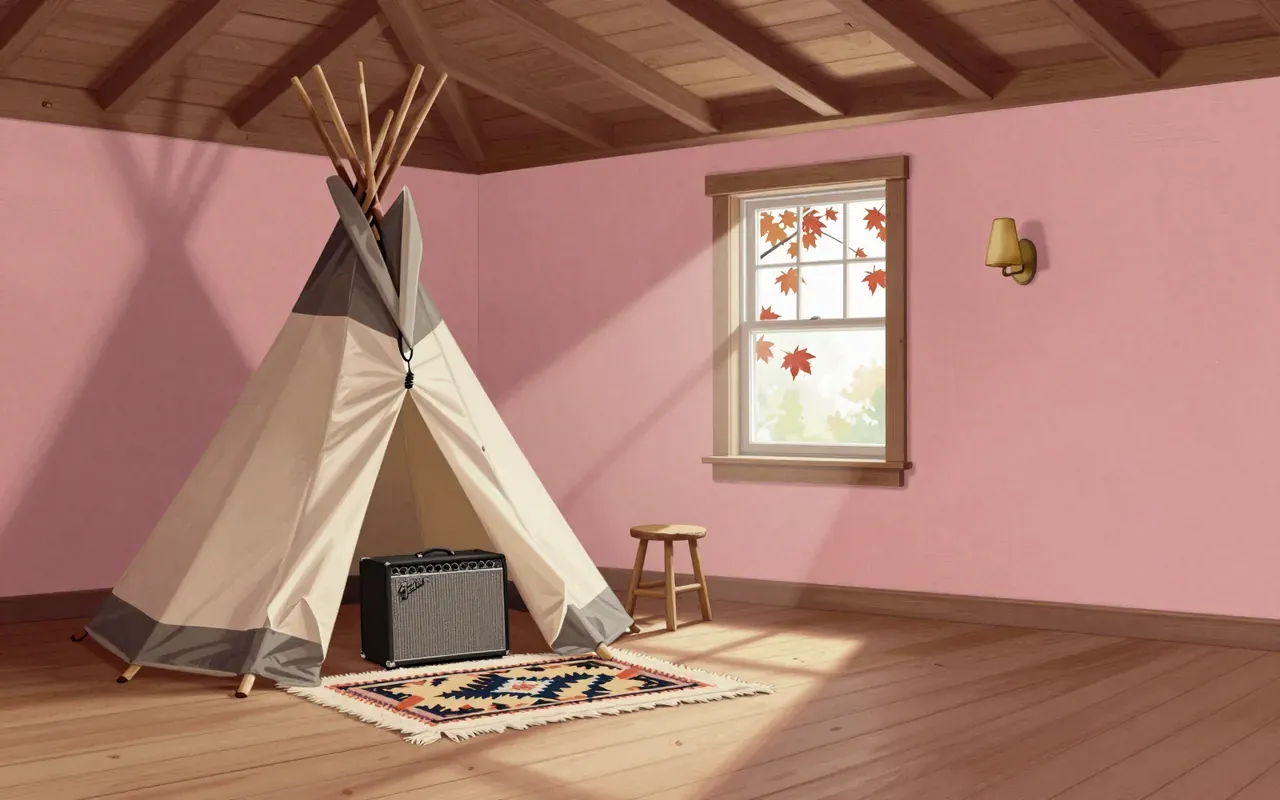
Fleet Foxes’ self-titled 2008 debut was recorded mostly in domestic spaces — Pecknold’s parents’ basement and Wescott’s home — due to tight funds; it aimed for simplicity through harmonies and unconventional structures, underwent full re-recording and exhaustive revision, and was produced by Phil Ek with vocals added the night before final mixing. Its pastoral acoustic sound foregrounds vocal arrangements modelled on classical string textures, informed by folk, gospel, psychedelic pop and Sacred Harp styles, with lyrics rooted in Pecknold’s rural surroundings, philosophical reflection and personal abandonment — not love songs.

Future Nostalgia is a tightly wound, rhythm-first pop record built for motion. Its sound is defined by live-sounding funk bass, crisp synth stabs, and lush strings—all arranged with surgical consistency. It draws from 1970s–2000s pop textures but never fractures them. It lands where it aims: in the hips, not the head.
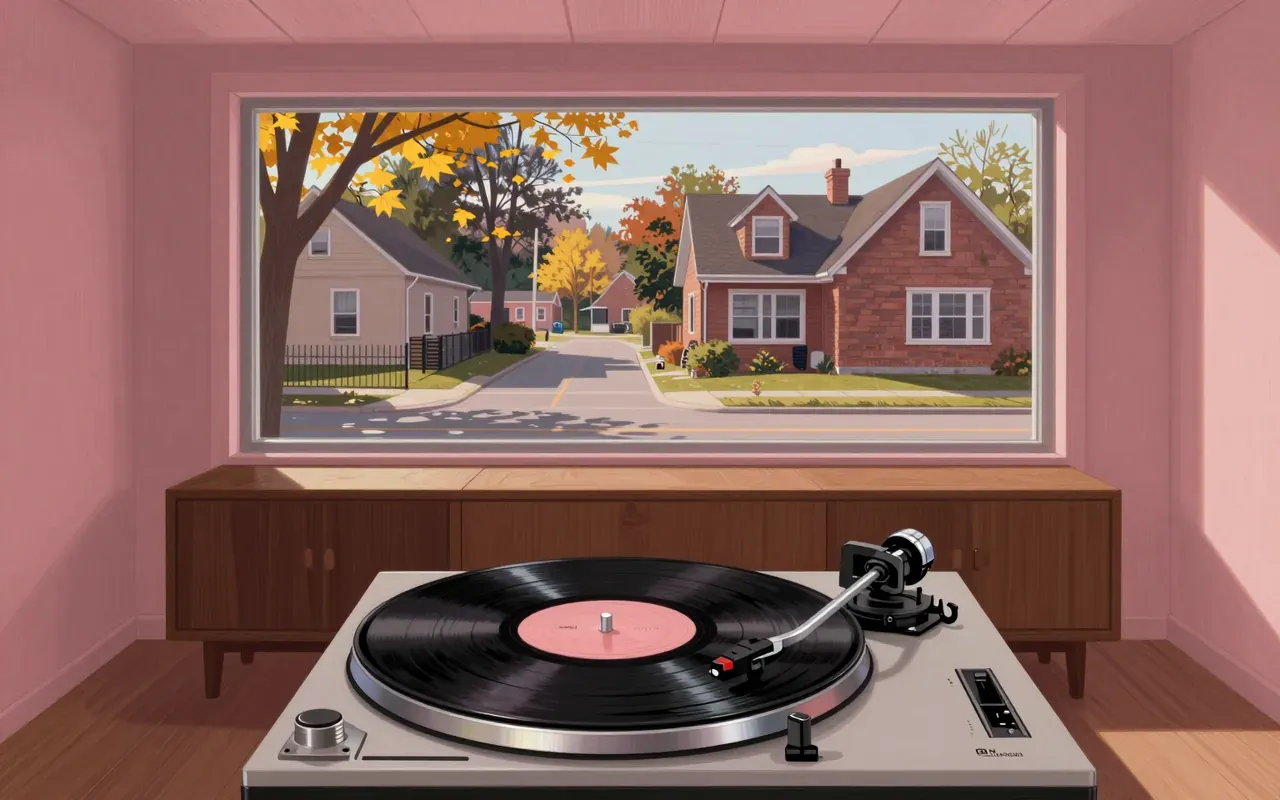
The Suburbs is Arcade Fire’s third studio album, released in 2010. It was produced by Markus Dravs and engineered by Marcus Paquin. Recording took place across three locations: Win Butler and Régine Chassagne’s Montreal residence, the band’s Quebec studio, and New York City. Win Butler described the album’s sound as a mix of Depeche Mode and Neil Young—intended to evoke the mysterious, formative noises of his youth. Each song was pressed to a 12-inch lacquer and re-recorded for the digital master. The album was released with eight different covers. A pre-release review by The Quietus compared its progression to William Blake’s Songs of Innocence and of Experience.

Recorded without digital equipment in Bristol, Portishead's Dummy layers Beth Gibbons's vocals over sampled soul, spy-soundtrack strings and deliberately worn vinyl, a debut that helped define trip hop while staying stranger and colder than the genre it is credited with starting.
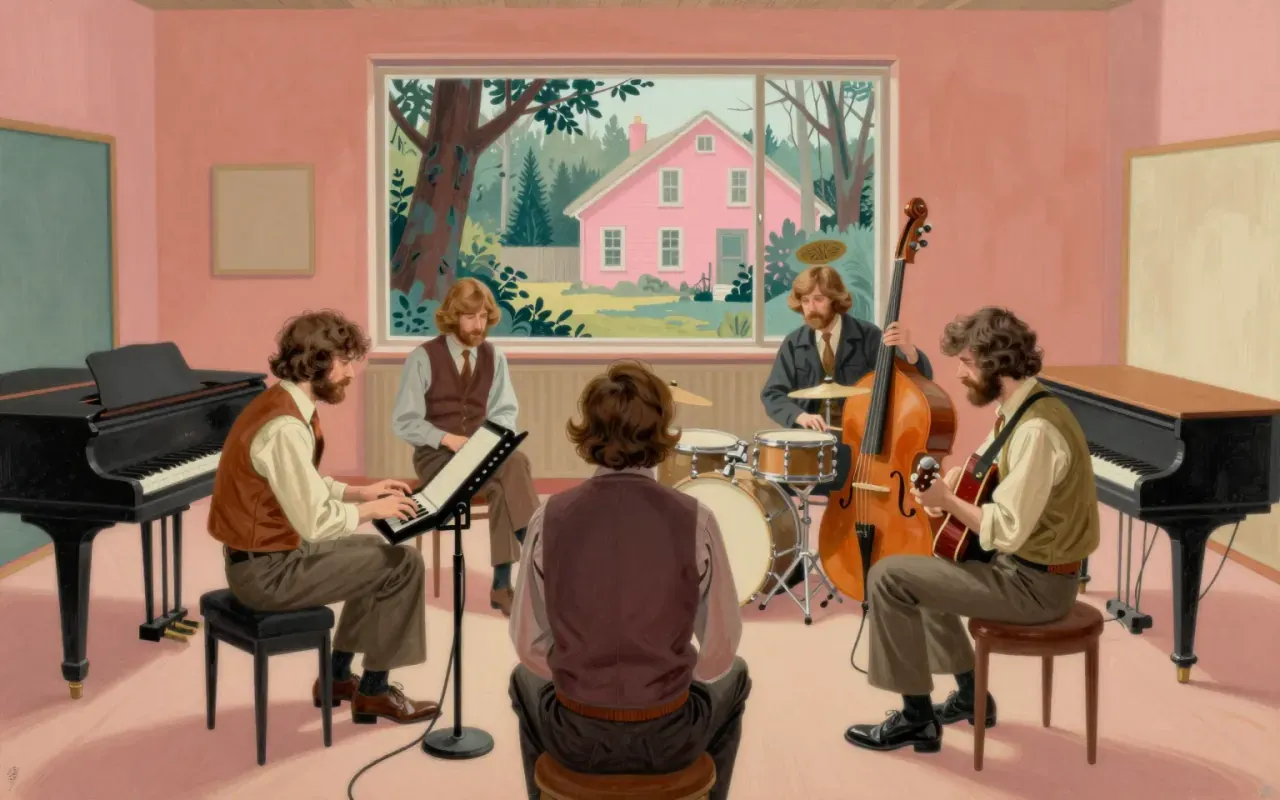
Recorded live with minimal overdubbing after years spent behind Bob Dylan, Music From Big Pink lets Rick Danko, Levon Helm and Richard Manuel trade lead vocals over Garth Hudson's organ and Robbie Robertson's economical guitar, trading psychedelic ambition for a communal, backward-looking sound that quietly reshaped rock's direction.
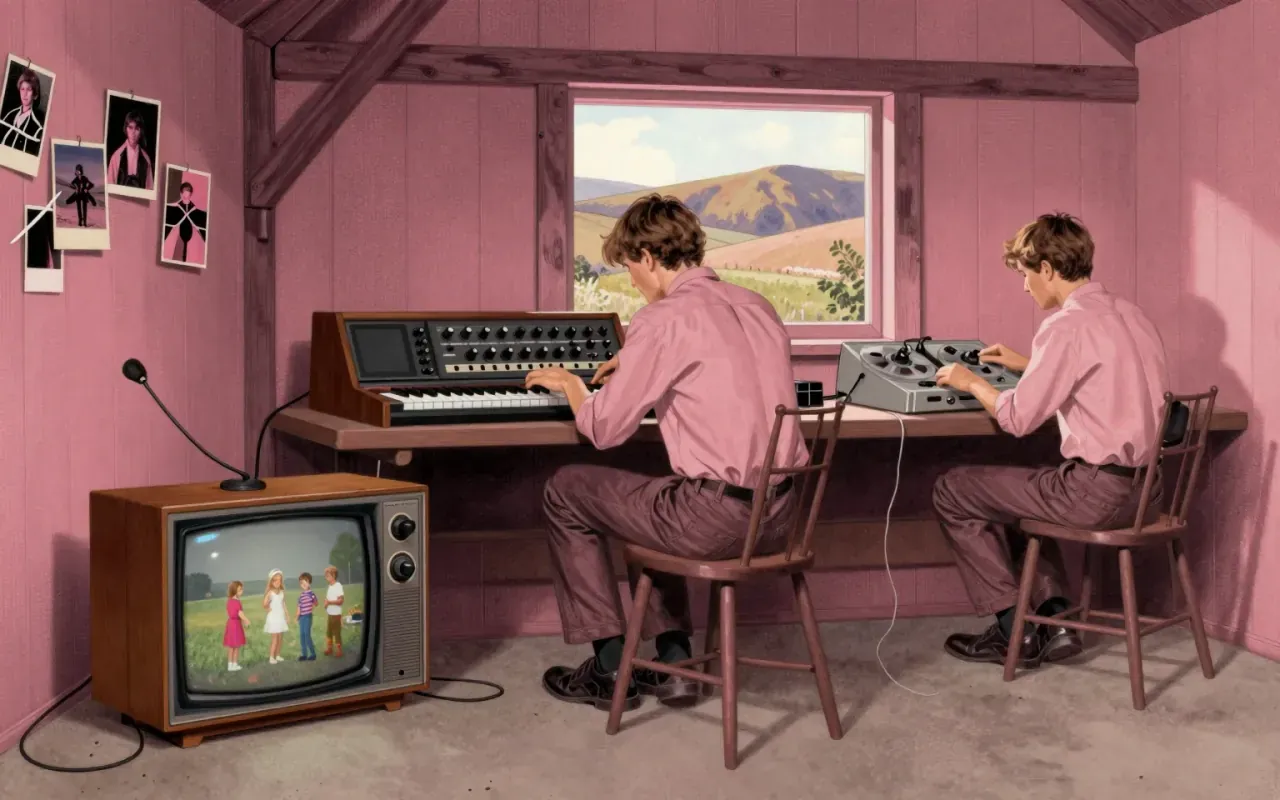
Recorded at their own studio in the Pentland Hills on tape and vintage synthesisers left deliberately out of tune, this debut folds samples of children's television into a haze that sits somewhere between comfort and unease. At seventeen tracks it asks patience of a listener, but its sustained atmosphere remains close to unmatched.