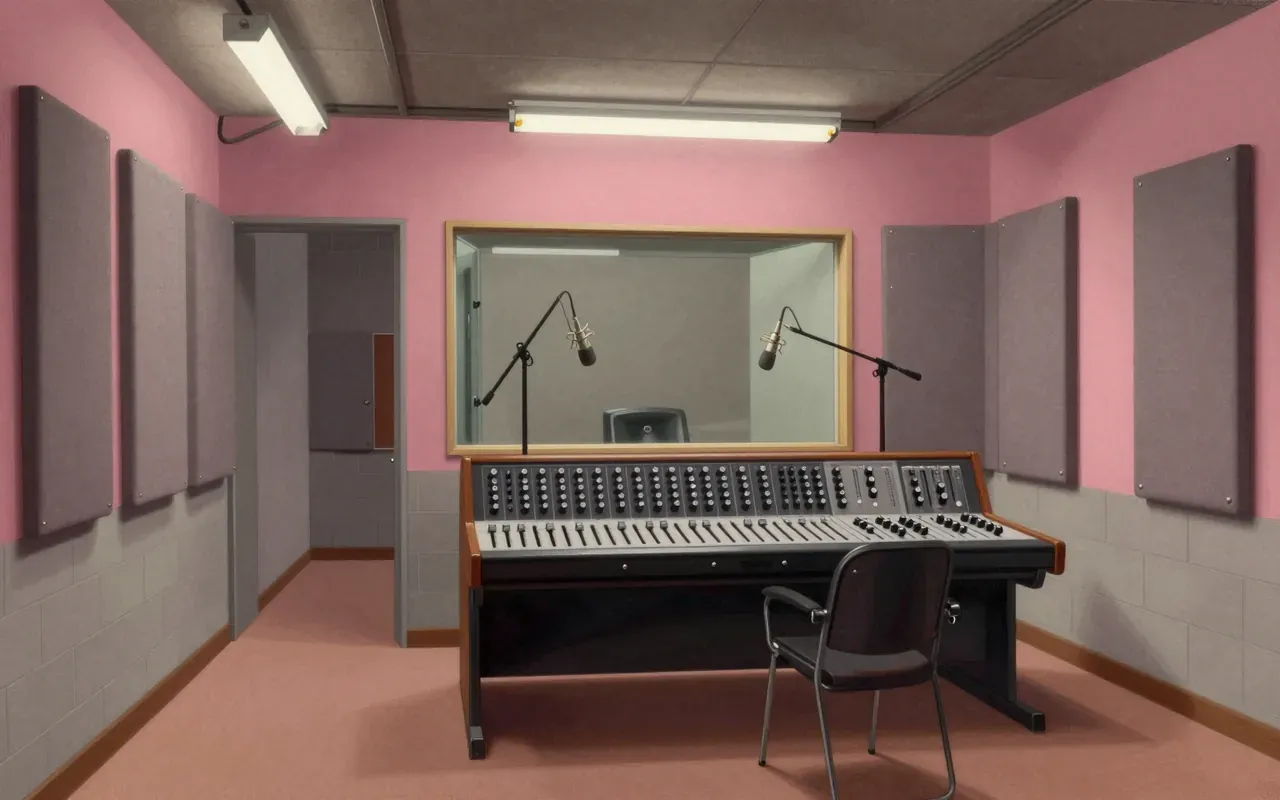
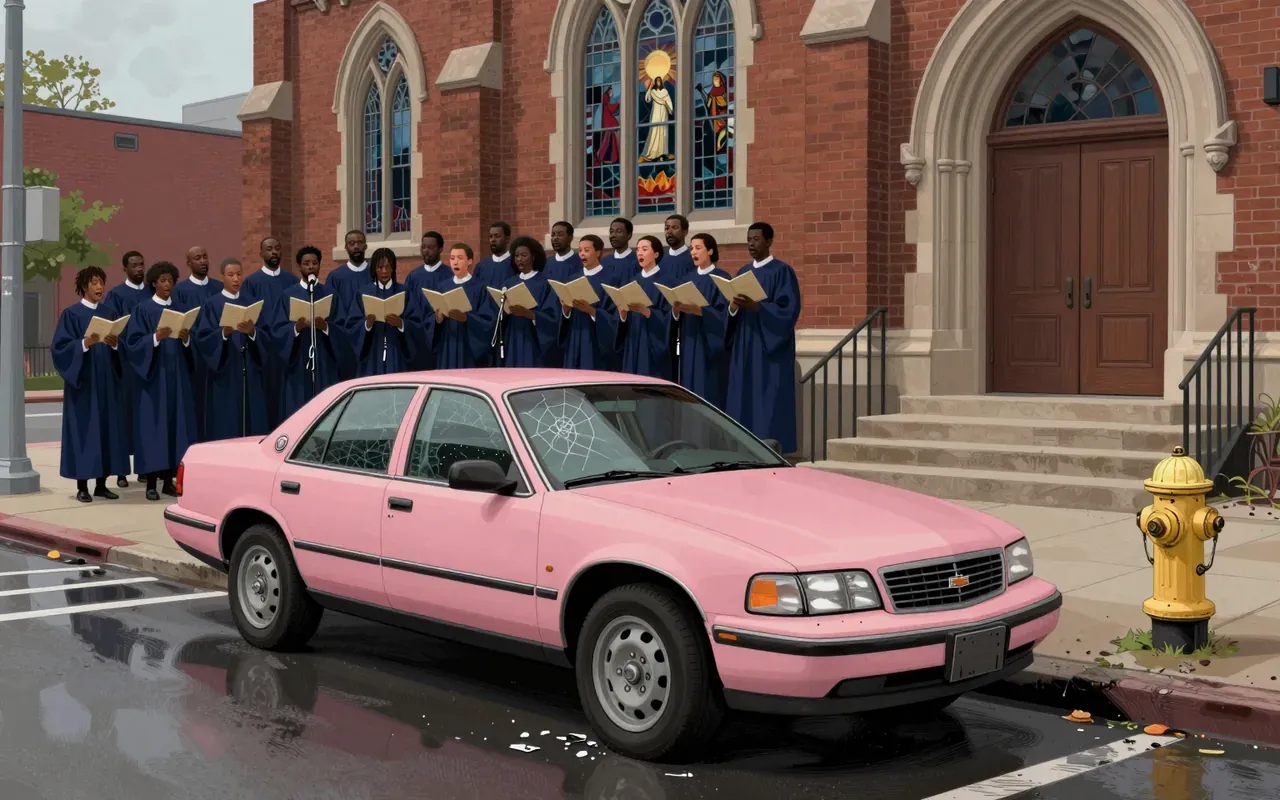
The Chronic is Dr. Dre’s 1992 debut solo album, released under Death Row Records with Suge Knight as executive producer. Recorded at Death Row Studios in Los Angeles and Bernie Grundman Mastering in Hollywood, it established G-funk through fat, blunted Parliament-Funkadelic beats, live rolling basslines, whiny synths, and soulful backing vocals — using only one or few samples per song. Jon Pareles described its production as swampy synth bass, lone whistling or blipping keyboard lines, and wide-open spaces filled sparsely with rhythm guitar or keyboard chords. The Death Row Inmates — including Snoop Dogg, The D.O.C., Daz Dillinger, RBX, Kurupt, Lady of Rage, Warren G, Nate Dogg, Jewell, Colin Wolfe, and Chris 'The Glove' Taylor — convened at Dre’s Calabasas mansion and Solar Studios to write and record. Snoop contributed lyrics grounded in lived street experience and performed on nearly every track, often writing and developing melodies over partial beats during all-night sessions. Singles 'Nuthin' but a "G" Thang', 'Let Me Ride', and 'Fuck wit Dre Day' featured Snoop and defined the album’s cultural impact. 'Let Me Ride' won Best Rap Solo Performance at the 36th Annual Grammy Awards. The Chronic was certified triple platinum in 1993 and credited with launching G-funk into mainstream dominance.
Film placements are the ones described in each film's own entry, so the list is partial rather than complete.
Worth your time?
Yes. Hear the whole thing.
4.5/ 5
What works
fat, blunted Parliament-Funkadelic beats
soulful backing vocals
rolling basslines and whiny synths
Snoop Dogg’s melodic, conversational flow on nearly every track
What does not
dense sampling
acoustic drums
narrative arc across tracks
Hear it if
producers
rappers
listeners who value clarity over density
Skip it if
anyone expecting jazz-rap complexity or boom-bap austerity
The written brief2 min read
What the record is and where it came from
The Chronic is Dr. Dre’s 1992 debut solo album, Death Row Records’ first major project, executive produced by Suge Knight. It established G-funk as a dominant force in early-1990s hip-hop and launched Dre’s post-N.W.A. identity as architect, not just rapper.
How it sounds, and how it was made
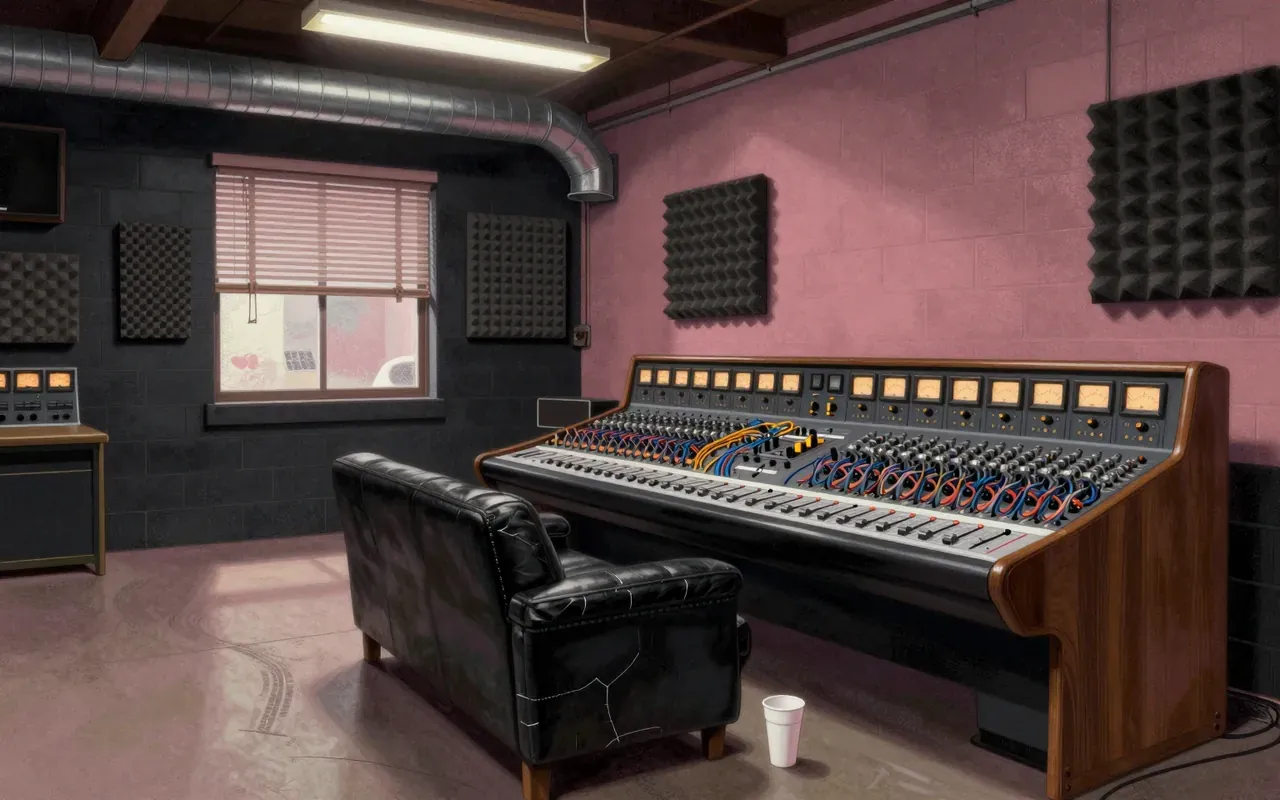
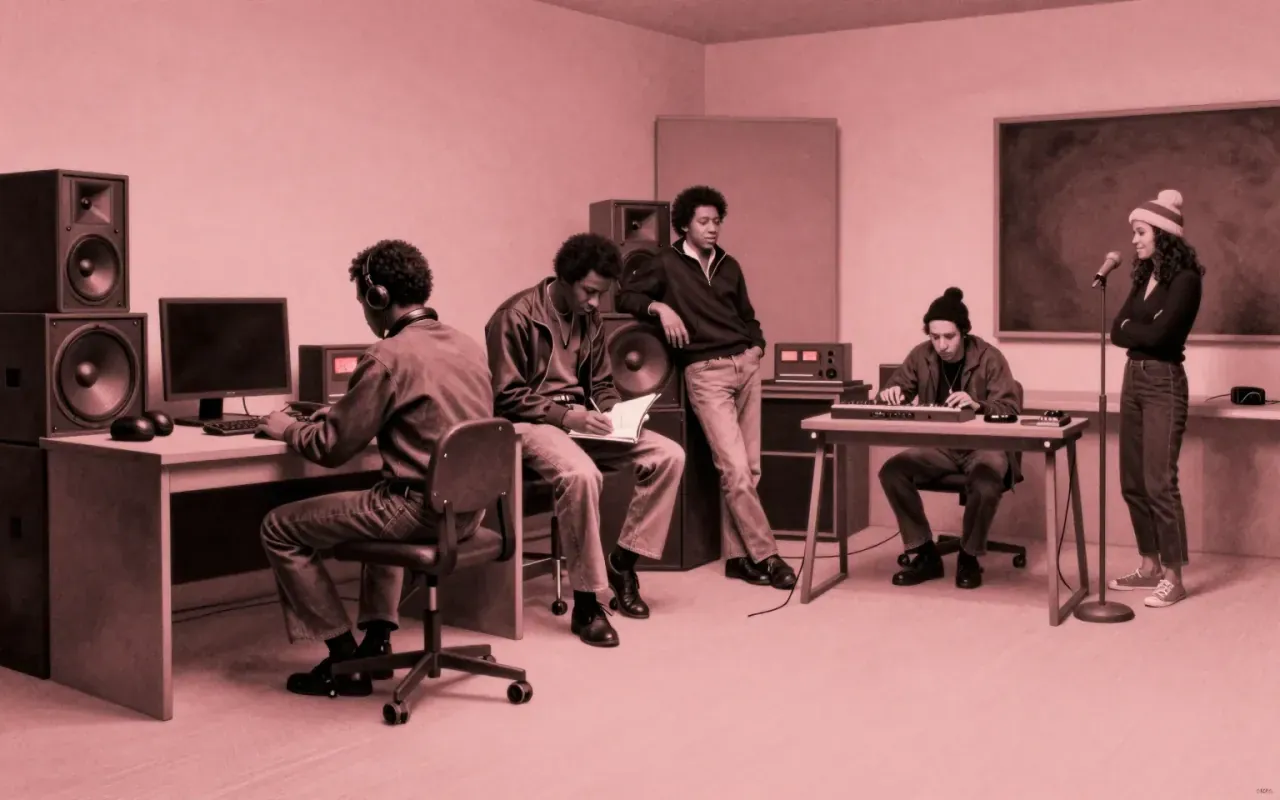
The Chronic sounds like swampy synthesizer bass lines emulating Parliament-Funkadelic, a lone whistling or blipping keyboard line, and wide-open spaces holding just rhythm guitar or sparse keyboard chords. It was made at Death Row Studios in Los Angeles and Bernie Grundman Mastering in Hollywood, using live instruments — especially Colin Wolfe on synthesizers — and one or few samples per song. Dre replayed Leon Haywood’s 1972 melody with a Minimoog for ‘Nuthin’ but a “G” Thang’. The Death Row Inmates wrote and recorded at Dre’s Calabasas mansion and Solar Studios, often developing melodies over partial beats late into the night.
What lands
Fat, blunted Parliament-Funkadelic beats land. Soulful backing vocals land. Rolling basslines and whiny synths land. Snoop Dogg’s melodic, conversational flow lands on nearly every track. ‘Nuthin’ but a “G” Thang’, ‘Let Me Ride’, and ‘Fuck wit Dre Day’ land as definitive G-funk statements — clear, spacious, and instantly repeatable.
What does not
It does not rely on dense sampling. It does not use orchestral arrangements or acoustic drums. It does not feature guest rappers outside the Death Row Inmates circle. It does not attempt narrative arc across tracks — each song is a self-contained zone of groove and voice.
The ideas inside it
Street life as lived reality, not allegory. Snoop Dogg’s lyrics draw only from what he witnessed or experienced in the ghetto. The record treats funk not as reference but as infrastructure: basslines roll, synths whine, vocals float in open air — all calibrated to ground the listener in place and pulse.
Who should hear it, and who should not
Producers should hear it for its instrumental economy and spatial discipline. Rappers should hear it for how voice sits in mix. Listeners who value clarity over density should hear it. Anyone expecting jazz-rap complexity or boom-bap austerity should not.
Is it worth your time
Yes. Its production clarity, rhythmic precision, and vocal presence hold up as functional listening — not nostalgia. You hear every bass note, every whistle, every space. It rewards attention to texture, not myth.