What the record is and where it came from
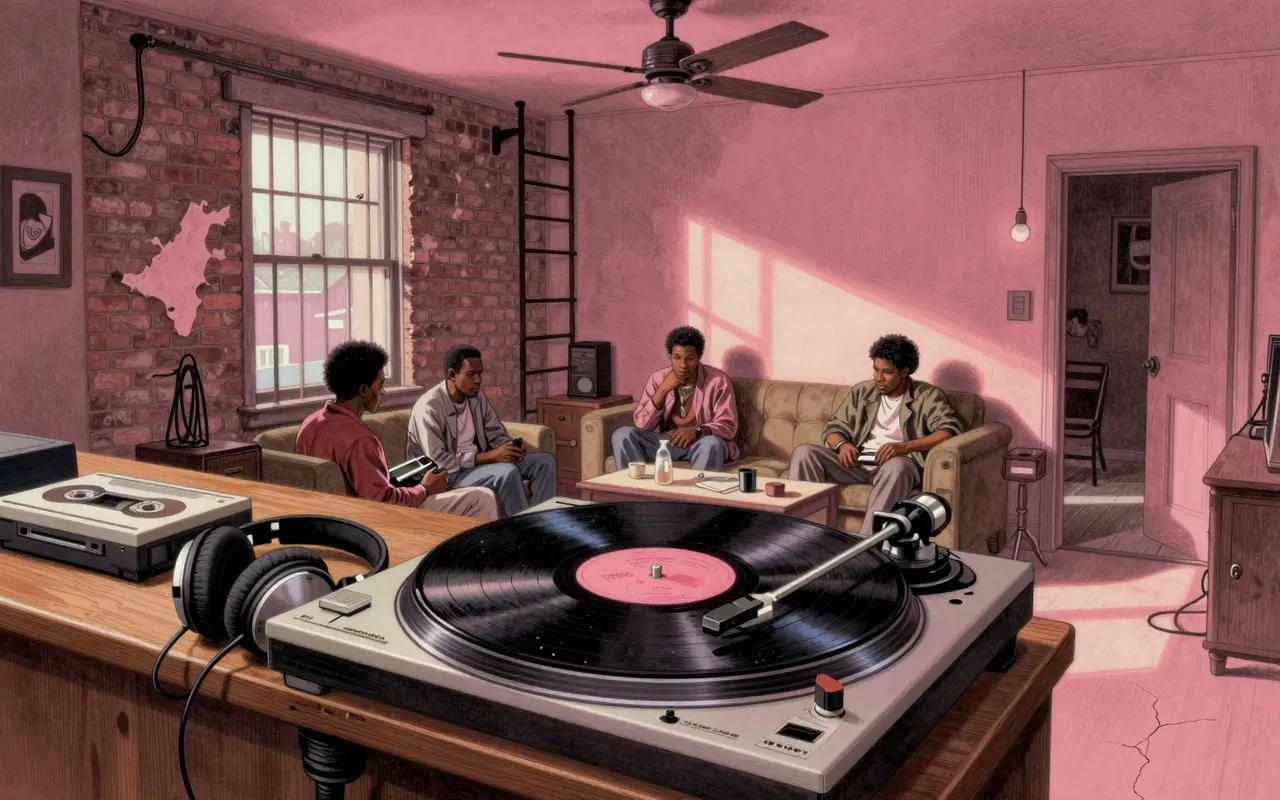
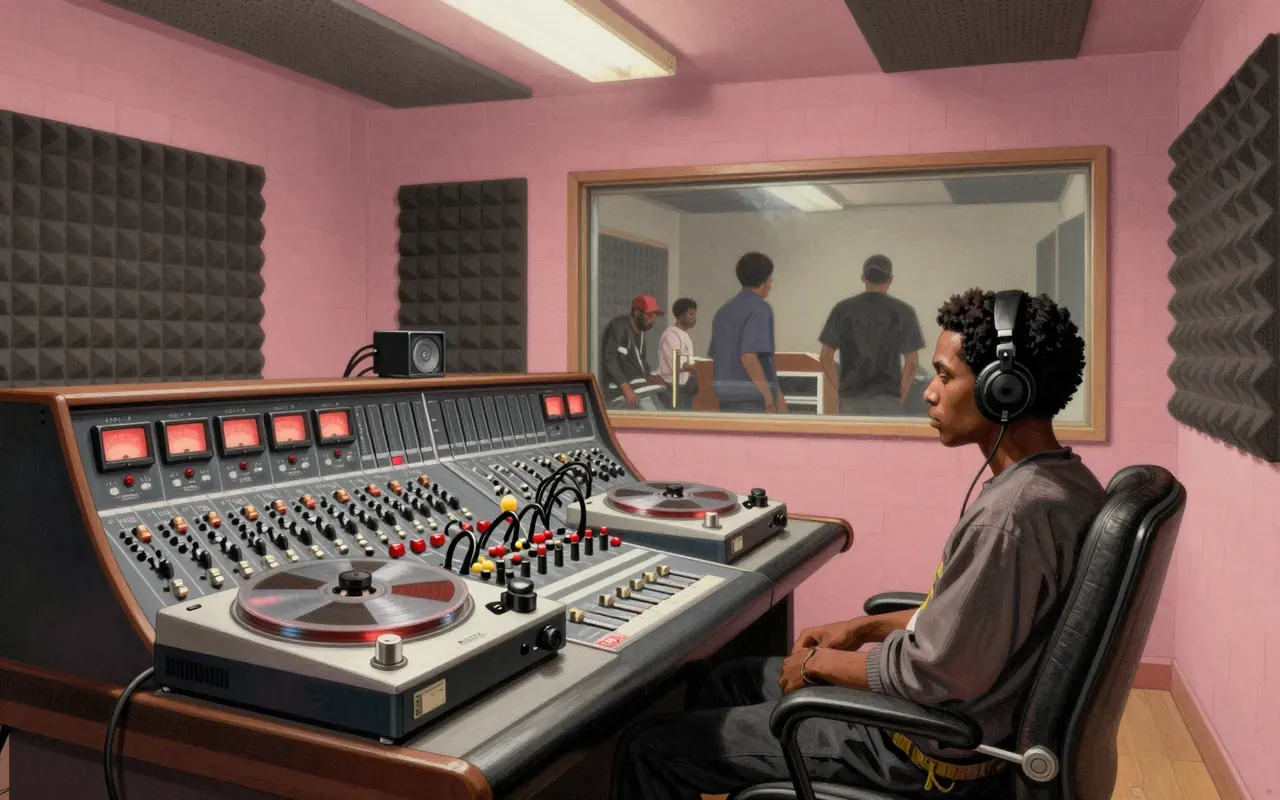
It is Public Enemy’s second studio album, recorded in 30 days across Chung King Studios, Greene St. Recording, and Sabella Studios in New York between 1987 and 1988. It was completed in six weeks for $25,000, enabled by preproduction at the group’s Long Island studio.
How it sounds, and how it was made
It sounds like a wall of collaged funk breaks, radio static, sirens, free jazz stabs, and shouted slogans. The Bomb Squad built it from layers of sampled vinyl, tape loops, and live percussion in three New York studios. Engineers at Greene St. Recording respected the group’s work ethic only after initial doubt. Chuck D called it aggressive, time-pressured teamwork involving sonic risk-taking.
What lands
‘Bring the Noise’ lands with its staccato snare hits and layered vocal call-and-response. ‘Don’t Believe the Hype’ lands with its paranoid radio-interrupt structure and clipped, repeating bassline. ‘Black Steel in the Hour of Chaos’ lands with its slow, claustrophobic tempo and narrative tension. ‘Rebel Without a Pause’ lands with its unbroken drum loop and rising vocal intensity.
What does not
It does not offer resolution. It does not soften its tone for crossover appeal. It does not separate politics from sound design. It does not leave space for passive listening.
The ideas inside it
It establishes a pro-black, revolutionary stance rooted in systemic critique—not individual grievance. It treats hip-hop as a weaponised broadcast system. It rejects assimilationist politics and media myth-making head-on.
Who should hear it, and who should not
People who want to hear hip-hop as architecture, not autobiography. People who listen for texture, not just lyrics. People who expect music to argue, not reassure. Not people who need melody as anchor or silence as relief.
Is it worth your time
Yes. It demands attention, not background play. Its density rewards repeated listening. Its political clarity and sonic urgency remain unmatched in hip-hop.